Comments Off on Remembering Rodney Charters: The Visionary Cinematographer Who Defined the Look of 24
By [Author Name] Published September 2026
Main Facts
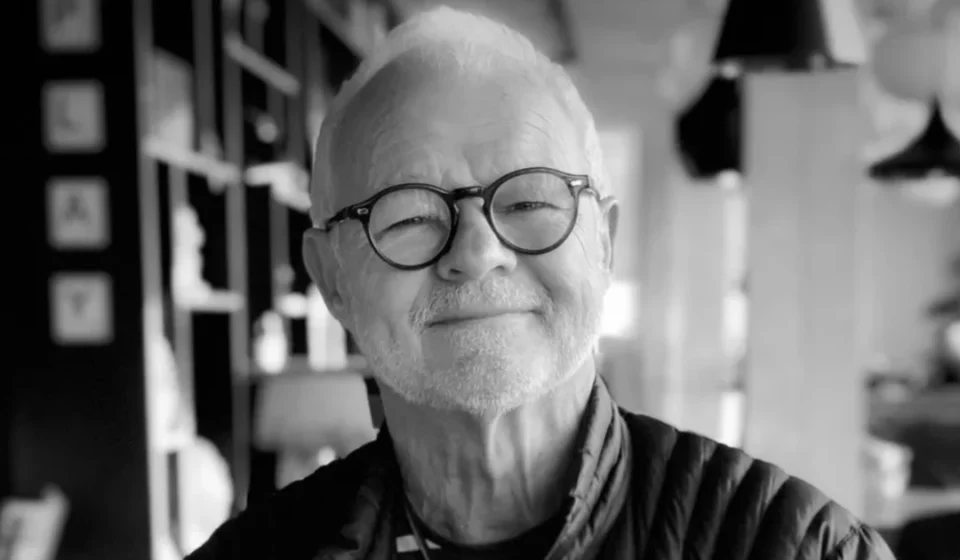
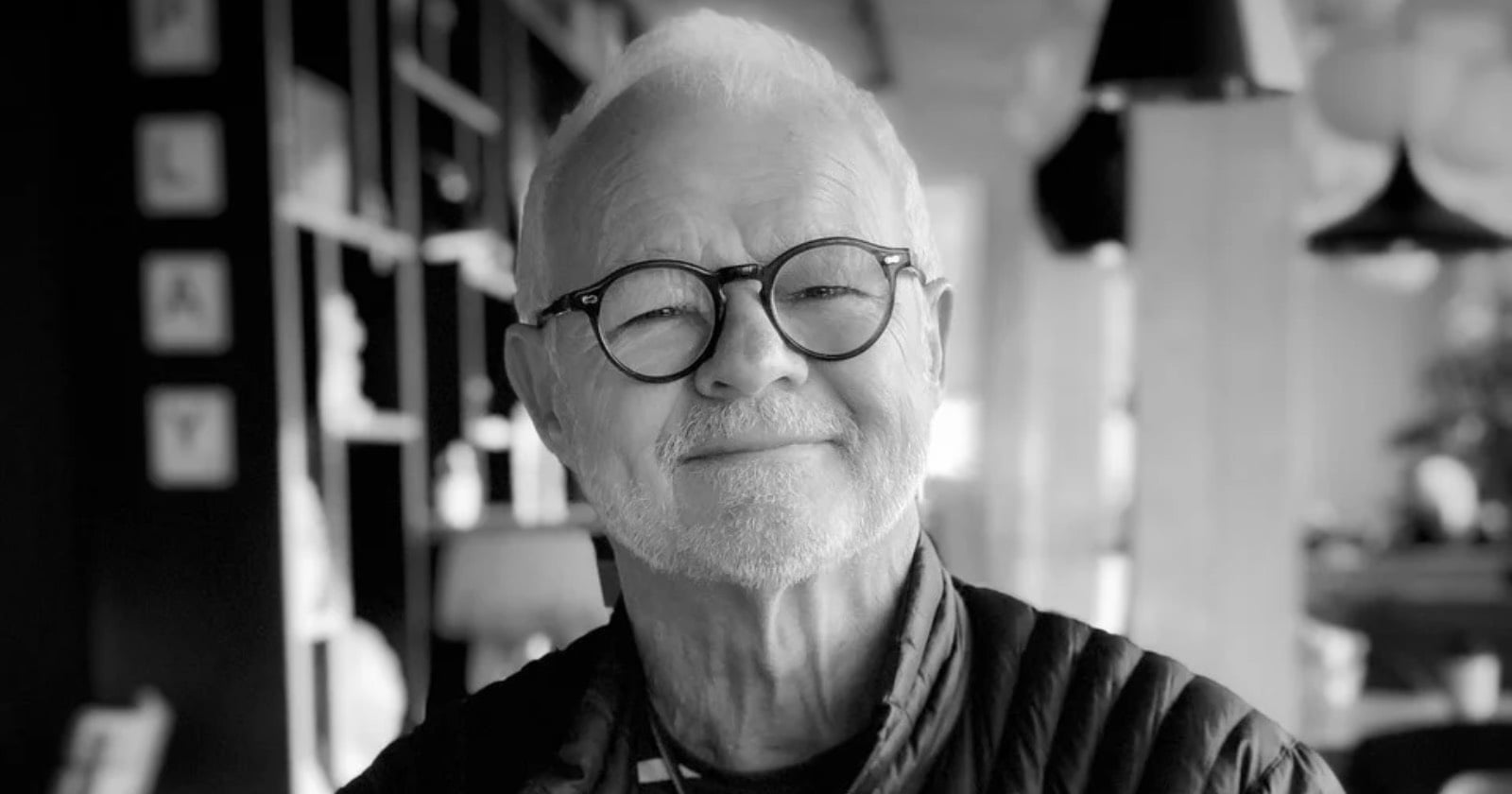
The entertainment industry is mourning the loss of Rodney Charters, a pioneering director of photography whose kinetic, relentless camera work helped define the aesthetic of modern television. Charters, best known for shooting nearly every episode of the first eight seasons of the groundbreaking Fox real-time thriller 24, passed away suddenly on September 13 in Amsterdam at the age of 80. The American Society of Cinematographers (ASC) confirmed his passing, prompting an outpouring of grief and tribute from colleagues, directors, and actors who worked alongside him across a decades-long career.
Charters was a titan of television cinematography, earning two Primetime Emmy nominations for his visionary work on 24 in 2005 and 2006. Over his storied career, the New Zealand-born filmmaker didn’t just capture images; he helped reinvent how television action sequences were staged, filmed, and paced. His signature style—characterized by aggressive handheld camera movements, rapid whip pans, snap zooms, and multi-camera setups—turned the ticking-clock pressure cooker of 24 into a visceral, heart-pounding visual experience.
Beyond 24, Charters left an indelible mark on numerous other television staples, including The Pretender, Roswell, and Showtime’s adaptation of Shameless. His sudden death in the Netherlands closes the book on a career that spanned continents, genres, and technological revolutions in the motion picture industry, cementing his legacy as one of the most influential television cinematographers of his generation.
Chronology: A Life Behind the Lens
Rodney Charters’ journey to the upper echelons of Hollywood cinematography was paved by a lifelong immersion in the visual arts. Born in New Zealand, Charters grew up with photography embedded in his DNA. His father was a professional portrait photographer and filmmaker, a background that gave Charters an intimate, early education in exposure, lighting, and narrative framing. As he often described it, he was quite literally "raised in the darkroom." This foundational upbringing instilled in him an intuitive understanding of light and shadow that would later allow him to manipulate spaces on fast-paced television schedules with remarkable ease.
Before making his mark in American primetime television, Charters honed his craft across a variety of documentary and commercial projects, developing a reputation for adaptability and a fearless approach to physical camerawork. His transition to U.S. television production in the late 1990s marked the beginning of his golden era.
Between 1997 and 2000, Charters served as the director of photography for 57 episodes of NBC’s hit mystery-drama The Pretender. His ability to inject cinematic flair into a weekly broadcast schedule caught the eye of producers looking for dynamic visual storytelling. Shortly after, he brought his talents to the science-fiction genre, shooting 19 episodes during the second season of Roswell (2000–2001).
However, it was in 2001 that Charters stepped onto the project that would forever define his career. Joining the creative team of a radical new Fox drama called 24, starring Kiefer Sutherland as counter-terrorism agent Jack Bauer, Charters became the primary architect of the show’s look. Between 2001 and 2010, he shot an astonishing 184 episodes—covering every single installment of the first eight seasons except for eight. In addition to shooting the series, he helmed the 2008 television film 24: Redemption and stepped behind the camera to direct three episodes that he wasn’t shooting.
When 24 concluded its initial run, Charters showed no signs of slowing down. He transitioned seamlessly into prestige cable television, serving as the director of photography for the first three seasons of Showtime’s critically acclaimed, chaotic family drama Shameless from 2011 to 2013. His ability to pivot from the high-octane, geopolitical tension of CTU headquarters in Los Angeles to the gritty, intimate chaos of a South Side Chicago household highlighted his incredible versatility as an artist. Up until his sudden passing in Amsterdam, Charters remained a respected figure in the global filmmaking community, frequently mentoring younger generations of cinematographers and engaging with ASC events.
Supporting Data and Technical Innovation
To understand Rodney Charters’ impact on television, one must examine the revolutionary production methodologies he championed on the set of 24. At the turn of the millennium, television production was largely conservative, relying on traditional, predictable setups that broke scenes down into manageable, compartmentalized shots. Charters, alongside executive producers and directors like Stephen Hopkins, blew those conventions wide open.
The premise of 24 demanded a frantic energy. Each season took place over a single 24-hour period, tracked continuously by an on-screen digital clock. To match this breathless pace, Charters helped pioneer an "aggressive camera style." Instead of hiding the machinery of filmmaking, Charters embraced it. He utilized lightweight handheld cameras, allowing operators to move fluidly through cramped sets, following actors down hallways and into interrogation rooms as if they were documentary crew members capturing real-time history.
In a February 2004 interview with American Cinematographer magazine—republished by the ASC following his passing—Charters detailed the unique shooting philosophy that set 24 apart from its contemporaries:
"We’ve evolved to the point where we always shoot a scene in its entirety — it’s never broken into setups," Charters explained. "We shoot two directions on every scene. We shoot one direction first, after it’s been blocked and staged by the cast privately, without even me present, which is a little uncommon in television."
This unorthodox method fostered a deep sense of realism and spontaneity. By letting the actors rehearse and block scenes without the intrusion of camera crews, their movements felt organic. When the camera finally rolled, Charters and his team were ready to capture authentic reactions on the fly.
Charters also credited executive producer Stephen Hopkins with pushing him to find unconventional angles that heightened psychological tension:
"[Stephen] was a great one for saying, ‘Look at the scene and imagine where the camera would never be, and that’s where I want it.’"
This mindset resulted in trademark visual signatures: rapid whip pans that created disorienting temporal jumps, sudden snap zooms that zeroed in on an actor’s panicked expression, and naturalistic, often harsh lighting that reflected the high-stakes, clock-is-ticking reality of the narrative. Statistically, Charters’ output was staggering: shooting 184 episodes of a grueling, action-packed network drama required immense physical stamina, technical foresight, and leadership, qualities he maintained without missing a beat across eight intense years.
Official Responses and Tributes
The news of Rodney Charters’ sudden passing sent shockwaves through the film and television industry. The American Society of Cinematographers led the tributes, publishing an official in memoriam statement highlighting his profound contributions to the art and craft of cinematography. Colleagues, actors, and directors took to social media and professional forums to share memories of a man who was as beloved for his warm, collaborative spirit on set as he was for his technical brilliance.
Kiefer Sutherland, who spent a decade sharing the trenches with Charters on the set of 24, released a statement reflecting on their shared history: "Rodney didn’t just point a camera at us; he ran alongside us, shared our exhaustion, and elevated every single moment of tension we tried to create. He was a master of his craft, a gentle soul, and an irreplaceable part of the 24 family. His loss is felt deeply by all of us who had the privilege of working with him."
Directors and camera operators who worked under Charters’ guidance similarly praised his collaborative nature. Unlike some cinematographers who guarded their territory fiercely, Charters viewed the camera department as a collective unit. He empowered his camera operators—encouraging them to trust their instincts, find the emotional beats of a scene, and improvise when the drama demanded it.
The ASC noted that Charters’ legacy extends far beyond his physical filmography. As a mentor and an active member of the cinematographic community, he was constantly exploring new technologies, adapting to the digital revolution in filmmaking with the same curiosity that he brought to his father’s darkroom decades earlier. His commitment to pushing the boundaries of what a television camera could do earned him the enduring respect of peers worldwide, ensuring his name will be taught in film schools for generations to come.
Implications for the Industry and Modern Television
The passing of Rodney Charters marks the end of an era for network action television, but his influence continues to reverberate deeply across the modern entertainment landscape. To truly understand the visual grammar of today’s prestige action and thriller series—whether on broadcast networks, cable, or streaming giants like Netflix, Amazon, and Apple TV+—one must look back at the trail blazed by Charters on 24.
Before 24 and Charters’ revolutionary approach, high-octane television often struggled to replicate the kinetic energy of feature films due to tight television budgets and restrictive shooting schedules. Charters proved that television could not only match the visual intensity of cinema but surpass it by inventing a new, hybrid style of shooting that married documentary-style urgency with high-end dramatic lighting.
The techniques he helped popularize—such as unbroken, continuous performance blocking, aggressive handheld operator choreography, and the strategic use of whip pans and snap zooms to ratchet up psychological suspense—have become industry standards. Today’s action directors and cinematographers working on gritty dramas routinely draw from the playbook that Charters refined during his 184 episodes in the world of Jack Bauer.
Furthermore, Charters’ career serves as a masterclass in adaptation. Having started in the analog age of traditional film and darkrooms, he successfully navigated the seismic shift toward digital cinematography, high-definition television, and multi-camera digital workflows without ever losing the human, visceral touch that defined his imagery.
As the television industry continues to evolve into new formats and technological frontiers, the loss of pioneers like Rodney Charters reminds us of the human artistry required to make a static lens come alive. He taught generations of filmmakers that a camera is not merely a recording device, but an active participant in the story—a philosophy that will continue to inspire directors of photography for decades to come.