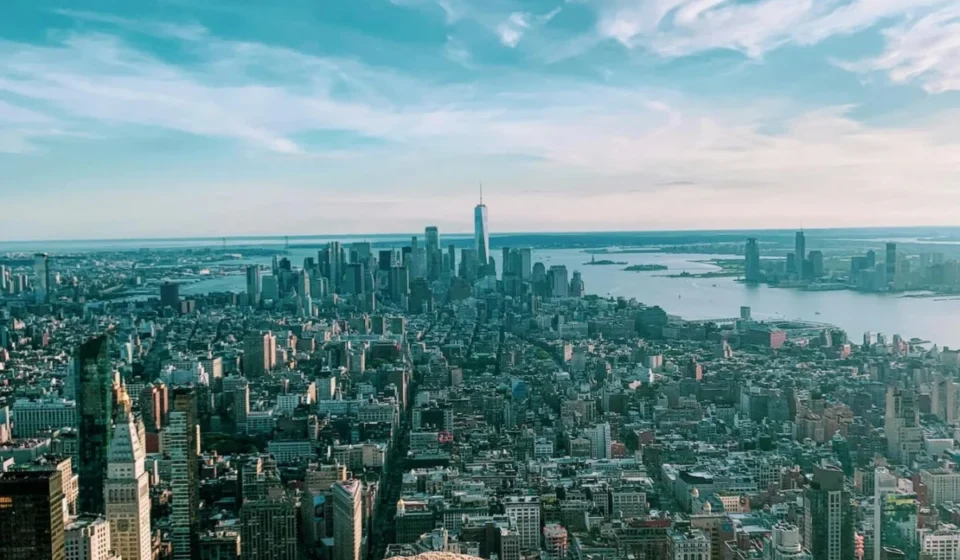

New York is a city that requires no introduction, yet it constantly demands a re-evaluation. Whether you are a first-time visitor or a seasoned traveler returning for the tenth time, the "Greatest City in the World" functions less like a static destination and more like a living, breathing organism. Arriving in Manhattan—as I did in 2013 from London—feels less like visiting a new place and more like stepping onto a familiar movie set, where the architecture, the pace, and the iconic yellow cabs have been etched into the global consciousness through decades of media.
However, moving past the cinematic veneer to find the "real" New York requires a shift in perspective. After more than a decade of living, working, and occasionally falling prey to the city’s overhyped traps, I have curated this guide to help you navigate the extraordinary potential of a normal New York day.
Main Facts: The Anatomy of a Megalopolis
New York City is composed of five distinct boroughs, each functioning with the scale and complexity of a major world capital. With a population of over 8.2 million, the city’s density is its defining characteristic.
- Geographic Scope: Encompassing 300 square miles, the city is a sprawling network of islands and interconnected neighborhoods.
- The Transit Backbone: The MTA subway system is the heartbeat of the city, operating 24 hours a day. While it can be daunting, it remains the most efficient way to navigate the urban labyrinth.
- Cultural Density: The city houses approximately 170 museums, ranging from the world-renowned Metropolitan Museum of Art to the delightfully obscure Mmuseumm, which displays artifacts in a converted freight elevator.
Chronology: A Suggested Itinerary of Experience
To truly grasp the rhythm of the city, one must balance high-octane sightseeing with moments of deliberate stillness.
Phase 1: Waterfront Perspectives and Architectural Wonders
Begin your journey by heading to Brooklyn Heights. The Promenade offers a quintessential vista of the downtown Manhattan skyline and the Brooklyn Bridge. Once you have absorbed the views, shift your focus to the water. An Architectural Boat Tour departing from Chelsea Piers provides a necessary vantage point of the city’s man-made marvels, narrated by experts from the American Institute of Architects.
Phase 2: The Green Lungs of the City
New York’s parks are not merely aesthetic choices; they are vital community hubs. While Central Park remains the most famous, do not overlook Prospect Park in Brooklyn. Designed by Frederick Law Olmsted and Calvert Vaux—the same visionaries behind Central Park—it offers a wilder, more local experience. From the dog-friendly beaches to the winding woodland trails, it represents the "less-polished" side of the city’s public space.
Phase 3: Cultural Immersions and Nightlife
No trip is complete without venturing into the soul of the city. For a unique experience, visit Marjorie Eliot’s Sunday Jazz sessions in Harlem. Held in her apartment at the "Triple Nickel," it offers an intimacy that no commercial club can replicate. For those seeking a different kind of performance, the Comedy Cellar in Greenwich Village remains the gold standard for stand-up, often featuring surprise sets from world-famous comedians. As night falls, those craving an unconventional nightlife experience should head to House of Yes in Bushwick, where performance art, burlesque, and high-energy dance collide.
Supporting Data: Navigating the "Must-Dos" and "Must-Avoids"
While the city offers limitless discovery, some experiences are statistically and culturally superior to others.
The Overhyped: What to Avoid
- Times Square: While it is the symbolic center of the tourist experience, it is widely considered an avoided zone by locals. It is noisy, crowded, and largely populated by chain restaurants that offer poor value for money.
- Viral Food Lines: In the age of social media, influencers often drive massive queues for simple treats. If you find yourself waiting an hour for a cookie, consider that you are losing an hour of your limited vacation time in a city filled with world-class, accessible cuisine.
- Helicopter Tours: Despite the thrill, these tours have faced significant safety concerns following multiple fatal incidents in recent years. Instead, utilize one of the city’s many high-altitude observation decks, such as SUMMIT One Vanderbilt or the Empire State Building.
The Culinary Gold Standard
- Dellarocco’s (Brooklyn Heights): A masterclass in brick-oven pizza that avoids the pretension of more famous institutions.
- Freemans (Lower East Side): Tucked away in a graffiti-covered alley, this restaurant captures the rustic, cozy essence of old-world New York with a modern sensibility.
- The Glasserie (Greenpoint): Located in a former glass factory, this spot serves exceptional Mediterranean fare, perfect for those looking for a stylish, atmospheric brunch.
Official Responses and Local Insights
When discussing the city’s future and its tourism management, local authorities often emphasize the importance of "distributed tourism." By encouraging visitors to explore the outer boroughs—such as the ferry-accessible, village-like atmosphere of Red Hook—the city hopes to alleviate the pressure on Midtown Manhattan.
Furthermore, regarding the hospitality sector, travelers should be aware of current regulations. If you are looking to book an Airbnb, please note that short-term rental laws in NYC have become significantly stricter. You generally cannot rent an entire apartment for less than 30 days unless it is a licensed hotel. Opting for reputable, creative boutique hotels like The Greenwich Hotel (Tribeca) or the more budget-friendly Pod Hotels ensures a compliant and reliable stay.
Implications: How to "Do" New York Properly
The true secret to enjoying New York is found in the art of the "hike." If you have the endurance, walking the length of Manhattan—from the medieval artworks of The Met Cloisters in Inwood, through the High Line, and down to the historic Lower East Side—is a transformative experience. You will see the city transition from quiet residential neighborhoods to buzzing commercial hubs, observing the 8.2 million "big personalities" that define the city.
Practical Tips for the Traveler
- Timing: The best months to visit are May and June, or the crisp autumn window of September through November. Winter (January–March) is budget-friendly but harsh.
- Mindfulness: Whether it’s "forest bathing" in Central Park or quiet reflection in the halls of the Guggenheim, make space in your itinerary for stillness.
- Transportation: Rely on the subway and your own two feet. If you must take a car, be prepared for the reality of Manhattan’s legendary traffic.
Final Reflections
New York City does not need to be "conquered." It is not a checklist of monuments. It is a series of encounters: the jazz musician in Harlem, the skyline view from a Brooklyn park, the shared plate of mezze in a former glass factory. The city is defined by its intensity, its history, and its stubborn refusal to stand still.
As you plan your visit, remember the lesson of the long-term transplant: The most "New York" thing you can do is not to rush from one tourist attraction to the next, but to find a neighborhood, settle into a rhythm, and allow the city to surprise you. Whether you are seeking the luxury of the Aman New York or the quirky, artist-driven loft experience in Lower Manhattan, the city is ready to accommodate you—provided you bring an open mind and a comfortable pair of walking shoes.