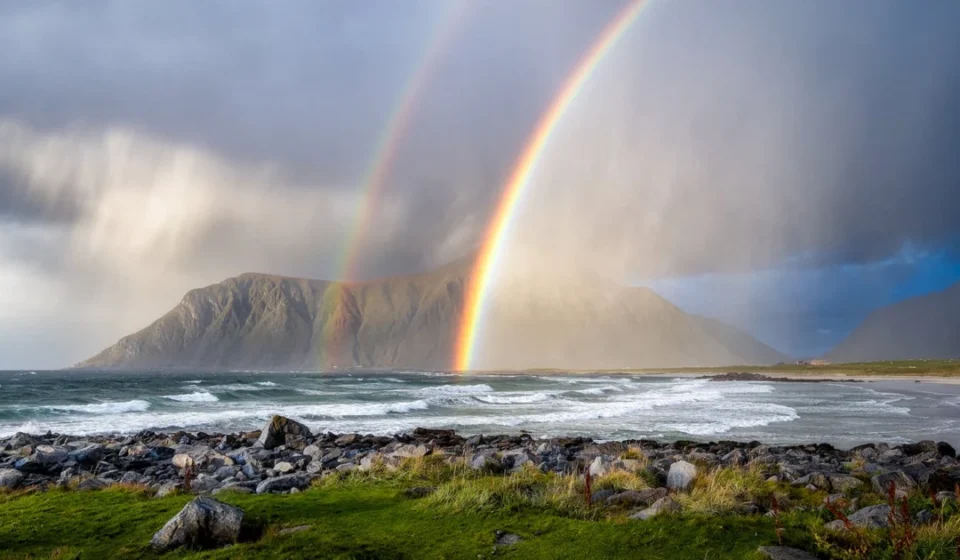
Beyond the Golden Hour: Landscape Photographer Matt Suess on Mastering the Full-Day Field Challenge

BOZEMAN, Mont. — In the world of landscape photography, the daily routine is practically standardized. Photographers check the weather, wake up long before dawn, race to a pre-scouted vantage point, and capture the fiery hues of sunrise. Once the sun climbs into the harsh mid-morning sky, cameras are packed away. The midday hours are routinely written off as drive time, scouting windows, or sleep. Photographers then emerge briefly for sunset, perhaps lingering for a fraction of the blue hour before retreating to their vehicles.
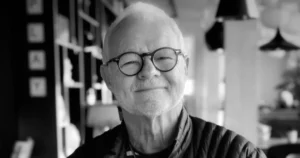
For veteran landscape photographer and OM SYSTEM Ambassador Matt Suess, this conventional rhythm misses the entire point of the medium.
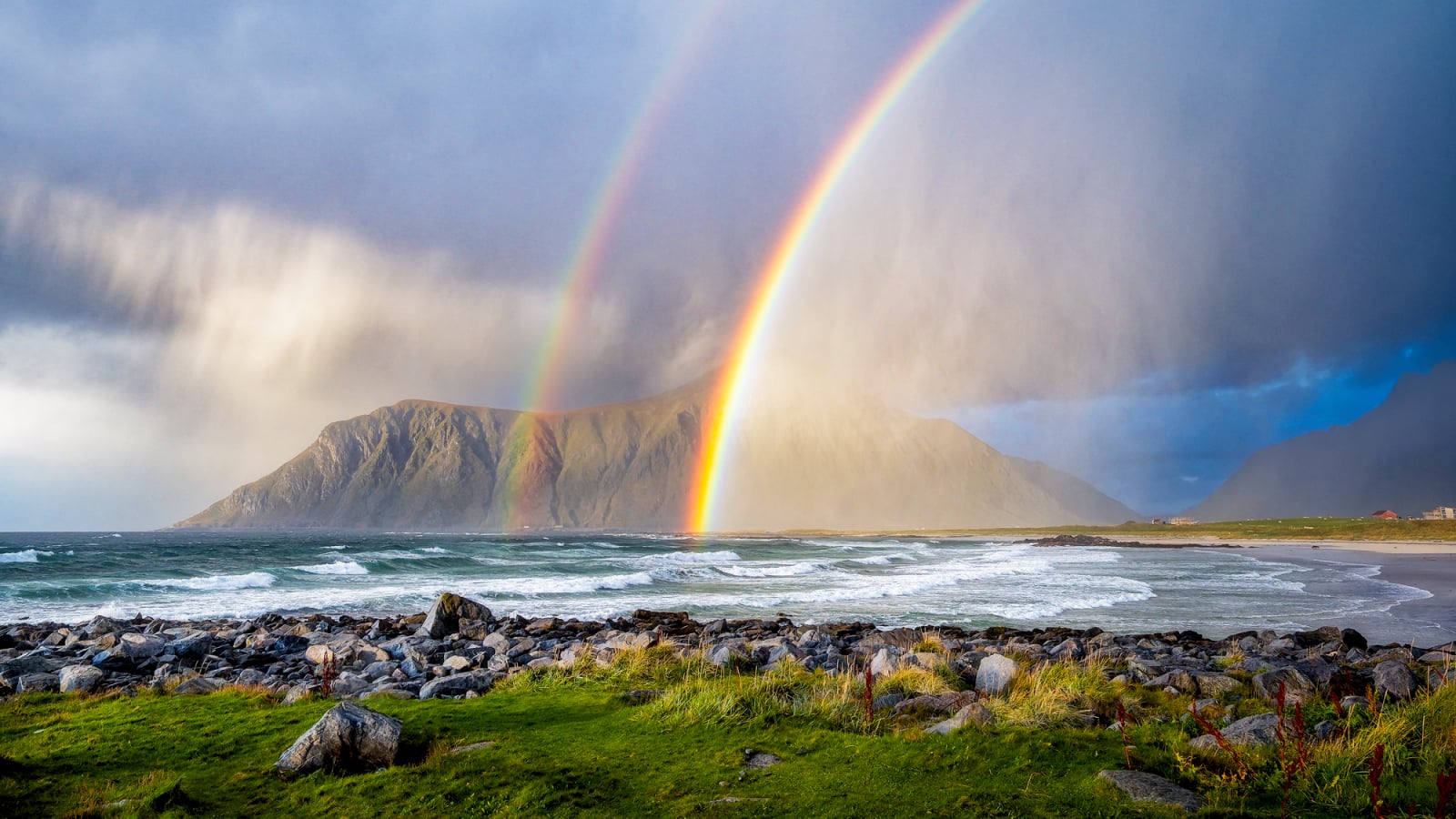
"Most landscape photographers plan their days around sunrise and sunset," Suess explains. "The rest of the day is drive time, scouting, or sleep. Blue hour gets ignored a lot. At sunset, they’ll shoot until the sun drops below the horizon, then they’re gone. Even in the middle of the day, you can make good pictures if you find the right subject, but most photographers are back indoors at that time."
Suess, a former 17-year newspaper photojournalist who now leads specialized landscape and night-sky workshops out of Bozeman, Montana, is challenging his peers to break the habit. His prescription is radical in its simplicity: spend an entire day—from before dawn until deep into the dark of night—locked into a single location.
Main Facts: The Anatomy of a Dawn-to-Dusk Shoot
The core philosophy of Suess’s masterclass centers on endurance, patience, and the deliberate embrace of challenging lighting conditions. Rather than chasing fleeting internet hotspots, Suess advocates for deep, singular immersion in one environment.
- The Core Challenge: Dedicate an entire day to a single vantage point, pushing past the traditional sunrise-and-sunset boundaries.
- The Gear Philosophy: Emphasize safety equipment and clothing over massive lens arsenals. Suess relies on a lightweight kit centered around the weather-sealed OM SYSTEM OM-5 Mark II and the versatile M.Zuiko Digital ED 12-100mm F4.0 IS PRO lens.
- Weather Strategy: Actively avoid clear, cloudless forecasts. Variable weather, intermittent storm clouds, and dramatic shifts in light provide the raw material necessary to sustain a 12-hour-plus shoot.
- Computational Advantages: Leverage modern mirrorless features—such as Live ND, High Res Shot, and Live Composite modes—to handle tricky lighting, maximize dynamic range, and capture long-exposure night scenes without complex gear setups.
Chronology: A Day in the Life of a Full-Day Landscape Shoot
To understand Suess’s methodology, one must follow the chronological arc of his field days, which transforms a standard landscape session into a comprehensive visual narrative.
1. Pre-Dawn and the Morning Blue Hour
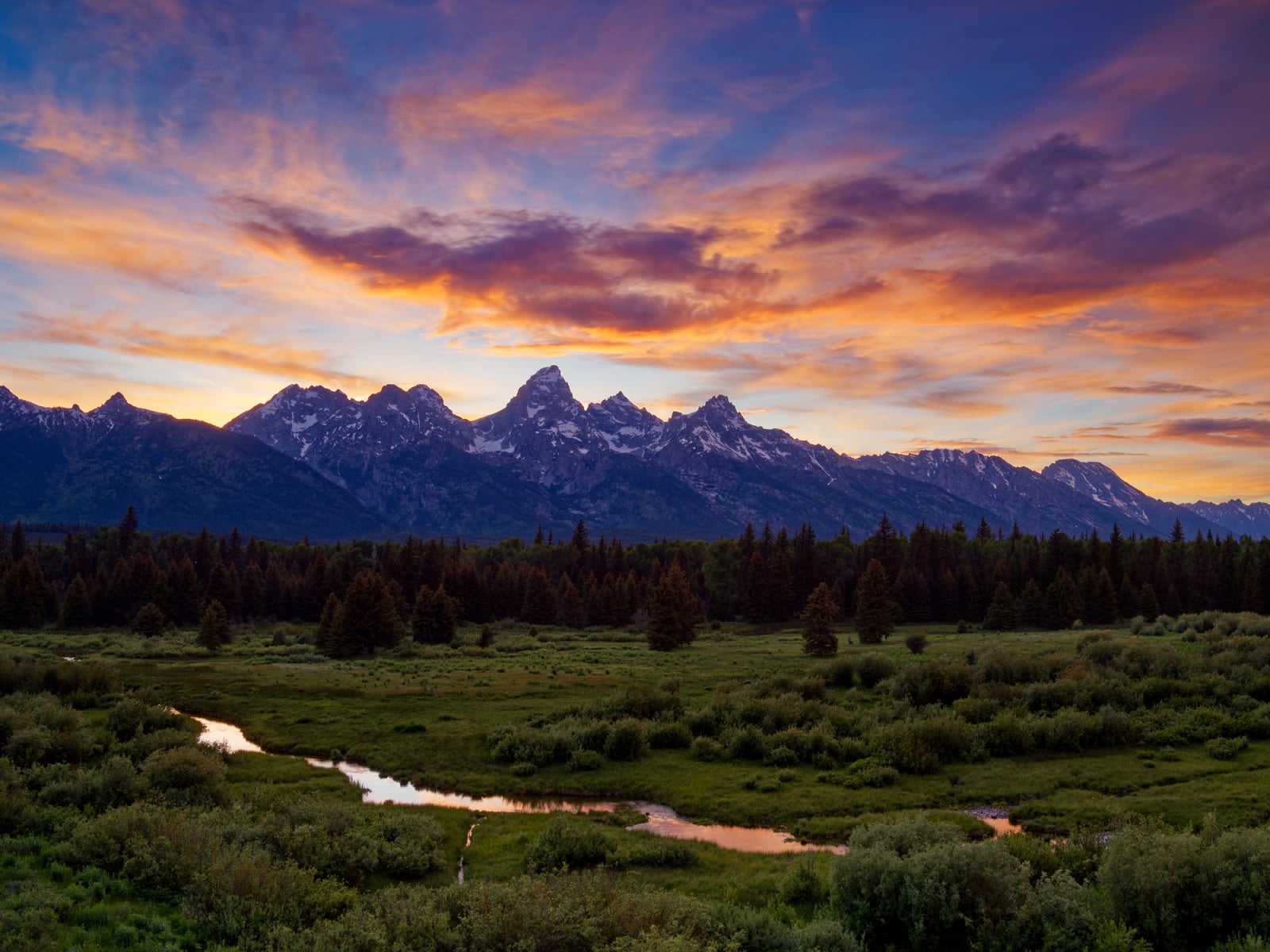
Long before the sun breaches the horizon, Suess is already in position. Operating in soft, low-contrast light that renders the landscape in monochromatic shades of blue, he confronts a compositional crucible. Without dramatic highlights, shadows, or intense color to guide the viewer, the photographer must rely entirely on tone, texture, and detail.
Before touching his camera, Suess practices a strict observational pause. "When I arrive, I look around and notice what keeps pulling my attention," he says. "If I go straight to the viewfinder, I’m letting the camera define the scene before my creative instincts have time to respond."
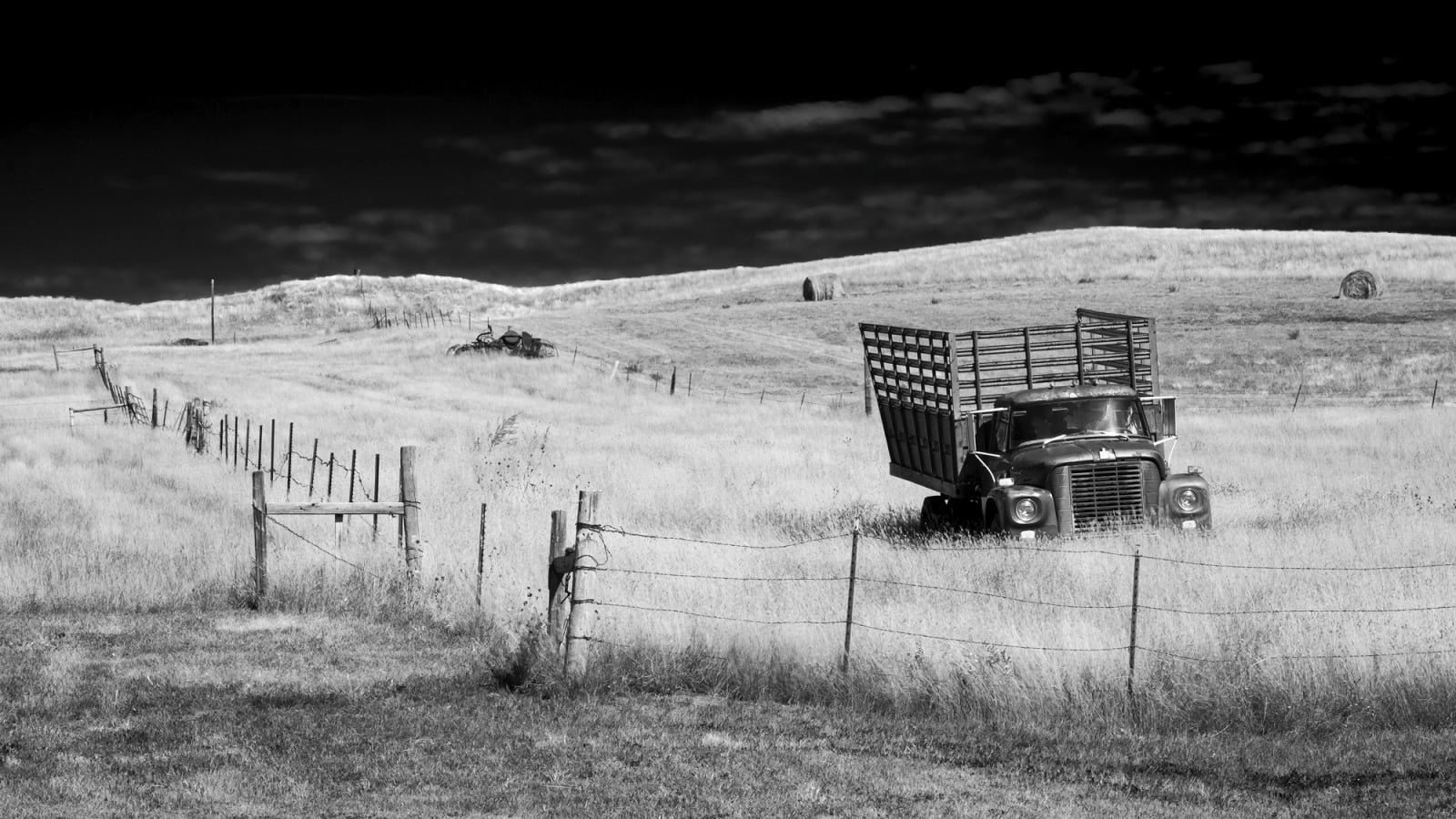
Only after establishing a mental roadmap does he pull out the OM-5 Mark II, balancing his non-negotiable settings—usually a wide aperture for depth of field or a carefully stabilized handheld shutter speed—against the subdued morning terrain.
2. Sunrise and the "Three-Shot Story"
When the sun finally breaks, the landscape accelerates into motion. Drawing from his extensive newspaper background, Suess treats sunrise like a breaking news assignment, executing a structured "three-shot story."
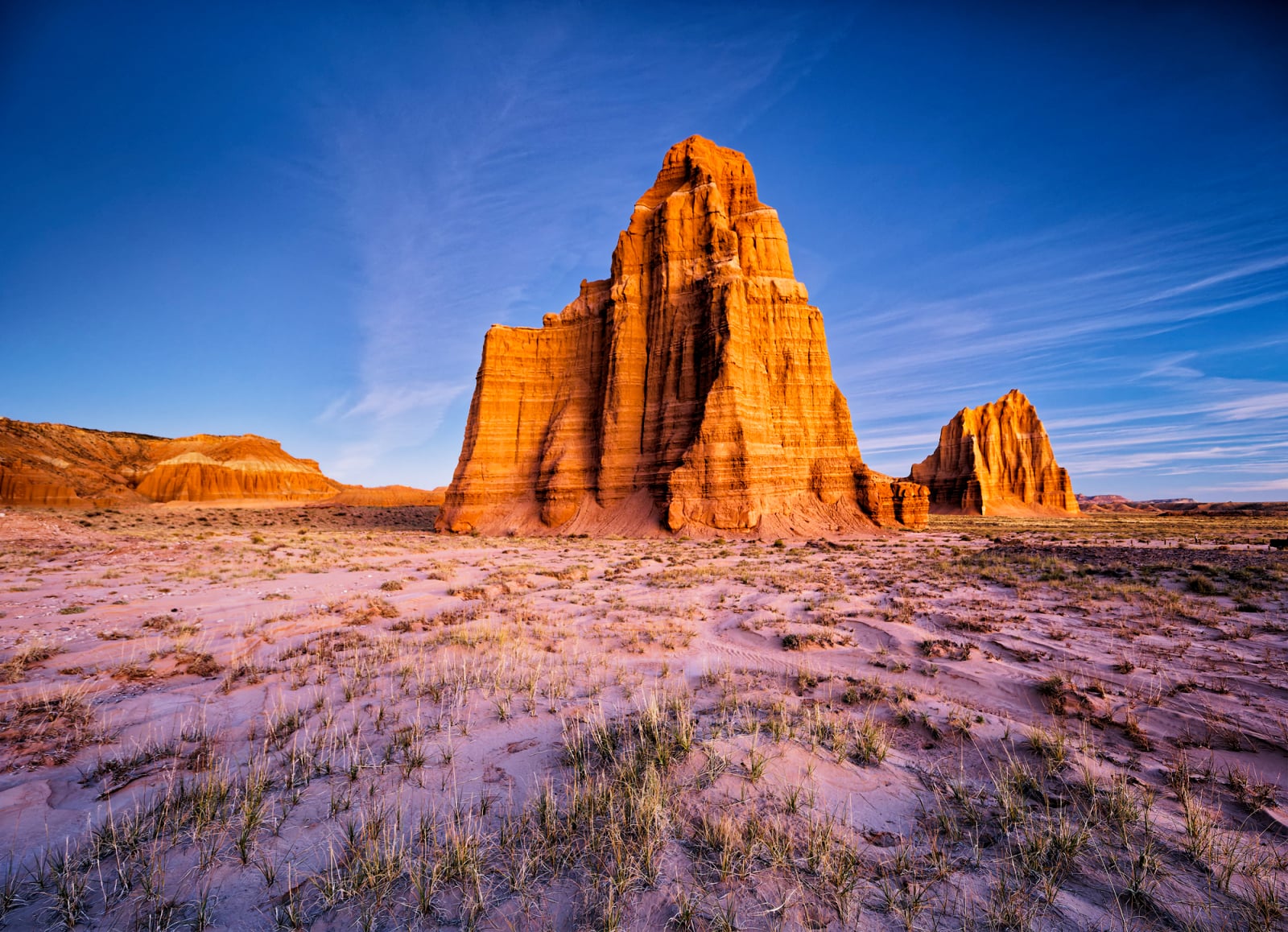
"A breaking-news assignment taught me to build a story in layers," Suess recalls. "At a house fire, I would begin with a wide photograph that showed the whole scene… Then I would frame a medium view… Then I would use a telephoto lens to isolate a distant detail. The sequence moved from wide to medium to tight. Together, those three frames told the story."
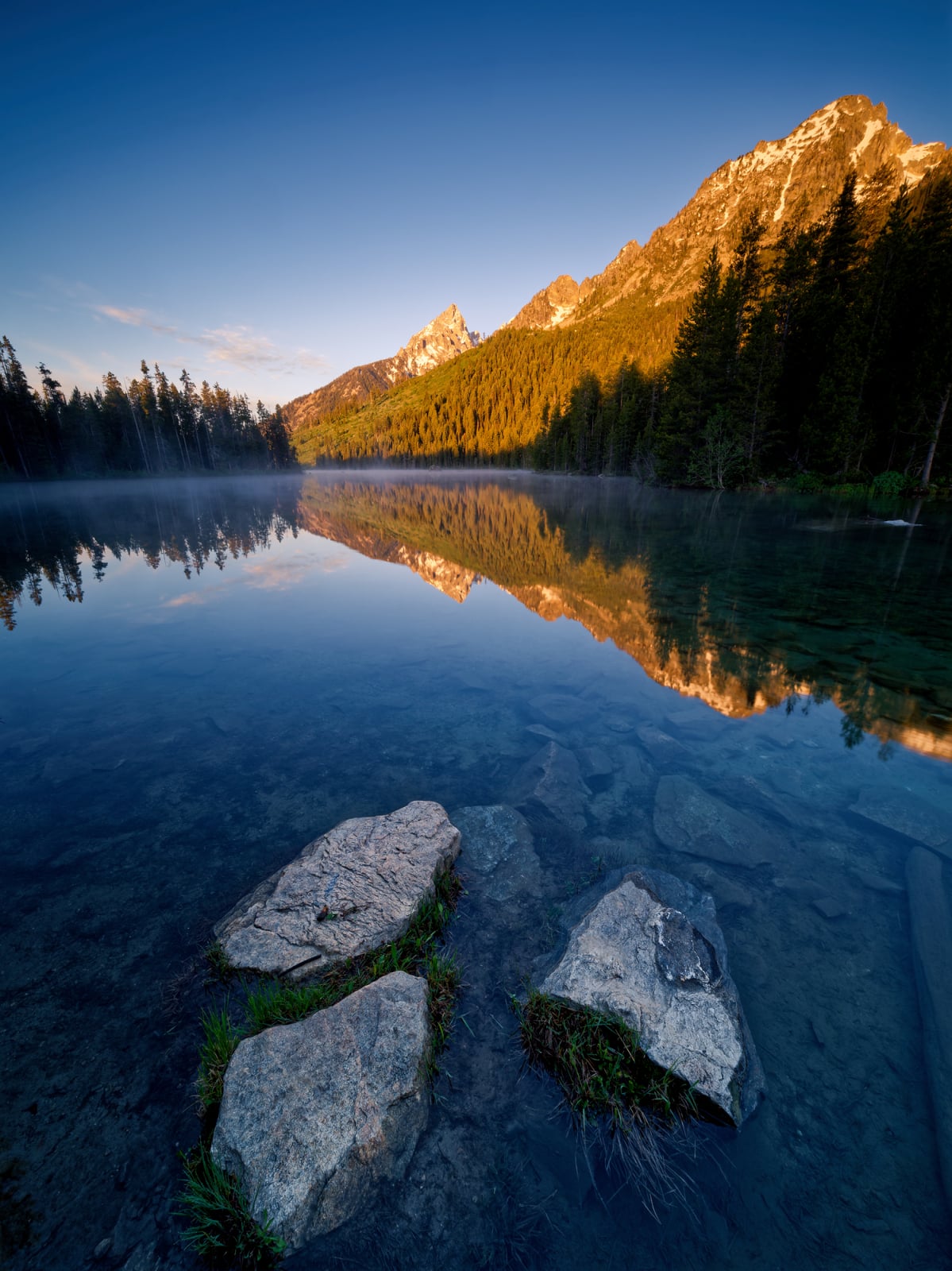
At sunrise in national parks like Grand Teton or Capitol Reef, Suess applies this exact sequence. While other photographers fixate on a single wide composition, he captures the macro environment, pans to middle-distance elements like rising lake steam or moving wildlife, and finishes with tight telephoto isolations before the fleeting morning colors evaporate.
3. The Midday Desert: Conquering the Harsh Hours
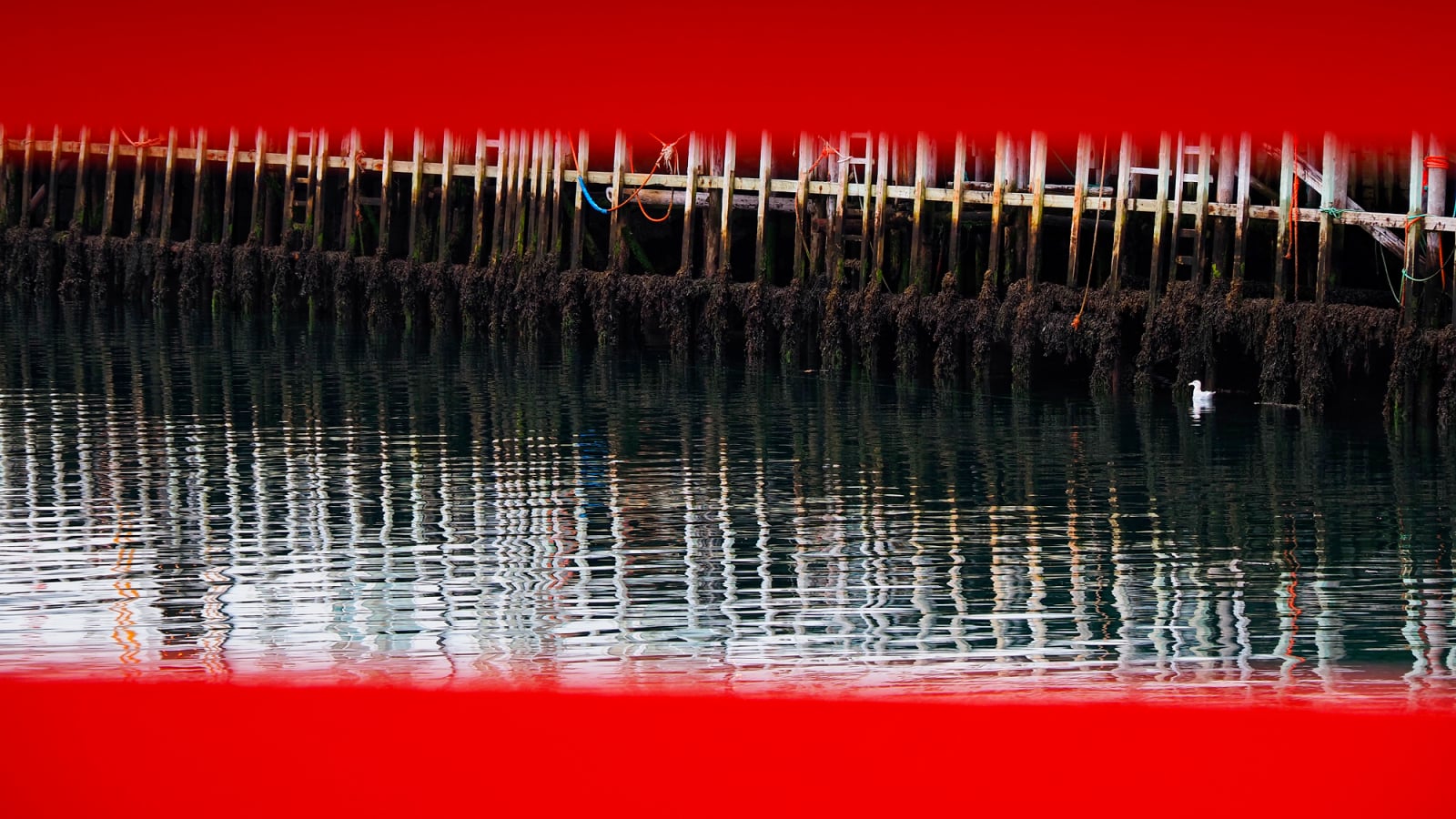
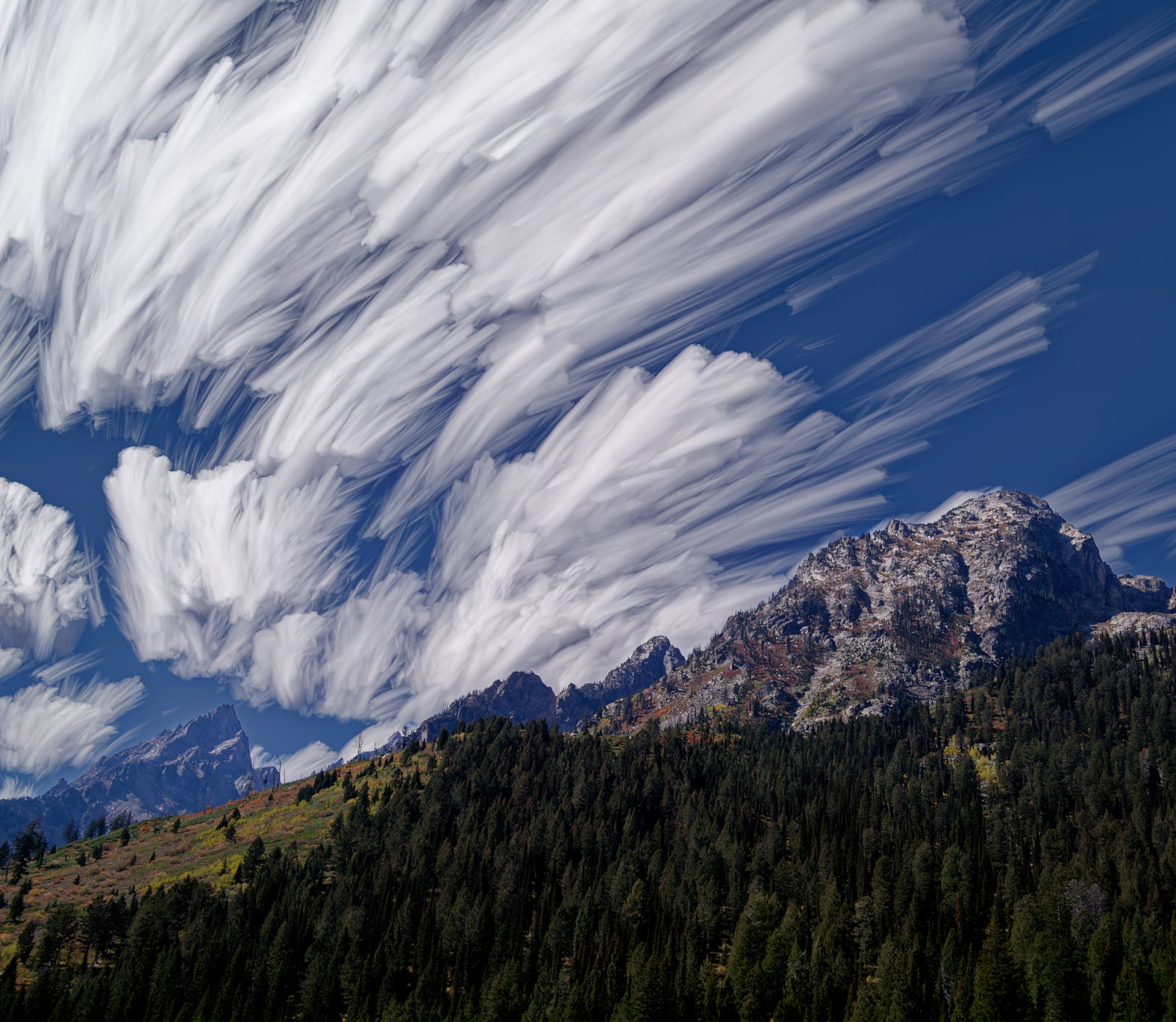
When midday arrives, most photographers retreat. Suess doubles down. By selecting days with variable weather—such as rolling storm clouds casting spotty patches of sunlight across the Grand Canyon or the Badlands—he turns the harshest hours of the day into a creative playground.
When direct sunlight threatens to flatten the landscape, Suess hunts for pockets of shade in forest canopies, photographs macro details like blooming wildflowers softened by overhead cover, or experiments with urban and industrial relics like vintage barns and grain silos.
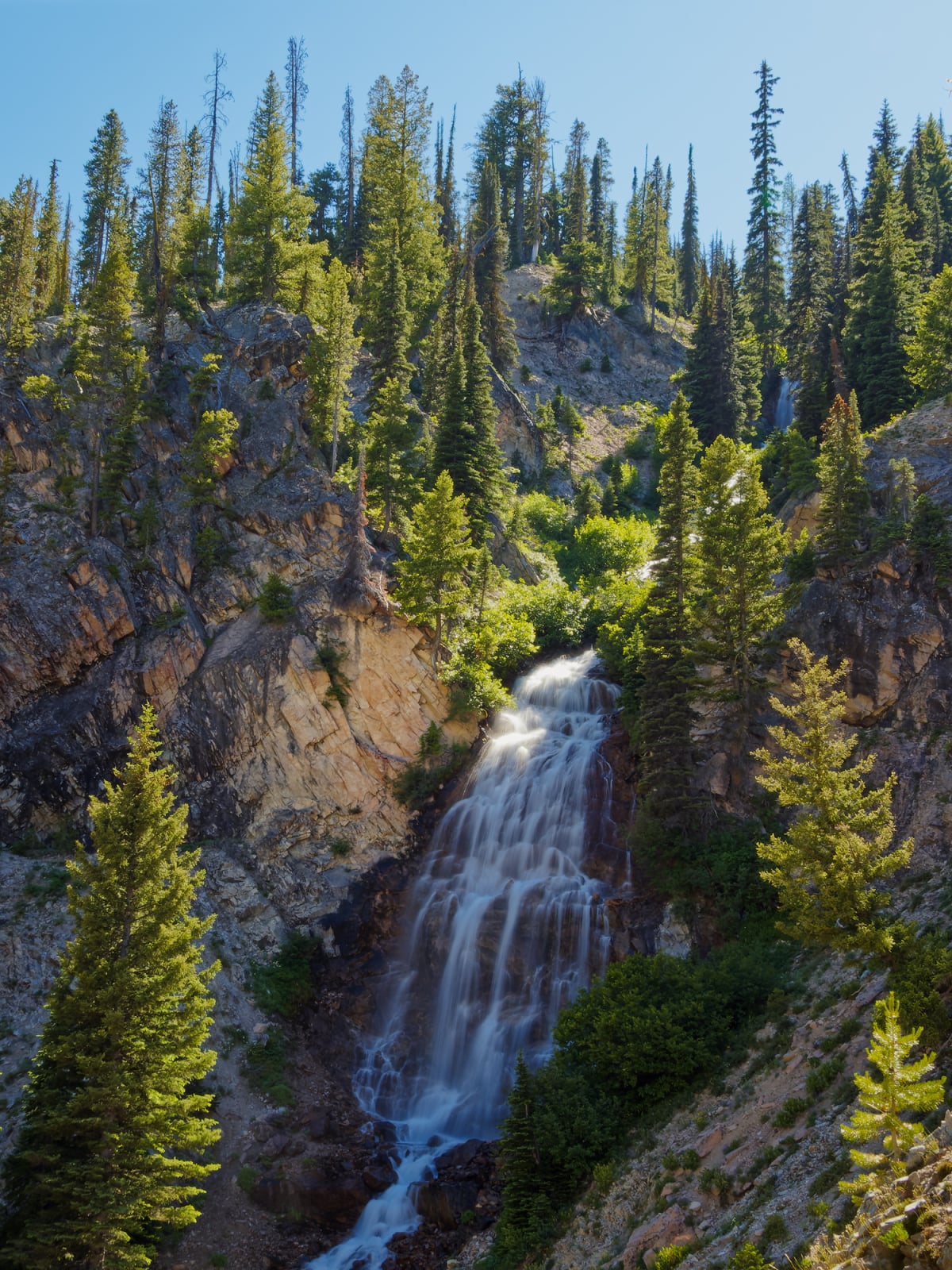
For moments when the light offers seemingly nothing to work with, Suess turns to the OM-5 Mark II’s built-in Art Filters. By shooting in RAW+JPEG, he records the original color data for safety while utilizing creative digital profiles like Pin Hole, Bleach Bypass, or Black & White modes to jump-start new compositional ideas.
4. The Reverse Day: Evening Transitions
As afternoon gives way to evening, the light progresses in reverse—moving from golden hour to sunset and finally to the evening blue hour. However, Suess notes a distinct atmospheric difference between morning and night.
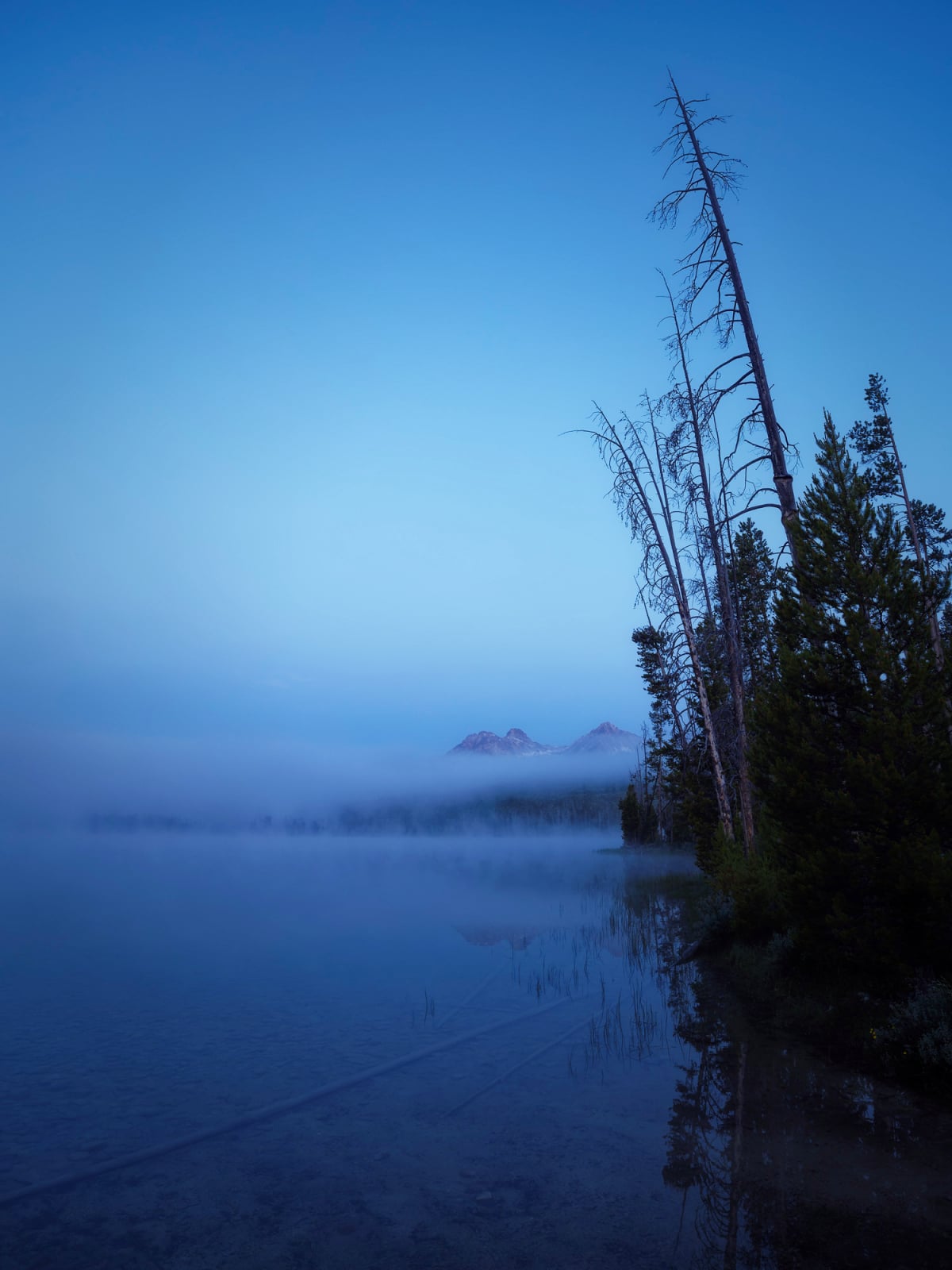
Because the ground has spent the entire day absorbing heat, evening air is often cleaner, clearer, and prone to intense, lingering color bursts up to thirty minutes after the sun has dipped below the horizon. Photographers who pack up at sunset consistently miss this window.
5. Deep Night and Astrophotography
The final phase of the day brings total darkness. Whether capturing moonlit landscapes that trick the human eye into questioning whether a photo was taken day or night, or utilizing the camera’s Live Composite mode to track star trails without overexposing the static foreground, Suess treats the night not as an end, but as a fresh canvas.
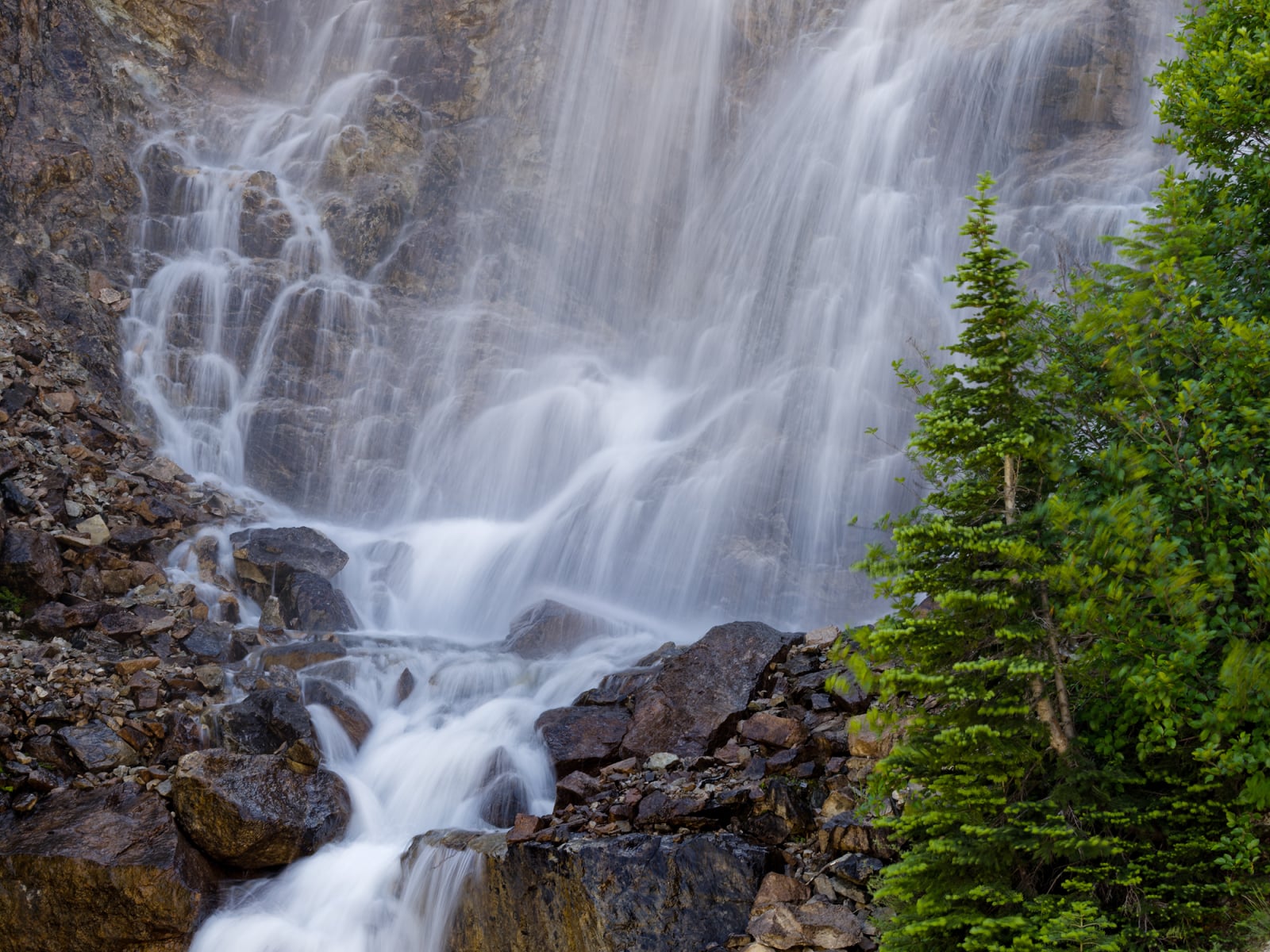
Using specialized tools like the M.Zuiko 7-14mm F2.8 PRO for astrophotography or light-painting historic structures with colored gels, he milks every last drop of potential from the landscape before physical fatigue signals the end of the shift.
Supporting Data: Equipment and Technical Breakdown
Matt Suess’s minimalist gear strategy is designed to prioritize physical endurance, safety, and operational flexibility in remote environments.
| Equipment / Feature | Purpose / Application |
|---|---|
| OM SYSTEM OM-5 Mark II | Weather-sealed micro four-thirds mirrorless camera body designed to withstand severe environmental swings from day to night. |
| M.Zuiko Digital ED 12-100mm F4.0 IS PRO | Primary all-in-one zoom lens. Offers wide-angle coverage, telephoto reach, and macro capabilities, eliminating the need to carry multiple lenses. |
| M.Zuiko Digital ED 7-14mm F2.8 PRO | Secondary low-light lens utilized specifically for astrophotography due to its wide field of view and fast f/2.8 aperture. |
| Live Composite Mode | Computational camera feature that records a base exposure and layers in only newly introduced light sources (e.g., star trails, lightning, headlights) without blowing out the highlights. |
| High Res Shot Mode | Multi-exposure blending mode used exclusively for static landscapes to produce ultra-high-resolution files suitable for massive prints. |
| Live ND Mode | Built-in neutral density simulation that allows photographers to slow down shutter speeds for silky waterfalls without screwing physical glass filters onto the lens. |
Official Responses and Industry Context
The commercial partnership between Matt Suess and OM SYSTEM underscores a broader shift in the digital photography market toward lightweight, weather-resistant travel systems. Traditional full-frame setups, while powerful, often impose a heavy physical tax on landscape photographers who must haul bulky tripods and multiple heavy prime lenses over miles of uneven terrain.
Industry analysts note that computational photography features—pioneered heavily by brands like OM SYSTEM—are gradually changing how professionals approach challenging field conditions. By relying on robust in-body image stabilization (offering up to 6.5 stops of compensation on the OM-5 Mark II), photographers can successfully ditch their tripods during long, grueling hikes, trading dead weight for essential survival gear, food, and warm clothing.
"Safety is always the first thing I think about before I head into nature," Suess emphasizes, noting that his pack consistently includes a satellite communicator, bear spray, extra layers, and power banks. "I would rather carry extra clothing and safety gear than another lens… Once I know I’m prepared, I can stop worrying about the pack and pay attention to the landscape."
Implications: Redefining Success in Nature Photography
The ultimate takeaway from Matt Suess’s full-day immersive challenge goes far beyond technical camera settings or promotional gear partnerships. It addresses a psychological hurdle common among modern creatives: the obsession with immediate, portfolio-ready results.
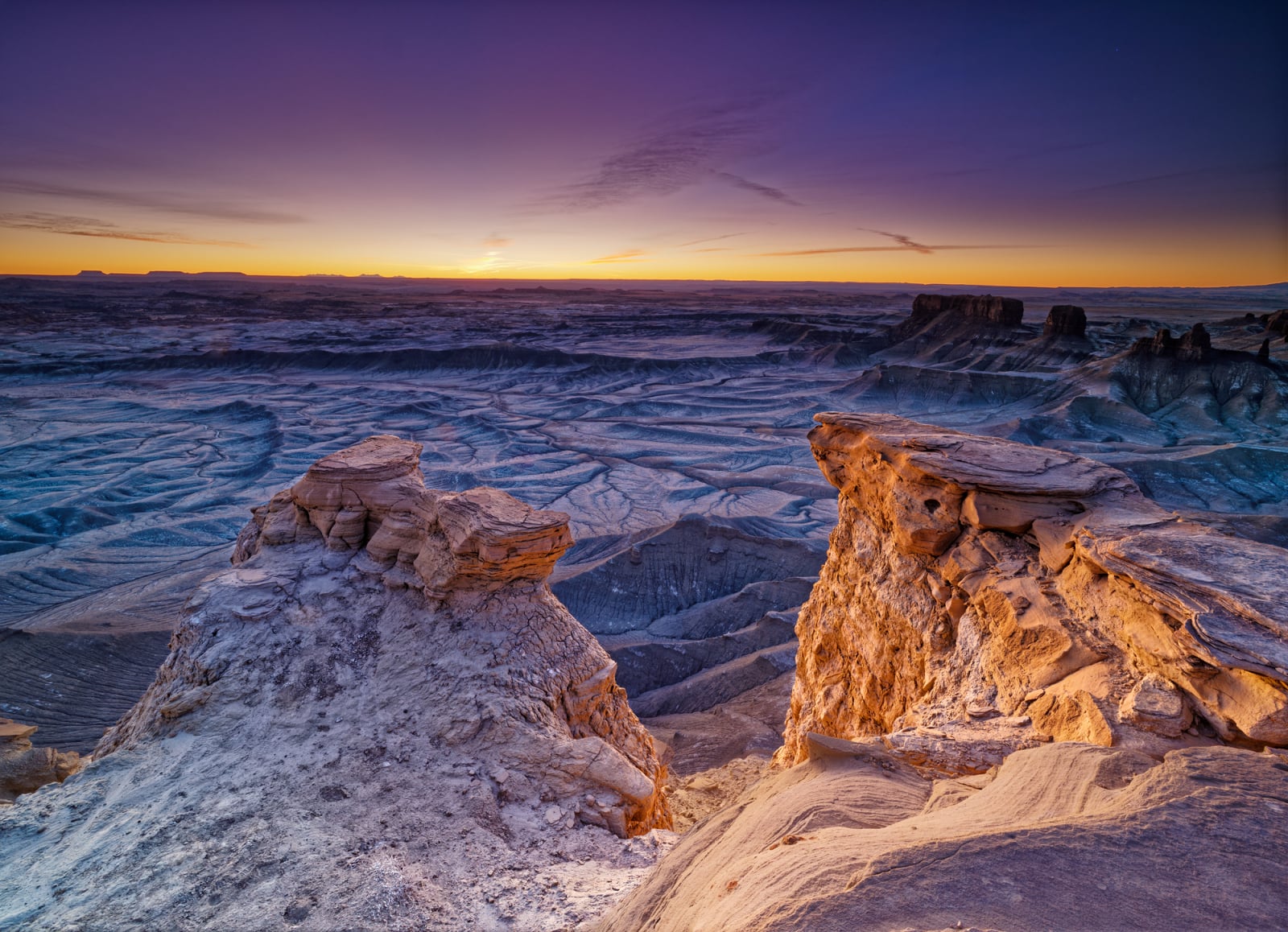
By forcing oneself to stay in a single location from dark to dark, a photographer confronts the reality of empty memory cards, flat lighting, and creative blocks. According to Suess, these moments of friction are precisely where artistic growth occurs.
"Coming home without a photograph that excites me still teaches me something," Suess reflects. "I can look back at the day and ask why I never found a portfolio image. Was there nothing there, or did I fail to see it? Was I too closed off to what the place offered?"
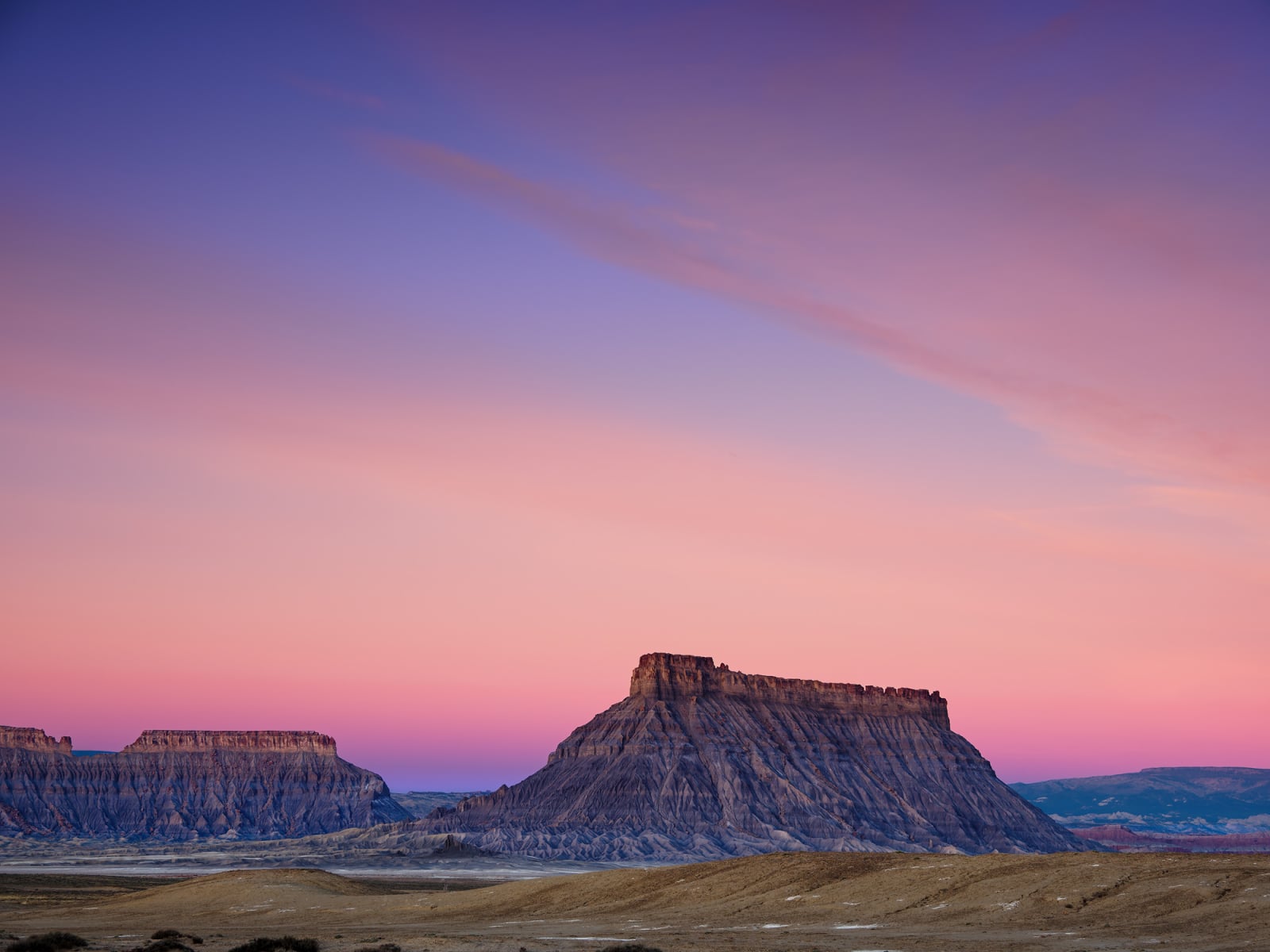
Ultimately, Suess measures the success of a photography expedition not by algorithmic validation or the number of pristine frames captured, but by the deepening relationship between the artist and the natural world. In an era dominated by rapid scrolling and instant gratification, the simple act of slowing down, braving the midday doldrums, and outstaying the crowds remains the most radical tool a photographer can possess.
Related posts: