The Shifting Sands of Consumer Trust: Why Brand Loyalty is Harder to Win and Keep in the Digital Age

In the contemporary commercial landscape, brand loyalty has transitioned from a predictable baseline into an elusive moving target. While earning a consumer’s allegiance has historically presented challenges, digital evolution and shifting socio-technological trends have made customer loyalty remarkably fragile. Today’s consumers discover, evaluate, and discard brands across fragmented digital ecosystems—ranging from decentralized social networks and creator-led communities to private messaging apps—largely outside corporate control.
This environment demands a complete overhaul of how enterprises view brand health. Traditional metrics like sales data, annual surveys, and quarterly reports, while historically reliable, are increasingly rendered obsolete by the velocity of modern consumer sentiment. By the time historical data is analyzed and processed by corporate teams, consumer perceptions may have already shifted, leaving brand equity vulnerable to sudden churn.
Main Facts: The New Anatomy of Consumer Allegiance
At the heart of the modern brand loyalty crisis is a profound paradox: businesses are drowning in data, yet starving for timely, actionable insights. Consumers interact with brands through heavily distributed channels long before they ever set foot on a corporate website. A prospective buyer might encounter a product recommendation via a TikTok video, scrutinize mixed consumer sentiment on Reddit, and watch a critical review on YouTube within a span of minutes.
To navigate this landscape, modern organizations must clearly distinguish between the psychological and behavioral pillars of consumer connection:
- Brand Loyalty: A customer’s ongoing preference for one enterprise over competitors, anchored in trust and emotional resonance rather than mere convenience or habit.
- Brand Affinity: The emotional connection customers feel based on shared values, identity, or mutual experiences.
- Customer Loyalty: Repeat purchasing behavior driven by transactional factors, such as service reliability, rewards programs, or logistical convenience.
- Brand Awareness: The baseline level of consumer familiarity and recognition regarding a brand’s name, logo, or product suite.
Think of brand loyalty as a modern digital friendship. A single positive interaction rarely cements a permanent bond; rather, trust accumulates through consistent, reliable micro-experiences that demonstrate a brand understands what matters to its audience. Conversely, repeated missteps slowly erode that foundation over time.

Chronology and Evolution: From Static Surveys to Real-Time Intelligence
The methods by which enterprises track and respond to consumer sentiment have undergone a dramatic transformation over the past decade.
- Pre-Digital Era: Brand tracking relied heavily on lagging indicators—focus groups, quarterly sales reports, and annual customer satisfaction surveys. Responses were gathered weeks after an interaction occurred, allowing brands ample time to formulate static, long-term corrective campaigns.
- The Social Media Boom (2010s): Brands established direct communication channels via Facebook, X (formerly Twitter), and Instagram. However, social media monitoring was largely reactive, treated as a customer service ticketing system rather than a predictive intelligence engine.
- The AI and Creator Era (Mid-2020s): The proliferation of generative artificial intelligence, decentralized media, and misinformation has drastically accelerated the lifecycle of consumer trends. Customer sentiment now shifts within hours, not months. Enterprises are forced to adopt real-time social intelligence and predictive media monitoring to capture micro-trends before they materialize into enterprise-level crises or lost revenue.
Supporting Data: The Trust Deficit and Insight Gaps
Recent industry data underscores the acute vulnerability of modern brand relationships. According to Sprout Social’s Q1 2026 Pulse Survey, 35% of social media users report that their overall trust in online content has decreased over the past year.
The driving forces behind this widespread skepticism are technological and structural:
- 30% of respondents cite the rise of online misinformation as their primary reason for distrust.
- 20% point directly to the proliferation of unregulated, AI-generated content.
- 88% of consumers agree that modern AI video tools have significantly reduced their trust in news and media encountered on social channels.
This skepticism extends directly to corporate interactions. An overly polished digital advertisement or an insincere corporate statement is instantly scrutinized by consumers primed to suspect artificial manipulation.
Furthermore, enterprises struggle internally to operationalize customer feedback. Sprout Social’s Social Intelligence Report reveals that 86% of professionals admit to missing major business opportunities over the past two years due to consumer insights being delayed, siloed, or underutilized. Specifically:
- 33% cite reacting too slowly to critical market shifts as their most frequent missed opportunity.
- Only 10% of modern organizations possess the infrastructural agility to act on a social insight within a matter of hours.
- According to a Q4 2025 Pulse Survey, 55% of consumers believe brands do a commendable job listening, but fail to act on what they hear, with only 31% stating that enterprises excel at both listening and executing.
Official Perspectives and Industry Responses
Industry leaders and corporate strategists are actively redesigning operational frameworks to bridge the gap between listening and acting. Rather than treating social media channels as mere broadcast networks, forward-thinking brands are integrating real-time intelligence into core business decisions.
1. Expanding Beyond Owned Channels
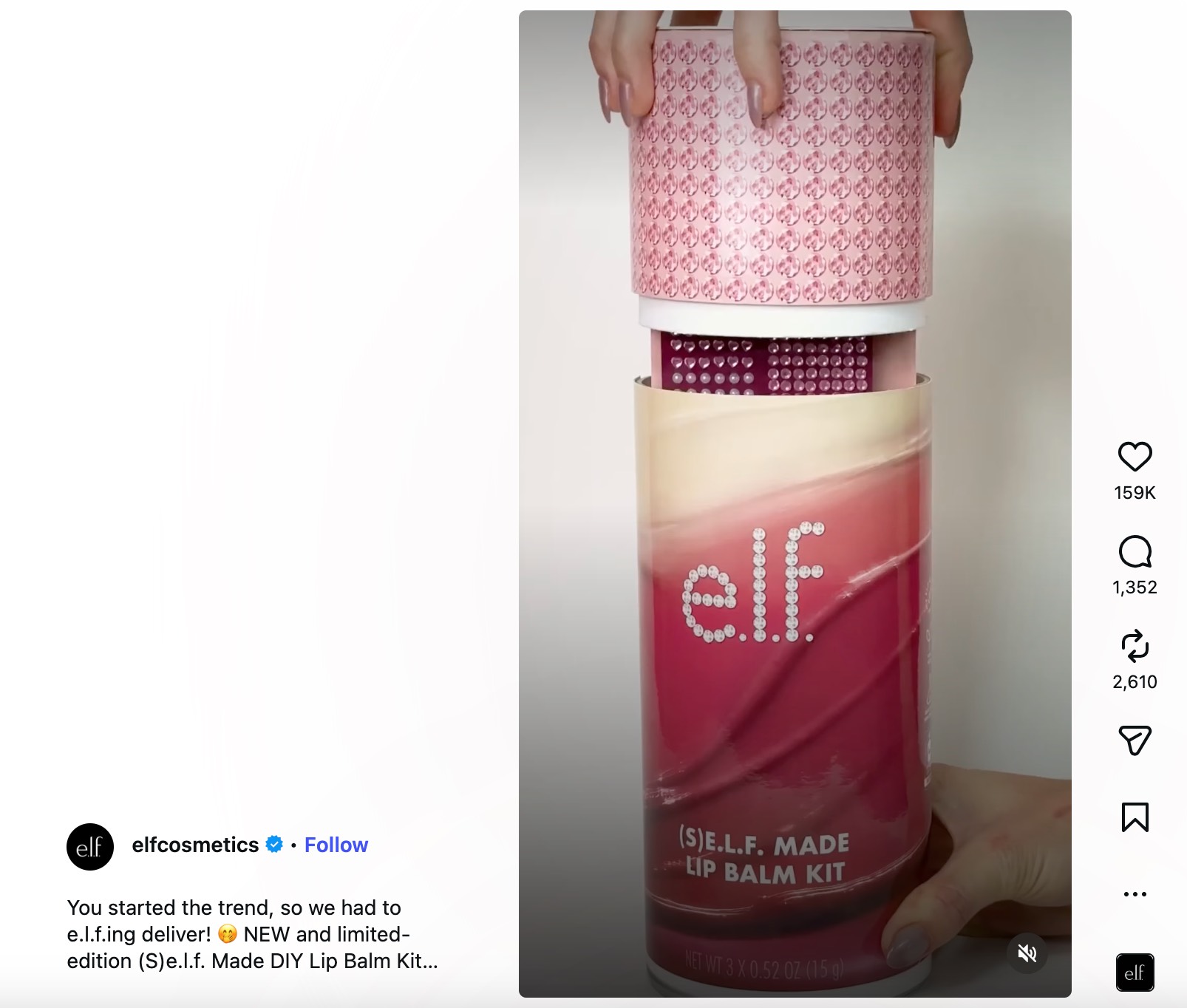
Forward-thinking enterprises are abandoning insular listening strategies. Instead of monitoring only tagged mentions and direct post comments, brands are deploying sophisticated social listening and media intelligence tools to track unprompted conversations across Reddit threads, independent creator spaces, and niche digital communities. For instance, e.g.l.f. Cosmetics famously identified an emerging DIY lip gloss trend on social media and rapidly translated that organic consumer behavior into a limited-edition product offering, bypassing traditional, protracted R&D pipelines.
2. Operationalizing Unprompted Feedback
Transforming everyday public chatter into structural business changes requires cross-departmental alignment. Oatly utilized social intelligence to guide the development of its Matcha Latte product line, capturing consumer demand signals across X, Reddit, and Instagram before sharing these insights directly with innovation and R&D teams to validate product-market fit.
3. Demonstrating Public Accountability
Brands are learning that listening builds zero trust if consumers cannot see tangible results. When recurring complaints lead to operational or product fixes, transparency is paramount. Burger King’s “There’s a New King and It’s You” campaign effectively acknowledged historical gaps between brand promises and actual customer experiences, utilizing real consumer commentary as proof points to demonstrate accountability.
4. Redefining Customer Care
With social media firmly established as a primary customer service channel, public interactions carry immense weight. Integrating social care inboxes with enterprise software like Salesforce allows customer service representatives to access comprehensive consumer histories instantly, delivering personalized support without forcing clients to navigate disjointed support systems.

5. Elevating Micro-Influencer and Employee Advocacy
Trust in mega-influencers has declined as audiences increasingly favor authenticity. Sprout Social’s 2026 Influencer Marketing Report highlights that 57% of consumers trust everyday users for product recommendations, compared to just 9% who place their trust in mega-influencers. Consequently, brands are leaning into micro-influencers and employee-generated content—leveraging internal voices to provide an unfiltered, humanized view of enterprise culture and product utility.
Implications for the Future of Brand Health
As the line between digital discourse and commercial reality continues to blur, brand loyalty can no longer be treated as a static marketing Key Performance Indicator (KPI). Instead, it must be recognized as a continuous, dynamic barometer of enterprise health.
Organizations that successfully retain loyalty in the face of generative AI and consumer skepticism will be those that master three core disciplines:
- Speed of Insight: Eliminating internal data silos to ensure real-time social intelligence reaches product, marketing, and executive teams within hours, not quarters.
- Radical Transparency: Proactively disclosing the use of artificial intelligence, acknowledging service missteps publicly, and closing the feedback loop so consumers witness the direct impact of their input.
- Behavioral-Attitudinal Synthesis: Combining historical lagging indicators (repeat purchase rates, retention analytics) with real-time leading indicators (sentiment analysis, predictive media intelligence) to anticipate customer churn before it impacts the balance sheet.
Ultimately, brand loyalty is a continuous journey rather than a permanent corporate destination. Enterprises that maintain active dialogue with their audiences long after the initial transaction—and allow those insights to reshape their operational foundation—will secure enduring trust in an increasingly skeptical world.
Related posts: