
The TikTok Economy in Australia: Growth, Policy Shifts, and Marketing Evolution

TikTok has firmly entrenched itself as a cornerstone of the Australian digital ecosystem. Far from its early days as a purely recreational app for dance challenges and lip-sync videos, the short-form video platform has evolved into an information search engine, a cultural barometer, and an indispensable engine for commerce.
According to the latest data, the platform’s footprint in Australia is both deep and expanding, influencing how citizens consume news, plan travel, manage finances, and purchase retail goods. However, navigating this dynamic landscape requires more than just creative content. Brands and marketers must now align their strategies with recent regulatory overhauls—most notably Australia’s landmark social media age restrictions—and data-driven audience insights.
Main Facts: TikTok’s Footprint in Modern Australia
The numbers paint a vivid picture of TikTok’s dominance in the Australian market. As of late 2025, DataReportal’s Digital 2026 Australia report indicates that 10.9 million Australians aged 18 and over actively use the application.

This user base represents a massive, highly engaged demographic. Data from The 2025 Sprout Social Index reveals that 39% of Australian social media users turn to TikTok specifically to keep up with trends across diverse subjects, ranging from finance and technology to fashion and travel.
For commercial enterprises, this level of user engagement transcends passive entertainment. TikTok has fundamentally altered consumer behavior:
- Product Discovery: Users increasingly bypass traditional search engines in favor of TikTok’s visual, recommendation-driven feed to discover new brands and products.
- Decision Making: From booking international holidays to selecting financial services, consumers look to peer reviews, creator-led videos, and brand channels to guide high-stakes purchasing decisions.
- Community Connection: Brands that successfully transition from traditional advertising to community-building on the app see direct bottom-line results, turning casual scrollers into loyal customers.
Chronology: From Entertainment Feed to Economic Powerhouse
To understand where TikTok stands today, it is essential to trace its rapid evolution within the Australian market:
- The Early Phase (2019–2021): TikTok gained widespread traction in Australia primarily as a Gen Z-dominated entertainment network. Brands viewed it experimentally, often recycling content from Instagram and Facebook.
- The Commercial Pivot (2022–2024): Small businesses and creators began demonstrating the app’s hyper-growth potential. Viral success stories—such as Brisbane-based Brooki Bakehouse launching in 2022 and scaling to global renown via behind-the-scenes content—proved that organic TikTok storytelling could drive international sales, secure physical pop-ups, and land book deals.
- The Regulatory Turning Point (December 10, 2025): The Australian Federal Government enacted the Online Safety Amendment (Social Media Minimum Age) Bill 2024. This legislation mandated that platforms take reasonable steps to prevent children under 16 from maintaining accounts. TikTok complied swiftly, deactivating over 200,000 accounts on the day the law took effect.
- The Adult-First Era (2026 and Beyond): With users under 16 barred from the platform, TikTok’s Australian audience shifted to skew more heavily toward adults aged 18 and older, prompting a strategic realignment among corporate marketers and advertisers.
Supporting Data: Sector-by-Sector Impact
TikTok’s influence is not uniform across all industries; rather, it acts as a massive accelerator for specific niches that thrive on visual, educational, or trend-driven storytelling.
Travel and Tourism
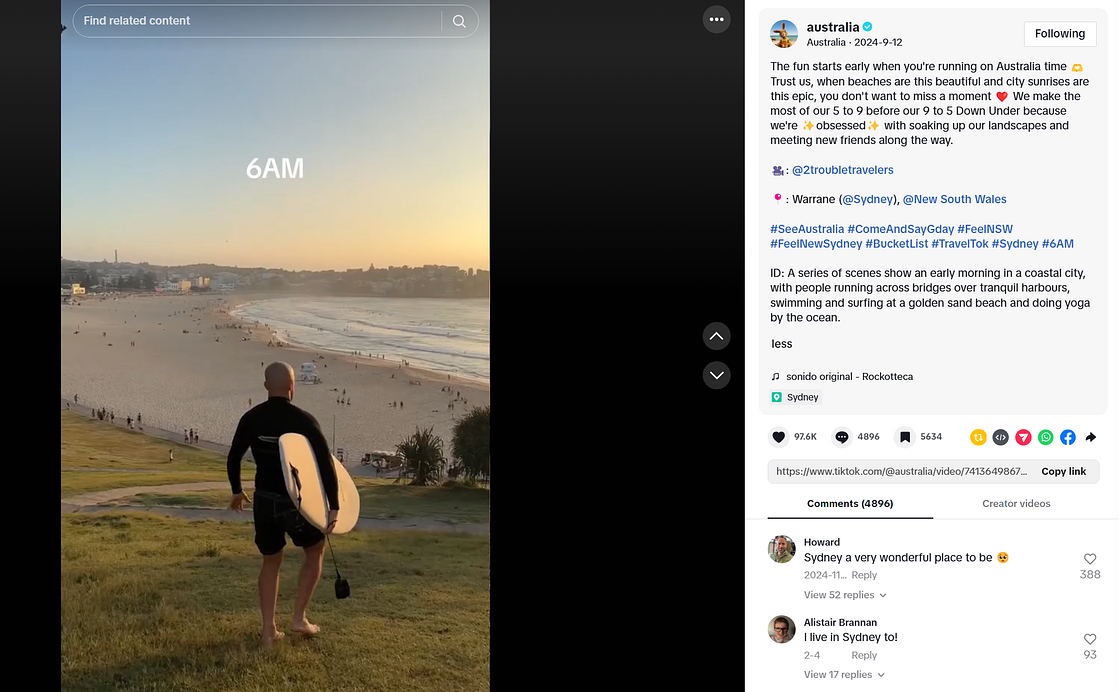
Australia’s striking natural landscapes make it a natural fit for short-form video. The official @australia TikTok account commands nearly 800,000 followers, showcasing everything from iconic landmarks like Bondi Beach to native wildlife and regional events. For the tourism sector, TikTok offers an immersive, window-shopping experience that inspires both domestic exploration and international travel.
Financial Services
Financial literacy and money management have carved out a surprisingly robust niche on the platform. Direct banks like Ubank utilize playful, trend-aware content alongside street-style interviews addressing topics like budgeting, salary transparency, and financial goal-setting to build trust with younger adult demographics.

Literature (#BookTok)
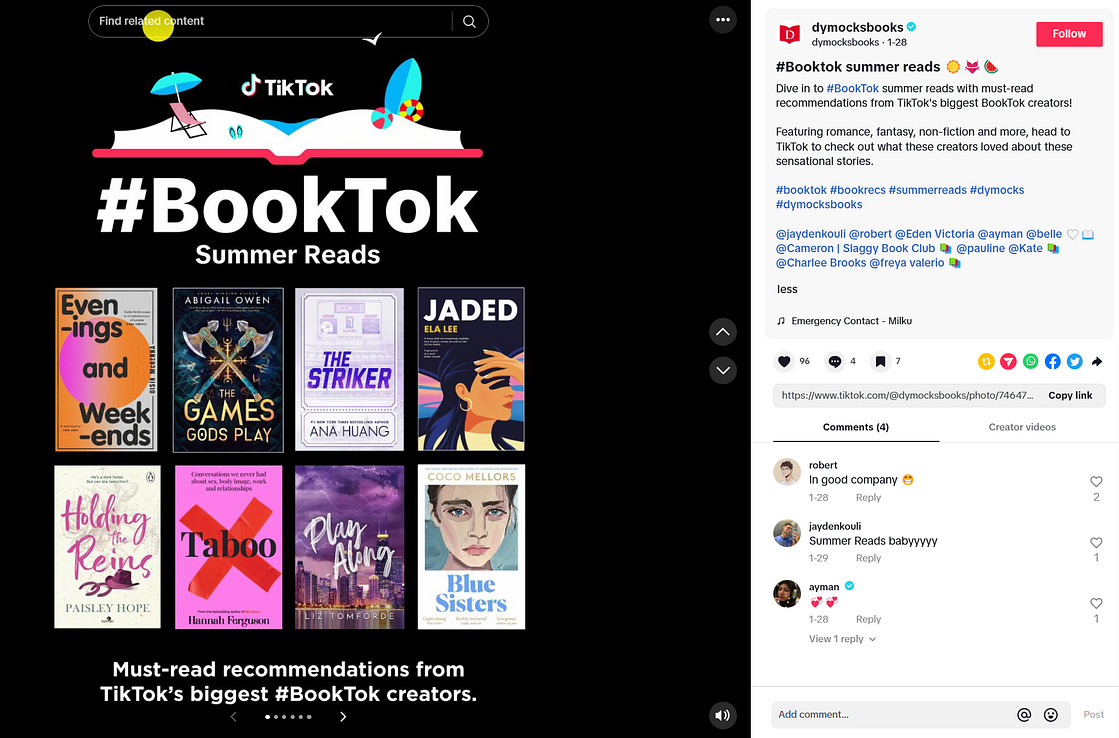
With over 36 million posts globally, the #BookTok phenomenon has revolutionized publishing. Major Australian retailers, such as Dymocks, leverage this community to highlight staff recommendations, announce new releases, and synthesize viral book trends into physical and digital retail sales.
Retail, Fashion, and Beauty
TikTok remains the ultimate trendsetter for fashion and beauty. Australian-born global success stories like White Fox Boutique utilize strategic influencer partnerships and high-profile activations—such as dressing creators for Coachella—to translate digital views into international brand loyalty. Similarly, the food and beverage sector continues to mint viral sensations, proving that authenticity and behind-the-shelf transparency resonate deeply with adult buyers.
Official Responses: Navigating the Under-16 Social Media Ban
The implementation of Australia’s strict social media minimum-age legislation on December 10, 2025, sent ripples through the tech and marketing sectors. Under the Online Safety Amendment (Social Media Minimum Age) Bill 2024, platforms face regulatory penalties of up to A$49.5 million for non-compliance, as enforced by the eSafety Commissioner.
In response, TikTok systematically deactivated accounts belonging to users under 16. The Federal Minister for Communications noted that more than 200,000 underage accounts had been removed by the launch date.
While these figures initially startled some digital strategists, industry analysts and regulatory bodies have reframed the policy’s impact. Rather than shrinking the addressable market in a damaging way, the ban has streamlined TikTok’s audience profile. By removing users under 16, the platform’s user base now skews firmly and predictably toward adults aged 18 and older. This demographic alignment makes the platform’s analytics, first-party data tools, and ad-measurement metrics far more reliable for corporate marketing campaigns targeting purchasing decision-makers.
Implications for Marketers and Business Strategy
For brands operating in Australia, the data points toward a definitive conclusion: TikTok is no longer an experimental playground; it is a primary performance channel.
To capitalize on this environment, marketers must adopt several core strategies:
- Embrace an Adult-First Strategy: With the departure of under-16 users, marketing content must mature. Campaigns should focus on the financial realities, lifestyle goals, career ambitions, and consumer preferences of adults aged 18 and above.
- Leverage First-Party Data: As privacy regulations tighten and platforms mature, brands must lean into robust analytics and first-party data tools to understand their specific audience segments rather than relying on broad demographic assumptions.
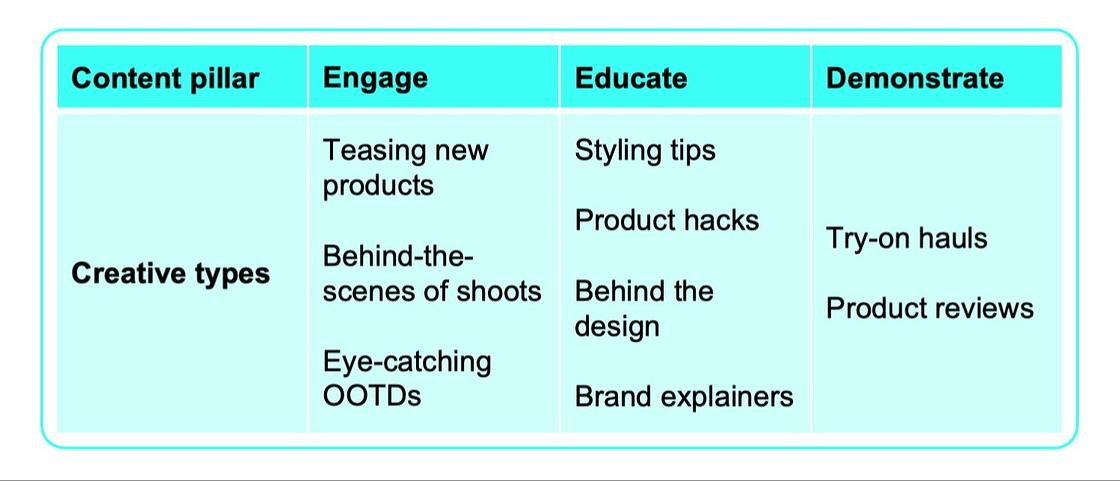
- Build Around Content Pillars: Successful TikTok strategies generally balance three core creative pillars: Engage (entertaining and trend-focused content), Educate (providing value, such as financial tips or book reviews), and Demonstrate (showing products in action, like travel destinations or fashion hauls).
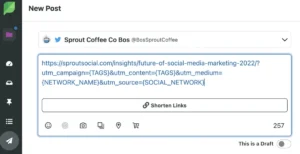
- Integrate Cross-Platform Management: Managing TikTok alongside other social channels is essential for maintaining brand consistency. Tools like Sprout Social allow organizations to schedule TikTok posts, monitor real-time performance metrics, and spot emerging local trends from a single dashboard.
Ultimately, the maturation of TikTok in Australia marks the end of wild-west experimentation and the beginning of a mature, data-led era. Brands that understand this shift, respect regulatory frameworks, and meet adult audiences where their attention already lives will successfully transform passive scrolls into measurable business growth.