The Anatomy of a Spooky Success: How Brands Can Master Halloween Social Media Strategy Through Advanced Hashtag Optimization

As the morning air turns crisp and store shelves fill with pumpkin-spice-flavored treats and plastic skeletons, a familiar cultural shift takes hold. Autumn remains a consensus fan favorite among consumers, with its crown jewel holiday, Halloween, experiencing an unprecedented surge in popularity across all age demographics. Recent statistics indicate that in the United States alone, an overwhelming 73% of the population participates in Halloween festivities in some capacity.
For modern marketing professionals and social media managers, this massive cultural moment represents a critical window of opportunity. However, executing a successful seasonal campaign requires much more than pairing cute captions with festive imagery. In the hyper-competitive digital landscape, Halloween posts live or die by their discoverability. Mastering this discoverability requires a strategic, data-driven approach to tagging, platform-specific optimization, and early execution.
Main Facts: The Evolution of Seasonal Content and Content Signals
The primary driver behind modern social media reach is no longer sheer luck or the old-school shortcut of stuffing a caption with generic keywords. Hashtagging has fundamentally evolved. Today, social media algorithms view hashtags not as shortcuts to instant viral status, but as vital content signals. Platforms use these tags to accurately categorize and distribute brand content to hyper-targeted audiences.
According to recent industry data, 93% of consumers believe it is essential for brands to actively keep up with online culture. Because social media thrives on cultural currency, failing to align with trending Halloween topics—ranging from classic horror movie icons to modern internet memes—can cause a brand’s seasonal content to vanish into the digital ether.
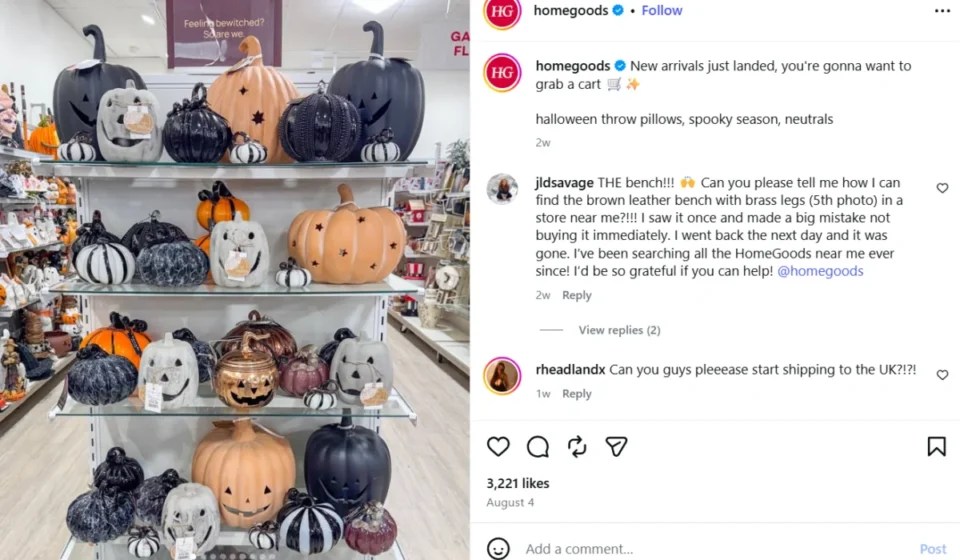
Furthermore, timing is everything. Research from recent consumer pulse surveys highlights that 44% of social media users are significantly more likely to purchase from brands that launch their fall and winter marketing campaigns early. The phenomenon known on social media as "#CodeOrange" appears earlier each year as retailers roll out autumn inventory, meaning audiences are eager to engage with spooky content well before the calendar officially flips to October.
Chronology: The Timeline of a Modern Halloween Campaign
To understand how brands successfully navigate the spooky season, it helps to examine the chronological progression of a high-performing social media campaign:
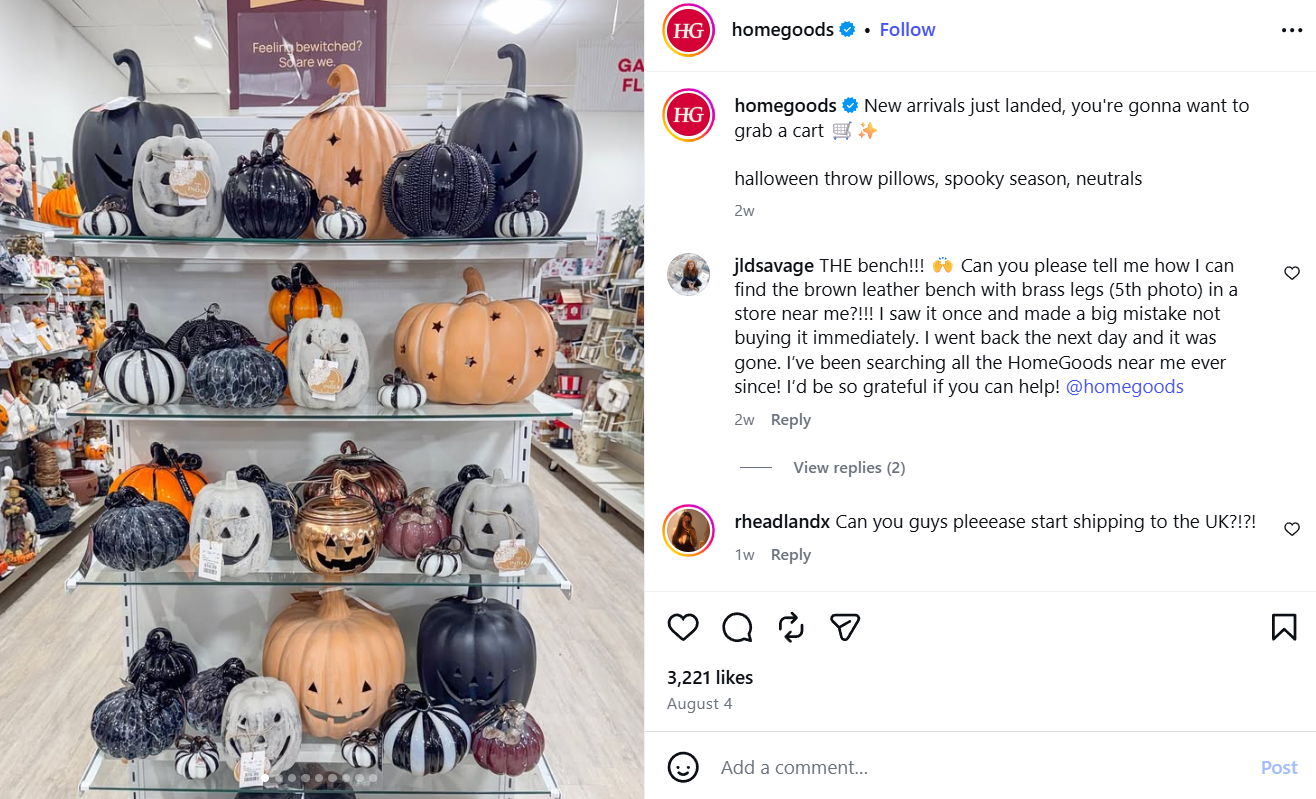
- Late Summer (August – Early September): Brands begin testing the waters with early-stage autumn content. Consumers start searching for home decor shifts and comfort-food inspiration, giving rise to early tags like
#Fallmaxxingand#Autumnmaxxing. - Early October (The Shift to #CodeOrange): Retailers and consumer brands flood feeds with full-scale Halloween inventory, costume reveals, and pumpkin spice items. Engagement spikes as users look for DIY inspiration and party planning tips.
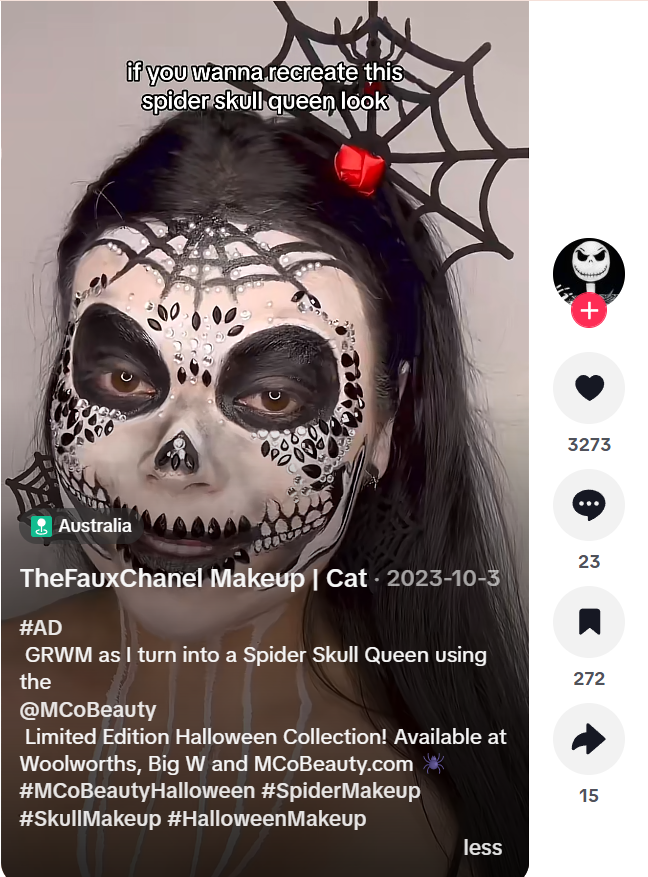
- Mid-October (Peak Cultural Moments): Campaigns leverage specific calendar milestones, such as National Horror Movie Day on October 23rd. Brands deploy spoof movie posters, interactive polls, and pop-culture-adjacent content.
- Late October (The Final Countdown): Real-time engagement takes center stage. Local businesses utilize hyper-local tags and community chambers of commerce to drive foot traffic for last-minute costume buyers and trick-or-treaters.
- Post-Halloween: Brands analyze hashtag analytics to measure performance, assessing which niche categories generated the highest conversion rates and informing future Q4 holiday strategies.
Supporting Data: By the Numbers
To quantify the impact of strategic social media planning during the autumn season, consider the following metrics:
- 73%: The percentage of people in the United States who participate in Halloween celebrations.
- 93%: The proportion of consumers who expect brands to stay current with digital culture and trends.
- 44%: The share of social media users who report being more likely to buy from brands that roll out their autumn and winter marketing campaigns early.
- 3 to 5: The optimal number of targeted hashtags recommended per post on Meta platforms like Instagram to maximize algorithmic reach without triggering spam filters.
Official Responses & Industry Insights: Tailoring Tactics by Platform
Different social media platforms treat algorithms and tagging systems uniquely. Industry experts and official platform guidelines emphasize that a one-size-fits-all approach to hashtags will inevitably stunt a brand’s reach.
Instagram and Facebook
Meta platforms continue to rely heavily on hashtags for content categorization. Official creator guidelines suggest keeping Instagram hashtags strictly within the caption—aiming for a curated selection of 3 to 5 tags—rather than burying them in the first comment. For Instagram Reels, these tags ensure video content is served directly to high-intent users. On Facebook, hashtags should be woven naturally into the post copy or placed at the very end, keeping volume low to avoid looking like spam.
TikTok
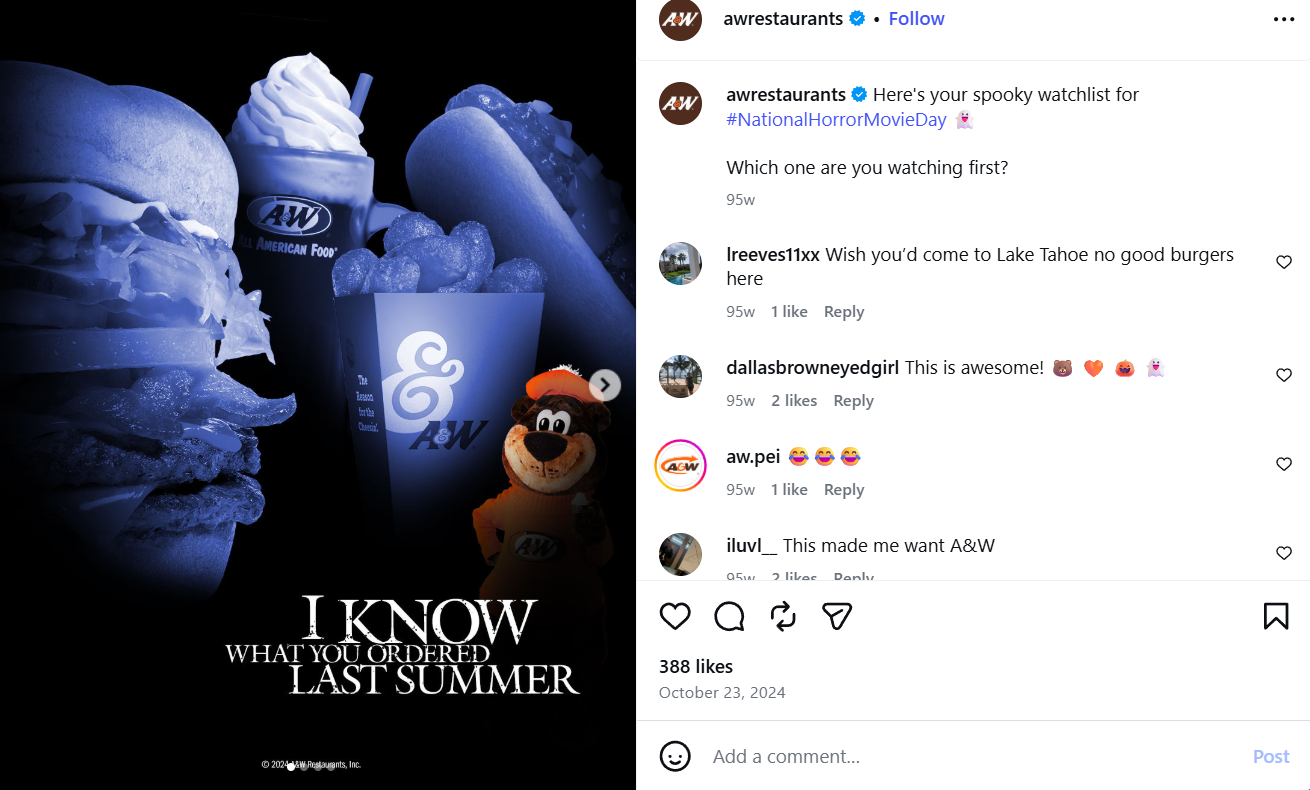
On TikTok, hashtags function primarily as contextual keywords. The platform’s audio-listening algorithms cross-reference spoken words in a video with the accompanying tags. Rather than relying on generic mega-tags, brands achieve the best results by targeting niche communities (such as #SkullMakeup or #SpiderMakeup) to connect with audiences who share specific, passionate interests.
X (formerly Twitter)
X recommends a minimalist approach. Organic post copy should generally be free of hashtags. If a brand chooses to use them, the platform advises sticking to one or two highly relevant, purposeful tags after reviewing current trending topics to ensure they align with real-time conversations.
On Pinterest, title and description keywords carry more weight than traditional hashtags, though tags can still help categorize visual search results. Because generic tags fail to drive traffic here, creators should utilize 3 to 5 specific, highly descriptive tags strictly within the pin’s description box.
Implications: Avoiding Pitfalls and Leveraging Advanced Listening Tools
As brands rush to capitalize on the multi-billion-dollar Halloween economy, the risks of poor strategy are high. Common mistakes that kill reach include using overly saturated mega-tags (such as #Halloween) exclusively, which causes smaller businesses and niche brands to get entirely lost in the noise. Furthermore, over-tagging or placing tags improperly can signal spam to platform algorithms, severely limiting content distribution.
To stay ahead of competitors, forward-thinking marketing teams are turning to advanced social listening tools—such as Sprout Listening. These platforms allow brands to monitor real-time consumer conversations, track specific hashtag performance via automated queries, and discover emerging micro-trends before they hit the mainstream.
By avoiding common strategic pitfalls, launching campaigns early, and tailoring hashtag choices to the specific behaviors of individual social networks, brands can ensure their seasonal marketing efforts yield all treats and zero tricks.