
In the high-stakes world of international design, where trends often move with the speed of a digital feed, Elliot March, co-founder of the globally recognized firm MAWD (March and White Design), advocates for a slower, more intentional approach. For March, design is not an imposition of a signature aesthetic, but a dialogue between the architect and the environment. Whether designing a superyacht or a luxury residential high-rise, his philosophy remains consistent: the most successful spaces are those that feel as if they were always meant to exist exactly where they stand.
This week, we sit down with March for our Friday Five series to explore the inspirations behind his vision and the projects that have come to define his firm’s trajectory.
A Chance Encounter and the Genesis of MAWD
The story of MAWD began not in a boardroom, but in the lecture halls of the University of Edinburgh. It was there that a young Elliot March crossed paths with James White—a meeting dictated by a shared tardiness to a shared class. That minor logistical hiccup served as the catalyst for a professional partnership that would eventually reshape the luxury interior design landscape.
“James and I were late to the same class,” March recalls. “We immediately connected over a shared curiosity about architecture and design.”
Early in their professional lives, the duo cut their teeth at larger, established practices. This period was essential, serving as an incubation phase where they refined their craft and developed a keen understanding of how interiors fundamentally shape human experience. However, the urge to cultivate a more holistic point of view grew stronger. In 2010, the pair took the leap, establishing MAWD. This transition granted them the creative autonomy to move beyond the constraints of traditional interior design, allowing them to treat every project as a unique ecosystem rather than a template.
Chronology: From British Roots to Global Reach
The evolution of MAWD has been marked by a deliberate expansion of both scale and geography. Initially established as a boutique British interior design firm, the practice has grown into a global powerhouse.
- 2010: MAWD is founded in London by Elliot March and James White, focusing on bespoke, high-end residential interiors.
- Early 2010s: The firm expands into the luxury hospitality and superyacht sectors, developing a reputation for technical precision and material innovation.
- Mid-2010s: MAWD begins its transition into the North American market, taking on large-scale urban development projects.
- The "New York Chapter": Following a collaboration with the late architect Rafael Viñoly on The Greenwich, March relocates to New York City to head the firm’s expanding US operations.
- 2020s–Present: The firm continues to push boundaries in mixed-use residential developments in cities like Tampa and West Palm Beach, cementing its role as a key player in the evolution of modern urban living.
The Philosophy of "Belonging"
When asked about his design process, March rejects the idea of "arriving with a look." Instead, he favors a process of immersion. "I’d rather let the architecture, location, light, materials, and daily life of a space lead us somewhere," he explains.
This methodology relies on a "site-first" approach. By prioritizing the specific context of a location—be it the industrial grit of Miami’s Wynwood or the serene, sun-drenched landscapes of Paso Robles—March ensures that his interiors avoid the trap of being "placeless." When the light, the materials, and the surrounding environment harmonize, he argues, the result is a space that feels inherently "right."
Five Sources of Inspiration: Where the Vision Takes Root
To understand the mind of Elliot March, one must look at the landscapes that inform his design vocabulary. His five inspirations reflect a deep appreciation for the tension between raw nature and human-made environments.
1. The Dynamic Contrast of Wynwood, Miami
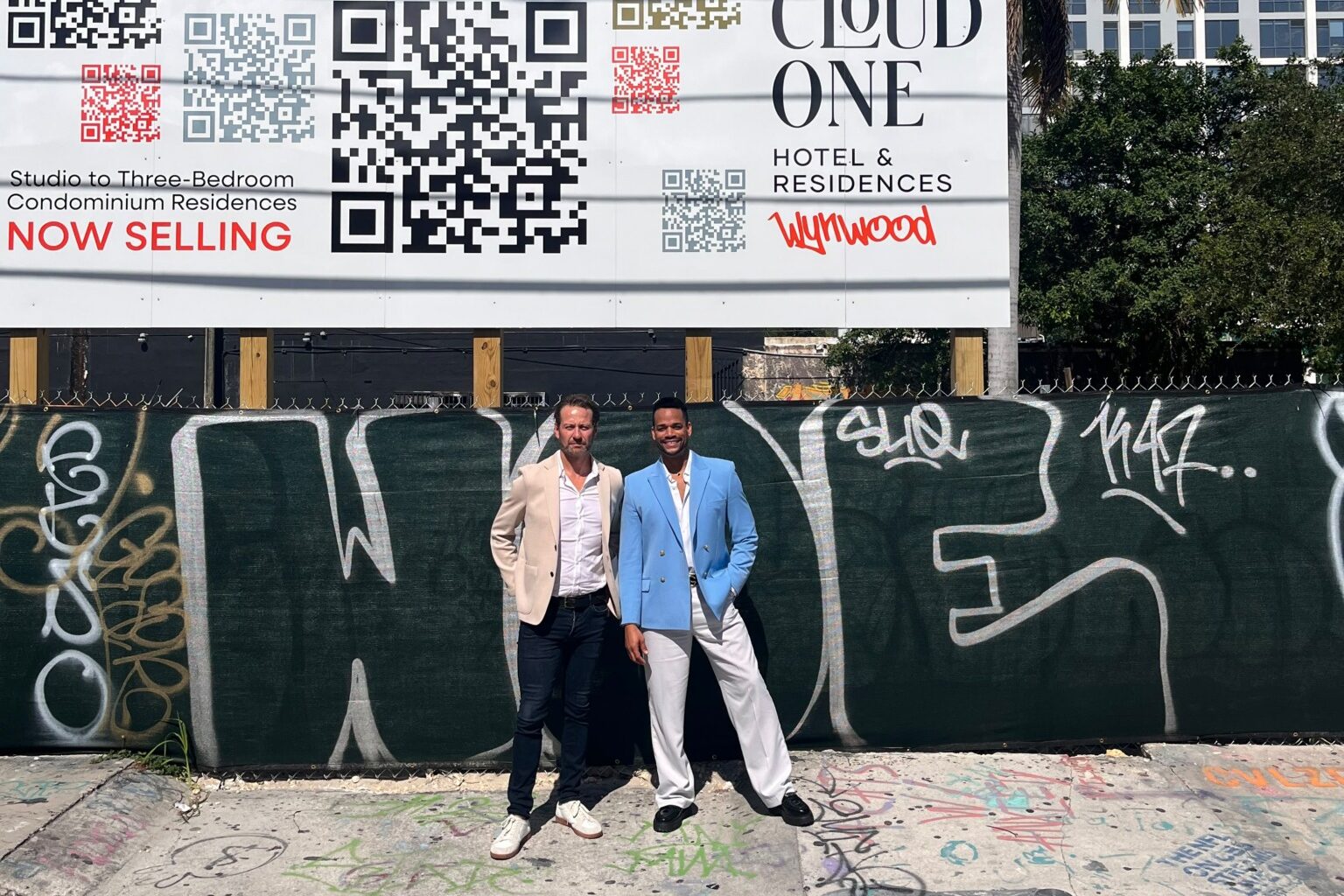
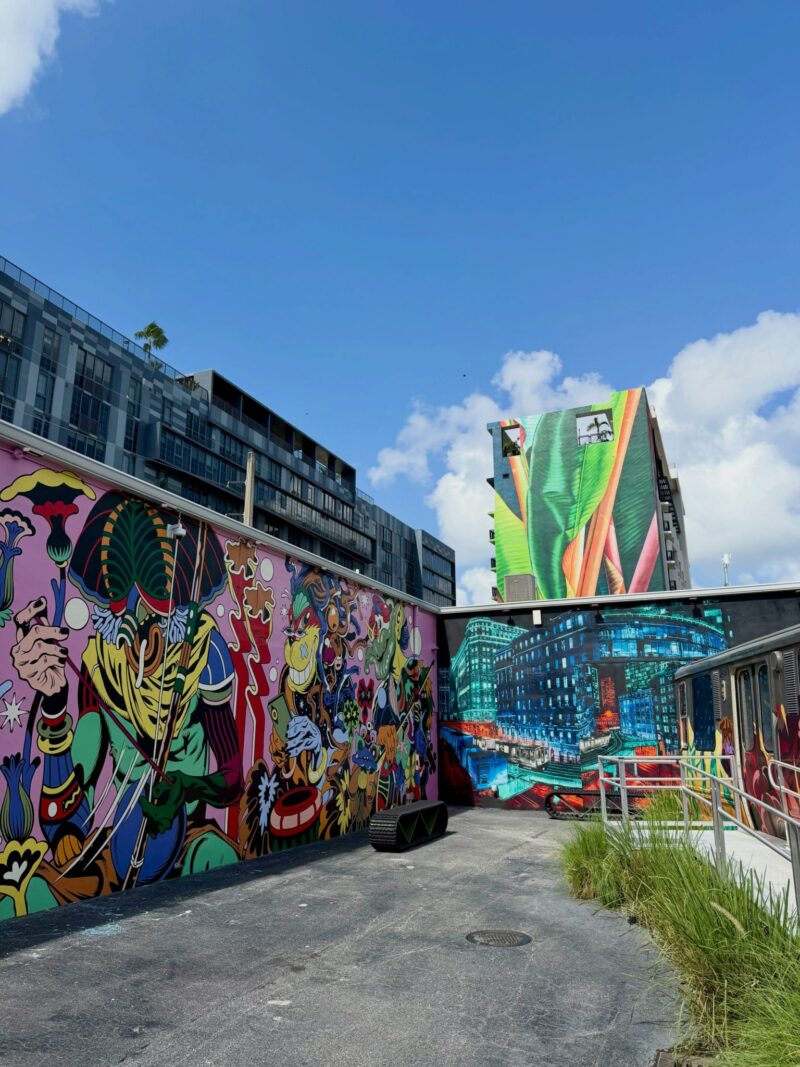
Having spent considerable time in Miami while working on The Cloud One Hotel & Residences, March cites the Wynwood neighborhood as a primary influence. He is particularly fascinated by the friction between the area’s industrial, warehouse-heavy past and the explosive, colorful energy of its street art. This "tension between raw materials and expression" has become a recurring theme in his work, prompting him to ask how a building can feel native to its surroundings rather than an intruder.
2. The Quiet Architecture of Paso Robles
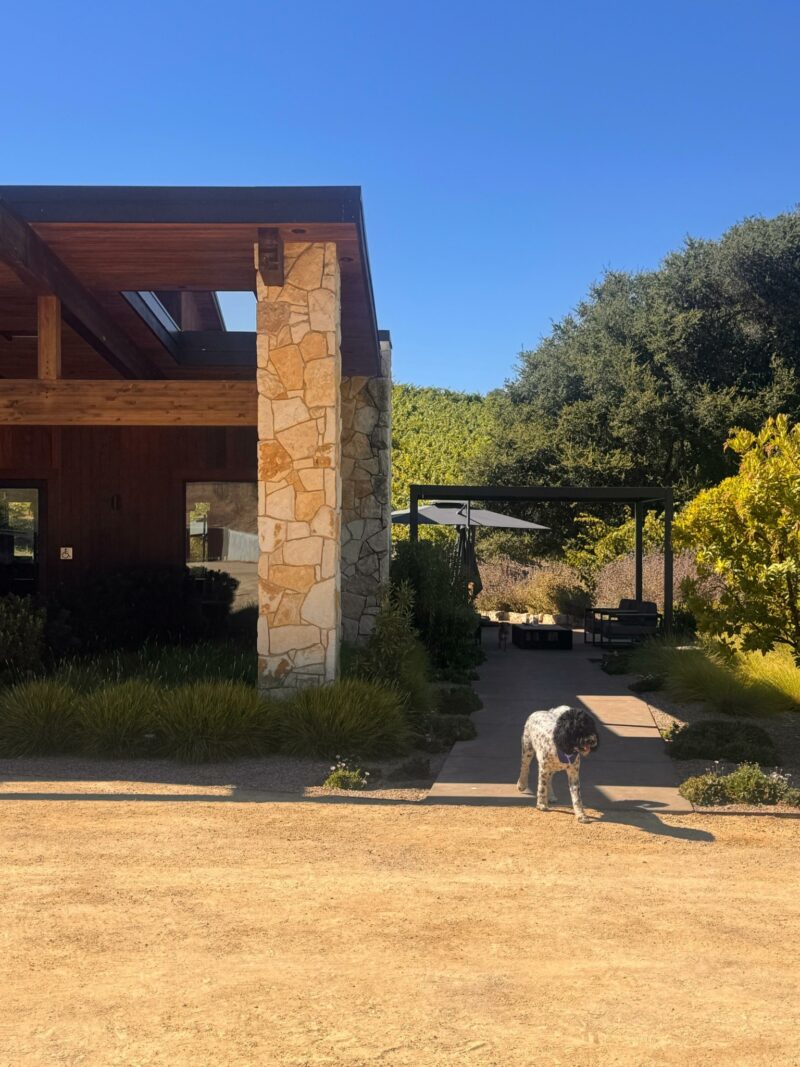
In the wineries of California’s Central Coast, March finds a different kind of lesson: silence. He admires how these structures utilize local stone, timber, and concrete to frame, rather than compete with, the landscape. It is a masterclass in restraint, where the architecture feels "grounded and tactile."
3. The Desert Rhythms of Yucca Valley
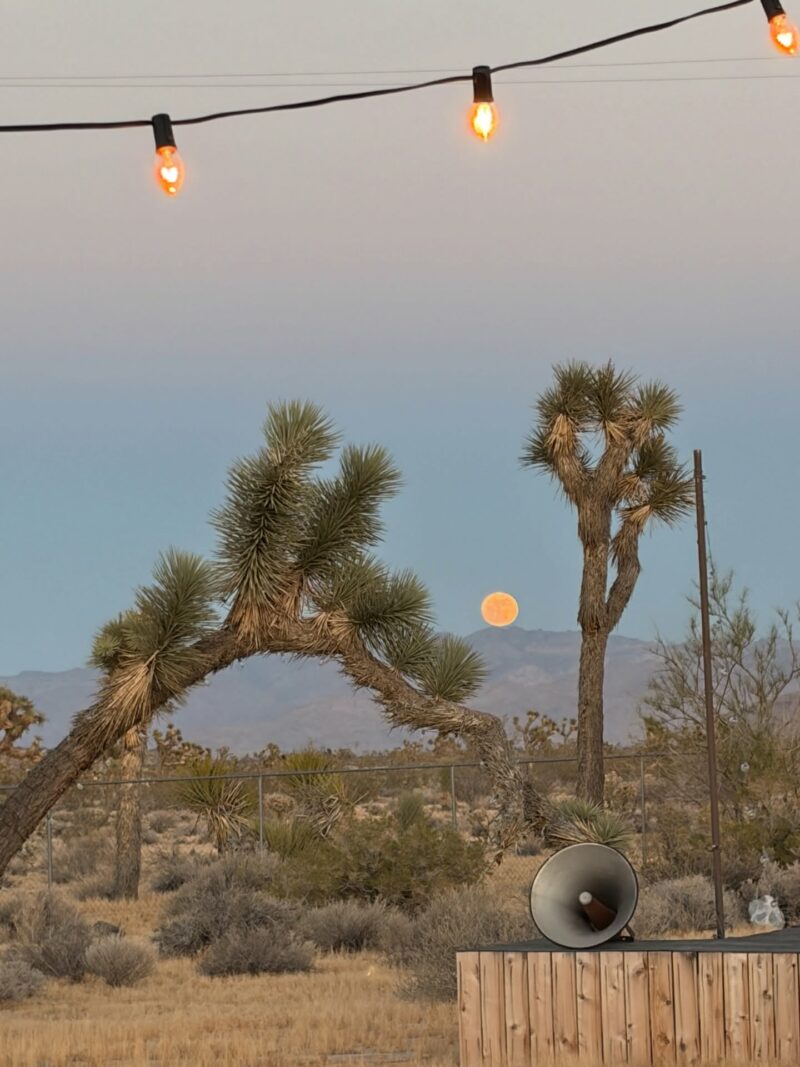
March often turns to the Yucca Valley for clarity. Cycling through the high desert at sunset, he observes the rapid shifts in light and shadow. "The colors get warmer, the shadows stretch out, and suddenly things you’ve passed a hundred times look completely different," he notes. It is a reminder to slow down—a core tenet he brings back to the design studio.
4. The Organic History of Parte Vieja, San Sebastián
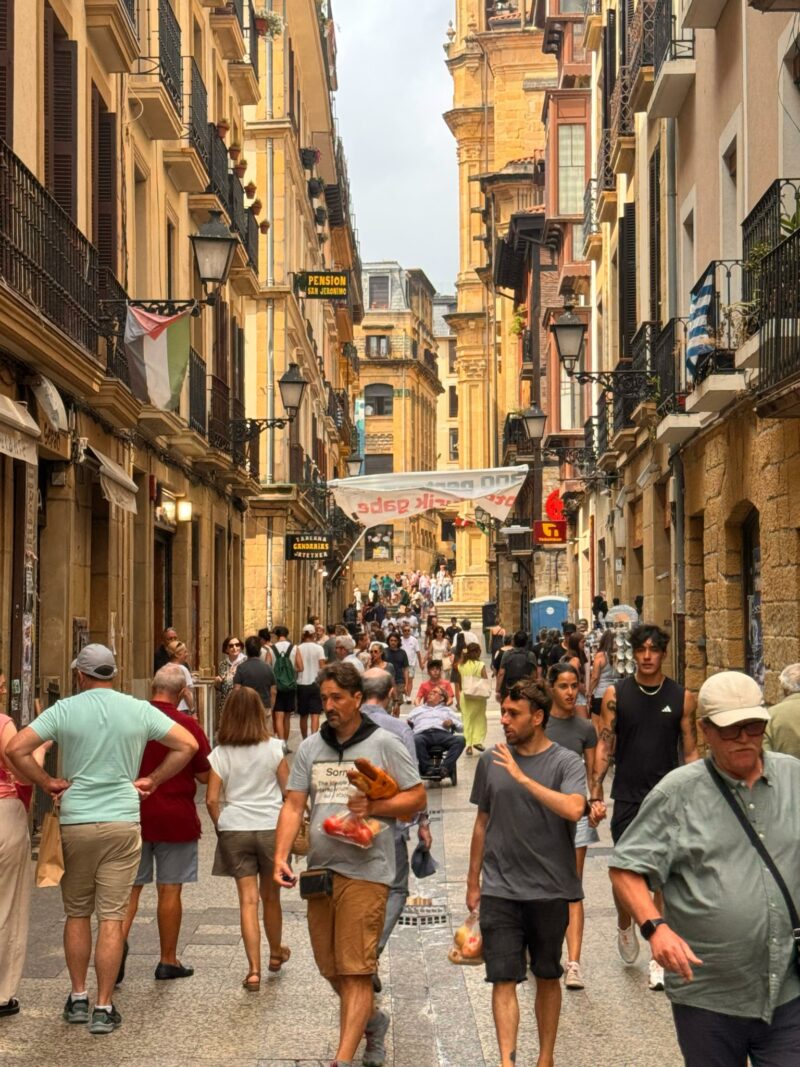
In the historic quarter of San Sebastián, Spain, March finds beauty in imperfection. He is drawn to the layered, unforced aesthetic of the neighborhood, where worn stone and painted facades reflect decades of human use. This approach informs his belief that a space should not feel "overly considered," but rather like a living entity that evolves organically.
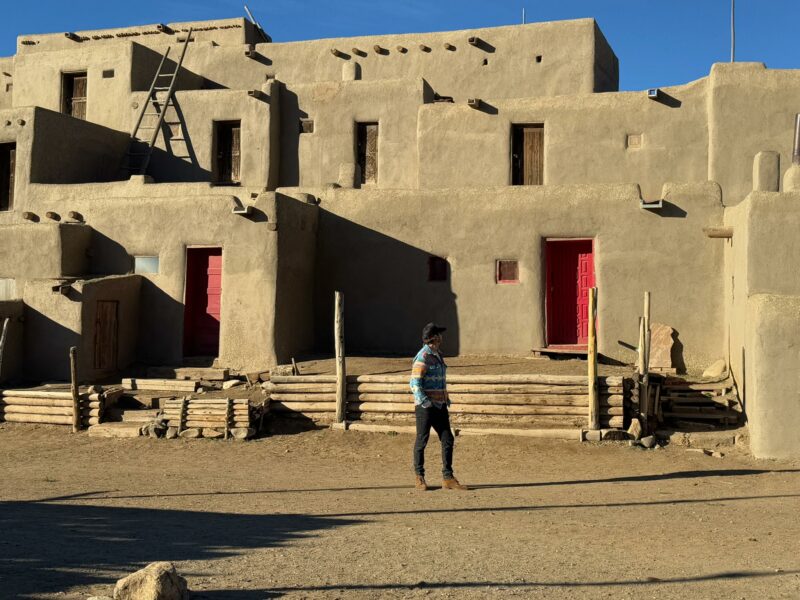
5. The Directness of Taos Pueblo, New Mexico
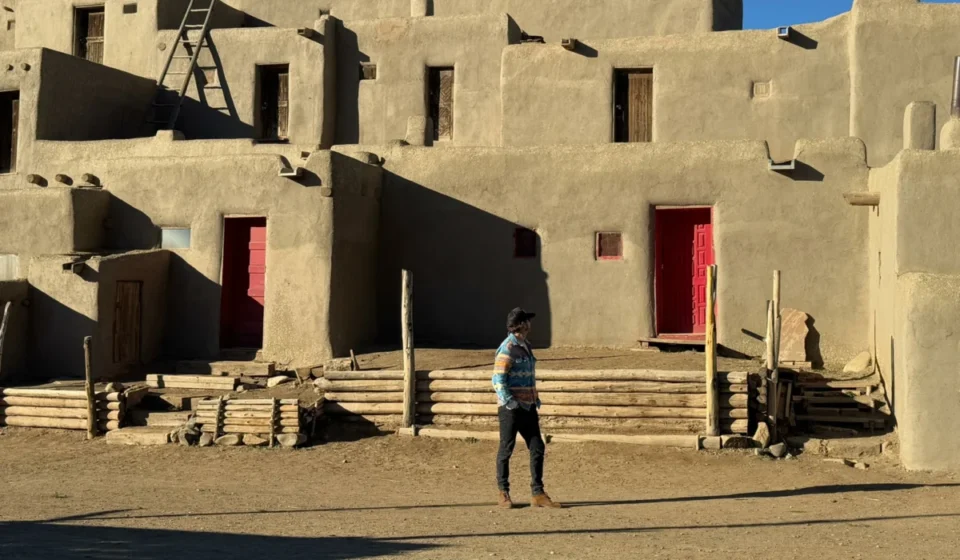
The historic site of Taos Pueblo stands as a testament to the power of place-based design. March is moved by the direct relationship between the local adobe materials and the architecture’s form. It reinforces his belief that architecture is at its most meaningful when it is an extension of its environment and the community that inhabits it.
The MAWD Portfolio: Projects in Profile
March’s design ethos is best exemplified through five key projects that highlight his firm’s versatility and commitment to place-making.
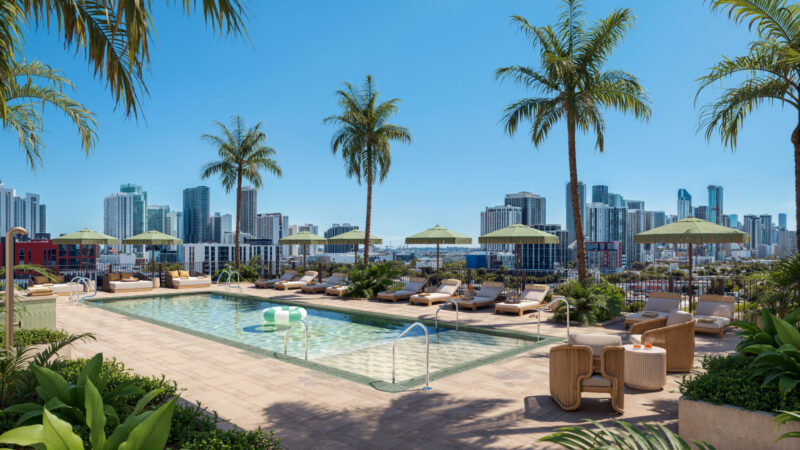
The Cloud One Hotel & Residences, Wynwood
This project serves as a physical manifestation of March’s interest in urban history. By pairing exposed concrete and wild oak with art curated by Goldman Global Arts, the design bridges the gap between the neighborhood’s industrial roots and its contemporary creative status. It is designed as a sanctuary of retreat amidst the neighborhood’s vibrant exterior.
The Greenwich, Manhattan
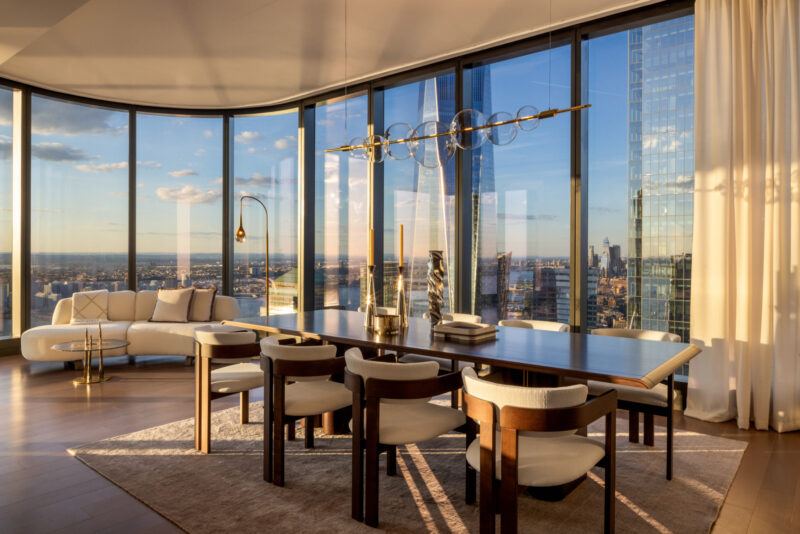
A milestone in both the firm’s history and March’s personal career, The Greenwich marked his transition to New York. Collaborating with the legendary Rafael Viñoly, MAWD brought a nautical sensibility—inspired by their superyacht experience—to the Financial District. The use of bookmatched Noir Saint Laurent marble remains a signature detail of this high-rise project.
Water Street, Tampa
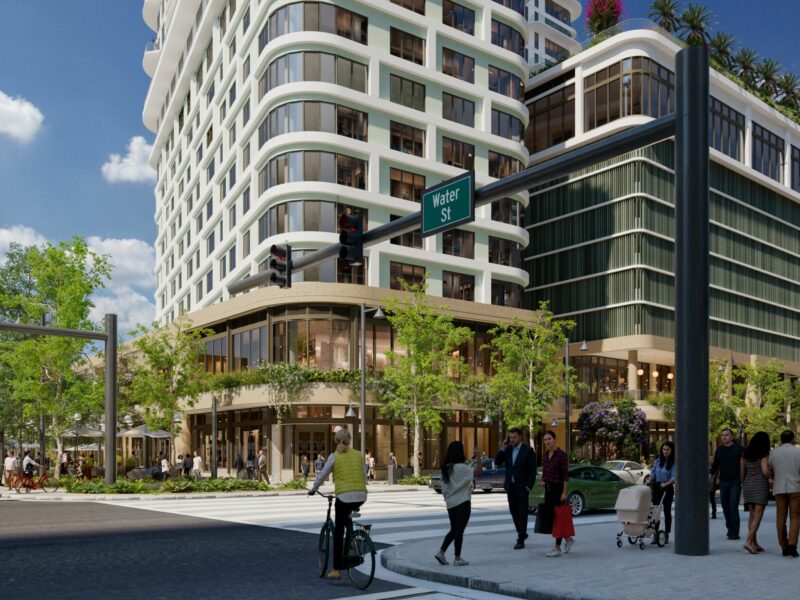
In Tampa, the firm leaned into the city’s indoor-outdoor lifestyle. By analyzing the building’s portals and courtyards, the design team created interiors that embrace the tropical light. The project allowed for a more expressive use of color, proving that location can "push you somewhere you might not have gone otherwise."
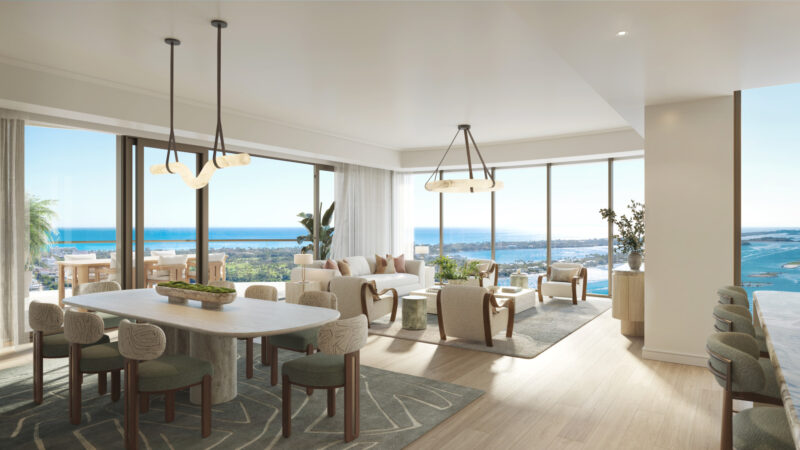
Edgeworth, West Palm Beach
As part of a massive urban transformation project by Related Ross, Edgeworth is designed for the future of West Palm Beach. The goal was to pair the sculptural architecture of KPF with interiors that feel relaxed and warm, fostering a sense of community for a city that is rapidly becoming a year-round destination.
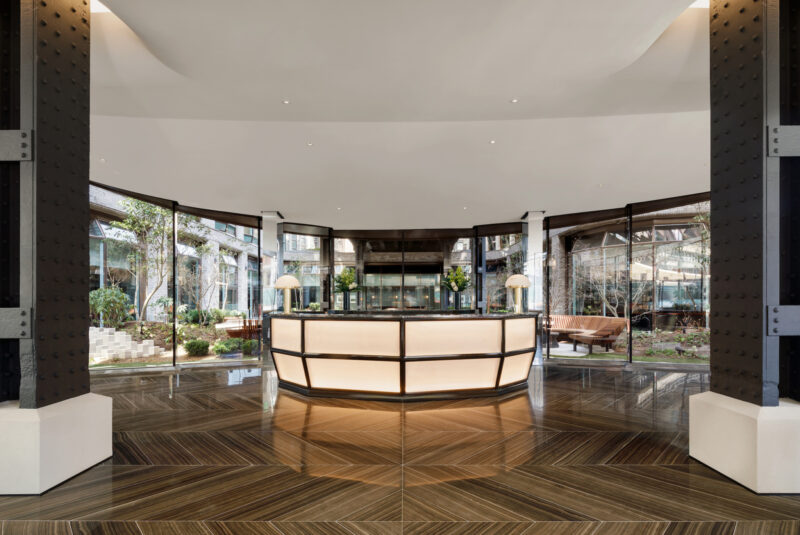
Lantern House, New York
Working with Heatherwick Studio, the team faced the challenge of softening the industrial, fluid glazing of the building’s exterior. Through the introduction of oak, brick, and bronze, MAWD successfully turned a highly distinctive architectural shell into a series of intimate, "genuinely residential" living spaces.
Implications for the Future of Design
The trajectory of Elliot March and MAWD underscores a shifting industry priority: the move toward "human-centric, place-bound" design. As urban centers become increasingly homogenized, the value of a firm that roots its projects in the specific light, history, and materials of a site becomes paramount.
For developers and clients, the implications are clear: the future of luxury is not found in global uniformity, but in localized narrative. By focusing on how a space "belongs," March and his team are creating environments that are not only aesthetically striking but also fundamentally durable, both in their construction and their ability to resonate with the people who inhabit them.
As MAWD continues to expand its global footprint, the firm remains anchored by the same curiosity that led two students to a shared classroom in Edinburgh: the desire to understand the world, one space at a time.