
Redefining Urban Mobility: Veo’s ‘Rover’ Trike Breaks Barriers in Inclusive Transit

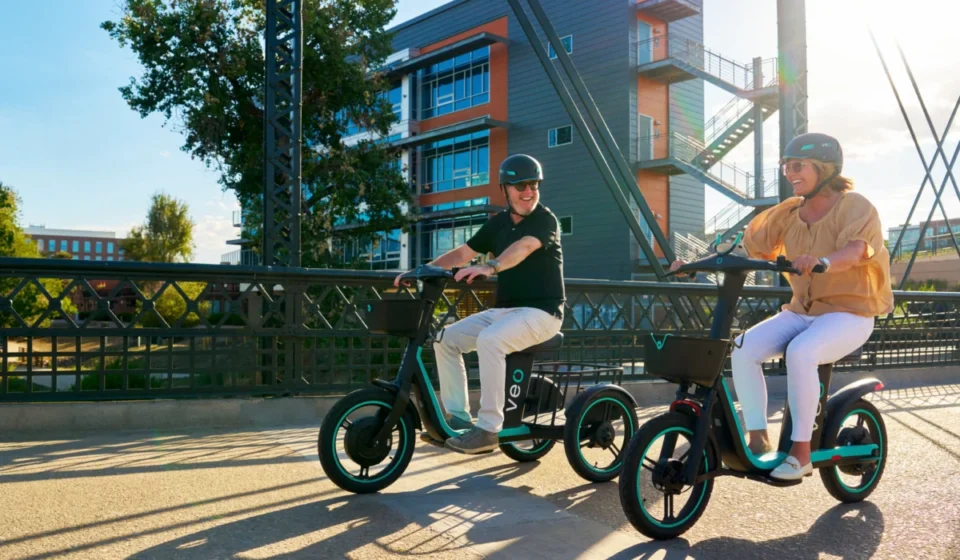
In the bustling streets of downtown Denver, a new silhouette has begun to emerge among the sea of standard e-bikes and standing scooters. It is low-slung, stable, and surprisingly robust, featuring a cushioned seat and dual-basket storage. This is "Rover," the latest innovation from Veo, a shared micromobility leader that is currently challenging the industry’s long-standing status quo. By deploying an initial fleet of 50 electric trikes, Veo is signaling a paradigm shift in how cities approach equitable transportation—moving beyond the "standard" user to embrace a much wider demographic.
The Core Facts: What is the Rover?
The Rover is an electric three-wheeled vehicle designed specifically for stability, comfort, and utility. Unlike the upright, often precarious nature of traditional e-scooters, the Rover offers a seated, low-center-of-gravity design that significantly lowers the barrier to entry for potential riders.
Key technical specifications include:
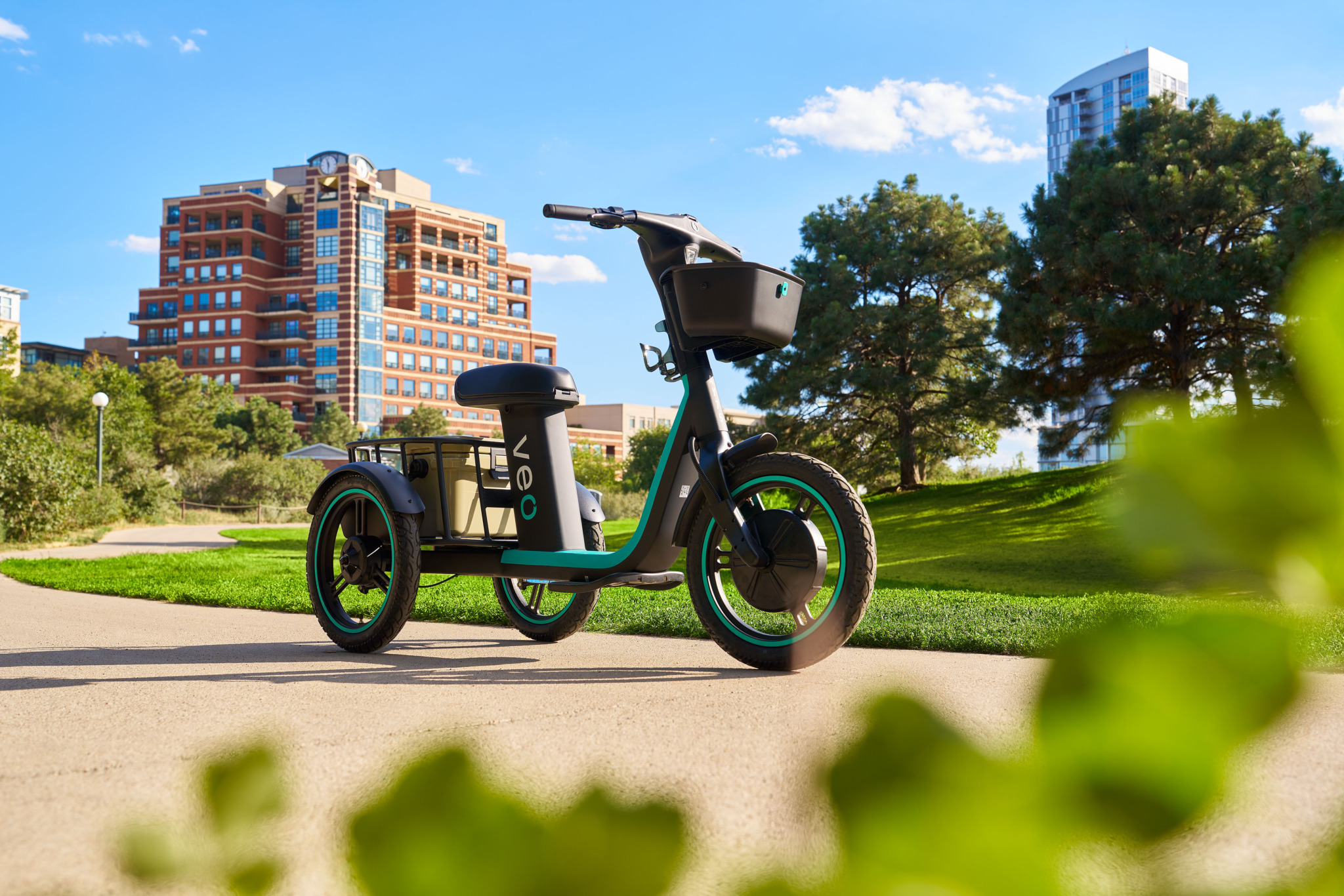
- Stability-First Geometry: The three-wheel configuration provides inherent balance, eliminating the need for complex stabilization skills required by two-wheeled scooters.
- Cargo Utility: Equipped with both front and rear baskets, the vehicle boasts a 100-pound cargo capacity, making it a viable option for grocery shopping, commuting with personal items, or transporting mobility aids.
- Performance: A throttle-assist motor helps riders navigate inclines with minimal physical exertion. With a capped top speed of 10 miles per hour, the vehicle is optimized for neighborhood navigation and safe interactions with pedestrians and cyclists.
- Availability: Currently, the Rover is restricted to the Veo shared-use network in Denver. It is not currently available for individual purchase, keeping it strictly within the public transit ecosystem.
A Chronology of Co-Design: From Concept to Pavement
The development of the Rover was not a solitary R&D effort behind closed doors. Rather, it represents an intensive two-year process of community-led design.
Early 2024: The Collaborative Phase
Veo initiated a collaborative development cycle, engaging hundreds of riders and more than 20 organizations. This list included specialized partners such as the Parkinson’s Foundation and Capitol Hill Village, organizations that possess deep, practical knowledge regarding the mobility challenges faced by their constituents.
2025: Data-Driven Refinement
The design process was heavily influenced by Veo’s 2025 annual rider survey. The data revealed a critical insight: 24% of the company’s total user base identified as having some form of disability. This high percentage served as a mandate for the engineering team to pivot from "one-size-fits-all" to "designed for all."

Late 2026: The Denver Pilot
The current rollout of 50 units in Denver represents the final testing ground. Before a planned citywide expansion, these vehicles are being monitored for real-world performance, user satisfaction, and mechanical reliability, ensuring that the final iteration meets the diverse needs of Denver’s population.
Supporting Data: Why Inclusivity is a Mobility Mandate
The argument for the Rover is rooted in both humanitarian necessity and market reality. For too long, the micromobility boom has favored the able-bodied and the young—those comfortable standing on a narrow deck or navigating traffic on a bike.
Industry data suggests that the "last mile" problem is often a "last mile" barrier for the aging population and those with chronic health conditions. By providing a vehicle that does not require standing or significant balance, Veo is tapping into a previously underserved market. The decision to incorporate throttle assist and a cushioned, wide-seat posture is not merely a design choice; it is a calculated effort to mitigate the physical strain that deters many from utilizing electric micro-transit.

Furthermore, the integration of 100-pound cargo capacity acknowledges that urban mobility is not just about moving people, but about moving the necessities of life—groceries, work equipment, and personal effects—which are often the limiting factors for people relying on public transport.
Official Responses and Expert Perspectives
The reception from advocacy groups has been largely positive, highlighting a rare alignment between tech innovation and social justice.
Anna Zivarts, director of the Nondrivers Alliance and author of When Driving Is Not an Option, has been a vocal proponent of this shift in design philosophy. "For too long, shared micromobility has excluded many disabled people and others who don’t feel comfortable using a standing scooter or pedal bike," Zivarts noted. Her work emphasizes that the design of our streets and vehicles often imposes a "disability tax," forcing those who cannot drive to rely on inefficient, often inaccessible systems.

Candice Xie, co-founder and CEO of Veo, echoed this sentiment, framing the Rover as a legacy project for the company. "The future of micromobility is about giving more people the confidence to ride," Xie stated. "For years, we’ve worked to open up micromobility to new riders—from pioneering seated scooters to developing our first electric trike alongside disability advocates and older adults. Rover is our most community-informed vehicle to date, shaped in partnership with the people it was built to serve."
Implications for the Future of Urban Transit
The deployment of the Rover in Denver carries significant implications for urban planners and transit authorities across the globe.
1. Reclaiming Public Space
As cities look to reduce car dependency, the competition for road space has intensified. By providing a vehicle that mimics the utility of a car (storage, comfort) but occupies the footprint of a bicycle, Veo is offering a blueprint for a more sustainable urban landscape.

2. A New Benchmark for Procurement
The success of the Rover suggests that cities may soon begin to include "inclusivity requirements" in their Requests for Proposals (RFPs) for shared mobility vendors. If a provider cannot offer a vehicle that is accessible to seniors and those with mobility challenges, they may find themselves at a competitive disadvantage.
3. The "Universal Design" Movement
The Rover represents a triumph of universal design—a concept that argues that products should be usable by everyone, to the greatest extent possible, without the need for adaptation. While it was built with disability advocates in mind, the Rover’s comfort and cargo capacity make it attractive to a wide variety of users, including parents running errands or commuters who simply prefer a more relaxed riding experience.
4. The Path to Citywide Scalability
The current 50-unit pilot is a "proof of concept" phase. If these units maintain high utilization rates without excessive maintenance issues, the rollout will likely expand to cover the entire city. The success of this model in Denver could trigger a cascade of similar deployments in other major metropolitan hubs, effectively normalizing the electric trike as a standard feature of modern urban transit.

Conclusion: A More Accessible Horizon
The Rover is more than just a piece of hardware; it is a symbolic gesture from the micromobility industry. For years, the sector was criticized for prioritizing tech-bro aesthetics over genuine accessibility. With the Rover, Veo is demonstrating that the most "disruptive" technology is not necessarily the fastest or the most connected, but the one that ensures nobody is left behind.
As the 50 units continue their daily routes through Denver, they serve as a mobile reminder that the future of the city is inclusive by design. Whether or not this pilot leads to a complete transformation of the industry remains to be seen, but one thing is clear: the bar for what constitutes a "shared vehicle" has been permanently raised. The Rover has effectively proven that when you design for the most vulnerable, you create a better, more functional, and more enjoyable experience for everyone.