Beyond the Glow: Why E-Ink Art Frames Are Revolutionizing the Modern Home Gallery

For years, the "Frame TV" has been the aspirational centerpiece of the modern living room. Designed to masquerade as a gallery piece when not streaming content, these devices promised to bridge the gap between high-end home cinema and interior design. However, as the novelty wears off, a growing cohort of design enthusiasts and tech-savvy homeowners are finding that Frame TVs come with significant compromises: they are prohibitively expensive, visually dominant, and tethered to the wall by unsightly power cables.
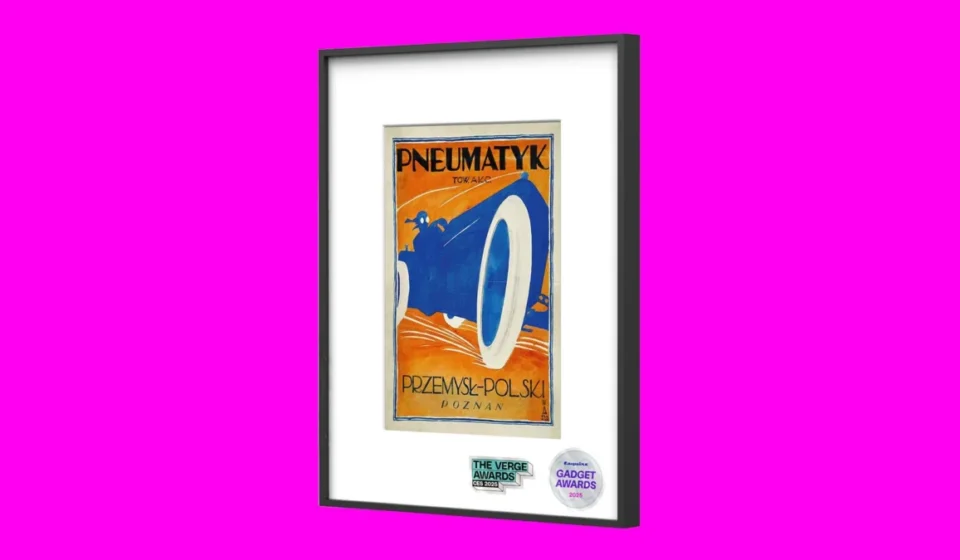
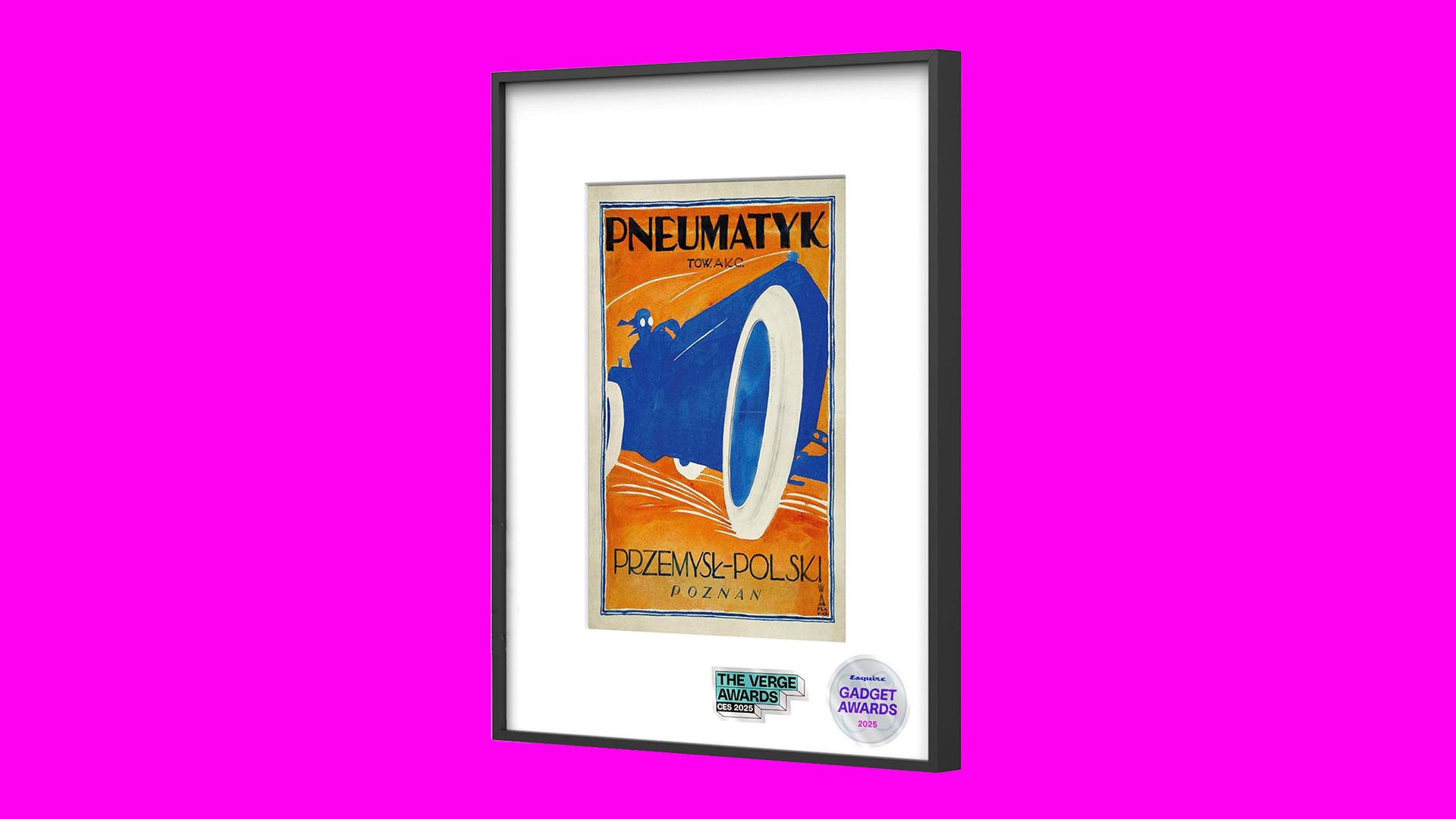
Enter the rise of the e-ink digital art frame. Offering a sophisticated, low-power, and remarkably authentic alternative, these devices are quietly disrupting the home decor market. Leading this charge is the Swiss-based firm InkPoster, whose range of frames—most notably the Affresco and the Tela—is challenging the dominance of traditional digital displays by prioritizing texture, light, and the quiet dignity of analog art.
The Evolution of the Digital Canvas: Main Facts and Technology
At the heart of this shift is E-Ink (electrophoretic) technology, the same foundation that powers high-end e-readers like the Kindle. Unlike traditional LCD or OLED panels, which emit light and require a constant power draw to maintain an image, e-ink displays are bi-stable. This means they only consume energy when the image is changing. Once a painting or photograph is rendered, the frame remains static, requiring zero electricity to maintain the display.
This fundamental difference creates an aesthetic entirely alien to the television experience. Because an e-ink display is reflective rather than transmissive, it mimics the appearance of paper or canvas. It does not glow in the dark, nor does it suffer from the harsh, clinical glare associated with screen-based technology. When you look at an InkPoster frame, your brain perceives a physical object, not a digital reproduction.
A Chronology of the "Digital Frame" Trend
The concept of the digital photo frame is not new; it dates back to the early 2000s, when low-resolution, high-glare LCD frames became popular gifts. However, these early iterations were largely dismissed as "tech kitsch."
- 2010s: The Rise of the Smart TV: The industry shifted toward ultra-high-definition smart TVs, with companies like Samsung eventually popularizing the "Art Mode" feature. While successful, these devices remained tethered to the limitations of television hardware.
- 2020–2022: The Emergence of High-Resolution E-Ink: As e-ink technology advanced, allowing for larger formats and better color reproduction, niche manufacturers began to see a gap in the market for "art-first" technology.
- 2023–2024: The Boutique Wave: Brands like InkPoster emerged, moving away from mass-market consumer electronics and positioning their products as luxury interior design items. By focusing on build quality, physical framing, and app-based curation, these companies signaled that digital art was finally ready to move out of the living room and into the bedroom, study, or hallway.
Supporting Data: Why Consumers Are Switching
The migration away from traditional screens toward e-ink is driven by three key metrics: energy consumption, installation versatility, and psychological impact.
1. Energy Efficiency
A standard 55-inch Frame TV consumes between 60 and 150 watts while in "Art Mode." Over the course of a year, this adds up to a significant carbon footprint and an increased utility bill. Conversely, an e-ink frame like the InkPoster Tela, once fully charged, can operate for weeks or even months without a power cord, depending on how frequently the user changes the image.
2. The Installation Problem
A television requires a permanent power source, necessitating professional cable management or a "one-connect" box hidden in a wall. An e-ink frame is lightweight and cordless. It can be hung on a gallery wall alongside traditional canvas paintings, in a narrow corridor, or in a study—places where a TV would be an architectural impossibility.
3. Visual "Fatigue"
Research into digital well-being suggests that constant exposure to blue light—even from art-mode TVs—can impact circadian rhythms and contribute to digital fatigue. E-ink frames, which operate on ambient light, provide a restful, tactile experience that blends seamlessly with interior lighting schemes.
The Reviewer’s Perspective: The InkPoster Tela
In our recent hands-on review of the 28.5-inch InkPoster Tela, we found that the device transcends the label of "gadget." The frame possesses the heft and tactile quality of a traditional gallery piece. The transition between images—a slow, deliberate shift of pigment microcapsules—is a far cry from the instantaneous, often jarring refresh rates of a screen.
Our reviewer noted that the process feels "oddly satisfying," comparable to the slow reveal of a physical print. When combined with the high-end design accents—such as the Alcantara passepartout crafted by Italian design house Pininfarina—the Tela bridges the gap between the Silicon Valley aesthetic and the craftsmanship of a European art studio.
Official Responses and Industry Implications
The pivot toward e-ink frames has not gone unnoticed by major tech manufacturers. While companies like Samsung and LG continue to invest heavily in OLED, smaller firms are betting that the future of home decor lies in "calm technology."
"The goal," says one industry analyst, "is to make technology invisible. Users are tired of screens that demand attention. They want technology that facilitates beauty without imposing itself on the environment."
The implications for the art world are equally profound. With the accompanying InkPoster app, users are no longer limited to a static collection of images. They can curate their own digital galleries, selecting from famous masterpieces or uploading personal high-resolution photography. This democratizes the curatorial process, allowing a homeowner to rotate their collection based on the season, their mood, or the occasion, all with a few taps on a smartphone.
Future Outlook: The Convergence of Tech and Interior Design
As we look toward the future, the e-ink category is poised for rapid expansion. We anticipate that larger screen sizes, faster refresh rates, and even more sophisticated framing materials will hit the market in the coming 18 to 24 months.
However, the primary challenge remains price. While an InkPoster Affresco starting at $499 is significantly more affordable than a luxury 65-inch television, it remains a premium investment for many households. The next hurdle for the industry is scaling production to bring these devices into the mainstream "prosumer" market.
Conclusion
The era of the "all-in-one" screen is fading. As we become more conscious of our digital consumption and the aesthetic impact of our living spaces, the move toward specialized, low-impact display technology seems inevitable. Whether you are a dedicated art collector looking to rotate your collection or a homeowner seeking a sophisticated, cable-free decor solution, the e-ink art frame offers a compelling vision of the future. It is a quiet, thoughtful evolution—one that proves the best technology is often that which knows when to disappear into the background.
For those ready to make the transition, the current lineup from providers like InkPoster offers a perfect marriage of Swiss precision, Italian design, and cutting-edge display technology. It is, quite simply, the smartest way to hang art in the 21st century.