The Evolution of Affinity: How Canva’s Acquisition Defied the Skeptics and Empowered Professionals

When Serif—a modest software firm based in Nottingham, England—first introduced Affinity Designer as a free public beta in 2014, the creative industry barely blinked. At the time, Adobe’s Creative Cloud had begun to entrench its monopolistic hold on the design world, and the idea of a “challenger” brand felt like a footnote in the history of graphic design.
Yet, those who took the time to look under the hood were stunned. During a series of private demos held at Future Publishing’s offices in Bath, Serif proved that their software wasn’t just a budget alternative; it was a technical masterpiece. With features like a million-times zoom and a robust, modern codebase, Affinity Designer outperformed the industry standard, Adobe Illustrator, in several key performance metrics. What followed was a decade of sustained growth, a transition to a paid model, and ultimately, a seismic shift in 2024: the acquisition of the Affinity suite by the design juggernaut, Canva.
For many industry veterans, this merger prompted a wave of anxiety. Would the powerful, professional-grade tools be "dumbed down" to fit the drag-and-drop aesthetics of Canva’s social-media-focused platform? As we enter the era of Affinity 3.3, those fears have not only been allayed—they have been replaced by a newfound optimism.
A Decade of Disruption: The Affinity Chronology
To understand the significance of the 3.3 release, one must look at the trajectory of Serif’s journey.
- 2014: The launch of Affinity Designer. Initially free, it signaled a shift in how creatives viewed software licensing, offering a one-time purchase model that stood in stark contrast to Adobe’s burgeoning subscription-only strategy.
- 2015–2020: The expansion. Serif rounded out the "Affinity Trinity" with Affinity Photo and Affinity Publisher. These tools garnered critical acclaim and a fiercely loyal user base, effectively becoming the primary alternative for freelancers and small studios priced out of the Adobe ecosystem.
- 2024: The Canva acquisition. This was the turning point. Canva, a platform valued in the billions, brought Serif under its umbrella. The industry braced for the worst: a potential shift toward a subscription-heavy, browser-based model.
- October 2025: The "Free" pivot. In a move that shocked the market, Canva announced that the core Affinity suite would be accessible for free, effectively decoupling the professional software from the restrictive paywalls many expected.
Under the Hood: Breaking Down the Affinity 3.3 Update
The release of Affinity 3.3 is not merely a collection of minor patches; it is a declaration of intent. With over 60 new features spanning image editing, vector illustration, and page layout, the update represents a significant commitment to professional workflows.
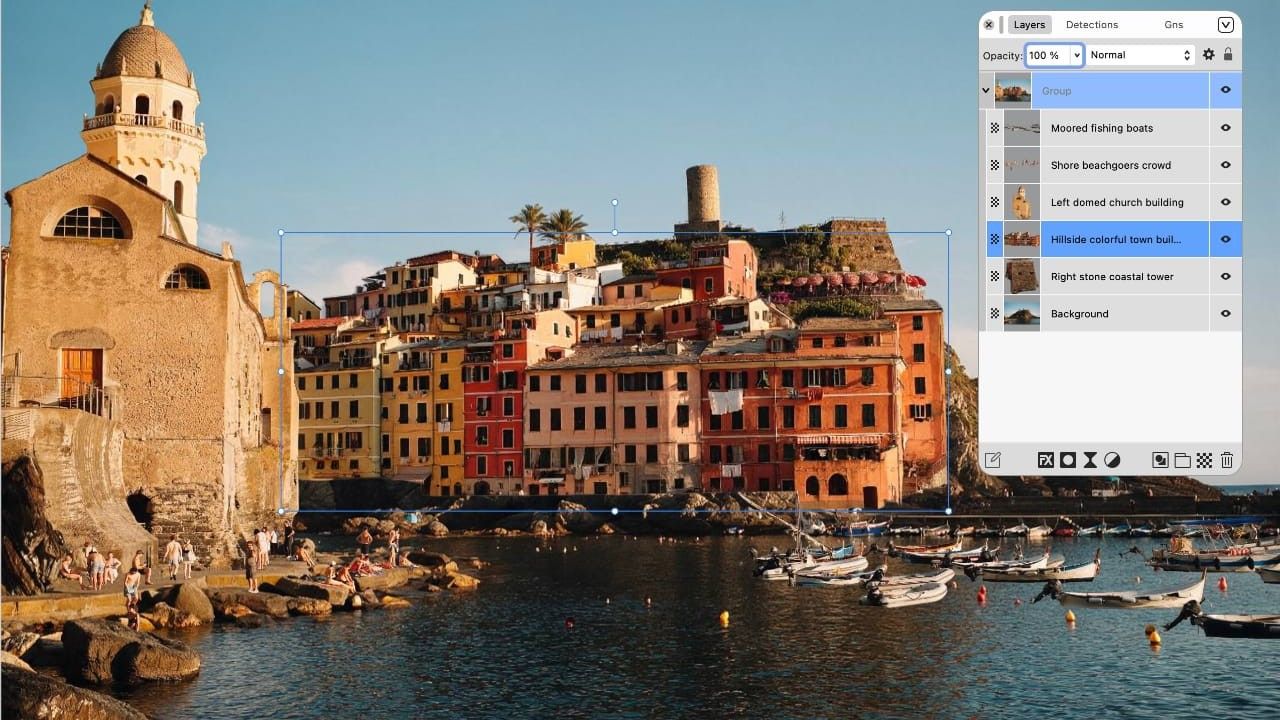
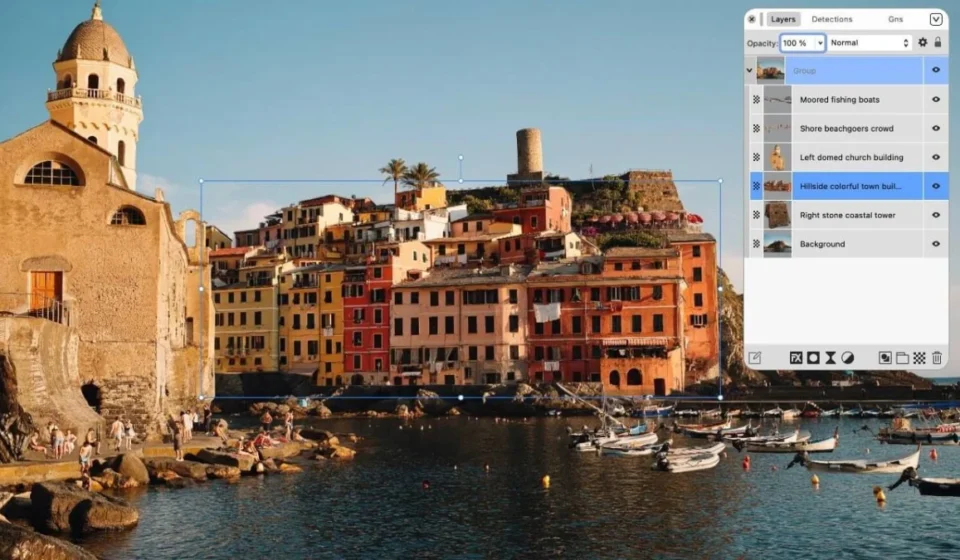
The Professional’s Toolkit: Unglamorous but Essential
Unlike many software updates that focus on flashy, AI-driven marketing gimmicks, 3.3 doubles down on "unglamorous" professional utility.
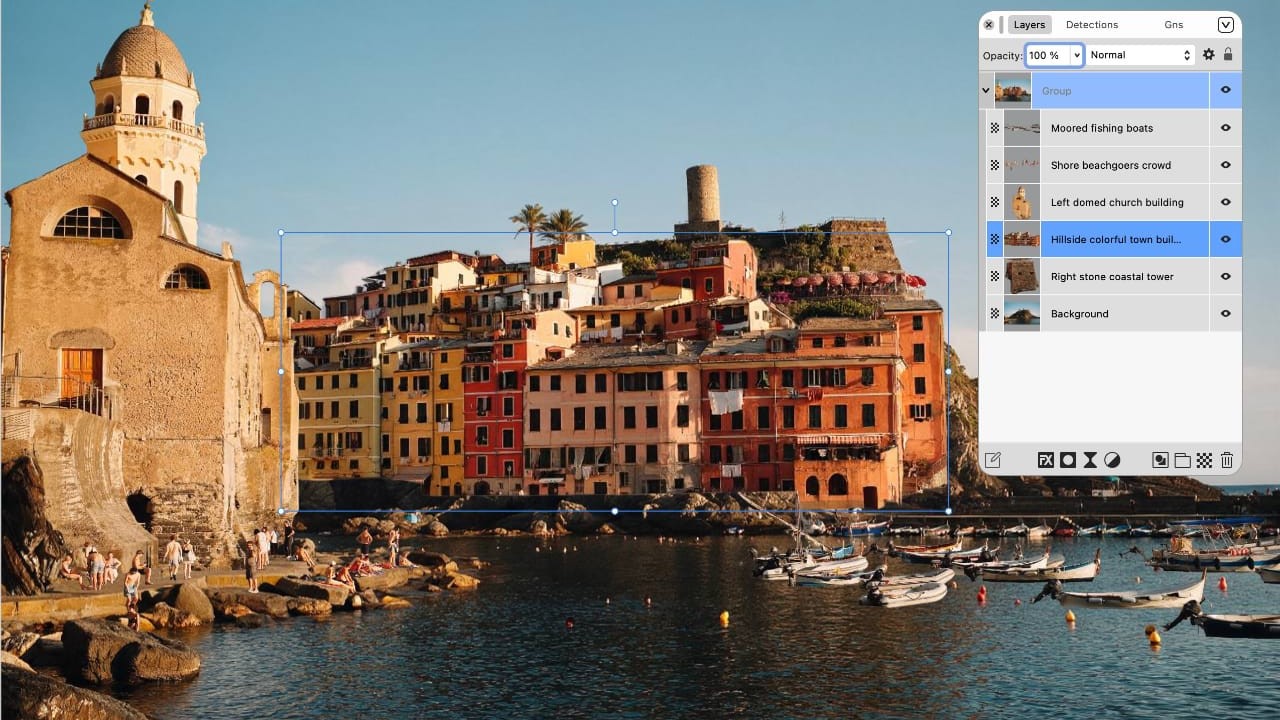
- The Blend Tool: This long-awaited addition allows for live, editable transitions between vector shapes. Designers now have granular control over rotation, position, color, and shape, enabling complex geometric illustrations that previously required tedious manual labor.
- G2 Curve Energy Visualization: A niche but critical feature for font and logo designers. By visualizing the "energy" of a curve, designers can ensure mathematical precision in their paths, maintaining the integrity of high-end branding work.
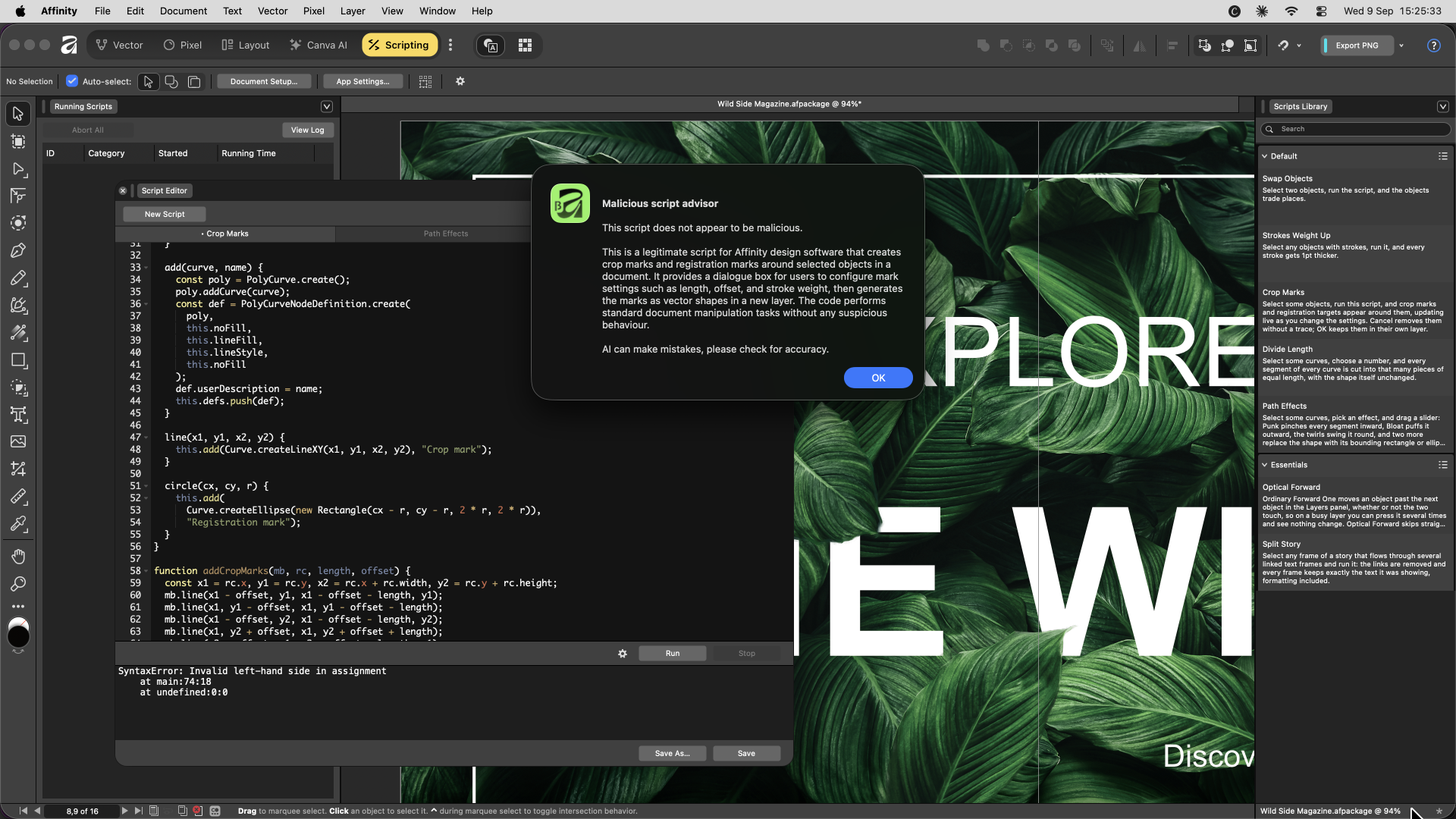
- Scripting Studio: Perhaps the most significant addition, the new Scripting Studio allows for automation of repetitive tasks. Accompanied by a "Malicious Script Advisor," it balances the power of automation with the security required by enterprise users.
- Advanced RAW Engine: The photography suite has received a massive overhaul, featuring hue-preserving curves and global presets that finally align with the color-science expectations of professional retouchers.
Data and Performance: Why Professionals Are Staying
The persistence of the Affinity suite is rooted in its performance data. Unlike browser-based design tools that rely on cloud latency, Affinity maintains a "native-first" approach.
The software’s ability to handle massive files—often exceeding several gigabytes—without the "lag" associated with cloud-reliant platforms remains its competitive edge. Furthermore, the integration with the "Canva ProSuite" (which includes Cavalry for animation, Leonardo.Ai for generative assets, and Flourish for data visualization) creates an ecosystem that is far more versatile than a single-application silo.
The Official Stance: Canva’s Vision
Canva’s leadership has been vocal about their "two-track" strategy. By maintaining Affinity as a standalone, professional-grade desktop application while simultaneously building out the web-based Canva ecosystem, they are effectively bridging the gap between "creator" and "designer."
In recent corporate communications, the company emphasized that there is "no intention" to watermark output or force users into subscription tiers for the core Affinity tools. While advanced AI models within the Canva ecosystem remain part of the Pro tier, the foundational professional tools remain free, marking a radical departure from the industry trend of locking functionality behind monthly recurring charges.
The Implications: Is Adobe’s Dominance Waning?
The question remains: Does this spell the end for Adobe? The reality is more nuanced. Adobe’s Creative Cloud is not just software; it is a language. Its deep integration with enterprise infrastructure, massive plugin ecosystem, and decades-old standard for file compatibility (PSD, AI, INDD) mean that it is firmly embedded in the corporate creative pipeline.
If you are a student or an aspiring professional, knowing Adobe remains an essential career requirement. However, for the independent freelancer, the small agency, and the digital artist, the "choice" is shifting.
The Hybrid Future
The most likely scenario is not an either-or battle, but a hybrid future. Professionals are increasingly adopting a "Best of Breed" stack. An agency might use Adobe for its industry-standard collaboration tools while utilizing Affinity for high-speed, localized design and photo-editing tasks.
By keeping Affinity free, Canva has successfully removed the "cost of entry" barrier. This allows designers to experiment, learn, and implement tools that might otherwise be discarded due to budget constraints.
Conclusion: A New Standard for Accessibility
When we look at the evolution of digital design tools, the story of Affinity is one of resilience. It began as a scrappy, Nottingham-born contender, survived the transition into a massive conglomerate, and emerged stronger and more accessible than ever.
By prioritizing deep-level functionality—such as the new Blend Tool and G2 curve visualization—over superficial add-ons, Canva has signaled that it respects the craft of the professional. Whether this strategy will eventually force a change in the subscription-heavy models of their competitors remains to be seen. But for now, the creative world is the winner, enjoying a level of high-end, free, and powerful software that was once considered impossible.
As the lines between desktop-native power and cloud-based convenience continue to blur, one thing is certain: the era of expensive, restrictive creative software is facing its greatest challenge yet. And for the first time in a long time, the barrier to entry for world-class design has never been lower.