The 2026 Social Commerce Blueprint: How Economic Pressures and Shifting Consumer Habits Are Redefining Holiday Shopping

By Global Retail & Technology Desk
Published: September 2026
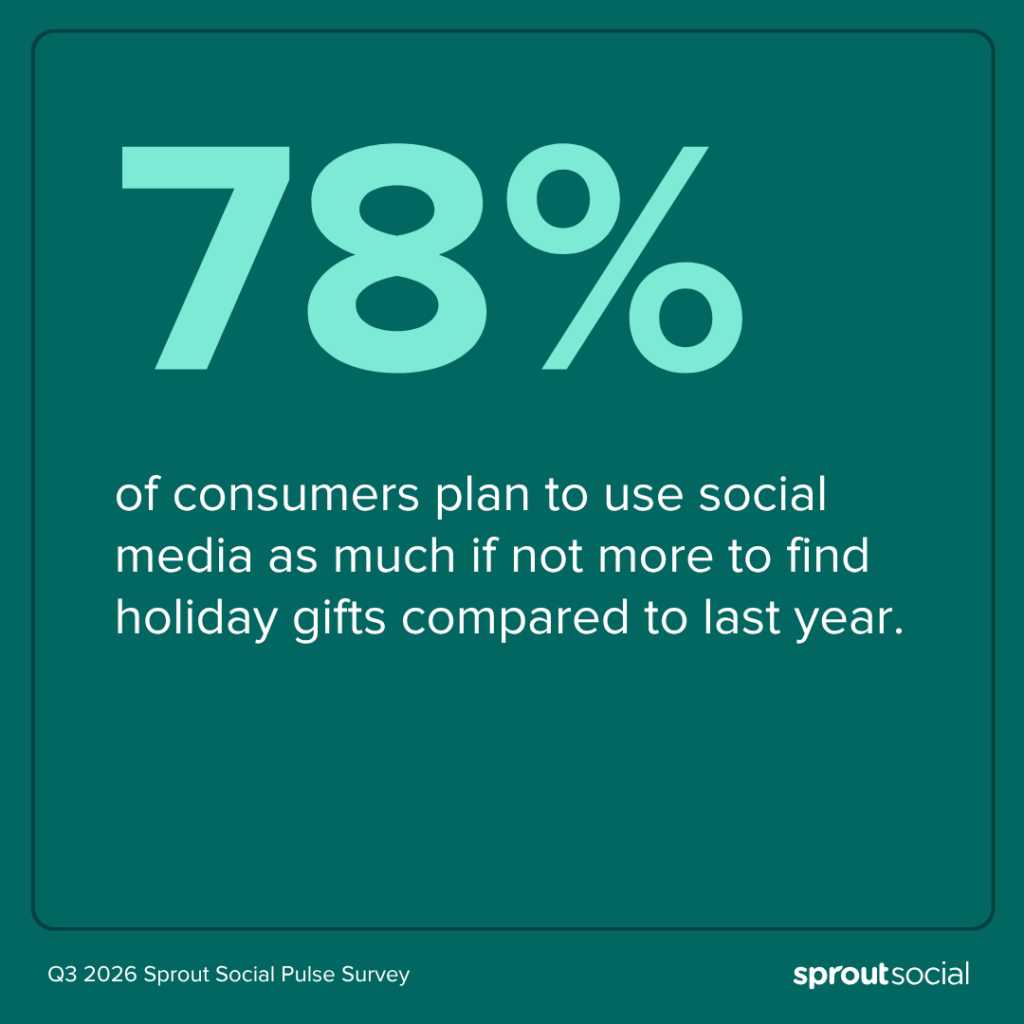
As the festive season creeps ever closer, digital marketers face a complex, high-stakes retail landscape. According to the newly released Q3 2026 Sprout Social Pulse Survey, more than three-quarters (78%) of consumers intend to use social media platforms just as much—if not more—to hunt for holiday gifts compared to previous years. For Gen Z and Millennials, social media has definitively usurped traditional search engines and physical retail flagships to become the undisputed epicenter of gift discovery.
However, beneath this continuous reliance on social networks lies a profound shift in consumer psychology. Driven by macroeconomic pressures, looming tariffs, and tighter personal budgets, modern shoppers are rewriting the rules of holiday engagement. Brands that wish to capture market share this season must look past outdated playbooks, adapting their timing, value propositions, and customer service frameworks to meet a hyper-pragmatic audience.

Main Facts: The 2026 Holiday Shopping Paradigm
The intersection of social media and holiday commerce has matured from a supplementary marketing channel into a comprehensive, end-to-end shopping ecosystem. The core data points defining the 2026 landscape include:
- The Dominance of Social Discovery: 46% of consumers plan to turn to social media for holiday gift ideas—tying physical brick-and-mortar stores for the number one spot overall and ranking as the absolute primary source for younger generations.
- Economic Squeeze and Early Planning: Over half of all consumers (56%) intend to reduce overall holiday spending due to current economic conditions. Simultaneously, 69% are concerned about price spikes driven by tariffs, prompting 36% to shop earlier to beat potential cost increases.
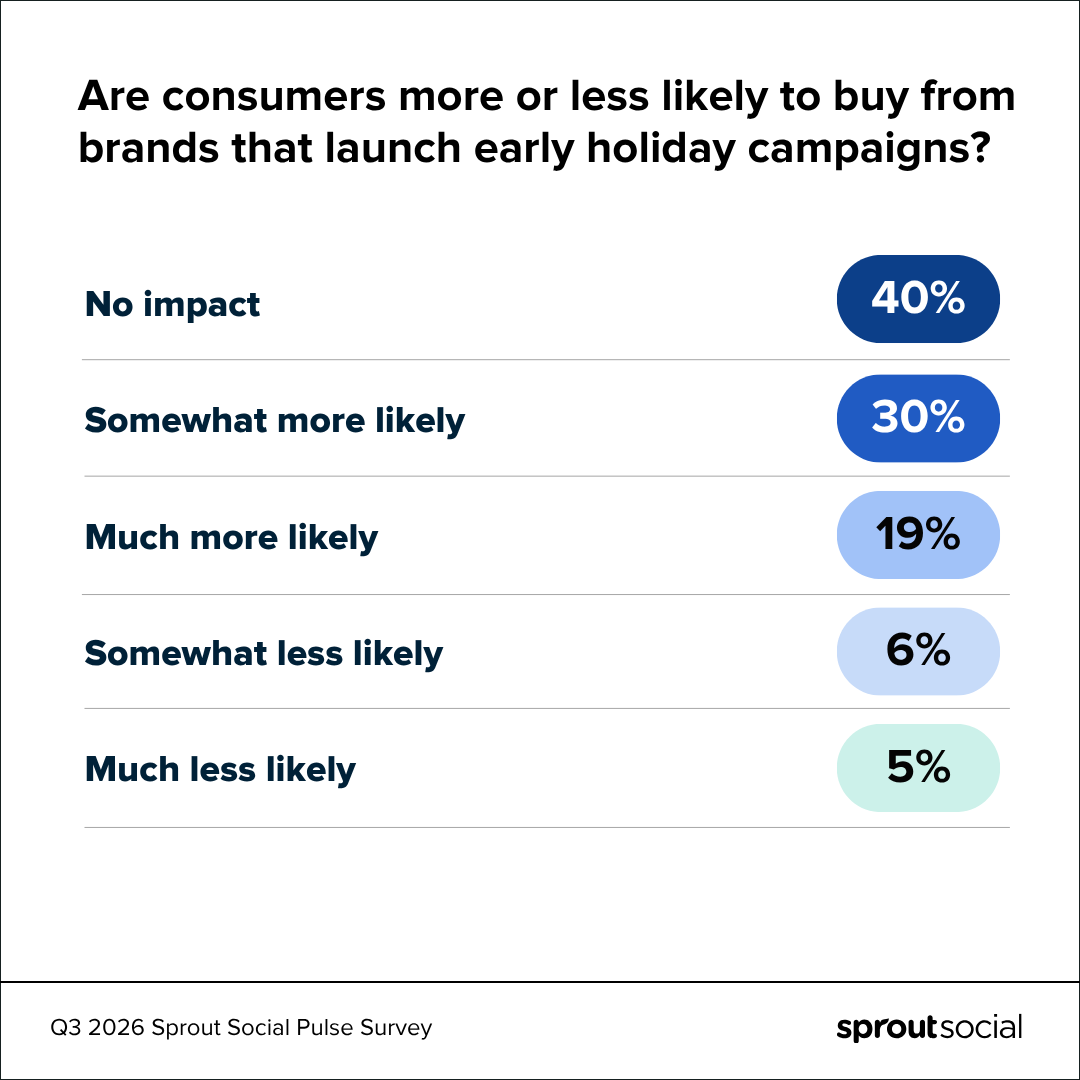
- The Disconnect on Campaign Timing: While 50% of consumers state they prefer brands to launch holiday campaigns in October (a shift back from the late-summer creep observed in 2025), actual purchasing behavior remains unperturbed by early rollouts. Forty percent report that August campaigns have no impact on their purchasing decisions, while nearly 50% are actually more likely to buy from brands advertising early.
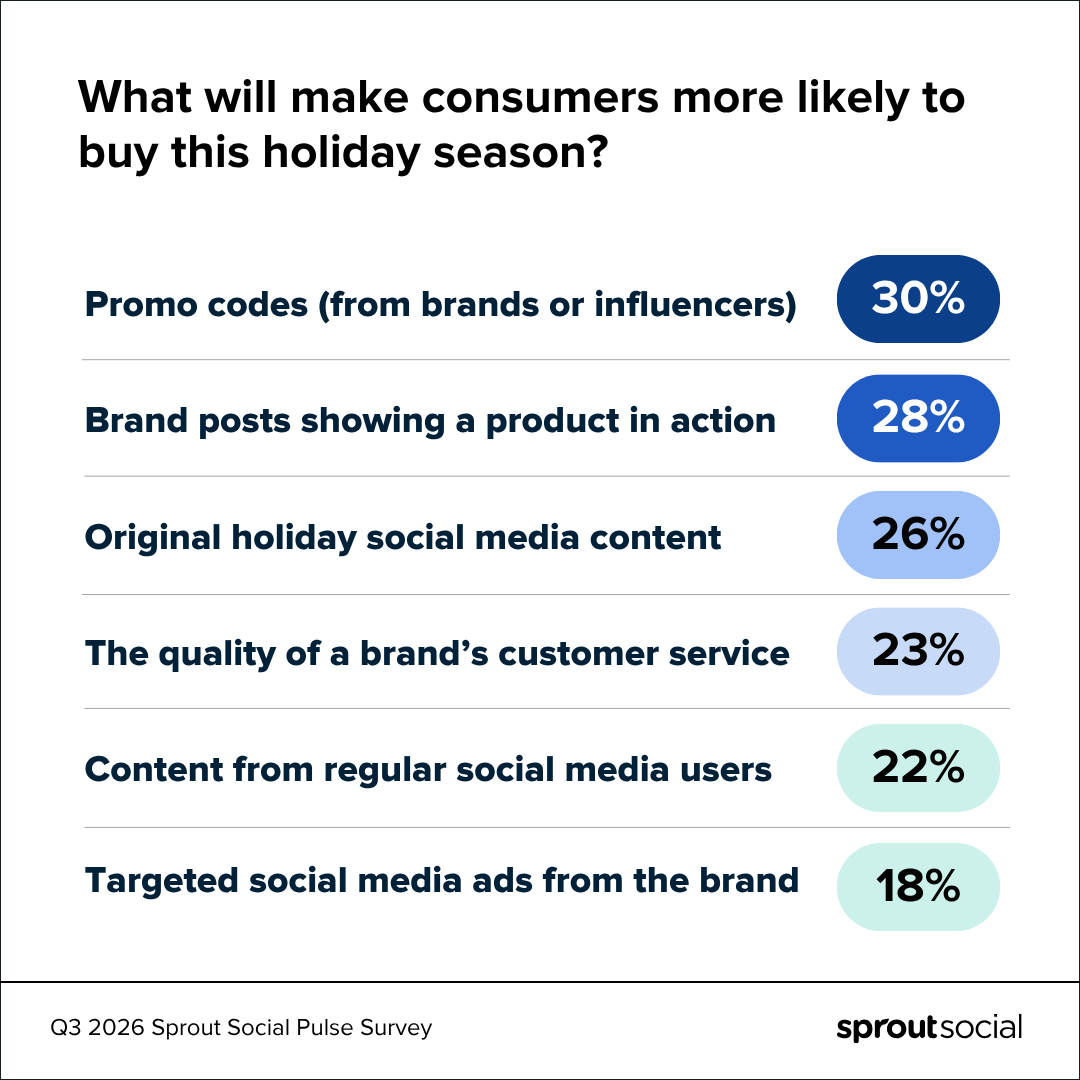
- Conversion Drivers: Promo codes reign supreme, with 30% of shoppers citing discounts—whether direct from brands or via influencer partnerships—as their primary motivator. This is closely followed by product demonstrations in action (28%) and original, holiday-specific content (23%).
- The Rise of Social Customer Care: Eighty-six percent of users plan to use social media as much or more for customer service inquiries this holiday season, putting immense pressure on brands to maintain rapid, scalable response times.
Chronology: The Evolution of the 2026 Retail Calendar
The timeline of the holiday retail season has undergone a fascinating tug-of-war between corporate ambition and consumer preference over the past several years.
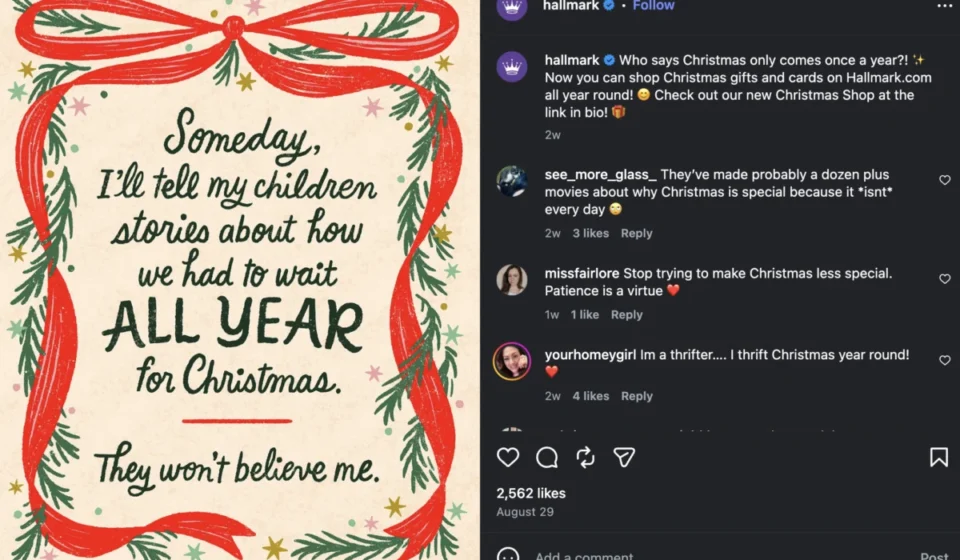
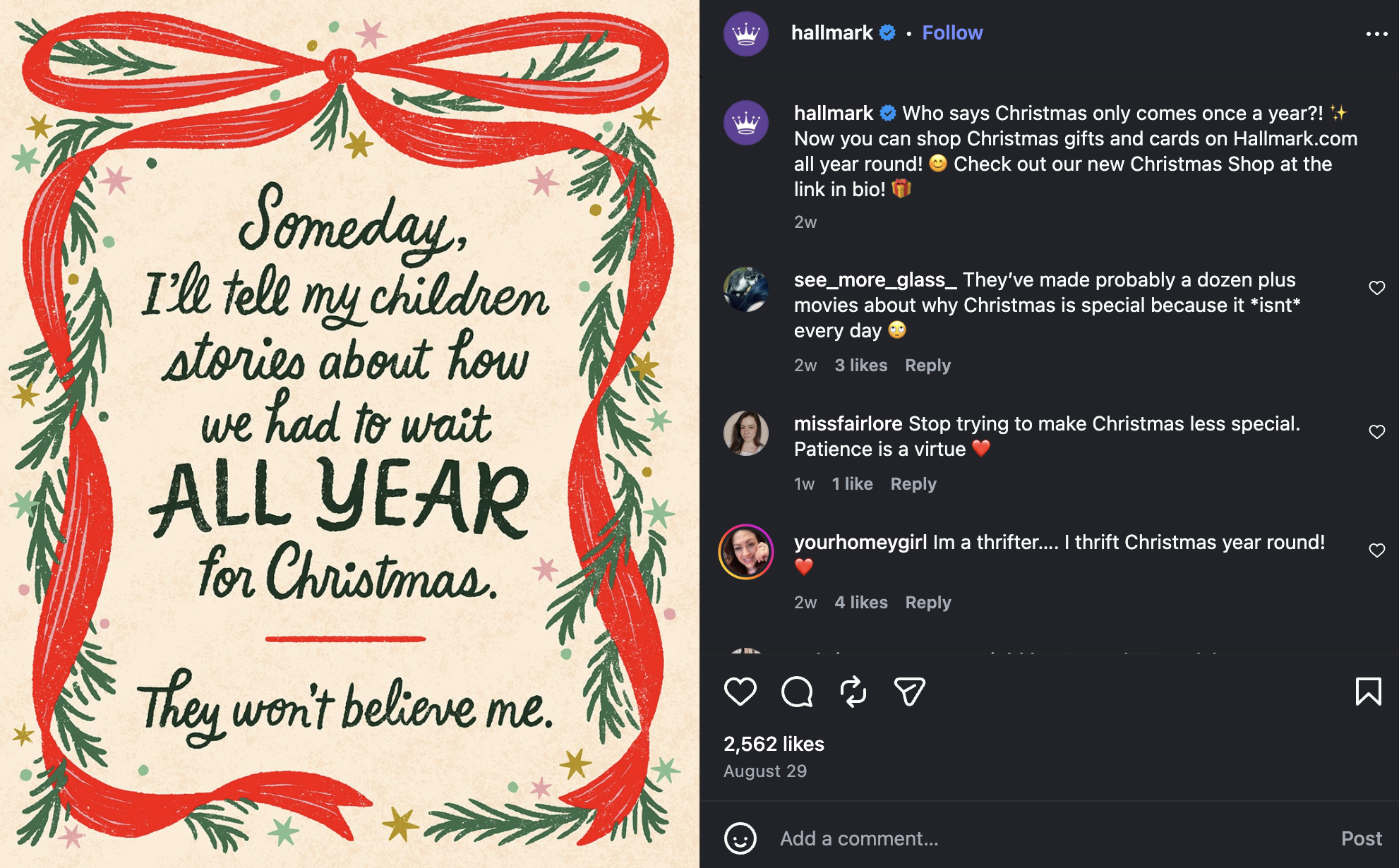
Historically, holiday marketing campaigns drifted progressively earlier into the calendar. By 2025, August and September had become the preferred rollout windows for brands eager to lock in early revenue. This trend accelerated dramatically into mid-2026: platforms and brands celebrated "Summerween" in June, Starbucks rolled out its iconic Pumpkin Spice Latte in August, and retail giants like Hallmark began actively promoting their online Christmas shops along the same accelerated timeline.
Yet, consumer sentiment hit a counter-cyclical wall in 2026. Data from the Q3 Sprout Social Pulse Survey indicates that half of all consumers now actively desire a more traditional October start date for holiday marketing.
Despite this expressed preference for later rollouts, the economic realities of 2026 intervened. Fearing tariff-induced price hikes and shrinking disposable incomes, shoppers began executing their shopping strategies earlier regardless of their aesthetic objections to August holiday ads. This temporal disconnect proves that while consumers may grumble about premature holiday cheer in the dead of summer, their pocketbooks ultimately dictate their actions. For retailers, the takeaway is clear: obsessing over the "perfect" calendar launch date is a distraction. Content relevance and financial value far outweigh calendar timing.
Supporting Data: Dissecting the Consumer Mindset
A closer examination of the data reveals stark contrasts between what consumers say they want and how they actually behave under financial duress.
The Financial Factor: Tariffs and Budgets
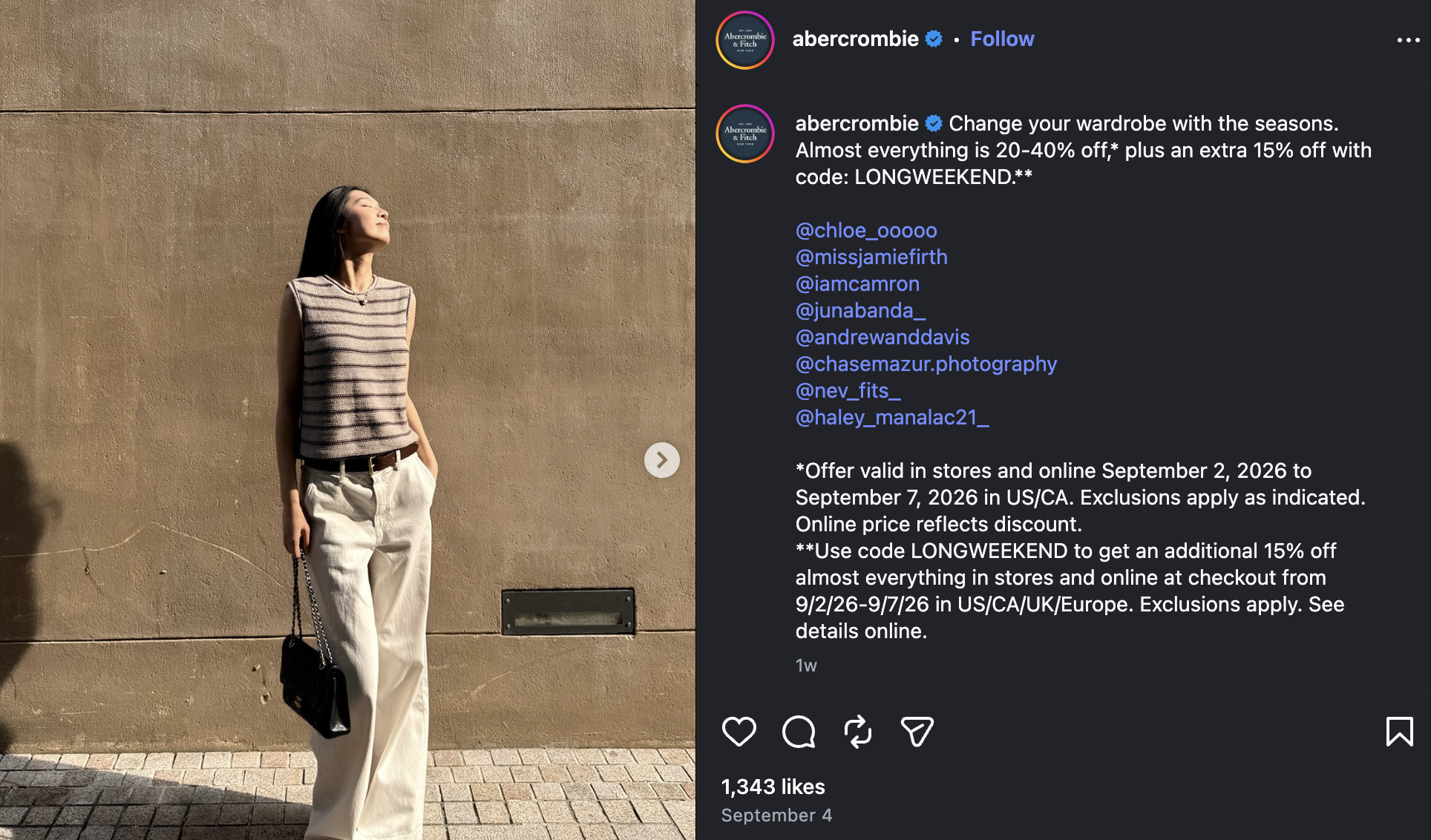
The 2026 holiday shopping season is heavily overshadowed by macroeconomic headwinds. With 69% of surveyed consumers expressing anxiety over tariff-related price inflation, traditional brand loyalty is taking a back seat to financial pragmatism. When asked what would actively persuade them to make a purchase, promo codes—whether deployed directly by the brand or amplified through trusted creators—emerged as the single most effective tool, cited by 30% of respondents.
This marks a notable evolution from 2025, when customer service track records and user-generated content (UGC) held sway as the primary drivers of purchase intent. In 2026, the mandate is clear: value is king.
The Shift in Content Preferences
To capture attention amidst the noise of the "ber" months, consumers are demanding transparency and utility from brand content. The top factors influencing purchase decisions this year include:
- Promo Codes and Discounts: 30%
- Products Shown in Action: 28%
- Original, Holiday-Specific Content: 23%
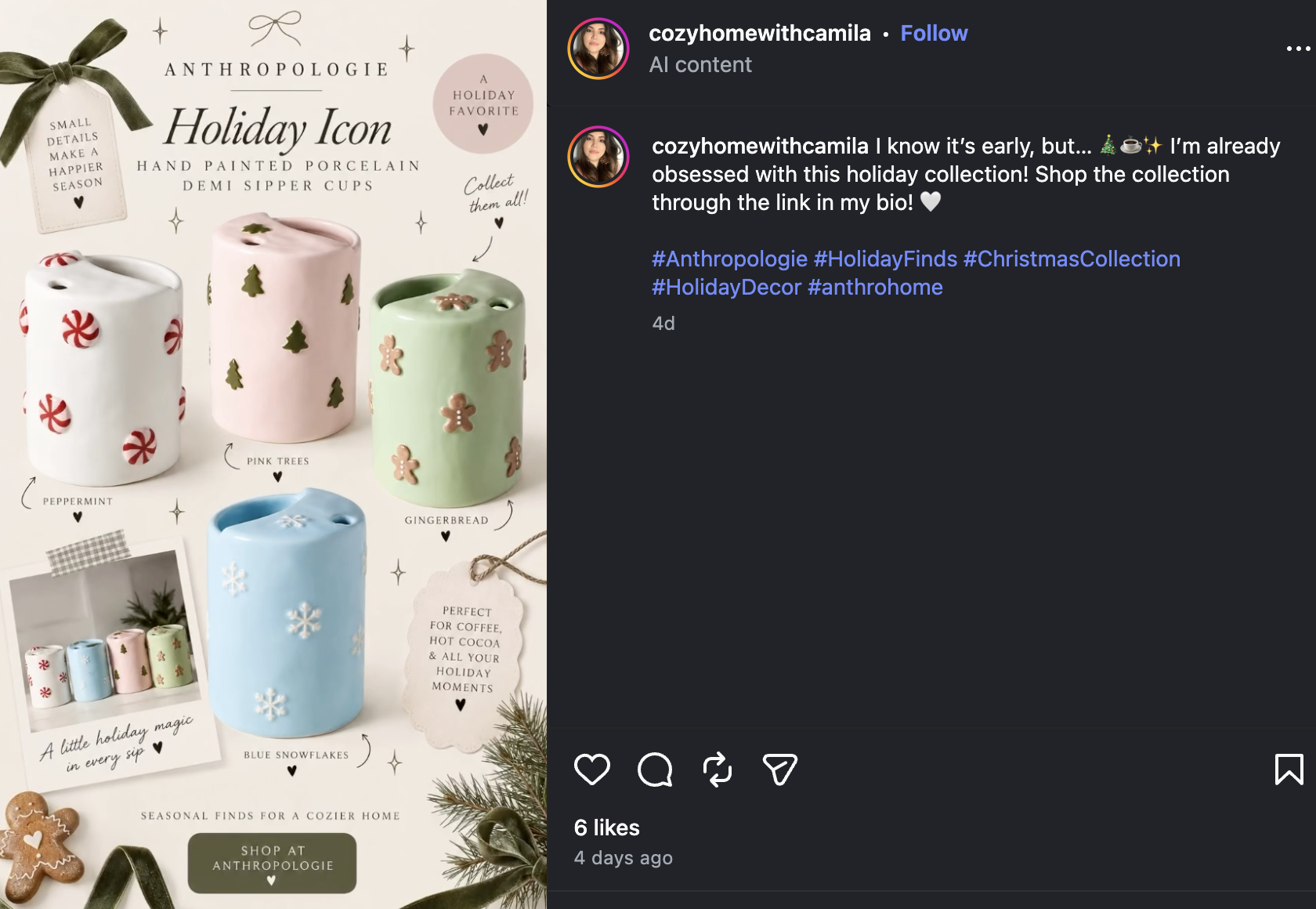
This highlights a golden opportunity for influencer marketing. Creators who can seamlessly blend functional product demonstrations with exclusive discount codes and festive storytelling are uniquely positioned to convert hesitant scrollers into paying customers.
Furthermore, social search continues to cannibalize traditional search engine behavior. Following trends established earlier in the year—where consumers preferred social search for experiential, visual recommendations like restaurants and travel (38%)—shoppers are now leaning heavily on social platforms to vet gift ideas, read peer reviews, and complete transactions natively via in-app features like TikTok Shop, Instagram Checkout, and Facebook Shops.
Official Responses and Industry Perspectives
Retail executives and digital strategists are taking note of these structural shifts. Industry analysts emphasize that brands can no longer treat social media merely as an upper-funnel brand awareness tool.
"Social media has fundamentally evolved from a digital billboard into a complete transactional highway," notes a leading digital commerce strategist. "Consumers discover the product via a peer recommendation, vet it through social search, check for a promo code, and purchase it natively without ever leaving the app. Brands that fragment this journey risk losing the modern, frictionless-driven consumer."
Simultaneously, customer service departments are bracing for an unprecedented wave of digital inquiries. With 86% of consumers planning to utilize social channels for customer support—predominantly via TikTok (50%), Facebook (46%), and Instagram (44%)—brands are forced to rethink their staffing and operational models.
Given that 70% of shoppers expect a response within 24 hours, and 89% state that response time dictates their post-purchase loyalty, customer care has transitioned from a back-office utility to a frontline reputation management tool. Notably, the public nature of these interactions—with 31% of users now opting to air customer service questions directly in public comment sections rather than private DMs—means that a mishandled complaint can quickly become a PR liability.
To bridge the gap between high inquiry volumes and lean holiday support teams, many retailers are turning to Artificial Intelligence. Fortunately, consumer sentiment has caught up with technological capability: 70% of shoppers (and 77% of Gen Z) are comfortable with brands offloading routine support tasks to AI, provided it expedites resolution. Industry experts, however, caution against full automation, recommending a "human-in-the-loop" model to maintain empathy and personalization.
Implications: Building a Resilient Social Strategy for the New Year
As brands finalize their holiday playbooks, the implications of the 2026 data point toward three strategic imperatives:
1. Optimize for the Full Social Funnel
Discovery and purchase must live under one digital roof. Brands must integrate native shopping experiences (TikTok Shop, Instagram Checkout) into their holiday campaigns to capitalize on impulse shopping and reduce friction for price-conscious buyers.
2. Prioritize Value and Practicality
With budgets strained by economic factors and tariff concerns, marketing messaging must pivot away from abstract luxury and toward tangible value. Heavy reliance on promo codes, transparent pricing, and educational content—such as showing products in real-world action—will outperform generic holiday cheer every time.
3. Fortify Social Customer Service
Because response times directly impact brand equity, and public comment sections are becoming the new help desk, brands must deploy robust preparation strategies. Combining AI-driven triage tools with dedicated human customer service agents, alongside comprehensive, easily accessible social FAQs, will safeguard brand reputation during the frantic holiday rush.
By aligning campaigns with these hard-earned insights from the Q3 2026 Sprout Social Pulse Survey, brands can successfully navigate economic headwinds, turn social scrollers into loyal customers, and set the stage for a prosperous new year.