
Industry Pulse: A Wave of Strategic Leadership Appointments Across the Meetings and Events Sector

The global meetings, events, and tourism landscape is undergoing a period of significant structural evolution. As destinations and convention centers pivot to meet the post-pandemic demand for personalized, high-impact gatherings, organizations are aggressively refreshing their leadership teams. From Cincinnati to Nashville, and Tucson to Houston, top-tier talent is being deployed to capture emerging market shares in sports tourism, international trade, and specialized conference planning.
This report examines the recent wave of high-profile appointments that are reshaping the trajectory of some of the most influential entities in the hospitality and meetings industry.
Main Facts: The New Guard of Event Leadership
The past month has seen a flurry of strategic movement across key industry hubs. These appointments are not merely routine hires; they represent a deliberate shift toward specialized expertise in fields like sports sales, film coordination, and complex venue management.

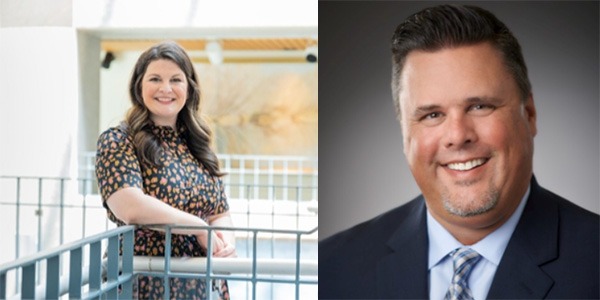
- Visit Cincy has bolstered its sales team with the additions of Katie Clark and Kevin Kraft, aiming to capture both the small-meetings market and the lucrative SMERF (Social, Military, Educational, Religious, and Fraternal) sector.
- Music City Center in Nashville has expanded its executive leadership, bringing in Anthony Lopez as President to oversee the operational heartbeat of one of the nation’s most active convention facilities.
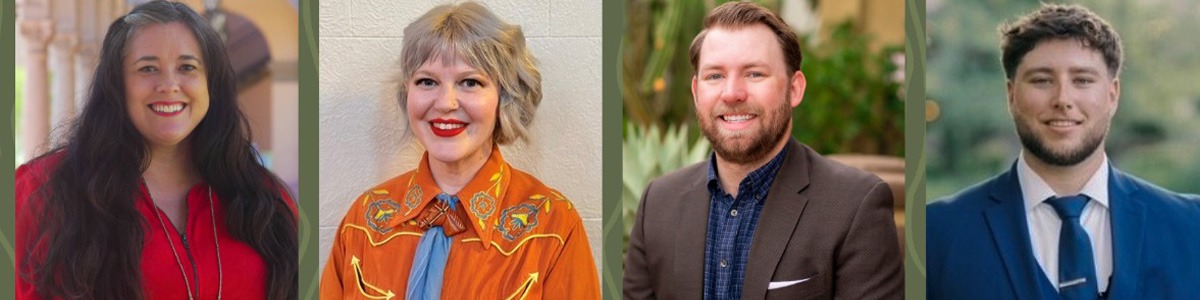
- Visit Tucson has embarked on a talent acquisition spree, adding four new professionals to its ranks to bolster its executive strategy, sports tourism, and film production support.
- Brand USA has secured veteran event strategist Daystar Van Wagner to manage its expansive international event portfolio.
- The Connecticut Convention & Sports Bureau has tapped industry veteran Christopher Grosse to lead its sports marketing efforts.
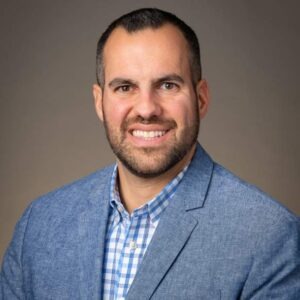
- Houston First Corporation is undergoing a significant internal reorganization, promoting Todd Holloman to a senior vice president role to oversee a revitalized approach to venue management and the city’s Convention District transformation.
Chronology: A Season of Structural Transition
The industry transition began in earnest as organizations prepared for the 2026-2027 fiscal cycle. While these appointments appear disparate, they follow a clear timeline of strategic planning that began in the first half of the year.
Phase 1: Regional Growth and Niche Market Capture (Early Q3)
Visit Cincy initiated its search for specialized sales talent. By September, the organization finalized the hiring of Katie Clark and Kevin Kraft. Their arrival signals a dual-pronged approach: Clark’s focus on the small-meetings sector addresses the rising demand for intimate, high-touch professional gatherings, while Kraft’s expertise in the SMERF segment—honed during his tenure at the Fairfield by Marriott Newport/Cincinnati Riverfront—provides the region with a competitive edge in securing recurring group business.
Phase 2: Operational Scaling and Executive Refinement (Mid Q3)
In Nashville, the Music City Center sought to optimize its massive 2.1 million-square-foot footprint. By bringing in Anthony Lopez, who possesses extensive experience from the Kay Bailey Hutchison Convention Center and Chicago’s McCormick Place, the Center has effectively split its executive focus. This allows CEO Charles Starks to dedicate his bandwidth to high-level finance and communications while Lopez ensures operational excellence across engineering, security, and technology.
Phase 3: Broad-Spectrum Expansion and Market Diversification (Late Q3)
As autumn approached, Visit Tucson and Brand USA made significant announcements. Tucson’s inclusion of four new specialists—Heather Molina (EVP), Chance Lamey and Kelson Coleman (Sports), and Jaclyn Ferrone (Film)—reflects a diversified growth strategy. Simultaneously, Brand USA’s move to hire Daystar Van Wagner to oversee global trade shows signifies an urgent need for centralized management as international travel demand rebounds.
Supporting Data: Why Experience Matters
The backgrounds of these new appointees provide insight into the current industry requirements. Experience is no longer just about tenure; it is about "cross-pollination" between sectors.
The Rise of the Sports Tourism Specialist
The appointment of Christopher Grosse by the Connecticut Convention & Sports Bureau is a prime example of the industry’s obsession with sports-driven revenue. Grosse’s background as a senior associate athletic director at UConn brings a "client-side" perspective to the bureau. By understanding the intricate needs of college athletic departments, Grosse is uniquely positioned to pitch Connecticut as a premier destination for sports tournaments, a segment that has become a recession-proof pillar for many regional convention bureaus.

The "Film and Destination" Synergy
Visit Tucson’s decision to hire a dedicated film production coordinator, Jaclyn Ferrone, highlights the intersection of tourism and the creative economy. As states offer more competitive film tax incentives, DMOs (Destination Marketing Organizations) are recognizing that the film industry serves as a powerful marketing tool. Coordinating permits and city-county logistics is no longer a peripheral task; it is a core business function that requires specialized staff.
Official Responses and Strategic Mandates
The mandates for these leaders are clear and ambitious.
Anthony Lopez at Music City Center:
In a statement regarding his new role, the organization emphasized that Lopez’s mandate is the seamless integration of technology into the guest experience. With a facility as large as Music City Center, the ability to manage complex "smart" systems—from high-density Wi-Fi for conferences to automated building management—is critical. His role serves as a bridge between the physical infrastructure of the building and the digital needs of modern event organizers.
Todd Holloman at Houston First:
The reorganization of Houston First is perhaps the most aggressive structural change reported. By creating a distinct department for "Venues and Events" and another for "Development," the organization is clearly preparing for a major capital improvement phase. Holloman’s promotion to SVP is a vote of confidence in his ability to manage the delicate balance of running a live theater and event venue while simultaneously navigating the disruption of a multi-year construction project in the Convention District.
Implications: The Future of the Meetings Industry
What do these appointments tell us about the future of the MICE (Meetings, Incentives, Conferences, and Exhibitions) sector?
1. The Death of the Generalist
The trend is moving decisively toward the "specialist." The days of a single sales manager handling every type of inquiry are waning. Instead, we see the rise of niche-focused roles—sports managers, film coordinators, and small-meeting planners. This shift allows for deeper expertise and more meaningful consultative relationships between venues and planners.

2. Operational Complexity is the New Normal
As demonstrated by the appointments in Nashville and Houston, venue management is becoming increasingly complex. It is no longer just about "heads in beds" or "square footage sold." It is about the ability to manage the entire ecosystem of an event: the technology, the security, the infrastructure, and the surrounding district development.
3. The "Experience Economy" and Destination Branding
The hiring of leaders like Christopher Grosse and Heather Molina suggests that the "Visit" brand is becoming a marketing powerhouse. They are moving beyond simple brochure-ware and into the realm of strategic brand development. By leveraging their backgrounds in athletic departments and agency-level DMO work, these individuals are bringing a sophisticated, metrics-driven approach to destination marketing.
4. Global Outlook for Brand USA
Daystar Van Wagner’s appointment is a bellwether for the international market. By centralizing the operational strategy for events across the UK, India, Latin America, and Canada, Brand USA is signaling that the global marketplace is once again a top priority. The standardization of these international trade shows will allow for more consistent branding and, crucially, better data collection on international attendee behavior.
Conclusion: A Resilient Industry in Motion
The flurry of activity across these organizations underscores a vital truth about the hospitality industry: it is a human-centric business that relies heavily on the quality of its leadership. As these new executives settle into their roles, the industry can expect to see a more professional, more specialized, and more data-driven approach to event planning and destination management.
While the challenges of the last few years—including labor shortages, inflationary pressures, and the rapid evolution of event technology—remain, these strategic appointments provide a roadmap for how the industry intends to move forward. By investing in talent that understands both the operational realities and the creative potential of the meetings sector, these organizations are not just filling roles; they are building the infrastructure for the next decade of global connectivity.
As the industry looks toward the remainder of 2026 and into 2027, the focus will undoubtedly shift to performance metrics. Can these new leaders drive the conversion rates in the SMERF sector? Can they effectively manage the physical transformation of convention districts? Can they successfully pivot towards high-value sports and film tourism? These are the questions that will define the success of these individuals and, by extension, the regions they serve. The stage is set for a new era of growth, and the players are now in position.