The New Professional Paradigm: What Gen Z is Teaching Us About the Future of Business Travel

When a seasoned travel journalist invites their 23-year-old daughter along on a professional reporting trip to Toronto, the expectation is usually one of mentorship: a transfer of wisdom regarding airport etiquette, the nuances of networking, and the grueling endurance required for back-to-back conference sessions. However, the reality of this intergenerational voyage proved to be a masterclass in the inverse.
As Gen Z continues to cement its position—now accounting for more than a quarter of the global workforce—their influence on corporate travel, event design, and the very definition of professional productivity is becoming impossible to ignore. By observing the deliberate, values-driven approach of the younger generation, veteran professionals are beginning to realize that the "grind" of the past may be yielding to a more sustainable, intentional, and technologically integrated future.
The Shift in Planning: From "Check-Box" to "Purpose-Driven"
The divergence in methodology began long before the flight touched down in Canada. As the itinerary for the Toronto trip was being finalized in partnership with Destination Toronto, the traditional approach—prioritizing meeting density and speaker panels—was immediately challenged.
For the veteran traveler, a "productive" trip is often defined by the volume of cards exchanged and sessions attended. For the Gen Z participant, however, the itinerary was viewed as an ecosystem. The questions asked were not, "How many panels can we fit in?" but rather, "How does this session contribute to our understanding of the city?" and "Where are the moments for genuine restoration?"
This shift represents a fundamental move away from "transactional travel." Where previous generations viewed cultural immersion and wellness as "extras"—pleasant bonuses to be squeezed into the margins of a trip—Gen Z views them as foundational to the work itself. This is not merely a preference for leisure; it is a strategic decision to ensure that travel is meaningful, sustainable, and mentally restorative, preventing the burnout that has plagued corporate road warriors for decades.
Chronology of a Crisis: Digital-First Problem Solving
The most striking contrast between the two generations materialized during a medical emergency on the third day of the trip. A painful, sudden ocular issue threatened to derail the author’s attendance at the prestigious Wellbeing at Work Canada Summit.
The veteran response was traditional and frantic: manual phone calls, physical location scouting, and a high-stress, trial-and-error approach involving local clinics. By 7 a.m., the author was in a taxi, only to be met with the administrative wall of a private clinic with a two-week waitlist.
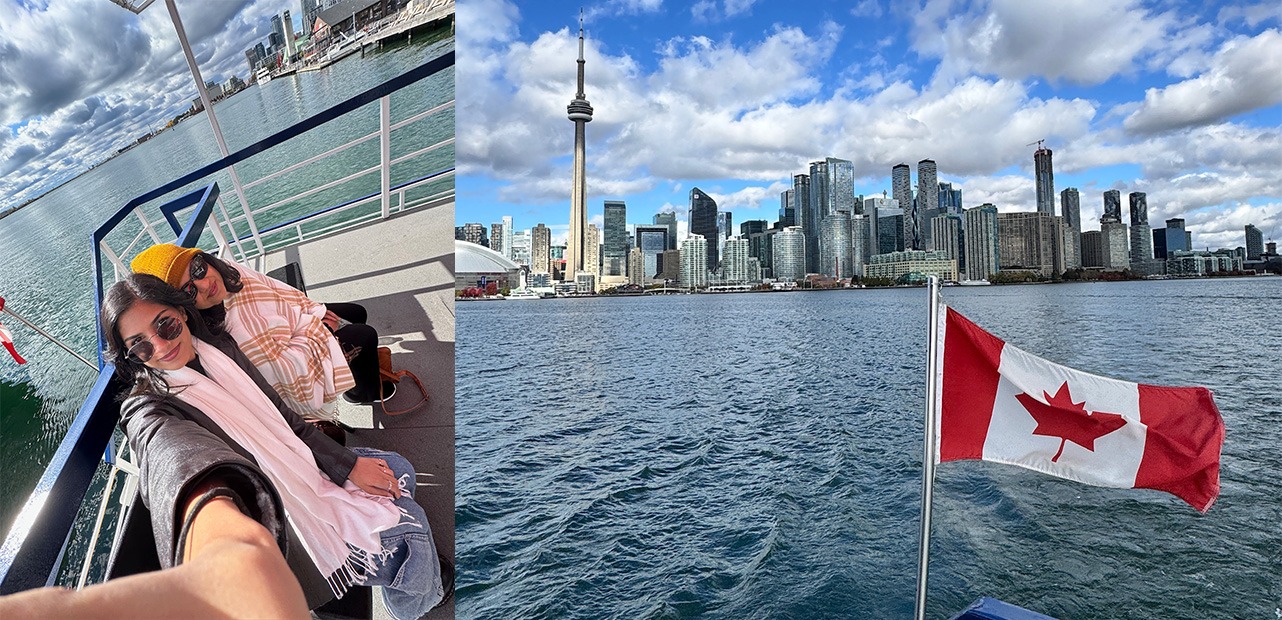
Conversely, the daughter’s response reflected the "digital-first" mindset inherent to a generation that has never known a world without instant information. Back at the Soho Hotel Toronto, she did not rely on physical navigation. Instead, she methodically utilized digital tools to map clinics that accepted out-of-pocket payments from international visitors, verified the information via concierge chat, and secured a confirmed appointment.
By noon, the author was in attendance at the summit. The "rescue" was achieved through quiet, efficient data synthesis rather than physical exertion. Later that evening, the generational divide in workflow was highlighted again: while the author relied on traditional scribbled notes—a method prone to error and fatigue—the daughter deployed AI-driven transcription tools to capture and synthesize the meeting’s essence. This underscored a crucial reality: Gen Z isn’t just working differently; they are using technology to augment their output, ensuring higher quality results with less cognitive friction.
The Data Behind the Disruption
The anecdotal evidence from this trip mirrors broader, data-driven trends documented by global research firms. According to the 2026 Deloitte Gen Z and Millennial Survey, the prioritization of mental health and the aversion to burnout are not peripheral concerns—they are central to the professional identity of the younger workforce. Nearly 50% of Gen Z respondents explicitly cite burnout as a primary barrier to their long-term success.
This demographic shift is forcing a recalibration of the meetings and events industry. Planners are moving away from the "one-size-fits-all" lecture hall format toward experiential, modular designs. As McKinsey & Company has noted in their analysis of the "Gen Z Equation," this generation demands transparency, authenticity, and alignment between their personal values and their professional output. If a conference does not provide an environment that supports these needs, they are increasingly likely to disengage.
Industry Perspectives: Designing for the Future
The industry is beginning to listen. Hailey Dawood, Owner & Chief Huntress at The Idea Hunter, notes that the demand for "intentionality" is rewriting the playbook for event production.
"Breakouts and choice are key," Dawood explains. "Instead of unstructured mingling, we are seeing a move toward structured connection experiences, such as ‘Brain Dates,’ where attendees are pre-set to meet specific people based on shared interests or goals. We are also seeing a surge in demand for ‘Recharge Sessions’—sound baths, mindful stretching, or dedicated journaling corners."
Dawood highlights that while these concepts are currently seen as "innovative," they are rapidly becoming the industry standard. "We’re still designing across generations," she admits. "Older generations might view these as a distraction from the ‘real’ work, but younger audiences see them as a way to maintain the energy required for the ‘real’ work. My prediction is that within the next decade, as millennials and Gen Z take on more leadership roles, this wellness-integrated approach will be the absolute norm."

Implications for Corporate Travel and Beyond
The implications of this shift are profound for both the employer and the event organizer. If the goal of business travel is to foster collaboration, innovation, and knowledge transfer, then the environment must support the holistic well-being of the participant.
1. The Death of the "Marathon" Agenda
The era of the eight-hour day spent in windowless conference rooms is drawing to a close. Forward-thinking companies are now building "buffer time" into itineraries, recognizing that attendees who have time to exercise, explore local neighborhoods, or simply breathe are more engaged during sessions. Experiences like the food tours with Aashim Eats or sessions at Othership are not just "fun"—they are essential to the mental clarity required for high-level business interactions.
2. Technology as an Enabler, Not a Distraction
Gen Z’s comfort with AI and digital orchestration is a competitive advantage. Companies that resist the integration of these tools into their business travel workflows will inevitably lag behind. Whether it is AI-powered transcription or real-time location mapping, the ability to outsource the "grunt work" to technology allows for a higher focus on the human element of networking.
3. Sustainability and Purpose
For Gen Z, travel must be justified. They are increasingly critical of carbon-heavy travel for meetings that could have been handled via high-fidelity video conferencing. Consequently, when they do travel, they expect the experience to be high-impact. This means event planners must provide content that is deep, meaningful, and transformative rather than superficial.
Conclusion: The New Definition of Value
The lesson learned in Toronto was not about technology, nor was it about the specific itinerary of a conference. It was a lesson in the evolving definition of "value."
For the veteran professional, value was once measured by endurance—by how much one could pack into a day. For the next generation, value is measured by the quality of the connection, the sustainability of the practice, and the intentionality of the experience.
As we look toward the future, the most successful organizations will be those that create space for these different definitions of productivity to coexist. By integrating the structural wisdom of older generations with the intentional, wellness-focused, and tech-forward mindset of Gen Z, the future of business travel looks not only more efficient but significantly more human. The "Gen Z effect" is here, and it is a welcome upgrade to the way we work, travel, and connect.