The Anti-Algorithm: How bartaco’s CEO is Reclaiming Human Connection in an Automated Era

In an era defined by the rise of artificial intelligence, automated kiosks, and the systematic removal of human touchpoints from the service industry, one national restaurant chain is heading in the opposite direction. While industry giants scramble to replace front-of-house staff with chatbots and algorithmic order-taking, bartaco—the popular, coastal-inspired street food brand—has taken a radical, low-tech gamble.
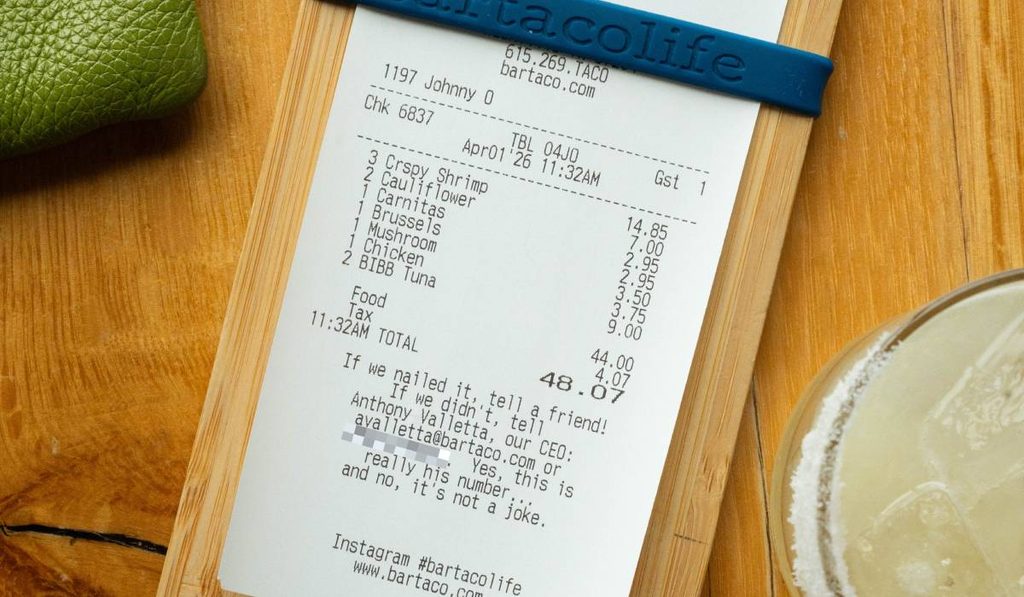
Anthony Valletta, the CEO of bartaco, has made himself more accessible than perhaps any other executive in the hospitality sector. By printing his personal cell phone number and email address on every single guest receipt across all 31 locations, Valletta has bypassed the layers of corporate bureaucracy that typically insulate leaders from their customers. The receipts carry a simple, bold promise: "If you had a great time, tell a friend. If you didn’t, contact our CEO." And, for those who might assume it is a clever marketing stunt, the receipt adds a final, emphatic caveat: "No, this is not a joke."
The Genesis of the "CEO Hotline"
The initiative began as a quiet, internal experiment. Initially, Valletta didn’t even notify his own staff; he simply coordinated with the IT department to update the point-of-sale systems to include his contact information. He wanted to test the pulse of the brand without the filter of management layers.
The strategy was born out of a growing frustration with the modern disconnect between corporate suites and the actual dining room experience. In a world where guests are increasingly forced to navigate robotic voice prompts or impersonal web forms, Valletta decided to strip away the artifice. He wanted to hear the good, the bad, and the ugly, directly from the people who keep the lights on: the guests.
"I expected to be dealing mostly with guest complaints," Valletta admits. "But the adverse actually happened."
What he found was that the vast majority of outreach—roughly 80 percent—consisted of compliments, shared stories, and genuine brand affinity. What began as a potential "complaint department" quickly morphed into a direct channel of consumer research that no focus group could replicate.
A Viral Catalyst and Growing Demand
The initiative took on a life of its own after a clip from a podcast featuring Valletta went viral on Instagram and TikTok, amassing 1.6 million views. The response was immediate and overwhelming.
The "CEO Hotline," as it has become known, now commands between 45 minutes and two hours of Valletta’s daily schedule. On peak days, such as Fridays and Saturdays, he routinely fields between 50 and 100 contacts. Despite the sheer volume, Valletta insists on personally responding to every text, voicemail, and email.
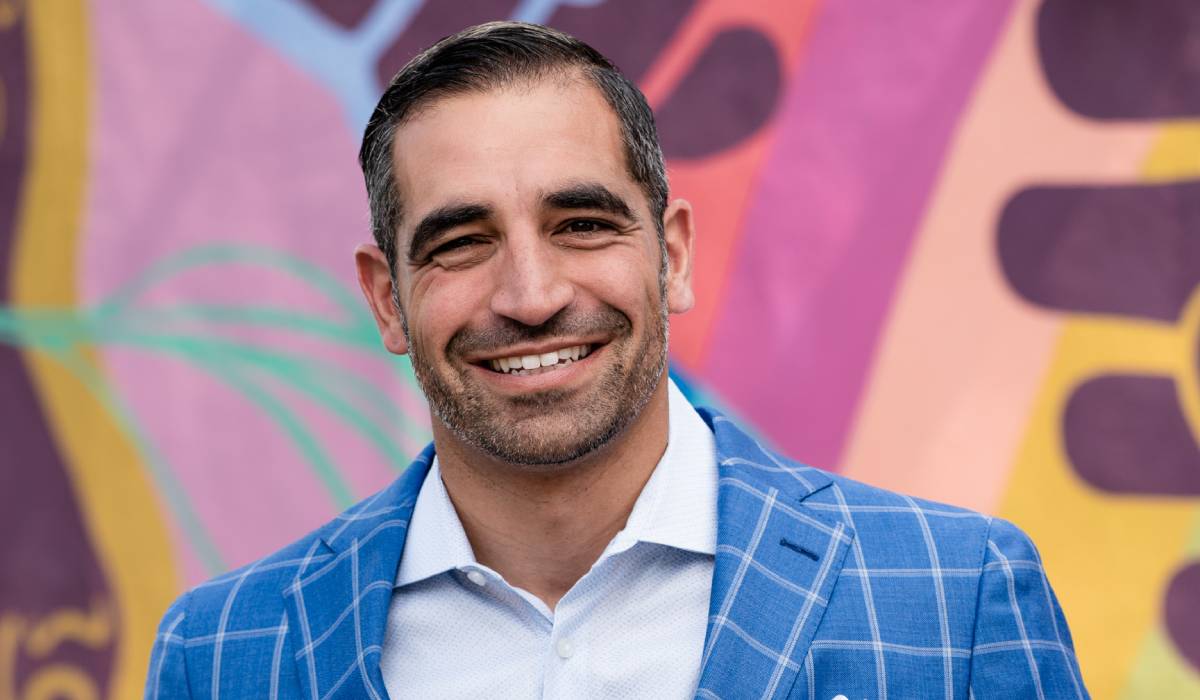
This level of dedication is, by any standard, an anomaly in modern executive management. When questioned by skeptics on platforms like LinkedIn about how he balances this with his actual job, Valletta is unflinching. "I have a million other things I could do—growth, marketing, operations—but this is the most important thing," he says. "It drives my business. Without my guest, nothing else matters."
Chronology of Connection: From Receipts to Retro Phones
The success of the digital hotline spurred a physical manifestation of the concept. On June 2, the team at bartaco took the experiment into the dining room at their Port Chester, New York, location. They installed a vintage, blue analog telephone, creating a live, "old-school" connection point for diners.
Guests could pick up the receiver and reach Valletta directly, bypassing the digital interface entirely. "We wanted that retro nostalgia feeling," Valletta explains. "The old-school way, where it wasn’t AI-enabled, it wasn’t some bot replying. It was just a landline and a voice."
The phone remained busy throughout the day, providing memorable moments for staff and guests alike. One highlight included a call from a young child praising the brand’s quesadillas and coloring books, a testament to the effectiveness of the restaurant’s family-friendly design. For Valletta, these aren’t just one-off interactions; they are the bedrock of brand loyalty.
Operational Intelligence: Using Feedback to Drive Change
While the hotline serves as a customer service tool, its true value lies in the operational shifts it has triggered. Valletta’s direct line to the consumer has highlighted gaps in the brand’s communication that otherwise might have remained invisible.
One of the most eye-opening revelations was that guests were confused by the terminology used for certain offerings. For instance, the brand’s "High Tide Hour" was intended to be a playful nod to the surf-culture roots of the company. However, the feedback loop made it clear that guests simply didn’t understand it meant "happy hour." The solution was as simple as it was effective: they changed the name to "Happy Hour."
Similarly, many guests were unaware that bartaco operates as a scratch-made kitchen. When customers called to ask about modifications, their confusion led the team to re-evaluate their in-restaurant messaging and social media storytelling. The brand is now placing a greater emphasis on educating guests about their sourcing and preparation methods, clarifying what can be customized and why certain house-made marinades are prepared in batches.
The Cultural Ripple Effect: Accountability and Pride
The impact of the hotline extends deep into the internal culture of bartaco. Initially, the move to include the CEO’s number on receipts created a new, unintentional layer of accountability. General Managers and regional directors, knowing that the CEO is one text message away from any disgruntled guest, are increasingly vigilant about ensuring every experience is seamless.
However, the effect on frontline staff has been equally profound, though in a more positive direction. Rather than feeling monitored, many employees report a sense of pride. In a Nashville location, a staff member famously called the number just to verify if it was real. When they heard Valletta’s voice on the other end, the staffer felt a renewed sense of investment in the company’s vision. They were working for a leader who was not only accessible but physically present in the daily struggles and triumphs of the restaurant floor.
Implications for the Future of Hospitality
Valletta is clear about his stance on the role of technology in the restaurant industry. He believes that tech should be reserved for the back-of-house—optimizing supply chains, marketing, and operational efficiency—rather than becoming a barrier between the brand and the guest.
"I think a lot of companies talk about being ‘guest-first’ and don’t provide opportunities for them to really be a part of shaping the brand," he says. "The first thing we do as a brand every morning is, we read our reviews, then we look at sales. I don’t think that’s a very common practice."
His perspective poses a challenge to the broader industry. As competitors rush to implement AI-driven drive-thrus and automated ordering systems to save on labor costs, Valletta argues that they are sacrificing the very essence of full-service dining: the human connection. He predicts that brands that fail to prioritize authentic listening will find themselves increasingly out of touch with the modern consumer, who is increasingly starved for genuine, human-centered experiences.
Conclusion: The Path Forward
As bartaco looks toward the future, the "CEO Hotline" is likely to evolve. Valletta suggests that further interactive initiatives are on the horizon, aimed at deepening the bond between the brand and its community.
By choosing to be the person who picks up the phone, Anthony Valletta has turned a standard, discarded piece of thermal paper—the receipt—into a powerful tool for brand building and operational excellence. It is a bold,, and perhaps risky, rejection of the "efficiency at all costs" mantra that dominates the restaurant sector.
Ultimately, the initiative serves as a reminder that the most sophisticated technology in the world cannot replicate the insights gained from a 45-minute conversation with a loyal customer. In a business that thrives on creating "feel-good memories," the most effective strategy may be the simplest one: listening. As Valletta puts it, "I’m trying to back up what I say we’re going to do. We’re going to put our guests first, and we’re going to always listen to them."
For the rest of the industry, the message is clear: if you aren’t making time for your guests, you might soon find that they have no time for you.