Beyond Legend and Legacy: What Hasselblad Can Still Improve on the 907X and CFV 100C Ecosystem

By Professional Photography Desk
Published in partnership with industry hardware analysis
Main Facts
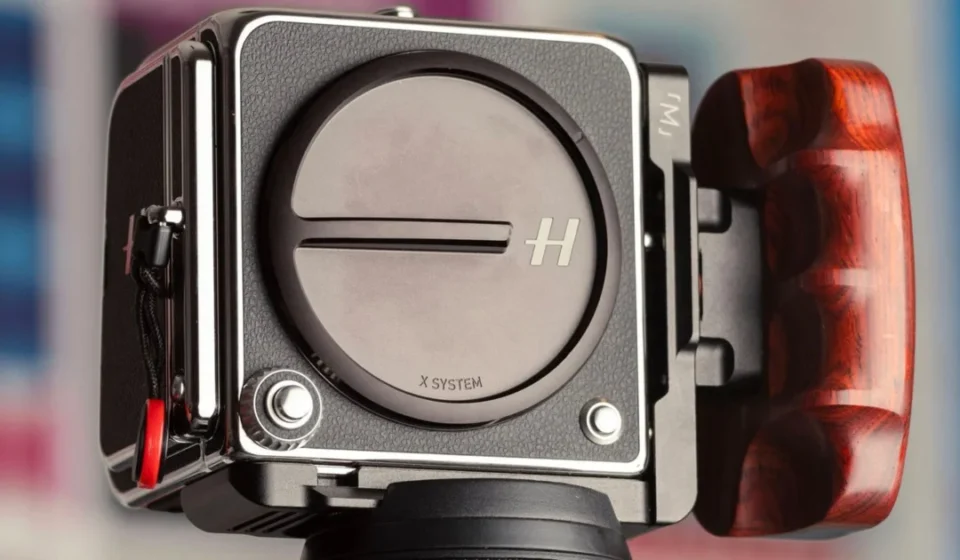
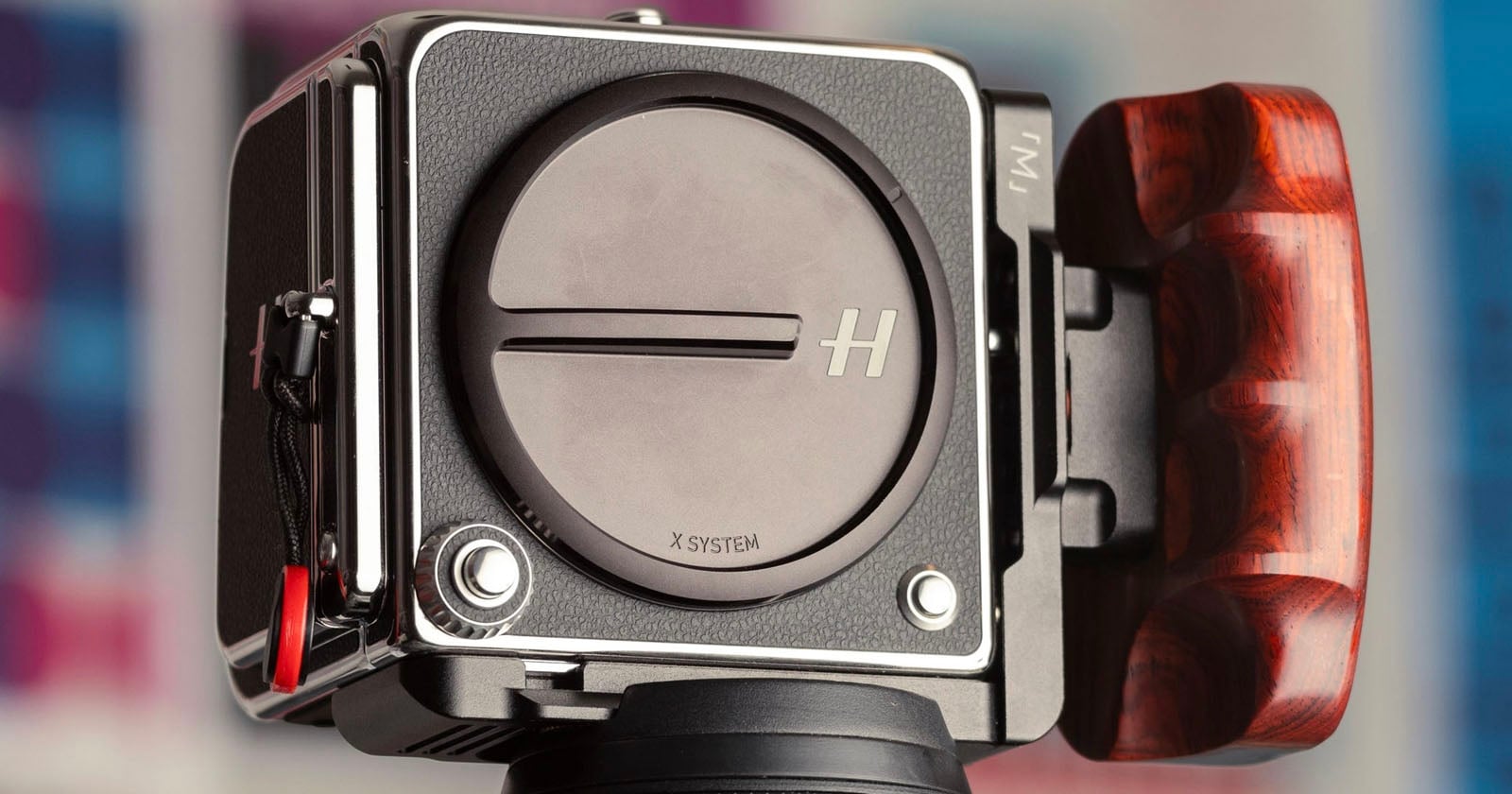
Hasselblad occupies a peerless, almost mythological space in the history of photography. From the mechanical genius of its legendary V-System to its historic journey as the camera of choice carried by NASA astronauts to the surface of the Moon, the Swedish manufacturer’s legacy is built on exceptional engineering, peerless color science, and tactile luxury. Modern iterations—such as the modular Hasselblad 907X and CFV 100C digital back—marry vintage modular aesthetics with cutting-edge 100-megapixel medium format sensor technology.
Yet, even the most exquisitely crafted luxury photography gear leaves room for improvement. Following extensive field-testing over a rigorous one-month period, professional product designers and seasoned landscape shooters have compiled a critical evaluation of the 907X and CFV 100C system. While Hasselblad’s design philosophy rightly prioritizes minimalism—eschewing convoluted, multi-layered menus akin to modern mirrorless juggernauts—certain ergonomic choices, software omissions, and hardware workflow bottlenecks continue to frustrate working professionals.
This deep-dive analysis reviews eight specific areas where firmware updates and ergonomic refinements could elevate the Hasselblad user experience from merely exceptional to truly flawless.
Chronology: The Evolution of Hasselblad’s Modular Philosophy
To understand the modern 907X and CFV 100C, one must trace the lineage of Hasselblad’s medium format philosophy across decades of technological transitions.
- 1948 – The Birth of the V-System: Victor Hasselblad introduces the 1600F, establishing the modular camera concept that would define medium format photography for generations. Ergonomics, mechanical precision, and user experience (UX) were prioritized long before "UX design" became a standard corporate discipline.
- 1969 – The Lunar Milestone: The Hasselblad 500EL captures humanity’s first steps on the Moon, cementing the brand’s reputation for reliability under extreme operational environments.
- 2019–2024 – The Digital Reimagining: Hasselblad introduces the 907X camera body paired with the CFV II 50C, later culminating in the ultra-high-resolution CFV 100C digital back (100 megapixels). This system bridges the gap between historical V-System film cameras and modern digital workflows, allowing the digital back to be mounted to vintage mechanical bodies or the ultra-slim 907X body.
- Present Day – The Critical Evaluation Phase: While lauded for its breathtaking image quality and unmatched Phocus mobile ecosystem, photographers using the ecosystem extensively in the field identify persistent firmware and physical control limitations that run counter to modern high-end field demands.
Supporting Data: Examining the Pain Points of the 907X & CFV 100C
Despite glowing reviews for its color rendering, build quality, and form factor, the 907X/CFV 100C combination presents distinct operational hurdles. Below is an exhaustive breakdown of the eight core areas where Hasselblad can dramatically improve the user experience.
1. 907X Rotary Dial Customization and Ergonomics
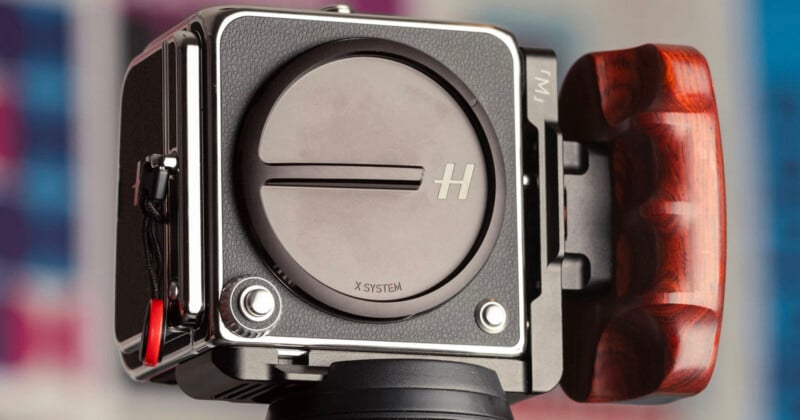
The primary rotary dial positioned around the shutter button on the 907X body changes aperture in Aperture Priority mode and shutter speed in Shutter Priority mode. However, in Manual mode, it strictly controls the aperture. To alter the shutter speed in Manual mode, the user must physically hold down a secondary function (Fn) button on the right side of the camera while rotating the dial.
This "Hold" requirement is cumbersome and ergonomically counterintuitive. Transitioning the Fn button to a "Toggle" mode—allowing a single press to alternate the rotary dial’s function—would instantly resolve this friction. Furthermore, the inability to reverse the clockwise/counterclockwise rotational behavior of the dials alienates users accustomed to other camera ecosystems.
2. Haptic Feedback and Audio Cues for Horizon Leveling
Hasselblad medium format systems are heavily favored by landscape and architectural photographers due to their extreme resolving power and precision alignment. While digital bodies feature an internal accelerometer called the "Spirit Level," checking a visual virtual horizon on an LCD screen under bright, direct sunlight is notoriously difficult.
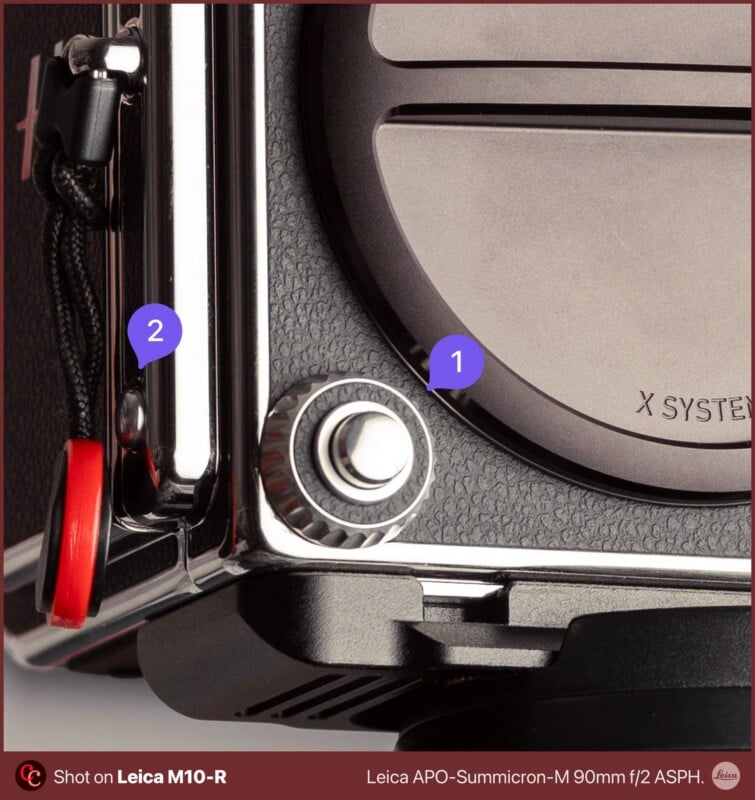
By introducing audible beeps or haptic feedback—similar to the seamless tactile notifications found in contemporary mobile operating systems—when the camera achieves a true horizontal or vertical state, Hasselblad could eliminate guesswork for outdoor shooters without adding any new hardware overhead.
3. Default to Leaf Shutter Upon XCD Lens Connection
XCD lenses utilize integrated leaf shutters rather than focal-plane shutters housed in camera bodies. These leaf shutters remain closed by default until an exposure is made. However, the camera firmware frequently defaults to or encourages electronic shutter operation under certain conditions, which introduces severe rolling shutter artifacts.
When an authentic native XCD lens is mounted, the system firmware should automatically prioritize the physical leaf shutter by default, reserving the electronic shutter strictly for adapted legacy glass (such as Leica or vintage rangefinder lenses).

4. Customization of Aperture Ring Direction
For photographers who transition between multiple camera brands or vintage manual lenses, muscle memory dictates operational speed. The inability in current firmware to reverse the operational direction of electronic aperture rings prevents users from standardizing their tactile workflow across different lens lineups.
5. Customization of Focus Rings on "P-Series" Lenses
Hasselblad’s "P-series" lenses feature a minimalist, single-ring design dedicated strictly to manual focusing via a "fly-by-wire" electronic connection. Because these rings are entirely electronic rather than mechanically linked to physical helicoids, software-based reassignment should be trivial. Allowing photographers to rebind this ring to control aperture while leaving shutter speed on the rotary dial would maximize tactile efficiency.
6. The Absence of Lossless Compression on RAW Files
Uncompressed 100-megapixel RAW files from the CFV 100C routinely hover around the 200 MB mark. Because the system lacks In-Body Image Stabilization (IBIS), landscape and studio photographers frequently capture multiple consecutive frames (e.g., bursts of two to four shots) to hedge against micro-blur and camera shake. This quickly results in gigabytes of data per composition, putting immense strain on storage infrastructure. The integration of a true lossless compression RAW algorithm would significantly reduce file sizes without sacrificing dynamic range or highlight recovery.
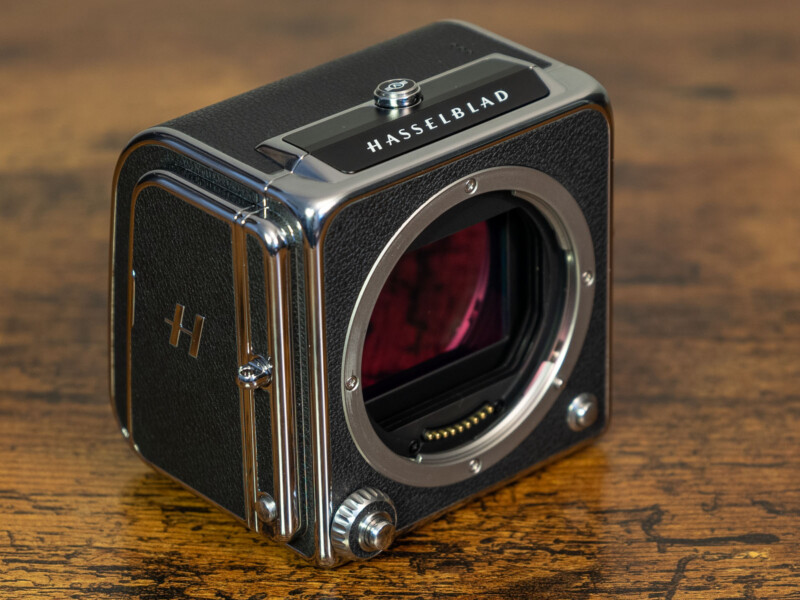
7. Gyro-Assisted AF Lock (Gyro AF Lock)
Advanced mirrorless systems, notably the Leica Q series, utilize internal gyroscope data to enable "Gyro AF Lock." When a photographer selects a focus point, locks focus, and subsequently shifts their framing to recompose the shot, the camera utilizes internal gyro telemetry to dynamically track and adjust the focus plane. Because the Hasselblad hardware already contains the necessary internal gyroscopes for its virtual spirit level, implementing Gyro AF Lock via a firmware patch is entirely feasible and would streamline off-center composition.
8. Restrictive LCD Control and Post-Shot Review Behavior
When pairing the CFV digital back with a vintage mechanical V-System film body (such as a 500-series camera), the LCD screen automatically displays an intrusive image preview after every single actuation. For purists seeking a pure, distraction-free analog shooting experience with digital backend capture, the inability to completely disable post-shot LCD previews is a notable design oversight. Current display settings are overly sparse, offering adjustments only for brightness, variable refresh rate (VRR), and overexposure warnings.
Official Responses and Manufacturer Philosophy
Hasselblad’s product development leadership has historically defended its minimalist approach, arguing that stripping away excessive menu bloat and endless feature customization allows photographers to concentrate entirely on framing, lighting, and narrative content.
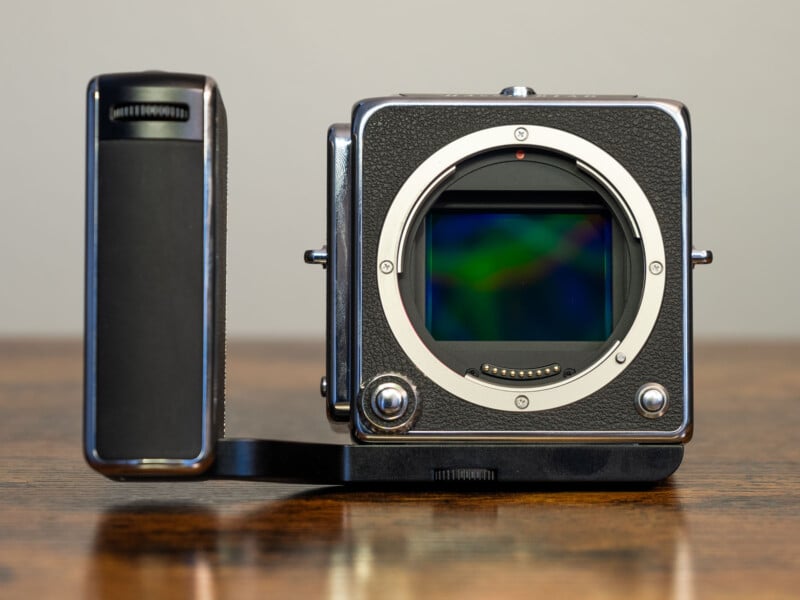
Unlike competitors that lean into hyper-complex, consumer-electronic feature sets laden with sub-menus, Hasselblad’s design rationale mirrors the Bauhaus ethos: form follows function, and tools should be transparent mediums between the artist and the subject. Company representatives have consistently emphasized that reliability, color accuracy, and optical mastery take precedence over feature-chasing. Nevertheless, industry analysts note that as modular medium format systems increasingly cross over into dynamic hybrid workflows, balancing minimalist heritage with modern ergonomic flexibility will become essential for retaining market share among discerning professionals.
Implications for the High-End Photography Market
The critiques leveled against the Hasselblad 907X and CFV 100C ecosystem highlight a broader tension within the high-end photographic hardware market. As brands like Fujifilm (GFX series), Leica, and Hasselblad compete for affluent enthusiasts, commercial shooters, and fine-art photographers, hardware excellence alone is no longer sufficient.
Key Takeaways for the Industry:
- UX Continuity: Photographers investing upward of $10,000+ in modular gear expect deep operational customization to match their idiosyncratic physical habits.
- Storage and Workflow Realities: As sensor resolutions scale past 100 megapixels, camera manufacturers must prioritize intelligent file management tools, including advanced lossless compression, to mitigate ballooning storage and data-transfer bottlenecks.
- Bridging Analog and Digital: Products like the CFV 100C prove that there is a passionate demographic eager to merge vintage modular craftsmanship with digital speed. Honoring that workflow requires giving users absolute control over modern digital conveniences—such as turning off LCD screens completely when shooting a mechanical film body.
Ultimately, Hasselblad’s cameras remain legendary engineering triumphs. By listening closely to field feedback and addressing these targeted firmware and ergonomic bottlenecks, the Swedish icon can ensure that its future systems achieve not just historical reverence, but modern perfection.
Related posts: