Comments Off on Qualcomm’s Snapdragon 8 Elite Gen 6: Redefining Mobile Imaging Through Hardware-Accelerated AI and Pixel-Level Control
MAUI, Hawaii — At the annual Snapdragon Summit, Qualcomm Technologies unveiled its next-generation mobile silicon architecture, positioning the new Snapdragon 8 Elite Extreme Gen 6 and Snapdragon 8 Elite Gen 6 as foundational leaps forward for computational photography. Built on an advanced 2-nanometer manufacturing process, these chips introduce sophisticated hardware-level integrations designed to fundamentally change how smartphone cameras capture, process, and verify images.
During an extensive one-level briefing, Judd Heape, Qualcomm’s Vice President of Product Management for Multimedia, detailed the structural engineering behind the new Spectra Image Signal Processor (ISP) and its accompanying Neural Processing Unit (NPU) pipelines. While the hardware introduces groundbreaking capabilities—including pixel-level scene segmentation, hardware-accelerated 3D LUT color grading, and native Bayer-level noise reduction—Qualcomm has deliberately left the ultimate tuning and feature deployment in the hands of Original Equipment Manufacturers (OEMs).
This approach creates a complex landscape for the future of mobile photography, balancing unprecedented technical headroom with the ongoing debate over digital authenticity and algorithmic manipulation.
Main Facts: What the Snapdragon 8 Elite Gen 6 Delivers
The headline architectural change in the Gen 6 series is the deployment of Intelligent Pixel Control, a real-time semantic segmentation engine powered by dedicated silicon hardware rather than borrowed NPU cycles.
Pixel-Level Understanding: Rather than applying a blanket adjustment across an entire frame, the NPU generates a contextual metadata layer that identifies specific elements within a scene—such as skin, hair, grass, fabric, and sky—allowing the ISP to tune each zone independently at the moment of capture.
Expanded Bit Depth and Metadata Handoff: The ISP operates with a doubled bit depth, utilizing an extra 16 bits of metadata per pixel supplied by the NPU. Crucially, this contextual data does not bloat file sizes; it influences the final JPEG in real time before disappearing, leaving no invasive personal data embedded in the final image file.
Triple 64-Megapixel Zero-Shutter Lag: The new Spectra ISP expands zero-shutter-lag support from three 48-megapixel sensors to three 64-megapixel sensors, while maintaining a triple 20-bit dynamic range pipeline.
Hardware-Level Bayer Denoising: For raw shooters, Qualcomm has introduced "Bayer Massive Multi-Frame Noise Reduction with AI," embedding temporal noise reduction directly into the pipeline at the raw sensor level before YUV conversion.
C2PA Provenance Integration: Utilizing a five-year partnership with Truepic, the chips support local, on-device cryptographic signing through the Coalition for Content Provenance and Authenticity (C2PA) framework to establish an immutable history of an image’s origin and editing lifecycle.
Chronology of the Snapdragon Summit 2026 Announcements
The rollout of the Snapdragon 8 Elite Gen 6 mobile platforms unfolded over several days at the summit in Maui, highlighting both technological triumphs and early hardware adoption:
Day One Keynote: Qualcomm officially took the wraps off the Snapdragon 8 Elite Extreme Gen 6 and standard Gen 6, emphasizing their 2-nanometer foundation and the overarching theme of agentic AI integration.
One-on-One Technical Briefings: Judd Heape sat down with media to unpack the mechanics of the 16-bit metadata handoff, clarifying that transient processing avoids expanding file sizes while drastically improving selective exposure and dynamic range.
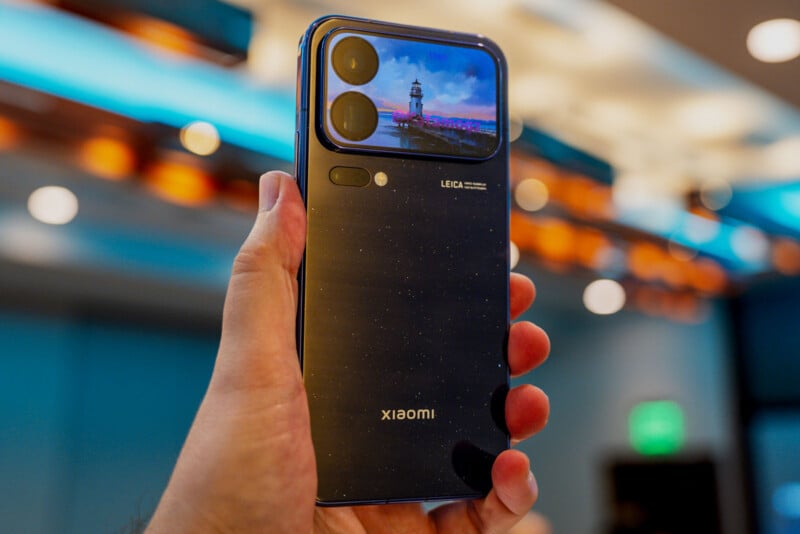
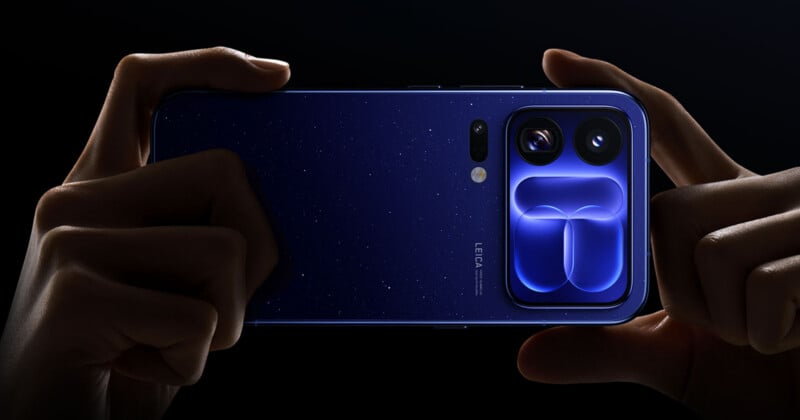
Global Device Debuts (China Market): Xiaomi became the first manufacturer to market with the new silicon, introducing the Xiaomi 18 Series (including the Xiaomi 18 Pro Max) featuring triple Leica camera systems running on the Gen 6 platform, though initially limited to the domestic Chinese market.
Panel Discussions and Global Flagship Previews: Subsequent panel sessions at the summit addressed real-time color grading and low-light pipeline modifications. Meanwhile, Motorola announced that its upcoming Q4 2026 flagship, the Motorola Signature 27, will utilize the Extreme Gen 6 chip and is slated to be one of the first devices capable of supporting 8K video recording at 60 frames per second.
Supporting Data and Technical Architecture
To understand why Qualcomm’s latest mobile processors represent a paradigm shift, one must examine the hardware architecture governing the Spectra ISP and its supporting accelerators.
The Element Accelerator and NPU Handoff
In previous-generation chipsets, tasks requiring artificial intelligence—such as object recognition or scene segmentation—frequently competed for compute cycles within the primary Neural Processing Unit. The Gen 6 architecture solves this bottleneck by introducing a dedicated Element Accelerator. This purpose-built hardware block manages the heavy lifting of semantic segmentation and color tools, allowing the NPU and ISP to communicate seamlessly without compromising processing speed.
According to Heape, the pipeline allows images to temporarily exit the ISP, undergo specialized processing on the CPU or NPU, and route back into the pipeline before final encoding. This flexibility enables manufacturers to implement advanced computational photography tricks—such as localized low-light exposure correction—without turning night scenes into unnaturally brightened daytime simulations.
Throughput and Square Sensor Support
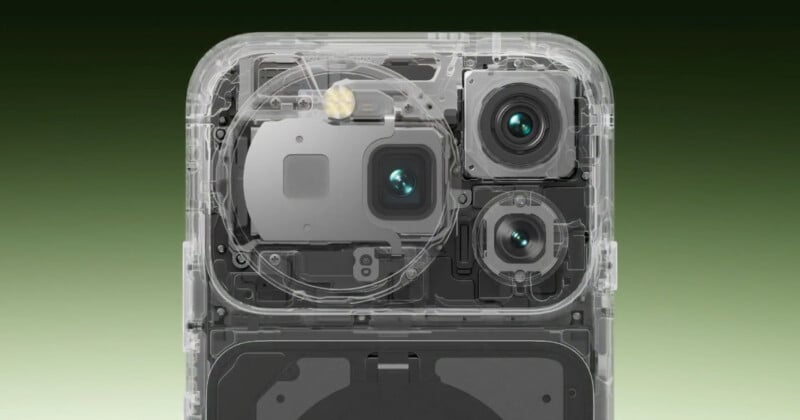
Megapixel counts alone do not dictate video performance; throughput is the governing metric. The Gen 6 ISP boasts the processing bandwidth necessary to support three simultaneous 4K live video streams at 30 frames per second from three distinct cameras.
This immense throughput also unlocks native support for square image sensors. Because the hardware pipeline is orientation-agnostic, manufacturers can implement square sensors that allow users to shoot in portrait or landscape orientations dynamically on the fly without requiring mechanical or physical sensor rotation.
Elite Color Engine and Motion Intelligence
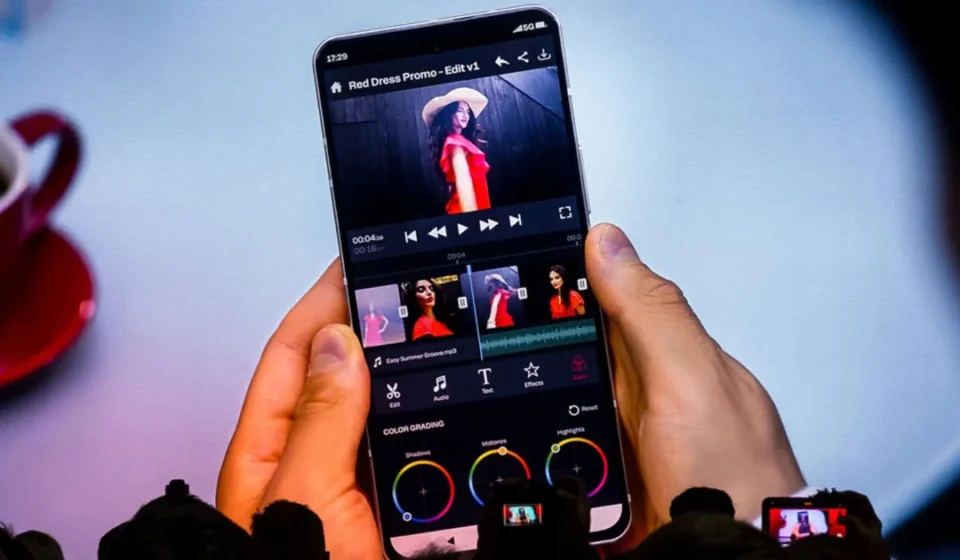
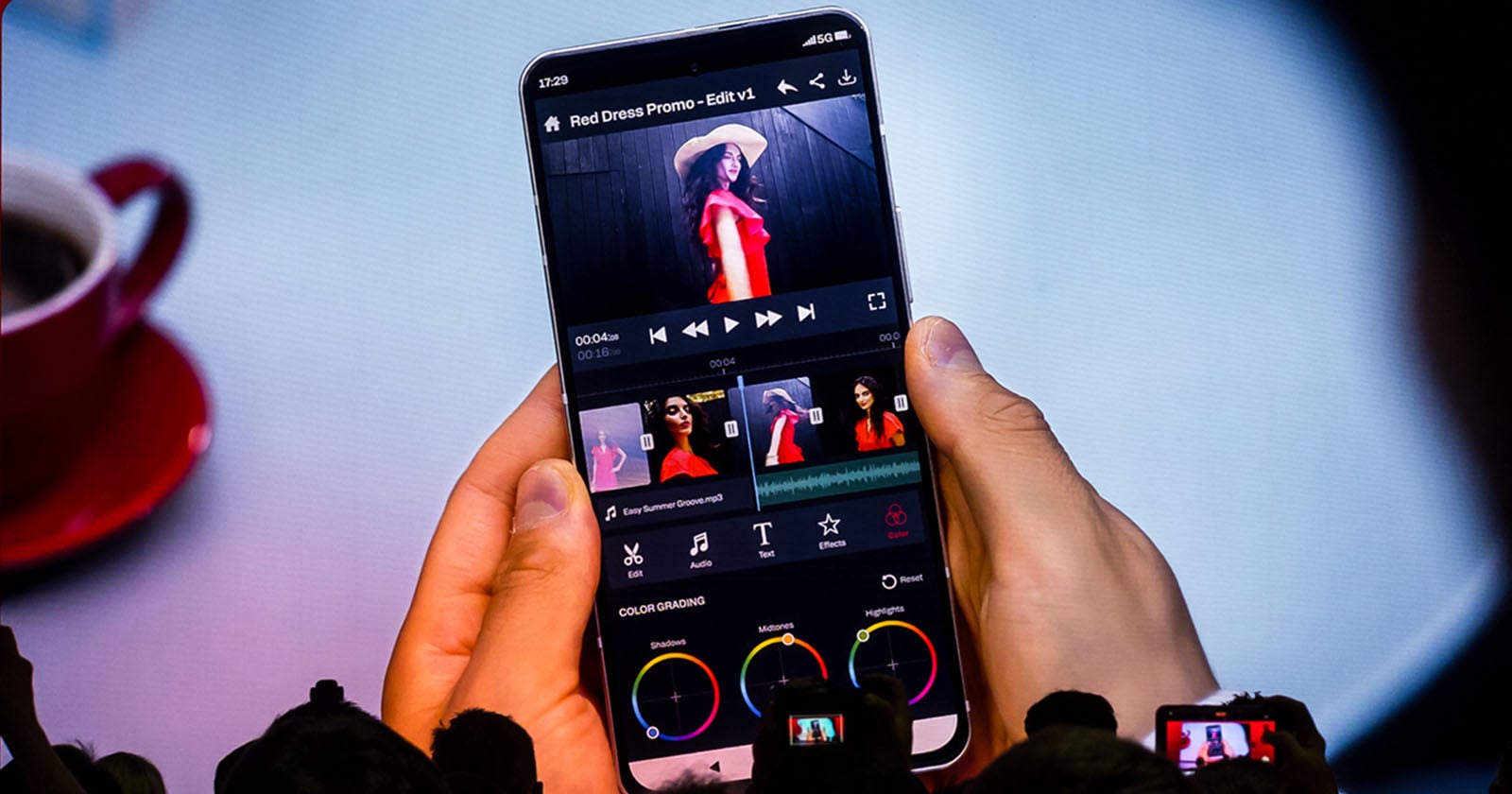
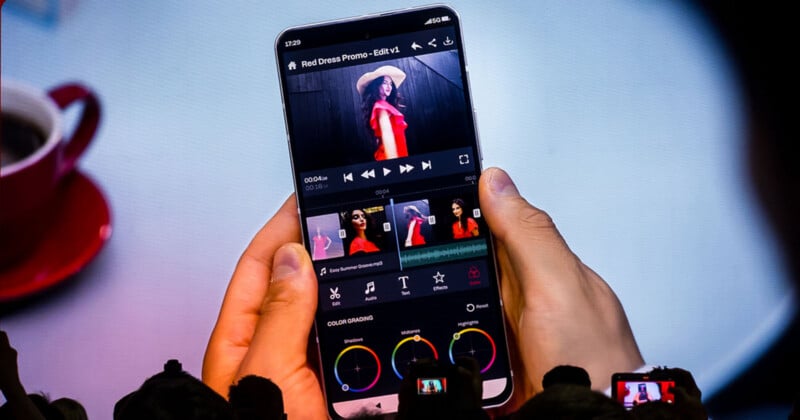
Moving away from rudimentary hue-and-saturation sliders, the new Elite Color Engine utilizes real-time 3D Look-Up Tables (LUTs) processed directly on-chip. This allows cinematic color grading to alter specific color gamuts—such as nudging greens toward yellow—without inadvertently shifting delicate skin tones or altering the sky. Paired with Motion Intelligence, which mitigates frame-to-frame stutter and handhold blur, the system provides a synchronized approach to both temporal stability and color consistency during video capture.
Official Responses and OEM Customization
One of the most defining aspects of Qualcomm’s strategy with the Gen 6 platform is the degree of autonomy granted to device manufacturers. While Qualcomm builds the "engine," the OEMs determine how the vehicle handles.
The Problem of Guardrails in Skin Smoothing
When asked about the risk of over-processed skin smoothing—a frequent criticism of modern smartphone photography—Heape emphasized that Qualcomm does not enforce rigid aesthetic standards.
"You could say for adults over 50, smooth it more. People under 50, don’t smooth anything. It would be possible for the OEM to give that control to the user," Heape noted during the interview.
Because Qualcomm provides a generalized segmentation framework, it falls upon brands like Xiaomi, Motorola, Honor, and Samsung to establish the ethical and aesthetic guardrails for their specific camera applications.
C2PA Versus Apple’s Reference Image Approach
A significant point of discussion during the summit centered on digital provenance and how hardware verifies authenticity. Apple utilizes a cloud-based signing architecture (Apple Reference Image) to trace photos back to Apple servers. Heape openly challenged this methodology, arguing that cloud verification alters the original file artifact.
"I believe you should be doing all of your provenance attestation, all of the signing, should be on device," Heape asserted. "If you open Photoshop later, edit the image, that goes into the attestation list. You have this entire log of all of these changes that were made, signed, and all of the thumbnail images that happened. And that’s all a part of C2PA. To my knowledge, that’s not what iPhone is doing."
Qualcomm’s implementation relies on Truepic’s local cryptographic libraries to lock metadata within an encrypted envelope. However, Heape acknowledged a persistent hurdle: C2PA adoption is entirely elective. Unless social media platforms and operating systems choose to surface a "C2PA teardrop" icon, everyday consumers may remain unaware of or indifferent to an image’s verified history.
Implications for the Future of Mobile Photography
The introduction of the Snapdragon 8 Elite Extreme Gen 6 and standard Gen 6 chips underscores a broader industry truth: mobile photography is no longer bound by the physical limitations of optics alone, but by the intelligence of silicon pipelines.
1. The Death of the "Pure" Optical Capture
With hardware-level Bayer denoising, semantic pixel segmentation, and real-time NPU metadata overlays occurring instantaneously at the shutter press, the concept of an unedited, purely analog sensor capture on a smartphone is effectively extinct. Every image exiting a modern flagship is a calculated synthesis of light, physics, and algorithmic interpretation.
2. The Battle for Image Authenticity
As deepfakes and AI-generated media proliferate across the internet, Qualcomm’s push for native, on-device C2PA provenance offers a vital technical safeguard. Yet, the fragmentation of the Android ecosystem—where features depend entirely on OEM implementation—means that provenance tracking may remain an inconsistent luxury rather than a universal standard.
3. The Widening Gap Between Extreme and Standard Tiers
While core segmentation features like Intelligent Pixel Control trickle down to the standard Gen 6 chip—a welcome departure from past exclusivity models—the most demanding capabilities, such as extreme dynamic range handling and high-framerate 8K video processing, remain locked behind the Snapdragon 8 Elite Extreme Gen 6. This ensures that ultra-premium flagships will continue to command a distinct advantage in computational imaging prowess.
As manufacturers begin rolling out devices powered by Qualcomm’s Gen 6 architecture throughout late 2026 and into 2027, the true test will not be found in benchmark scores, but in how gracefully these powerful pipelines balance technical perfection with human trust.