
Man Arrested and Charged in Singapore After AI-Generated Crocodile Hoax Triggers Massive Emergency Response and Work Stoppage

SINGAPORE — The rapid advancement of generative artificial intelligence has brought countless creative and practical applications, but it has also introduced a dark side characterized by deception, disruption, and legal peril. In a stark demonstration of the real-world consequences of digital falsehoods, a 30-year-old foreign national in Singapore has been arrested and formally charged after allegedly generating and circulating a hyper-realistic, AI-manipulated image of a saltwater crocodile swimming in one of the city-state’s primary public reservoirs.
The incident, which unfolded last month, triggered an extensive emergency mobilization involving national water authorities, safety inspectors, and law enforcement. The ensuing investigation disrupted recreational sports, halted vital infrastructure operations, and culminated in severe criminal charges that could land the accused behind bars for years.
Legal experts and civil authorities note that the case serves as a definitive warning: as generative AI tools become more accessible and sophisticated, the law is adapting to treat digital fabrications not as harmless pranks, but as serious threats to public safety and order.
Main Facts
The accused, identified as 30-year-old Ye Lin, a citizen of Myanmar residing in Singapore, stands accused of orchestrating a digital hoax that breached the nation’s strict laws regarding public communication and the obstruction of justice.
According to preliminary findings released by the Singapore Police Force (SPF), Lin utilized a mobile application to generate a synthetic image depicting an estuarine (saltwater) crocodile lurking in the waters of Pandan Reservoir. Pandan Reservoir is Singapore’s largest raw water storage facility and a heavily utilized hub for public recreation, water sports, and ecological appreciation.
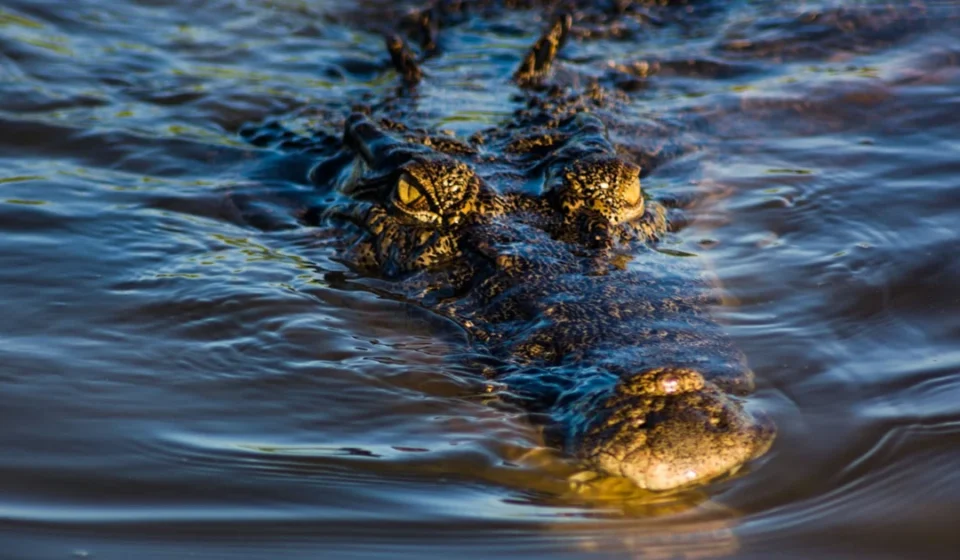
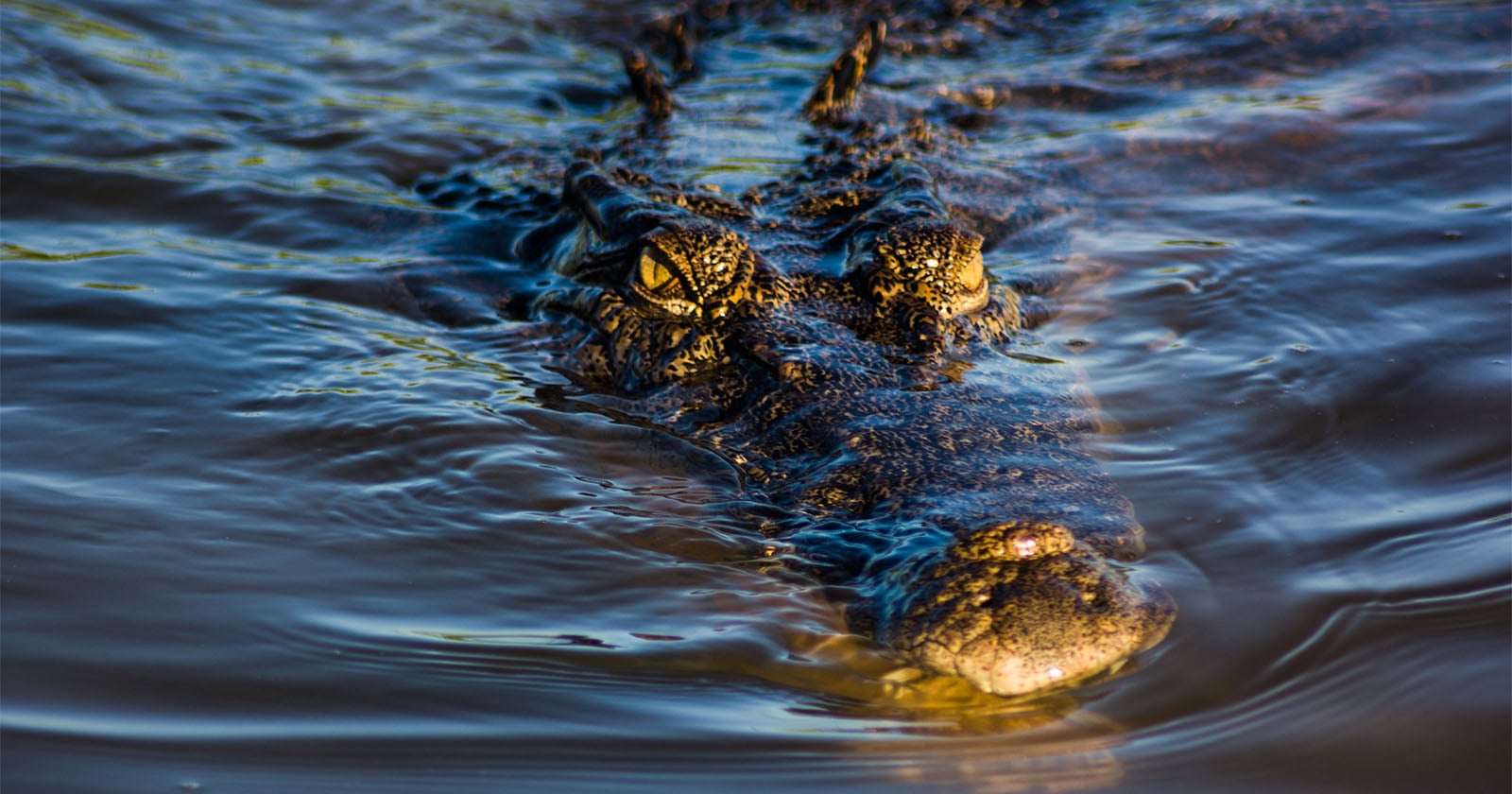
Lin initially shared the fabricated image with a colleague, sending ripples of concern through professional and social circles before the image made its way into broader public view. The visual content depicted the unmistakable reptilian head and predatory eyes of a large crocodile breaking the surface of dark, rippling water—a sight capable of immediately alarming anyone familiar with the aggressive nature of estuarine crocodiles.
Upon the image’s circulation, public anxiety mounted rapidly. Because Singapore maintains a proactive stance on public safety regarding wildlife—such as occasional, genuine visits by estuarine crocodiles from coastal mangroves into inland waterways—authorities could not ignore the report.
The consequences of Lin’s digital creation were swift and tangible:
- Infrastructure Halts: Singapore’s national water agency, PUB, was forced to suspend routine maintenance and operational work at Pandan Reservoir for two consecutive days while safety sweeps were conducted.
- Recreational Disruption: Popular local rowing, canoeing, and dragon boating groups had their scheduled training sessions abruptly canceled, halting athletic programs tied to the venue.
- Emergency Mobilization: Reservoir staff, environmental officers, and emergency responders deployed significant personnel and physical resources to comb the massive body of water in search of a predator that existed only as a pixelated fiction.
Lin now faces multiple charges under Singaporean law, including communicating a false message and obstructing the course of justice. Reports from The Straits Times and the BBC indicate that Lin intends to plead guilty when he appears before the courts in November, and he is not currently expected to retain legal counsel.
Chronology of Events
To understand how a synthetic image generated on a smartphone could result in felony-level criminal charges, it is necessary to trace the timeline of the incident from its digital inception to the courtroom.
Phase 1: Creation and Dissemination (Late Last Month)
Operating an AI-powered image generation application on his mobile device, Ye Lin prompted the software to create a visual of a crocodile within an urban water setting. Once the synthetic photograph was rendered, Lin sent the file directly to a colleague. Shortly thereafter, the image leaked into broader digital spaces, creating immediate public anxiety over the safety of Pandan Reservoir.
Phase 2: The Panic and False Alarm
As the image gained traction online, concerned citizens and recreational groups alerted authorities. The presence of a large apex predator in a populated recreational area posed an immediate threat to public safety, prompting urgent calls to environmental and water management authorities.
Phase 3: The Investigation and Discovery
Singapore’s national water agency, PUB, activated emergency protocols. Work at the reservoir was frozen immediately. Teams equipped with watercraft and scanning equipment executed exhaustive physical searches of Pandan Reservoir. After scouring the perimeter and depths of the massive body of water, officials found zero evidence of any wildlife matching the description or behavior depicted in the image. Analysts and investigators soon concluded that the circulating image was entirely fabricated.
Phase 4: Cover-Up and Digital Erasure
Realizing that his actions had triggered a massive civic response, Lin attempted to cover his tracks. He deleted the AI-generated image from his devices and uninstalled the specific mobile application used to create it, hoping to eliminate digital evidence and evade accountability.
Phase 5: Law Enforcement Intervention and Arrest
Despite Lin’s attempts to scrub his phone, cyber investigators and police forensic units traced the origin of the false report. The Singapore Police Force moved in, arresting Lin and compiling a dual-charge indictment covering both the communication of a falsehood and the deliberate destruction of evidence to obstruct justice.
Phase 6: Upcoming Court Appearance (November)
Lin remains remanded as he prepares for his court hearing scheduled for November. Given his stated intention to plead guilty, the judicial proceedings are expected to move swiftly toward sentencing.
Supporting Data and Legal Framework
The legal gravity of Lin’s actions is reflected in Singapore’s robust statutory framework, which penalizes the deliberate spread of misinformation and any interference with investigative processes.
The primary offenses and their associated maximum penalties include:
- Communicating a False Message: Under relevant Singaporean statutes, transmitting information known to be false with the intent to cause—or with the reckless disregard of causing—public alarm is a serious criminal offense.
- Maximum Penalty: Up to three years in prison, a fine of nearly $8,000 (SGD equivalent), or both.
- Obstructing the Course of Justice: This charge stems from Lin’s decision to delete the AI-generated image and wipe the application from his phone after realizing an investigation had been launched. Deliberately destroying evidence to hinder law enforcement is treated as a major affront to the judicial system.
- Maximum Penalty: Up to seven years in prison, a substantial fine, or both.
The dual nature of these charges highlights how technological trickery is viewed by the courts. While creating the fake image started as an isolated digital act, the decision to inject it into the public sphere—and subsequently destroy evidence—escalated a bad joke into a multi-layered criminal indictment.
| Offense Category | Nature of Act | Potential Prison Sentence | Financial Penalty |
|---|---|---|---|
| False Communication | Distributing fabricated AI image causing public alarm | Up to 3 years | Up to ~$8,000 |
| Obstruction of Justice | Deleting the image and app to hide actions from police | Up to 7 years | Variable / Court Discretion |
Official Responses
The Singapore Police Force (SPF) issued a strongly worded, comprehensive public statement following the formal charging of the suspect. The statement underscores the government’s zero-tolerance policy toward digital disinformation and the misuse of emerging technologies.
"Preliminary investigations revealed that the man had created an AI-generated image depicting a crocodile at Pandan Reservoir and sent it to his colleague. The man subsequently deleted the image and the related application in an attempt to conceal his actions," the Singapore Police Force stated.
The authorities emphasized that the impact of fake news extends far beyond hurt feelings or misplaced fear; it drains critical civic assets away from legitimate public needs.
"The Police will not hesitate to take action against anyone who communicates falsehoods. Apart from causing fear and inconvenience caused to members of the public, such falsehoods also result in public resources being unnecessarily deployed to deal with these incidents," the SPF continued.
Crucially, the police issued a direct advisory to the general public regarding the submission of synthetic media to government entities:
"The Police urge the public to act responsibly and refrain from circulating false information or edited images that could cause unnecessary public alarm. The public should also not submit fabricated or manipulated information, including AI-generated or digitally altered images, to the Police or other Government agencies while presenting such information as authentic."
Environmental and water management officials echoed these sentiments, noting that safety protocols around reservoirs are designed to protect human lives and local wildlife alike. False alarms not only disrupt business operations and recreation, but they also risk creating panic-driven reactions that could harm actual, rare wildlife that occasionally navigates Singapore’s urban waterways.
Broader Implications: The Global Threat of Generative AI Deception
While the image of a crocodile in a Singaporean reservoir may sound like a bizarre local anecdote, cybersecurity experts, sociologists, and financial analysts point out that it is part of a much larger, highly dangerous global trend.
Generative artificial intelligence has democratized the creation of hyper-realistic digital media. Tools that once required professional graphic design studios and hours of rendering can now be operated by anyone with a smartphone in a matter of seconds. However, this democratization has also handed powerful deception capabilities to bad actors worldwide.
The real-world fallout from AI-generated fabrications spans multiple sectors:
1. Financial Markets and Corporate Manipulation
In May 2023, a fake AI-generated image depicting an explosion near the Pentagon circulated widely across social media platforms, amplified by verified accounts. Within minutes, the misinformation caused a sudden, sharp dip in the U.S. stock market before the Pentagon officially debunked the rumor. This event crystallized fears that synthetic imagery could be weaponized for high-stakes financial manipulation and insider trading.
2. Personal Harassment, Blackmail, and Reputation Destruction
Beyond public infrastructure, generative AI has been extensively exploited to produce non-consensual explicit imagery, deepfake audio used in executive kidnapping scams, and fabricated text messages designed to ruin personal lives, blackmail public figures, and disrupt elections.
3. Erosion of Public Trust in Information Systems
Perhaps the most insidious danger of widespread AI manipulation is the "liar’s dividend"—a phenomenon where the proliferation of fake media makes it easier for guilty parties to dismiss genuine photographic or video evidence as "AI-generated," while the general public grows increasingly cynical and unable to distinguish truth from fiction.
Conclusion: A Turning Point for Accountability
The case of Ye Lin in Singapore serves as an important legal and cultural milestone. It demonstrates that governments are no longer willing to treat digital fabrications as a regulatory gray area or write them off as harmless internet pranks.
As artificial intelligence continues to blur the lines between what is real and what is rendered, the message from Singapore’s judiciary is clear: freedom of expression does not extend to the malicious generation of public panic, and those who choose to unleash synthetic chaos into the physical world will find themselves facing very real, very heavy consequences.