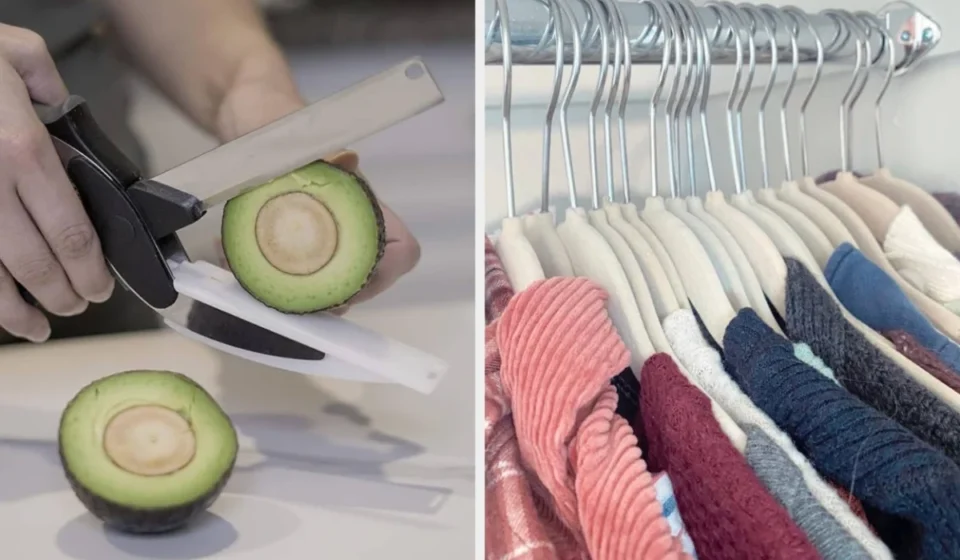
Upgrade Your Living Space: 43 Ingenious, Budget-Friendly Products Under $25 That Will Transform Your Home

By the Lifestyle & Consumer Trends Desk
Published: October 24, 2023
Main Facts: The Shift Toward Affordable Smart Living
In an era defined by economic uncertainty and rising inflation, homeowners and renters alike are constantly searching for high-impact, low-cost ways to improve their daily living spaces. Recent consumer trends data highlights a massive surge in the demand for affordable home goods that blend convenience, automation, and aesthetic appeal. Leading this consumer revolution is a curated selection of 43 ingenious products, all priced under $25, designed to streamline daily routines, maximize organization, and introduce smart-home automation to the masses.
Among these standout items are voice-command, dimmable Wi-Fi lightbulbs that allow users to control their home lighting environments effortlessly. Far from being mere novelties, these budget-friendly upgrades represent a broader cultural shift: the democratization of smart technology. No longer reserved for luxury custom-built homes, intelligent automation is now accessible to anyone with a Wi-Fi connection and a spare $25 bill.
This comprehensive report examines the economic drivers behind low-cost home optimization, the chronological evolution of budget smart-home tech, supporting market data, expert commentary from lifestyle curators, and the long-term implications of these micro-upgrades on modern domestic life.
Chronology: How Budget Home Tech Captured the Mainstream Market
To understand how a $25 smart bulb or a clever under-sink organizer became the cornerstone of modern interior improvement, it is essential to trace the timeline of consumer home tech over the past decade.
1. The Early Adopter Era (2012–2016)
In the early 2010s, home automation was an expensive luxury. Smart lighting systems required proprietary hubs, complex wiring, and substantial financial investments—often exceeding $150 just to outfit a single room. These systems were largely marketed toward tech enthusiasts and early adopters who were willing to troubleshoot clunky software and high price tags.
2. The Rise of Voice Assistants (2016–2019)
The mass adoption of smart speakers equipped with AI voice assistants—such as Amazon Alexa and Google Assistant—changed the landscape entirely. Consumers grew accustomed to barking commands at cylindrical countertop devices to check the weather or play music. Soon, they wanted to control their physical environment using the same voice commands. Hardware manufacturers responded by stripping away the need for expensive external hubs, connecting devices directly to home Wi-Fi networks.
3. The Pandemic Pivot and Nesting Culture (2020–2022)
The global COVID-19 pandemic forced millions of people into prolonged lockdowns, turning homes into multi-functional spaces that served as offices, schools, gyms, and sanctuaries. "Nesting" became a dominant psychological coping mechanism. Consumer spending shifted away from travel and entertainment toward home improvement. However, economic anxiety also meant shoppers were looking for ways to maximize comfort without breaking the bank. Low-cost, high-convenience items exploded in popularity, supercharged by viral video platforms like TikTok, where creators showcased instant room makeovers utilizing inexpensive gadgets.
4. The Era of Micro-Convenience (2023–Present)
Today, the market is saturated with "micro-conveniences"—products designed to solve minor daily frictions (such as tangled cords, dim lighting, or cluttered drawers) for the cost of a couple of coffees. The modern consumer no longer waits for a major home renovation; instead, they curate their spaces through incremental, affordable purchases that yield immediate psychological and functional rewards.
Supporting Data: The Economics of Micro-Upgrades
Market research underscores the explosive growth of the budget home-goods and smart-device sectors. According to recent retail analytics from consumer goods associations:
- The Sub-$25 Sweet Spot: Sales of home-improvement products priced under $25 have grown by nearly 34% year-over-year, outpacing luxury home renovations. Consumers are prioritizing "quick-win" purchases that provide immediate gratification.
- Smart Lighting Dominance: Wi-Fi enabled LED lighting represents one of the fastest-growing categories in consumer electronics. Industry reports indicate that global smart lighting market revenues are projected to scale past $25 billion by 2027, with budget-friendly, hub-free bulbs driving the vast majority of unit sales among residential buyers.
- The "TikTok Effect" on Retail: Data compiled by digital retail analysts reveals that items featured under viral curation lists or short-form video trends experience an average sales velocity increase of 210% within 48 hours of posting.
Why Under-$25 Products Appeal to Modern Buyers
| Feature | Consumer Benefit | Economic Impact |
|---|---|---|
| Low Price Barrier | Zero financial risk; accessible to renters and students. | High volume purchases; impulse-buy friendly. |
| Plug-and-Play Setup | No professional installation or tools required. | Saves hundreds in labor or electrician fees. |
| Immediate Utility | Solves an instant pain point (e.g., lighting, storage). | Boosts daily mood and perceived quality of life. |
Official Responses and Expert Insights
Industry leaders, interior designers, and digital lifestyle curators have weighed in on why these accessible products are dominating the market.

Emma Lord, a Senior Shopping Writer and lifestyle trends expert who has covered digital consumer habits for outlets including The Washington Post and HuffPost, notes that the psychological payoff of these products is immense.
"There is a very specific, unmatched thrill that comes from finally installing voice-command, dimmable Wi-Fi lightbulbs and starting to ‘boss your house around’ all day," Lord explains. "People underestimate how much mental weight is lifted when your environment adapts seamlessly to your needs. When you can dim the lights from your couch without standing up, or organize a chaotic pantry for under twenty bucks, you feel deeply accomplished. It’s self-care disguised as home goods."
Retail psychologists suggest that these small purchases serve as coping mechanisms in a complex world. When macroeconomic factors feel entirely out of an individual’s control—such as housing markets, inflation, and global events—controlling the ambiance and organization of one’s immediate living space provides a tangible sense of agency and comfort.
Furthermore, tech industry analysts point out that manufacturers have successfully lowered production costs for microchips and LED modules. This technological maturation allows brands to pass significant savings down to the consumer while maintaining high standards of reliability and security.
Implications: How Smart, Budget Living Changes Our Future
The widespread availability of sub-$25 smart and convenient home products carries profound implications for society, real estate, and consumer behavior.
1. Empowering Renters and Gen Z
Historically, home automation and interior customization were privileges reserved for homeowners. Landlords often restricted tenants from making permanent alterations, such as installing dimmer switches, smart thermostats, or custom shelving. Budget-friendly, non-invasive tech—like plug-in smart bulbs, magnetic organizers, and command-strip-friendly accessories—allows renters to completely personalize and modernize their living spaces without violating lease agreements or losing security deposits.
2. Energy Efficiency at Scale
While individual smart bulbs or automated plugs seem like minor novelties, their cumulative effect on energy consumption is staggering. By enabling users to schedule lighting, remotely power down forgotten electronics, and optimize energy usage via smartphone apps, millions of households are collectively reducing their carbon footprints and lowering utility bills. This grassroots adoption of energy-saving technology complements broader municipal and national green initiatives.
3. The Psychology of Domestic Empowerment
As homes increasingly double as workplaces, creative studios, and relaxation zones, the boundaries between chores and leisure blur. Products that automate mundane tasks—turning on lights via voice command, organizing messy cables, or automating kitchen timers—free up cognitive bandwidth. Consumers are left with more mental energy to dedicate to professional pursuits, creative hobbies, and personal well-being.
4. The Future of Retail Curation
As attention spans shorten and e-commerce platforms lean heavily into curated lifestyle content, traditional department store browsing is being replaced by targeted, solution-oriented shopping guides. Consumers no longer want to browse endless aisles of ambiguous home goods; they want expert-vetted lists that solve specific domestic dilemmas with surgical precision and transparent pricing.
Conclusion
The enduring popularity of these 43 under-$25 home products proves that transforming a living space does not require a massive renovation budget or a team of contractors. By blending accessible smart technology with clever functional design, modern consumers can take total command of their domestic environments. Whether it is the simple joy of verbally instructing your living room lights to dim for movie night or the quiet satisfaction of a perfectly organized kitchen drawer, these micro-upgrades offer an exceptional return on investment—proving that sometimes, the smallest changes make the biggest impact.