
To the untrained eye, minimalist interiors can occasionally be mistaken for the austere—a landscape of cold surfaces and empty corners. However, for those who practice the art of intentional living, minimalism is not about subtraction for its own sake; it is about the deliberate curation of space to foster psychological clarity. In the modern bedroom, where the boundaries between rest and digital distraction have blurred, the minimalist aesthetic serves as a crucial intervention. By favoring clean lines, natural textures, and a restrained palette, the bedroom is transformed from a mere room into a sanctuary of restorative energy.
As the adage goes, "an uncluttered home is an uncluttered mind." This philosophy has gained significant momentum in 2026, as high-end design houses move away from maximalist ornamentation toward "warm minimalism." This trend prioritizes materials that age gracefully—wood, steel, and paper—over fleeting decorative fads. Below, we explore six essential furnishings that define this movement, balancing sculptural beauty with the quiet necessity of deep sleep.
1. The Geometry of Light: The Gambosa Lamp by Marset
Main Facts:
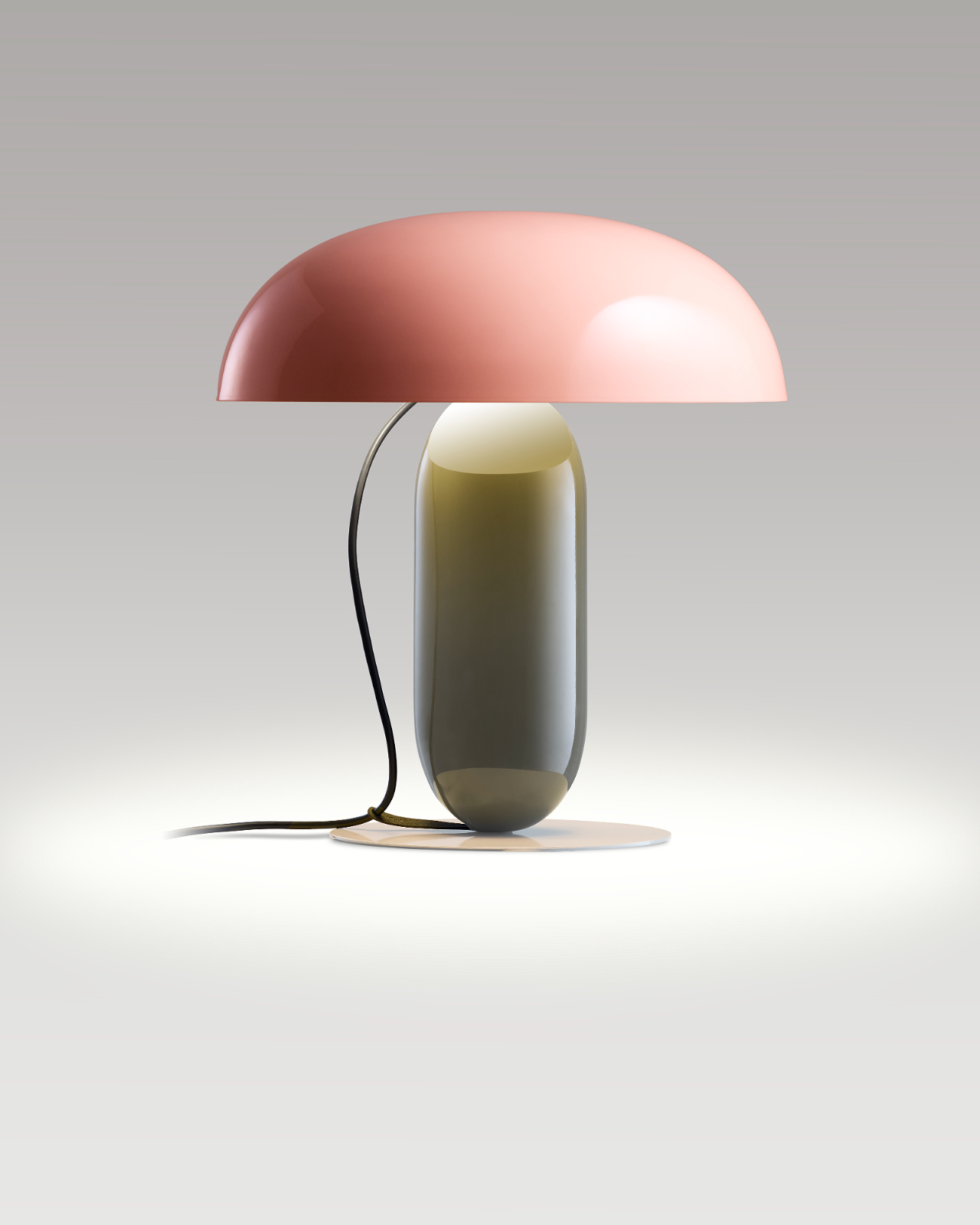
Spanish design house Marset has long been a vanguard of functional illumination, but their 2026 release, the Gambosa Table Lamp, represents a maturation of their design language. Conceived by London-based designer Mathias Hahn, the Gambosa is a masterclass in balance. Its silhouette is comprised of three distinct geometric forms that stack with an illusion of weightlessness. The rounded shade, available in both steel and opal finishes, appears to hover above the stem, which in turn rests upon a slim, circular base.
Chronology & Development:
The project began in late 2025, with Hahn exploring the intersection of industrial manufacturing and soft, ambient light. Marset fast-tracked the design for an early 2026 launch to meet the growing demand for "statement lighting" that does not overwhelm the bedside table.
Implications:
The Gambosa highlights a shift toward lamps that function as sculptures even when extinguished. By offering a range of colorways—from muted pinks to grounding blacks—Marset allows the user to choose between a pop of color or a monochromatic blend, ensuring the lamp acts as a supportive element in the bedroom’s overall atmosphere rather than a visual disruption.
2. Sculptural Utility: The Ratio Side Table by FRAMA
Supporting Data:
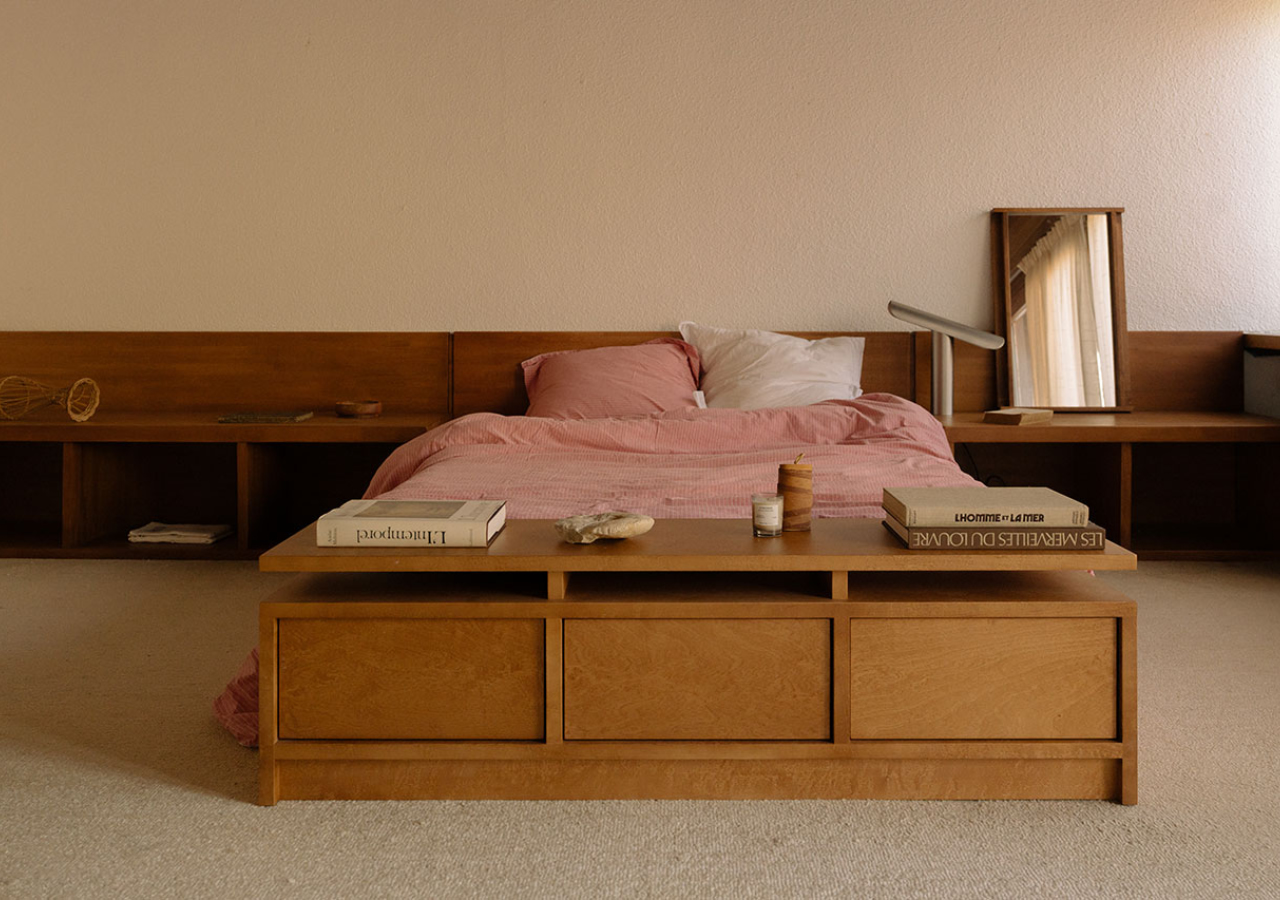
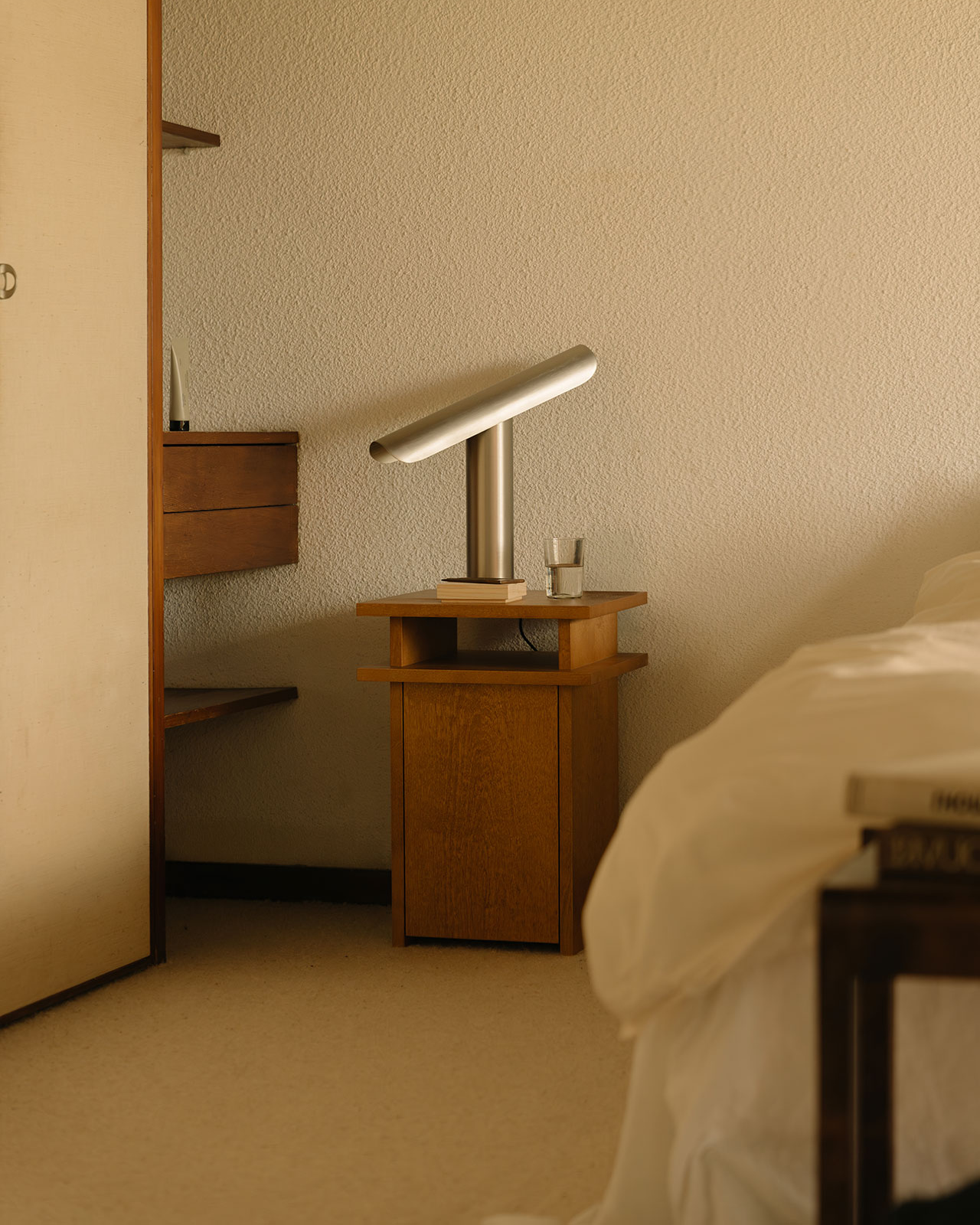
The Ratio Side Table, designed for Copenhagen-based FRAMA by the Ilo studio duo (Ana Magalhães Ilharco and Matilde Cortez de Lobão), serves as a case study in "hidden utility." Crafted from warm brown birch, the table avoids the cold, clinical feel of early-2000s minimalism.
Official Responses:
In a recent design brief, the architects at Ilo noted that the Ratio series was developed to address the "problem of the bedside pile." By integrating flush joinery and a clever combination of an open top surface with a discreet hidden compartment, the table allows users to keep personal items out of sight, effectively lowering the visual noise that often prevents the brain from entering a sleep-ready state.
Implications:
The rise of the Ratio Side Table signifies a broader move toward "grounding furniture." As urban living spaces shrink, the demand for multifunctional pieces that do not sacrifice aesthetics for storage capacity has become the gold standard in contemporary bedroom design.
3. Industrial Elegance: The Hexa Vase by Normann Copenhagen
Main Facts:
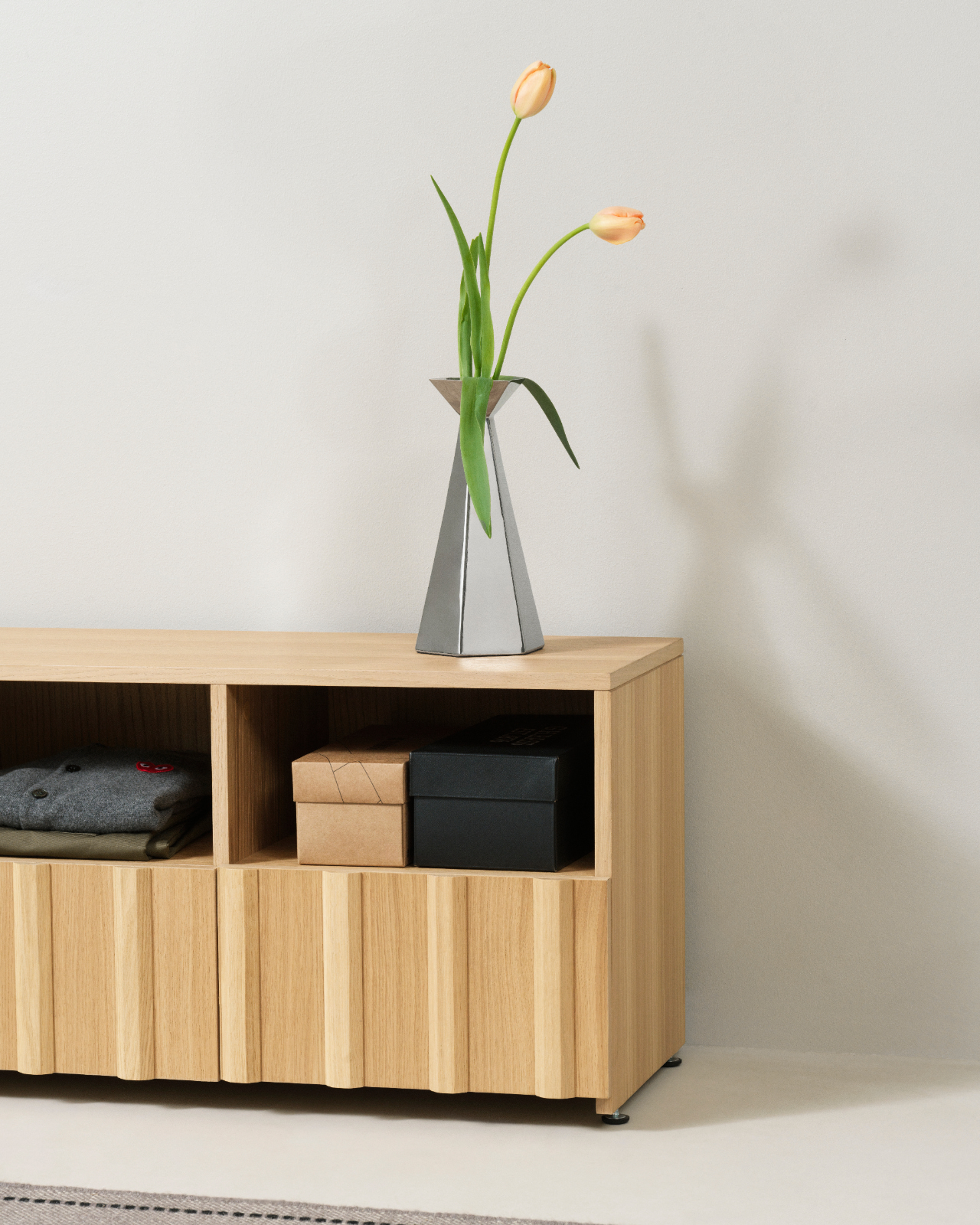
Naming is often a window into the designer’s intent, and in the case of the Hexa Vase by Normann Copenhagen, the Greek prefix for "six" dictates the form. The vase features a distinctive hexagonal mouth, a subtle architectural detail that elevates it from a generic vessel to a geometric focal point.
Supporting Data:
Constructed from mirror-polished stainless steel, the Hexa Vase represents an "industrial chic" approach to bedroom decor. It is a departure from the traditional ceramic vase, offering a reflective surface that catches the low, ambient light of a bedroom at dusk.
Implications:
The inclusion of a metallic element in a bedroom—often characterized by soft textiles—is a deliberate design choice. It provides a tactile and visual contrast, grounding the room in reality. Whether holding a single architectural stem or a dense bouquet, the Hexa Vase serves as a reminder that even the smallest accessories contribute to the "curated stillness" of a space.
4. The Soft Glow: Aplat Table Lamp by HAY
Chronology:
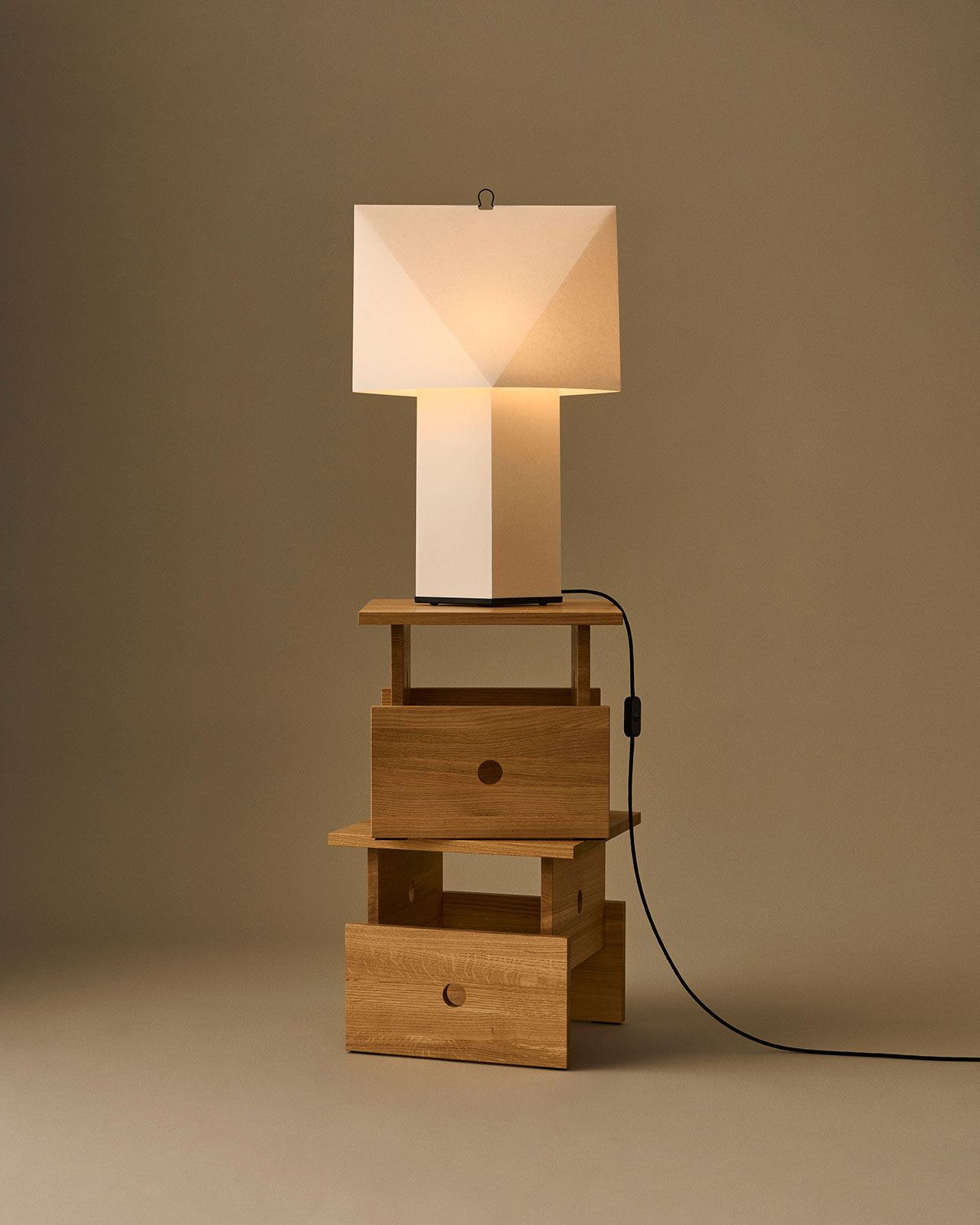
The Aplat Table Lamp, a collaboration between the industrial studio CPRV and the Danish brand HAY, was designed with the modern consumer’s mobility in mind. Originally arriving as a flat-packed object, the lamp is assembled by the user through a series of intentional folds.
Supporting Data:
The beauty of the Aplat lies in its lack of complexity. Its structure is composed of a folded-paper form supported by a minimal metal hook. This is not merely a design quirk; the hook allows the user to move the light source anywhere in the bedroom with ease. Because it relies on a standard, replaceable LED bulb, the lamp achieves a soft, diffused glow that mimics the warmth of paper lanterns, providing a biological signal to the body that it is time to wind down.
Implications:
HAY has successfully identified that the modern bedroom is a fluid space. By creating a lamp that is lightweight and portable, they acknowledge that the "sanctuary" is not static. The Aplat proves that minimalism can be playful, tactile, and highly functional.
5. The Invisible Tech: Avocado Plus Adjustable Base
Official Responses:
Avocado Green Mattress has long positioned itself at the intersection of sustainability and luxury. Their latest innovation, the Avocado Plus Adjustable Base, addresses the tension between high-tech sleep requirements and minimalist design.
Supporting Data:
Adjustable bases have historically been bulky, mechanical, and frankly, ugly. The Avocado solution is to "design for disappearance." The frame features a 3-inch shroud that hides the mechanical components, while the entire structure is wrapped in organic cotton and padded with organic wool. It sits on real wood legs, maintaining a warm, natural aesthetic.
Implications:
Despite its soft exterior, the base houses high-performance technology: lumbar support, massage functions, and app-controlled tilt. By cloaking this technology in natural materials, Avocado allows the user to enjoy the benefits of modern sleep science without sacrificing the calm, visual purity of a minimalist bedroom. This is the pinnacle of "stealth technology" in the home.
6. Purposeful Organization: Alima Side Table NDS3 by &Tradition
Main Facts:
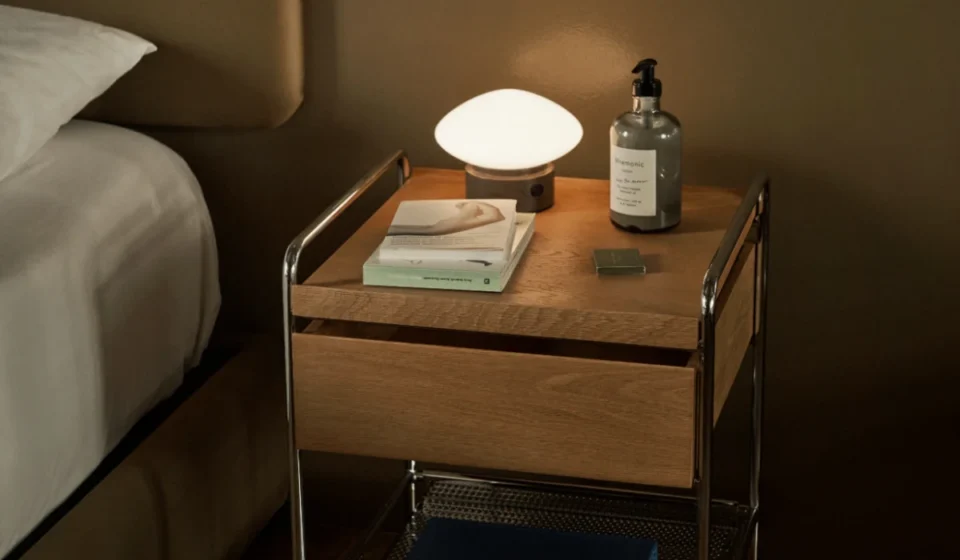
The Alima collection, designed by Note Design Studio for &Tradition, began its life as a simple multipurpose trolley. However, its immense popularity prompted the design team to expand the collection into a full bedroom suite, including the NDS3 side table.
Supporting Data:
The NDS3 model stands out for its structural integrity. Equipped with chrome feet and rubber caps, the unit remains perfectly stationary, preventing the subtle vibrations or movements that can disrupt a tranquil bedside environment. The addition of a drawer for hidden storage is a direct response to the "minimalist clutter" paradox—the idea that you cannot have a minimalist room if you have nowhere to put your things.
Implications:
The Alima NDS3 is a testament to the fact that minimalism is a process of refinement. The collection didn’t start as a bedroom set; it grew into one because users demanded products that were both aesthetically aligned and practically robust. It bridges the gap between the rigid, static furniture of the past and the flexible, mobile needs of the present.
Conclusion: The Implications of Less
The movement toward minimalist bedrooms is far more than a trend in aesthetics; it is a response to an increasingly chaotic world. By choosing pieces like the Gambosa lamp or the Alima side table, the modern inhabitant is actively curating a environment that defends their right to rest.
The common thread among these six items is the philosophy of "invisible design"—furniture that performs its function without demanding excessive attention. As we move deeper into 2026, the definition of luxury is evolving. It is no longer defined by the accumulation of objects, but by the quality of the space left between them. In the minimalist bedroom, every object has a purpose, every shadow has a place, and the mind is finally free to find its own silence.