
The Shift in Consumer Buying Habits: How Viral Internet Products Are Redefining Practical E-Commerce

Main Facts
In the modern digital landscape, the intersection of social media algorithms, consumer-generated reviews, and e-commerce platforms has fundamentally transformed how households discover and purchase everyday problem-solving goods. Recent consumer data highlights a massive surge in demand for hyper-functional, niche products that address specific, mundane domestic and personal challenges—ranging from vacuum maintenance to specialized anti-chafing solutions and advanced skin-resurfacing treatments.
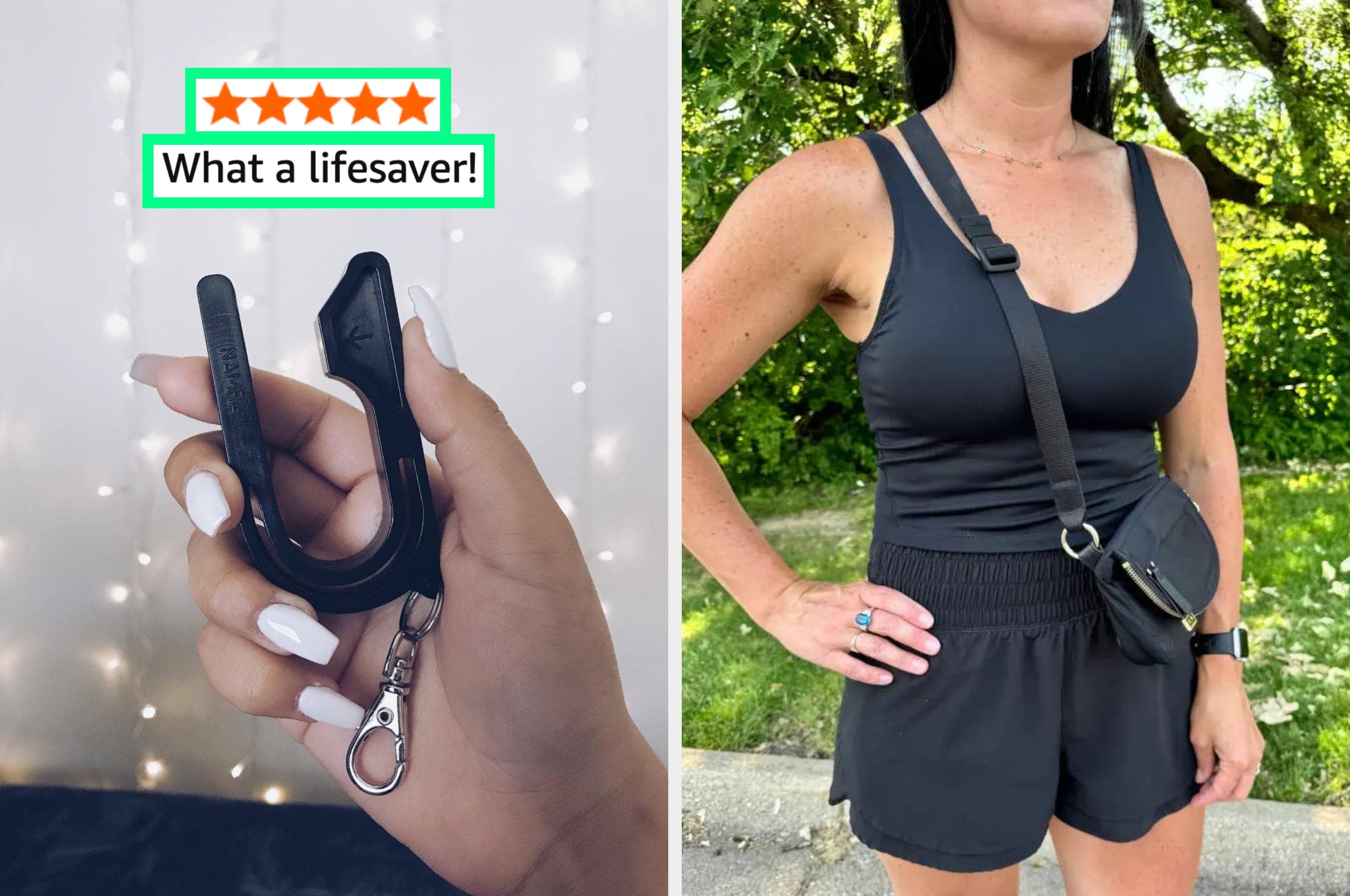
Rather than relying on traditional marketing campaigns or legacy brand loyalty, contemporary shoppers increasingly turn to peer-reviewed recommendations shared across platforms like TikTok, Instagram, and dedicated shopping curation hubs. This shift has propelled small businesses, independent entrepreneurs, and lesser-known manufacturers into mainstream commercial success. Products such as specialized hair-removal tools for vacuum rollers, chemical-free plug-in insect traps, and targeted friction-defense sticks are no longer viewed as novelty items; instead, they represent essential investments in home management and personal care efficiency.

Chronology of the Trend
The evolution of viral utility e-commerce can be traced across several distinct phases over the past decade:
- Pre-2015 (The Era of Traditional Retail): Consumer purchasing decisions were heavily influenced by television commercials, print advertisements, and physical in-store displays. Niche problem-solving items, such as specialized jar openers or vacuum maintenance tools, were difficult to market broadly and typically confined to infomercials or specialty catalogs.
- 2015–2019 (The Rise of Social Proof): The emergence of targeted digital advertising and the early days of influencer marketing began to bridge the gap between obscure manufacturers and everyday consumers. Platforms like Shark Tank popularized innovative gadgets—such as automotive gap fillers—introducing them to millions of viewers simultaneously.
- 2020–2022 (The Pandemically Accelerated Digital Shift): Lockdowns and increased time spent online accelerated reliance on e-commerce platforms like Amazon. Consumers began seeking comfort, home organization tools, and self-care items to cope with altered daily routines. Short-form video content started replacing traditional written reviews as the primary driver of consumer trust.
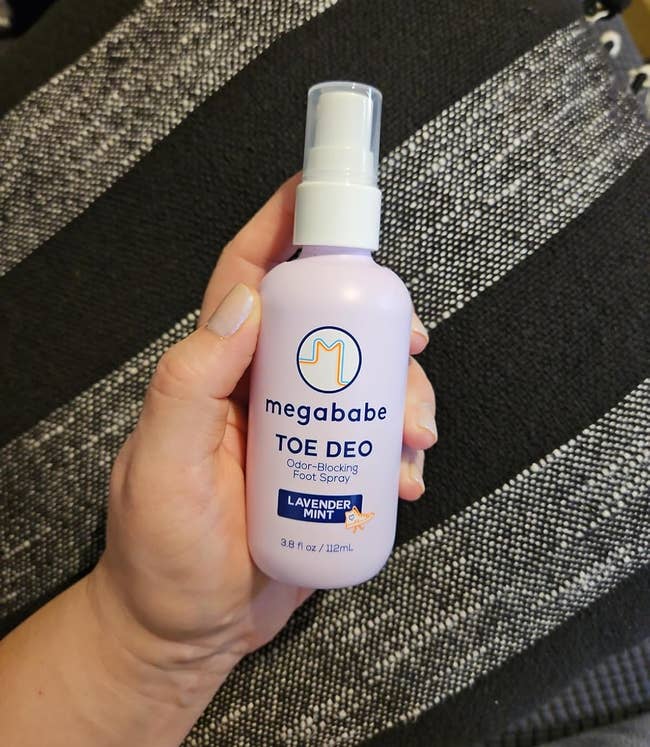
- 2023–Present (The Algorithm-Driven Micro-Trend Era): Today, viral visibility dictates market success. Short-form video platforms routinely catapult unglamorous, highly practical items—such as pet hair rollers, botanical foot sprays, and targeted acne washes—into global bestseller status within days. Consumer trust has shifted decisively toward raw, user-generated "before-and-after" demonstrations over polished corporate advertising.
Supporting Data and Market Analysis
Market analysts note that consumer spending behavior has pivoted toward value-driven functionality and micro-luxuries that improve daily comfort. Key data points underlying this trend include:

- High-Volume Social Validation: Cleaning and organization tools frequently cross thresholds of 100,000+ verified five-star ratings, demonstrating unprecedented consumer consensus on digital storefronts.
- The Price-to-Utility Ratio: The vast majority of viral problem-solving products retail below the $25 threshold, lowering the barrier to entry for impulse purchases driven by video demonstrations.
- Demographic Expansion: Products once marketed toward specific niches—such as clinical-strength sweat-blocking wipes, specialized athletic wear, and advanced skin cell-turnover body lotions—now enjoy cross-demographic appeal among Gen Z, Millennials, and older demographics seeking accessible quality-of-life improvements.
Official Responses and Industry Perspectives
Retail analysts and consumer advocates emphasize that modern e-commerce success relies heavily on transparency and peer validation.

"Consumers have developed a healthy skepticism toward traditional ad-speak," notes retail industry strategist Sarah Jenkins. "When a shopper sees an authentic, unedited video of a product removing embedded pet hair or clearing stubborn bathtub stains, it bypasses the cynicism associated with corporate marketing. The modern buyer trusts the collective experience of thousands of anonymous reviewers over a brand’s promises."

Furthermore, small business owners who leverage these digital pathways report unprecedented scaling capabilities. Founders of direct-to-consumer wellness and household brands highlight that digital marketplaces allow them to compete directly with legacy conglomerates by focusing entirely on product efficacy and viral word-of-mouth.

Implications for the Future of Retail
The dominance of algorithm-driven, problem-solving product curation carries profound implications for the future of retail:

- The Decline of Legacy Advertising: As consumers continue to prioritize peer-generated video reviews and verified customer feedback, traditional broadcast and print advertising will likely see further budget reductions in favor of influencer and community-driven marketing models.
- Agile Manufacturing: Manufacturers must remain adaptable, capable of scaling production rapidly in response to sudden viral spikes. Products that solve hyper-specific frustrations can transition from obscurity to global demand within a single viral news cycle.
- Elevated Consumer Expectations: Buyers now expect high performance even at lower price points. Whether purchasing a $6 jar-opening tool or a $20 multi-attachment vegetable chopper, consumers demand immediate utility, durability, and transparent labeling.
Ultimately, the commercial success of these everyday essentials proves that the modern consumer values practical solutions above all else. By bridging the gap between digital discovery and real-world utility, e-commerce has turned the alleviation of daily frustrations into a thriving, highly responsive global marketplace.