
The modern music and cultural festival has long been viewed as a pilgrimage for the soul—a communal escape from the mundane into a world of shared rhythm, art, and celebration. From the dusty plains of the California desert to the beer-soaked tents of Munich, these events have defined generations. However, a seismic shift is underway. As festivals evolve from grassroots gatherings into global, multi-million-dollar entertainment conglomerates, they are increasingly grappling with an existential identity crisis.
Between the aggressive rise of influencer culture, the skyrocketing costs of participation, and growing concerns regarding environmental impact and safety, many of the world’s most iconic festivals are finding themselves at a crossroads. For the dedicated attendee, the experience is no longer just about the music or the tradition—it is about navigating a complex, often exclusionary, and increasingly commercialized landscape.
The Evolution of the Festival: From Grassroots to Global Empires
To understand the current tension, one must look at the trajectory of these events. Most began as intimate, organic gatherings. Burning Man started with a handful of people burning an effigy on a San Francisco beach in 1986; Coachella originated as a modest, alternative music event in 1999; and Glastonbury’s debut in 1970 was a quaint affair where a £1 ticket bought you a pass to the farm and a carton of milk.
Today, these events operate on a scale that would be unrecognizable to their founders. Lollapalooza, now a fixture of the global festival circuit with offshoots in India and South America, draws 450,000 people to Chicago’s Grant Park alone. This hyper-growth has transformed festivals into economic engines—Lollapalooza generates an estimated $480 million for the city of Chicago—but that growth has come at the expense of the original, intimate atmosphere that made these events "must-see" cultural touchstones.
The Financial Barrier: When Exclusivity Becomes Exclusion
The most immediate hurdle for the average fan is the cost. The "festival economy" has inflated to a point where attendance is becoming a luxury.
- Coachella: A three-day pass now commands upwards of $600, excluding the necessary costs of travel, food, and shuttle services. A total trip frequently eclipses the $1,000 mark.
- Glastonbury: As one of the world’s most storied events, its price hike to £410 for the 2026 iteration has triggered a wave of "scam" accusations from fans who feel the value proposition is thinning.
- Lollapalooza: With multi-day passes reaching similar price points to Coachella, the festival has been criticized for becoming a "pay-to-play" environment where the depth of one’s wallet dictates the quality of the experience.
This financial barrier is not merely about ticket prices; it is about the "experience economy." When festivals move from being inclusive gatherings to status symbols, they attract a demographic interested more in networking and content creation than in the art itself.
The Influencer Effect and the Death of Anonymity
Perhaps the most significant change in the festival landscape is the integration of social media. The "if you didn’t post it, it didn’t happen" mentality has altered the fundamental nature of these events.
At Burning Man, once a bastion of anonymity and radical self-expression, the "no-camera" social contract has effectively evaporated. The festival is now frequently cited as a networking hub for tech billionaires and social media influencers, leading to a clash of cultures. Long-time attendees argue that the spirit of the event—community, gifting, and de-commodification—is being overshadowed by the performance of being at the festival for one’s online followers.
Similarly, at Coachella, the rise of "brand activations" and influencer-exclusive zones has created a two-tiered system. The focus has shifted from the stage to the photo opportunity, turning the festival grounds into a backdrop for brand sponsorship rather than a space for musical discovery.

Safety and Security: A Growing Concern
As festivals grow in size, the logistical challenges of crowd management and security become paramount. Recent tragedies and scandals have cast a long shadow over the industry.
- Electric Forest: The Michigan-based festival faced a massive public relations and safety crisis this year after a newborn baby was discovered deceased on the festival grounds. This, combined with ongoing reports of theft, vandalism, and historical incidents of sexual harassment, has led local residents to call for a total overhaul of security measures and, in some cases, the revocation of the festival’s operating license.
- Crowd Management: Across the globe, festivals are struggling with the balance of crowd density. Glastonbury, despite its legendary status, has faced increasing scrutiny over overcrowding, leading to questions about whether the infrastructure of these historic sites can continue to support 200,000-plus attendees safely.
Environmental and Ethical Implications
The "leave no trace" ethos is a cornerstone of many festivals, yet reality often tells a different story.
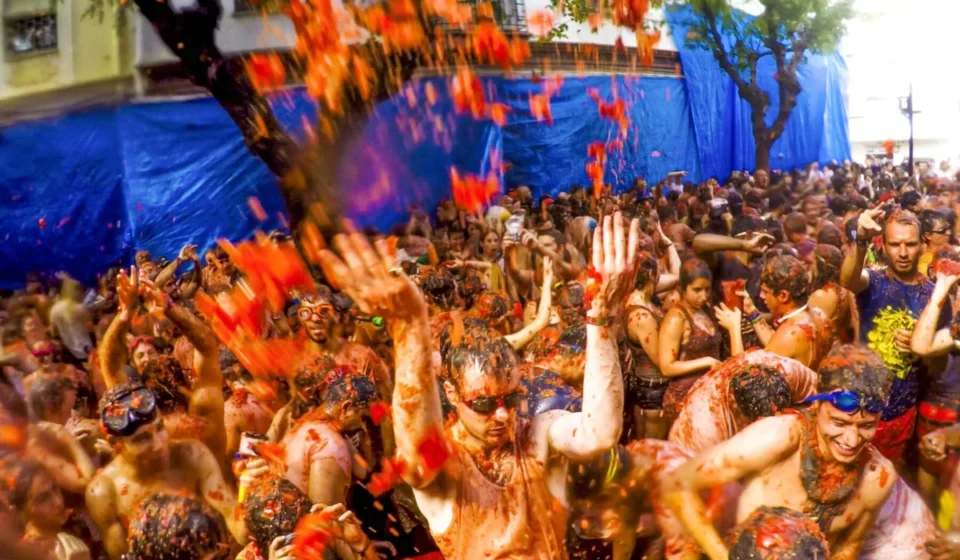
Glastonbury has been praised for its ban on single-use plastics, yet scientific studies have found concerning levels of illicit drugs in the rivers surrounding the site, attributed to the sheer volume of human traffic. Meanwhile, the sheer scale of waste generated by festivals like La Tomatina in Spain—which, despite using overripe produce, faces criticism for the massive consumption of water and the ecological impact of a city-wide food fight—has forced organizers to grapple with the ethics of "spectacle" in an era of climate awareness.
Official Responses and the Search for Sustainability
In response to these criticisms, organizers are attempting to adapt. Glastonbury’s "fallow year" policy—where the festival shuts down every five years to allow the land to recover—remains a gold standard for environmental stewardship.
However, many festivals are struggling to balance these sustainability efforts with the demands of their stakeholders. When a festival becomes a major contributor to a local economy, as is the case with Munich’s Oktoberfest, city officials face pressure to prioritize revenue and tourism over the preservation of local traditions. At Oktoberfest, while the festival maintains its "no entrance fee" policy, the exorbitant cost of beer and food in the tents—and the displacement of locals due to hotel price gouging—creates a friction that no amount of Bavarian tradition can fully smooth over.
The Future: A Necessary Pivot?
The identity crisis facing the world’s major festivals is not a death knell, but it is a wake-up call. The model that has dominated the last two decades—bigger lineups, higher prices, and more corporate integration—is reaching a point of diminishing returns.
To survive, festivals must address three core pillars:
- Reclaiming the Community: Festivals need to find ways to discourage the performative nature of influencer culture, perhaps by creating "tech-free" zones or prioritizing local, grassroots artists over generic, top-tier headliners.
- Radical Transparency and Safety: The tragic events at Electric Forest demonstrate that safety cannot be an afterthought. Organizers must invest in robust, year-round security infrastructure rather than relying on temporary solutions.
- Pricing Equity: If festivals want to maintain their cultural relevance, they must find ways to ensure that the average fan—not just the wealthy elite—can afford to participate.
The magic of a festival lies in its ability to suspend reality and create a temporary utopia. If these events continue to prioritize profit over the human experience, they risk losing the very thing that made them iconic in the first place: the feeling that, for a few days, everyone belongs. As we look toward the future, the question is not whether these festivals will continue, but whether they will evolve to reflect the values of the audiences they serve—or fade into the background of a culture that has already moved on to the next, more authentic thing.