
For those who have navigated the streets of Chicago since the 1970s, the city is not merely a collection of skyscrapers and tourist traps; it is a living, breathing tapestry of history, culinary tradition, and architectural marvels. While the skyline has evolved and new neighborhoods have risen to national prominence, the soul of the "Windy City" remains tethered to its roots.
Whether you are a first-time visitor or a returning enthusiast, navigating Chicago requires a shift in perspective. To truly experience the city, one must look beyond the gleaming steel of the Loop and the bustling nightlife of River North. This guide explores the essential, timeless elements of Chicago—the architecture, the culinary icons, and the eclectic neighborhoods—that define the urban experience.
Main Facts: The Pillars of the Chicago Experience
Chicago is a city defined by its contradictions: it is both deeply industrial and intensely artistic, stoic yet vibrant. The core of any Chicago visit rests on a few immutable pillars that have withstood the test of time.
The Architectural Legacy
Chicago is widely considered the birthplace of the modern skyscraper. Following the Great Chicago Fire of 1871, architects treated the city as a blank canvas, pioneering structural innovations that would eventually change cityscapes globally. Today, the city remains a living museum of styles ranging from Art Deco and Beaux-Arts to the sleek minimalism of the Second Chicago School.
A Culinary Landscape of Legend
Chicago’s culinary identity is as robust as its history. It is a city that refuses to compromise on its staples. The deep-dish pizza, with its buttery, cornmeal-infused crust and "upside-down" construction, remains a point of intense civic pride. Similarly, the Chicago-style hot dog—an all-beef frankfurter served on a poppy seed bun, topped with yellow mustard, neon-green relish, chopped onions, tomato wedges, a pickle spear, sport peppers, and celery salt (and strictly no ketchup)—is more than food; it is a ritual.
The Geography of Recreation
Beyond the concrete, Chicago boasts over 20 miles of public lakefront. The beaches along Lake Michigan provide a unique urban-meets-nature environment, offering a recreational lifeline to the city’s millions of residents.
Chronology: From Great Fire to Global Hub
Understanding Chicago requires a look at its historical trajectory, which has shaped its current layout and culture.
- 1871 (The Turning Point): The Great Chicago Fire destroys much of the city, providing a forced opportunity for massive urban redevelopment. This era birthed the first "Chicago School" of architecture.
- 1893 (The World’s Columbian Exposition): Chicago cements its status as a global powerhouse, showcasing the "White City" and proving the city’s recovery and cultural ambition.
- Mid-20th Century (The Cultural Bloom): The expansion of neighborhoods like Bronzeville and the rise of Chicago Blues define the city’s mid-century identity.
- The 1970s–1990s (Modern Refinement): This period saw the city transition from its manufacturing base toward tourism and tech, while simultaneously fighting to preserve the historic character of its diverse neighborhoods.
- 2000s–Present (The Global Destination): The city focuses on public space, with projects like Millennium Park and the Chicago Riverwalk, shifting the narrative from a working city to a premier leisure destination.
Supporting Data: Why Neighborhoods Matter
The most common mistake visitors make is remaining within the confines of the downtown core. Chicago’s true character is found in its 77 officially designated community areas.
The Case for Neighborhood Immersion
Data from local tourism boards consistently show that visitors who venture into neighborhoods like Pilsen or Bronzeville report a higher satisfaction rate with their travel experience.

- Pilsen: Home to the National Museum of Mexican Art, this neighborhood offers a deep dive into the city’s vibrant Latinx culture, authentic cuisine, and a flourishing street art scene.
- Bronzeville: Historically significant as a hub of the Great Migration, this area remains a center for African American history, literature, and soul food.
The Architecture Tour Metric
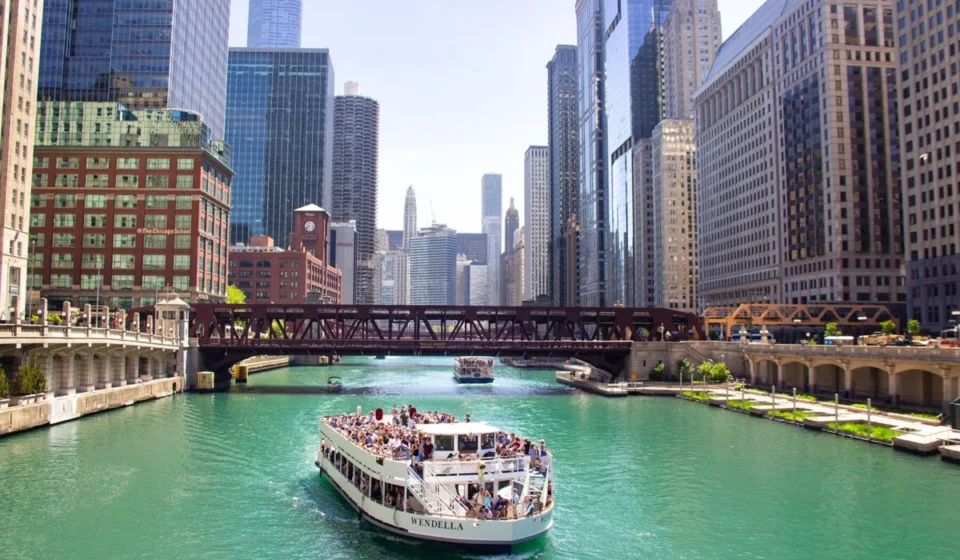
For those with limited time, the river-boat architecture tour remains the most statistically popular activity for visitors. Whether choosing a 45-minute or 90-minute cruise, the perspective gained from the Chicago River is unparalleled. Industry experts suggest that these tours provide more context on the city’s growth in under two hours than days of independent museum visits.
Official Perspectives: The Local Philosophy
Long-time residents often emphasize that "nobody messes with the classics." There is a collective consensus among locals that the city’s identity should not be diluted by the homogenization often seen in other major U.S. cities.
"The architecture tours aren’t just about pretty buildings," notes one long-term resident and guide. "They are about the resilience of the city. You see the transition from the masonry of the 19th century to the glass giants of the 21st. It’s a physical timeline."
Furthermore, officials in the tourism sector emphasize the importance of "micro-tourism"—encouraging visitors to shop local, eat at independent establishments, and spend time in areas that support the city’s smaller tax bases. By spreading the tourism dollar beyond the downtown Loop, visitors contribute to the sustainable growth of Chicago’s diverse districts.
Implications: How to Navigate Chicago Today
If you are planning a trip to the Windy City, the implications of these trends are clear: curate your experience.
1. The "Boat or Bridge" Rule
If your time is limited, prioritize the river. The Chicago River architecture cruise is essential. If a cruise is not feasible, the DuSable Bridge at the intersection of Michigan Avenue and the river offers an iconic vantage point that requires no ticket and captures the essence of the city’s architectural density.
2. Beyond the Loop
Allocate at least 50% of your itinerary to areas outside the central business district. Take the "L" (the city’s iconic elevated train system) to explore different neighborhoods. Each stop on the train line opens the door to a different cultural enclave, each with its own unique culinary profile and history.
3. The Culinary Strategy
Do not be afraid of the tourist-heavy spots for your first deep-dish experience, as they are often the standard-bearers for the style. However, for a more "authentic" daily experience, explore the neighborhood spots where locals go for their casual meals.
4. Avoiding the Common Pitfalls
- Avoid the "Over-Planned" Trap: Chicago is a walking city. Leave room in your schedule for spontaneous exploration.
- Respect the Seasons: Chicago’s weather is a defining characteristic. In winter, embrace the museums and indoor culinary scene; in summer, focus on the lakefront and the river.
- Transportation: Do not rely on ride-shares for everything. The Chicago Transit Authority (CTA) is efficient and offers the best way to see the city as it truly is.
Final Thoughts
Chicago is not a city that asks for your approval; it is a city that invites you to witness its strength. It is a place where the grit of the past meets the innovation of the future. By moving beyond the conventional tourist maps and embracing the neighborhood-centric nature of the city, you unlock the true potential of the Windy City. Whether you are gazing at the skyline from the deck of a boat or sitting in a corner booth at a local diner, you are participating in a tradition that is distinctly, undeniably Chicago.