The Art of Impermanence: How Toast CEO Suzie de Rohan Willner is Redefining Circular Fashion

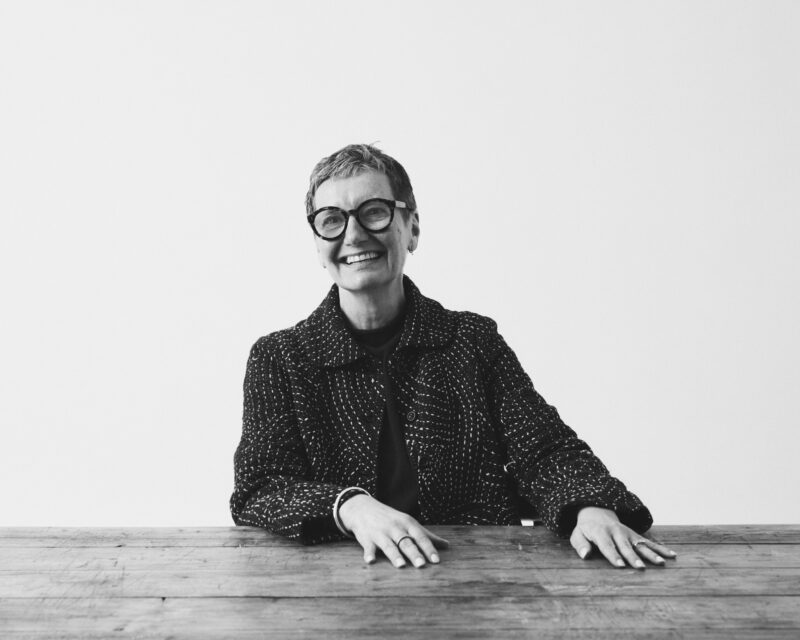
In the modern fashion landscape, where "fast" is the prevailing currency, Toast has carved out a quiet, intentional niche that prioritizes the longevity of the garment and the soul of the maker. At the helm of this philosophy is CEO Suzie de Rohan Willner, a leader whose vision is rooted not just in commerce, but in the tactile, transformative power of art and craftsmanship. Growing up in a creative household, de Rohan Willner developed an early, profound appreciation for the intersection of design and utility—a perspective that today informs the circular initiatives defining the Toast brand.
The Philosophy of the Fragment: Finding Beauty in Renewal
For de Rohan Willner, the act of creation is rarely a linear journey from a blank page to a finished product. It is, instead, a cyclical process of evolution. This mindset was sharpened during a pivotal encounter with the work of American artist Lee Krasner. Introduced to Krasner’s oeuvre by Toast Creative Director Laura Shippey, de Rohan Willner found herself captivated by the artist’s radical audacity—specifically, her practice of physically dismantling her own earlier canvases and stitching the fragments into entirely new, vibrant compositions.
This "art of the fragment" serves as a foundational metaphor for Toast’s current operational ethos. In a world saturated with textile waste, Toast has committed to a model that views damaged and discarded garments not as liabilities, but as the raw material for future expression. Through programs like Toast Repair, Renewed, and Reworn, the brand is actively reframing the life cycle of clothing. By championing visible mending, creative alteration, and the repurposing of remnants, de Rohan Willner is guiding the brand toward a future where "waste" is an obsolete concept, replaced by the endless potential of existing materials.
The Chronology of Influence: A Lifetime of Curated Inspiration
To understand the trajectory of Toast under de Rohan Willner’s leadership, one must look at the aesthetic and philosophical pillars that underpin her decision-making. In this exclusive edition of Friday Five, she shares the intellectual and artistic lineage that fuels her work.
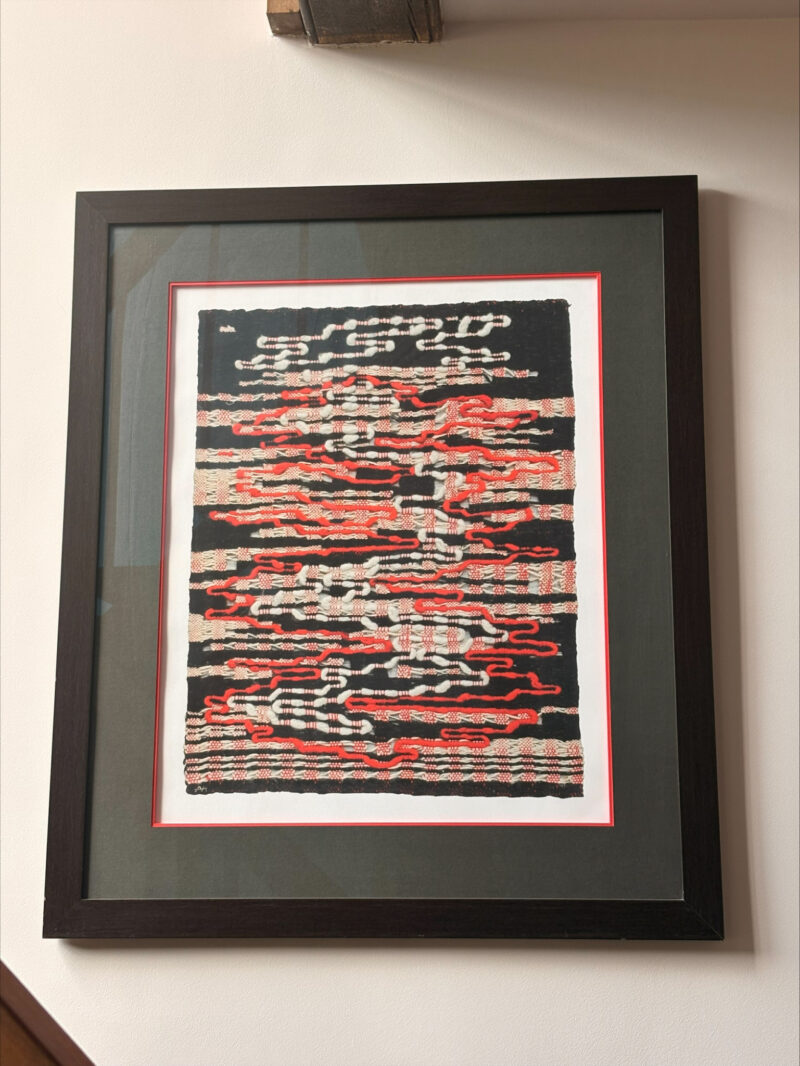
1. The Textile Architect: Anni Albers
De Rohan Willner cites the pioneering weaver and printmaker Anni Albers as a primary influence. Albers’ ability to elevate textiles from functional craft to high art is a trajectory Toast aspires to mirror. Her methodology—prioritizing the material’s inherent properties over decorative intent—aligns with Toast’s focus on natural fibers and tactile quality. "She asked what the material wanted to do before asking how it should look," de Rohan Willner reflects, a principle that dictates how Toast selects its linen, wool, and cotton blends.
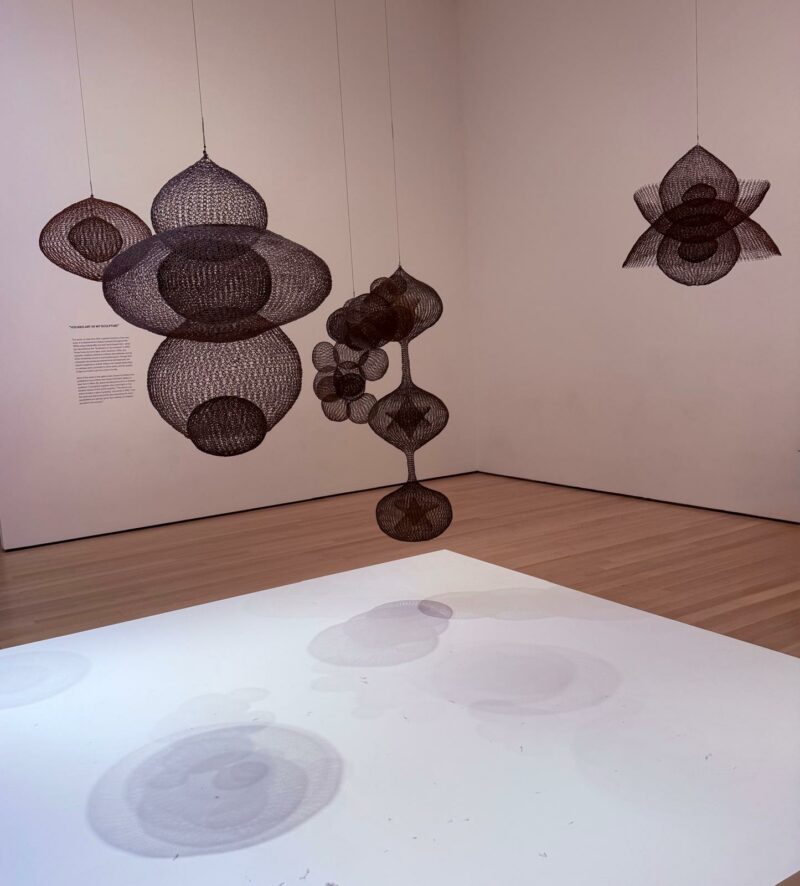
2. The Weight of Air: Ruth Asawa
The sculpture of Ruth Asawa offers a masterclass in the tension between strength and fragility. Asawa’s looped-wire sculptures, which transform cold, industrial materials into fluid, organic forms, provide a visual shorthand for de Rohan Willner’s design approach. Whether it is a hand-knit sweater or a structured linen coat, the goal is always to achieve a sense of "weightlessness"—a garment that possesses structural integrity without feeling cumbersome.
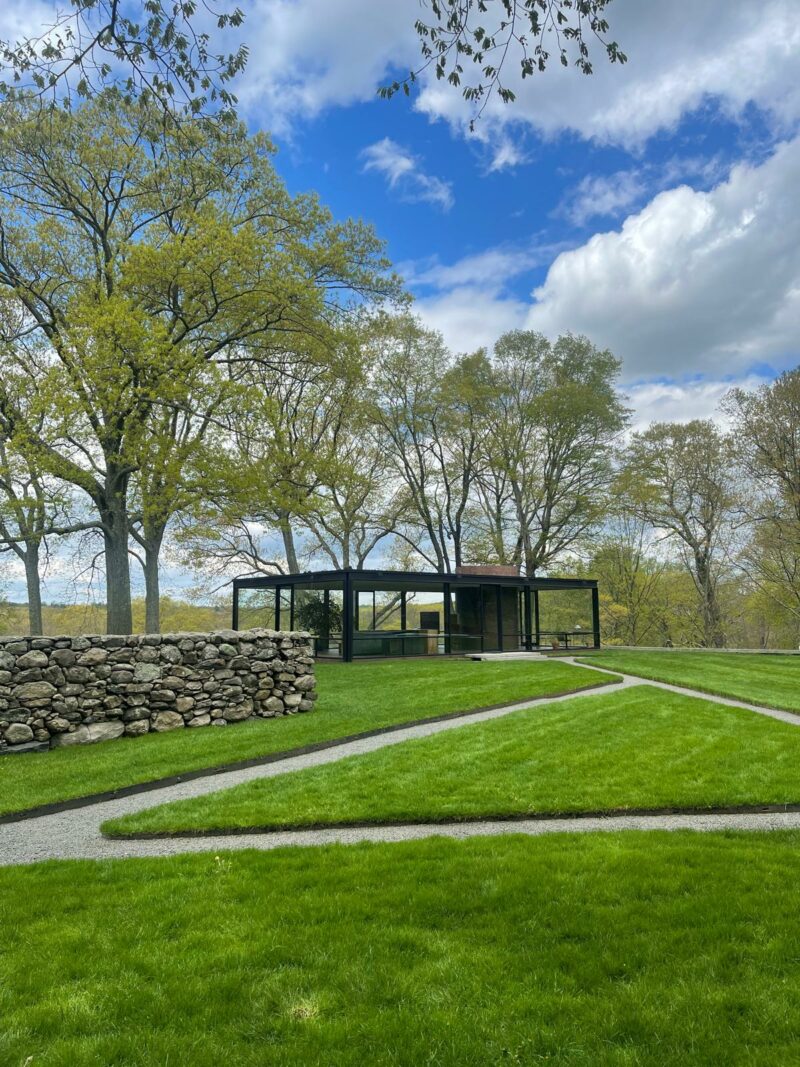
3. Dissolving Boundaries: The Glass House
Philip Johnson’s iconic Glass House in Connecticut serves as an architectural benchmark for the brand. Its ability to blur the lines between the interior and the landscape is a constant reminder that design is most effective when it frames, rather than competes with, the natural world. This sensibility informs Toast’s photography, its store environments, and its deep-seated connection to the Welsh landscape where the brand was born.
4. The Fluidity of Medium: Isamu Noguchi
Noguchi’s career was defined by an refusal to be siloed. From stone carving to lighting design, his voice remained consistent across disciplines. This, for de Rohan Willner, is the hallmark of a true creative leader. It encourages the Toast team to think beyond clothing, viewing the brand as a holistic lifestyle project that touches upon community gathering, literature, and art.
5. Brutalist Legacy: William Mitchell
The personal history of de Rohan Willner is inextricably linked to her stepfather, the late William Mitchell. A pioneer in concrete sculpture, Mitchell’s work—most notably the doors at the Liverpool Metropolitan Cathedral—exuded a brutalist, tactile honesty. His ability to synthesize historical resonance with modern, raw materials has left an indelible mark on de Rohan Willner, teaching her that "juxtaposed modernity" can be both breathtaking and deeply human.
Supporting Data: From Concept to Collection
The application of these influences is clearly visible in the recent projects orchestrated by Toast, which demonstrate a shift from traditional retail toward experiential, community-based engagement.
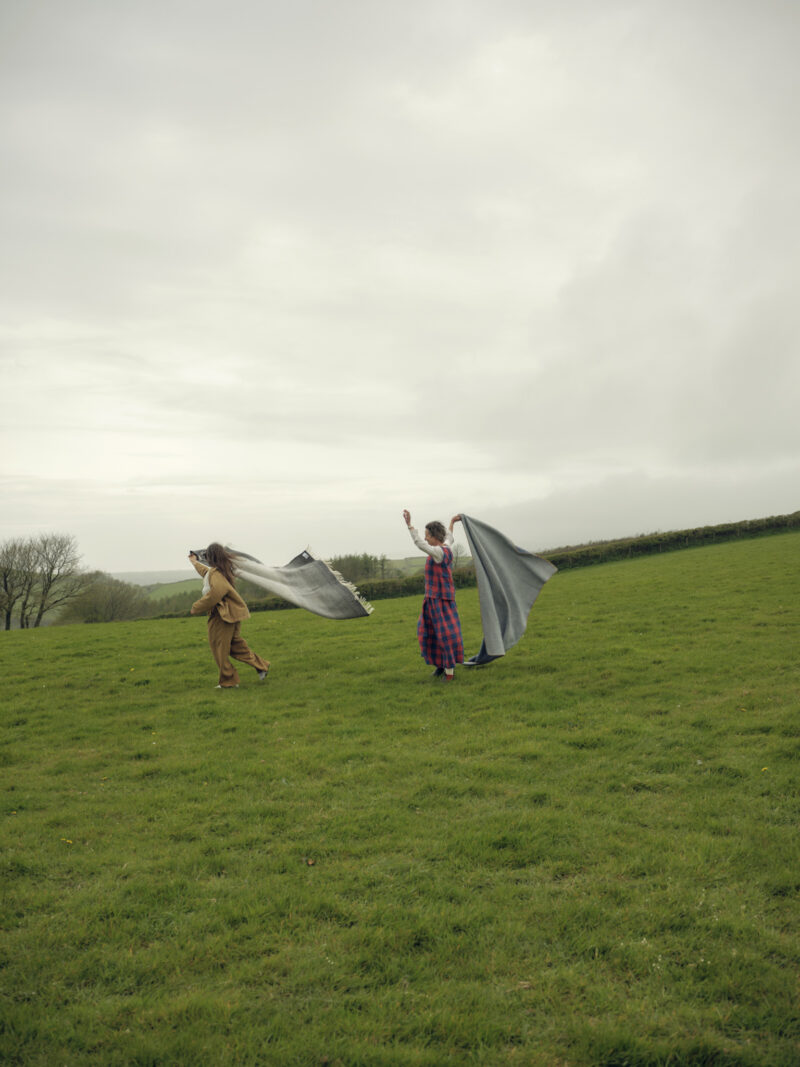
- A Shared Table (Spring/Summer 2026): Returning to the brand’s Welsh roots, the collection launch served as an invitation to the community. By hosting a luncheon on the farmland surrounding Llansteffan Castle, the brand reinforced the inseparable bond between landscape and production.
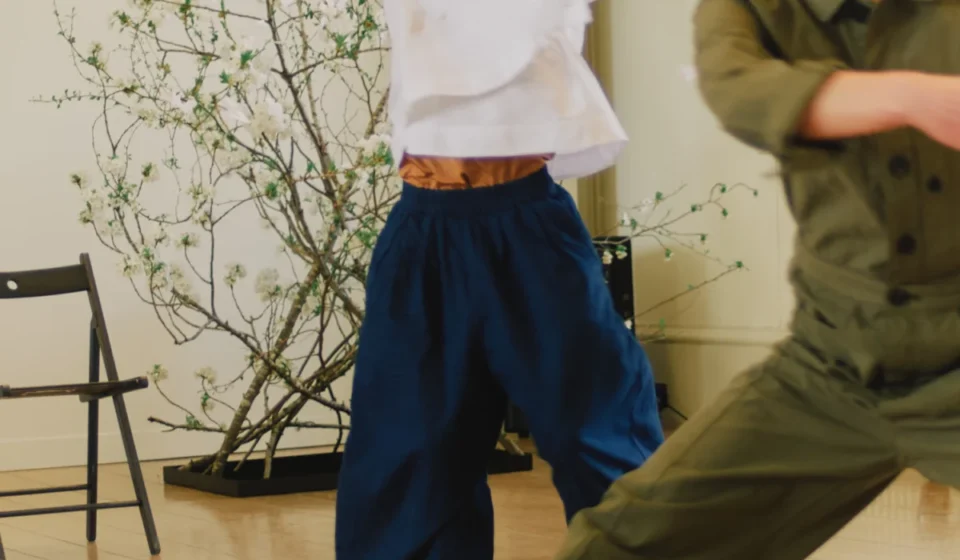
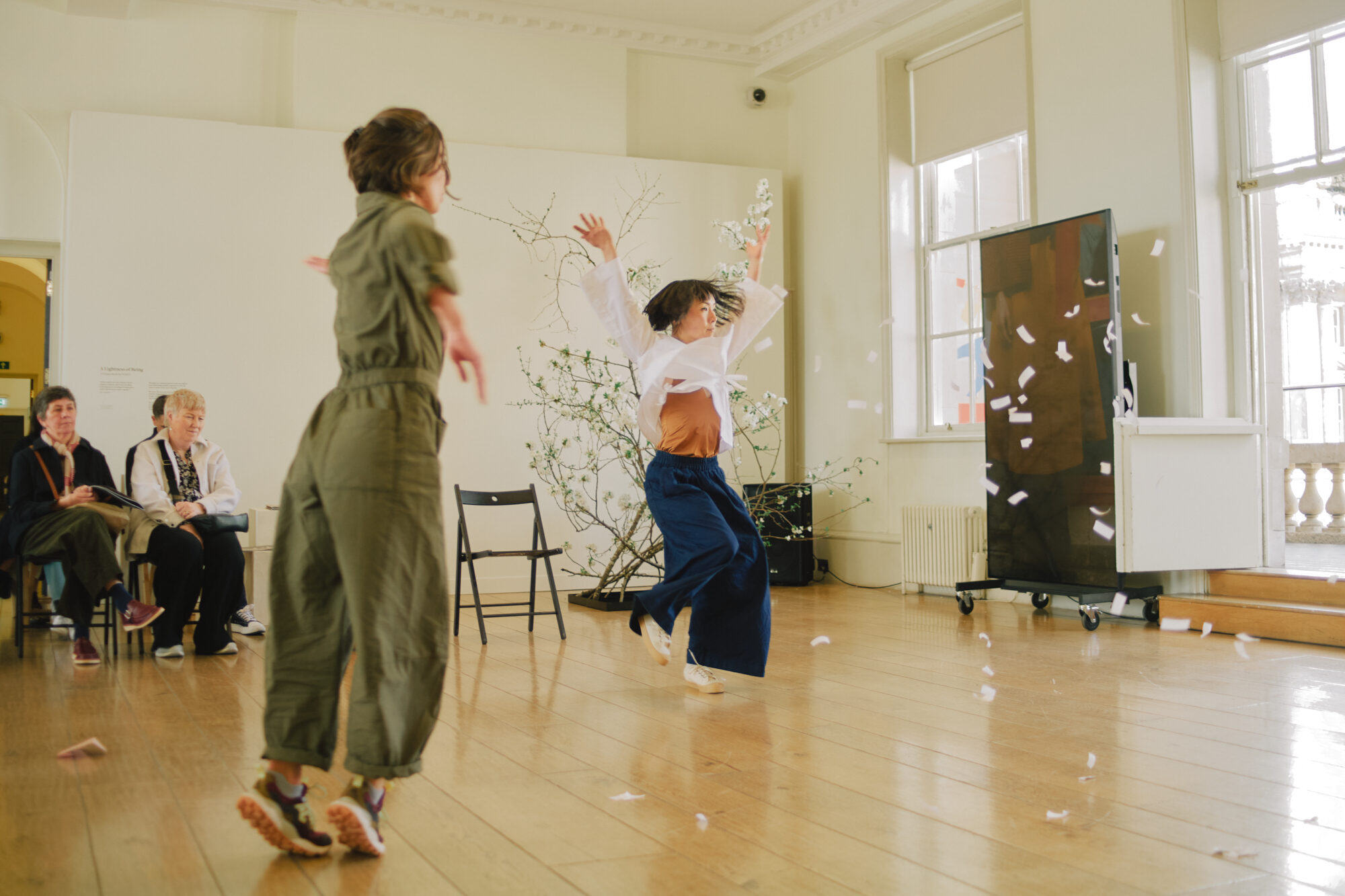
- A Lightness of Being (Spring/Summer 2025): At London’s Somerset House, Toast explored the intersection of movement and fabric. The collaboration with dancers Francesca Matthys and Masumi Saito served as a performance piece on the freedom of the body in clothing, translating the philosophy of the collection into live gesture.
- The Meta Struycken Collaboration: Perhaps the most direct application of circularity, Dutch artist Meta Struycken utilized returned and damaged Toast items to create a capsule of eight unique, full-size garments. This project elevated the act of repair to an art form, utilizing quilting and embroidery to give new life to damaged remnants.
Official Responses and Strategic Implications
When asked about the future of Toast, de Rohan Willner is clear: the brand must continue to "Mark the Turn." The current Fall/Winter 2026 collection, which bears that title, is an exploration of the rituals that define our passage through the seasons. In an era of digital disconnection, Toast is doubling down on the physical—the tactile quality of a hand-stitched hem, the weight of a wool blanket, and the importance of gathering.
The strategic implications of this are significant. By positioning repair and renewal at the center of the business model, Toast is moving away from the "disposable" growth model that has plagued the fashion industry for decades. The brand is essentially testing a hypothesis: that consumers, when given the choice, will opt for garments that offer a story of longevity and human craft over the transient trends of the mass market.
Looking Forward: The Craft-Led Future
The influence of Lee Krasner’s "tear-apart" methodology and the architectural rigor of Noguchi and Albers have coalesced into a unique business strategy. Toast is not merely selling clothes; it is curating a philosophy of stewardship. As de Rohan Willner continues to integrate these artistic influences into the fabric of the company, the implications for the wider industry are clear.
If fashion is to survive the challenges of the 21st century, it must rediscover the dignity of the object. Whether it is the restoration of a damaged coat or the creation of a new collection inspired by the shifting light of a Welsh hillside, the mission remains the same: to find new possibilities in familiar materials and to honor the hand that made them. For Suzie de Rohan Willner, the work is never finished—it is merely being recomposed, one stitch at a time.