Breaking the Noise: How Brands Can Navigate Peak Social Media Saturation and Win Back Audience Attention

Introduction: The Tipping Point of Digital Fatigue
It is time to pull the ripcord on creating content for content’s sake. Across the global digital landscape, a recurring lament echoes from boardrooms to community management desks: social media saturation is leaving audiences overwhelmed and social professionals thoroughly burnt out. Much like the dizzying array of tabs left open in a modern Chrome browser, keeping up with the endless cascade of information in our social feeds has become fundamentally unsustainable.
Today, more than 5.5 billion people use social media worldwide, with the average person spending roughly two hours and twenty minutes on social networks every day. Yet, audiences are simultaneously everywhere and seemingly nowhere. Modern network algorithms now surface content based on algorithmic interests rather than tangible human connections. Paired with the rapid-fire pace of trend and meme culture—and compounded by an unprecedented wave of AI-generated content flooding our feeds—there is a hard ceiling on the volume of information people can mentally and emotionally process.
To understand how forward-thinking enterprises are tackling this crisis, industry analysts examined how brands like BMC utilized social intelligence to overcome social media saturation, pivoting their strategies toward quality, high-impact content that genuinely earns audience attention.
Main Facts: The Anatomy of Social Media Overload
The digital ecosystem is operating at a historic tipping point. As the social media landscape rapidly evolves, the one constant remains an unrelenting deluge of content. According to industry data from recent content benchmark reports, brands published an average of 9.5 posts per day across various networks. In certain competitive industries, that baseline frequency doubles, while prominent media publishers average an astonishing 64 posts per day.

This relentless publishing cadence collides directly with diminishing human attention spans. Scientific research highlights that human screen attention spans dropped dramatically from 2.5 minutes in 2004 down to just 47 seconds in recent years. Consumers are literally physically and cognitively incapable of actively engaging with the sheer volume of material targeted at them.
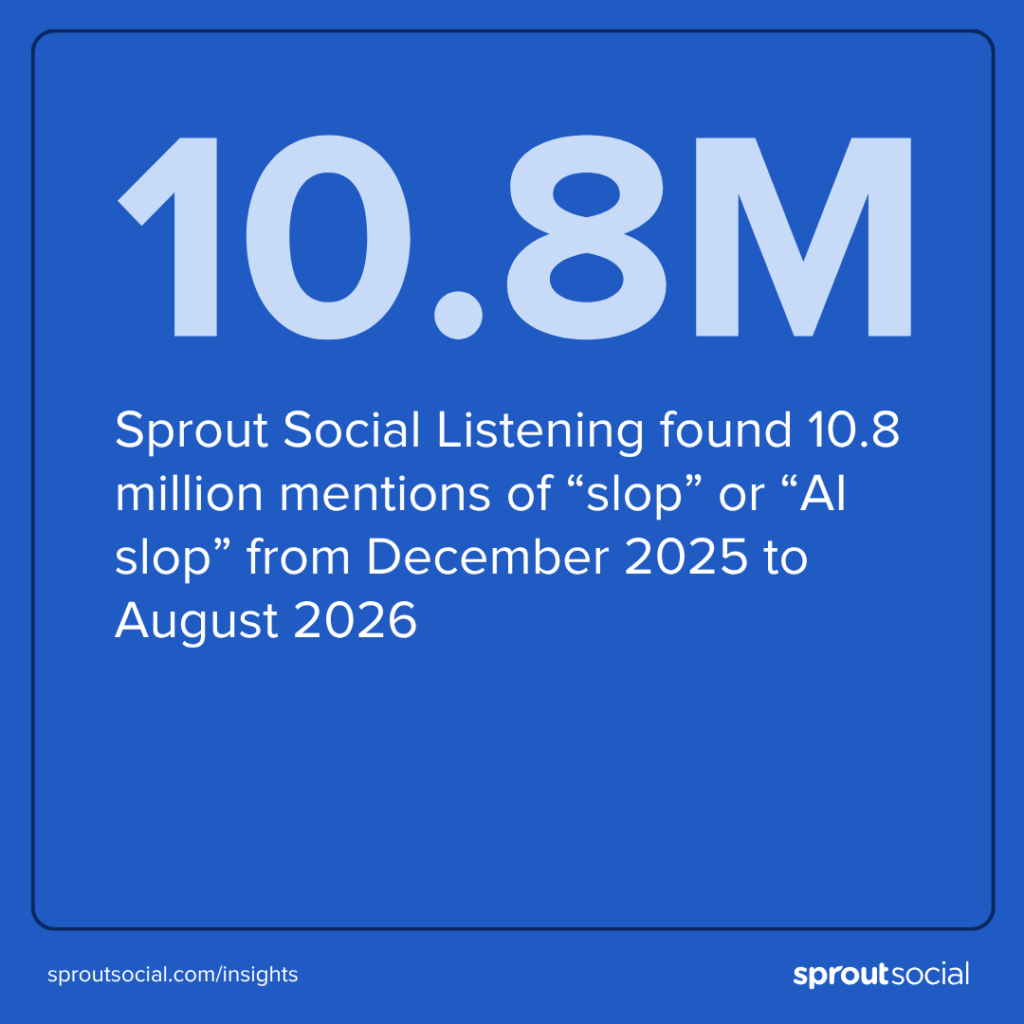
Compounding this problem is the explosion of artificial intelligence. While automated bots have plagued comment sections for years, the modern feed is now inundated with "AI slop." Enterprise social listening tools tracked more than 10.8 million mentions of the terms "slop" or "AI slop" circulating across social channels within a single eight-month window—a metric reflecting conversations about subpar automated content rather than the true, massive volume of the slop posts themselves. Platforms have been forced to react; LinkedIn’s introduction of an AI-slop reporting button saw more than 1 million users flag low-quality automated content in less than a month.
Chronology: How We Reached Peak Saturation
Tracing the evolution of social media over the past decade reveals a clear trajectory toward total fragmentation and saturation:
- The Era of Organic Reach (Mid-2010s): Social feeds were largely chronological, and brands could easily capture eyeballs by posting frequent, simple updates. Audiences experienced manageable amounts of digital noise.
- The Algorithmic Pivot (Late 2010s – 2020): Networks shifted away from chronological timelines to interest-based algorithms. Brands scrambled to increase output to appease the algorithm, raising daily post averages.
- The Short-Form & Fragmentation Boom (2021–2023): The rise of TikTok and short-form video accelerated trend cycles. Simultaneously, alternative networks like BeReal, Threads, Bluesky, and Mastodon fragmented the user base, forcing brands to spread themselves thin across more platforms.
- The Generative AI Flood (2024–Present): The democratization of generative AI tools led to a tidal wave of automated text, images, and videos. Users developed severe digital fatigue, prompting widespread industry backlash against "AI slop" and forcing a radical re-evaluation of content strategies.
Supporting Data: Key Insights from the Frontlines of Social Media
Quantitative research underscores the urgent need for a strategic overhaul among digital marketers. Key data points highlight the changing dynamics between brands and their audiences:
- 5.5 Billion: The global tally of active social media users, spending an average of 2 hours and 20 minutes daily on networks.
- 9.5 Posts Per Day: The average publishing volume for brands across multiple channels, a figure that exacerbates feed saturation.
- 47 Seconds: The estimated average human screen attention span, down significantly from 2.5 decades prior.
- 87% of Marketers: The proportion of professionals who planned to expand their presence onto new social networks in search of fresh audiences—ironically adding to systemic digital noise.
- One-Third of Consumers: The exact proportion of buyers who cite content originality as the primary factor making a brand stand out as a favorite on social media, ranking just behind product and service quality.
- 84% of Consumers: The majority of surveyed users who agree that it is important for companies to keep up with online culture, provided they do so authentically rather than through forced trendjacking.
Official Responses and Industry Case Studies
Faced with declining organic engagement rates, marketing leaders are speaking out and changing tactics. Rather than doubling down on the treadmill of high-volume posting, innovative brands are demonstrating how data-backed, insight-led storytelling breaks through the noise.
The BMC Case Study: From Daily Posting to Insight-Led Storytelling
A prime example of overcoming saturation is enterprise software company BMC. Their strategic turning point occurred when social intelligence data revealed that thought leadership content consistently outperformed one-off promotional assets. Their engagement metrics clearly indicated that audiences craved posts connected to deep industry trends, customer challenges, and unique corporate points of view.
This revelation prompted BMC to overhaul its channel strategy. The team moved away from arbitrary daily posting goals and launched The BMC Briefing, a monthly LinkedIn newsletter that packaged product education, customer narratives, and industry perspectives into a cohesive editorial experience. By replacing volume with value, BMC turned social media into a primary engine for authoritative brand storytelling.
How Brands Are Innovating
Other consumer brands are following suit by redefining originality:
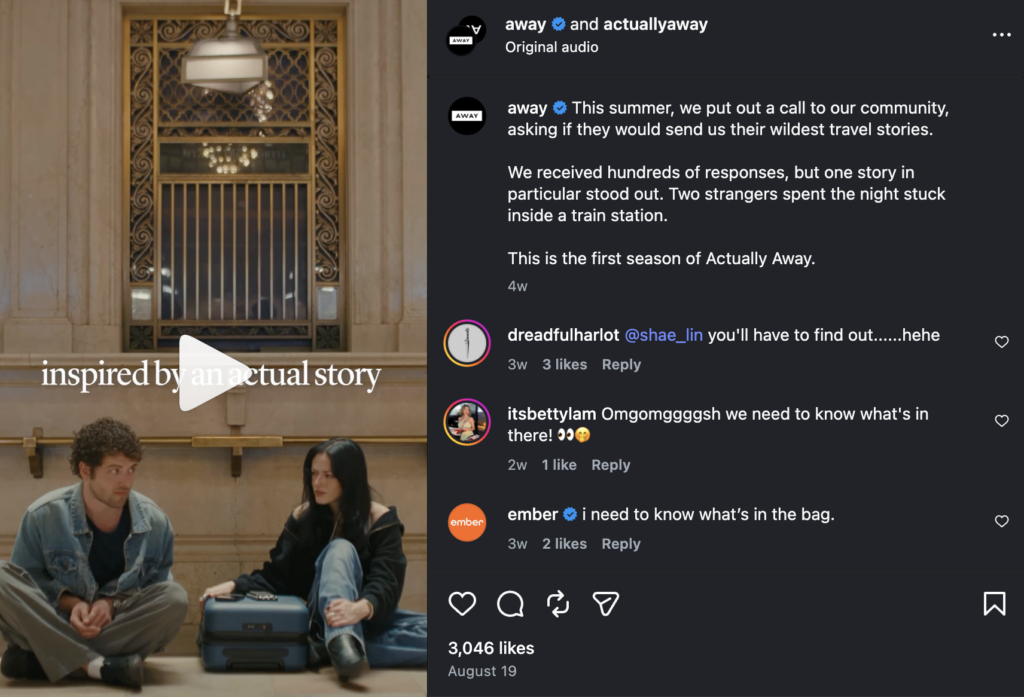
- Away and Nuuly: These brands have bypassed traditional product-pitch fatigue by producing stylized "microdramas" on Instagram and YouTube Shorts. These serialized videos serve as entertaining escapism while subtly showcasing products in unique, narrative-driven formats.
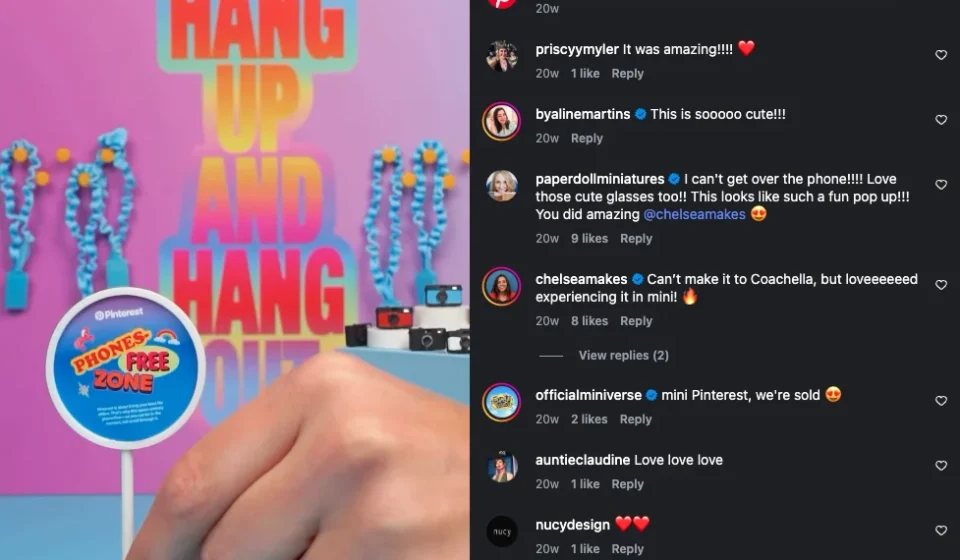
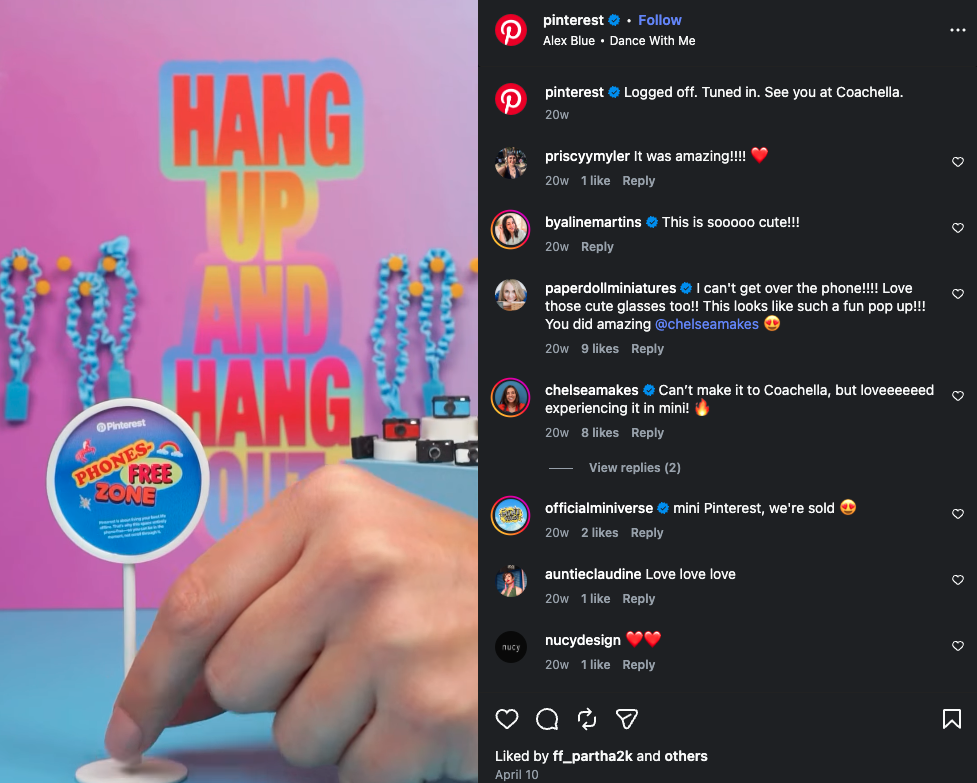
- Pinterest at Coachella: Instead of opting for a predictable digital activation, Pinterest leaned into an analog aesthetic trend skyrocketing on its own platform (up over 260% in searches). They engineered a phone-free physical activation featuring custom charm-making and junk journaling at Coachella, proving that brands can honor digital trends through tactile, real-world experiences.
Implications: What Brands Must Do Next
The challenge of social media saturation is not temporary. As AI advancements continue and platform fragmentation accelerates, marketers must adopt new operational rituals to survive and thrive.
1. Invest in Relentless Originality
In a world saturated with generic AI-generated content, original thought is a brand’s strongest differentiator. Companies must lean into proprietary data, unique visual identities, and creative formats that competitors cannot easily replicate.
2. Calibrate Content to Generational Preferences
Understanding consumption habits is critical. While younger audiences like Gen Z are remarkably patient with long-form video content if the hook works, older demographics may swipe away faster. Tailoring video length, tone, and platform placement ensures investments hit the right targets.
3. Practice Precision Trendjacking
Jumping on every viral trend blindly only adds to the digital sludge. Brands must utilize social intelligence tools to vet cultural moments, participating only when a trend naturally aligns with their core identity and audience interests.
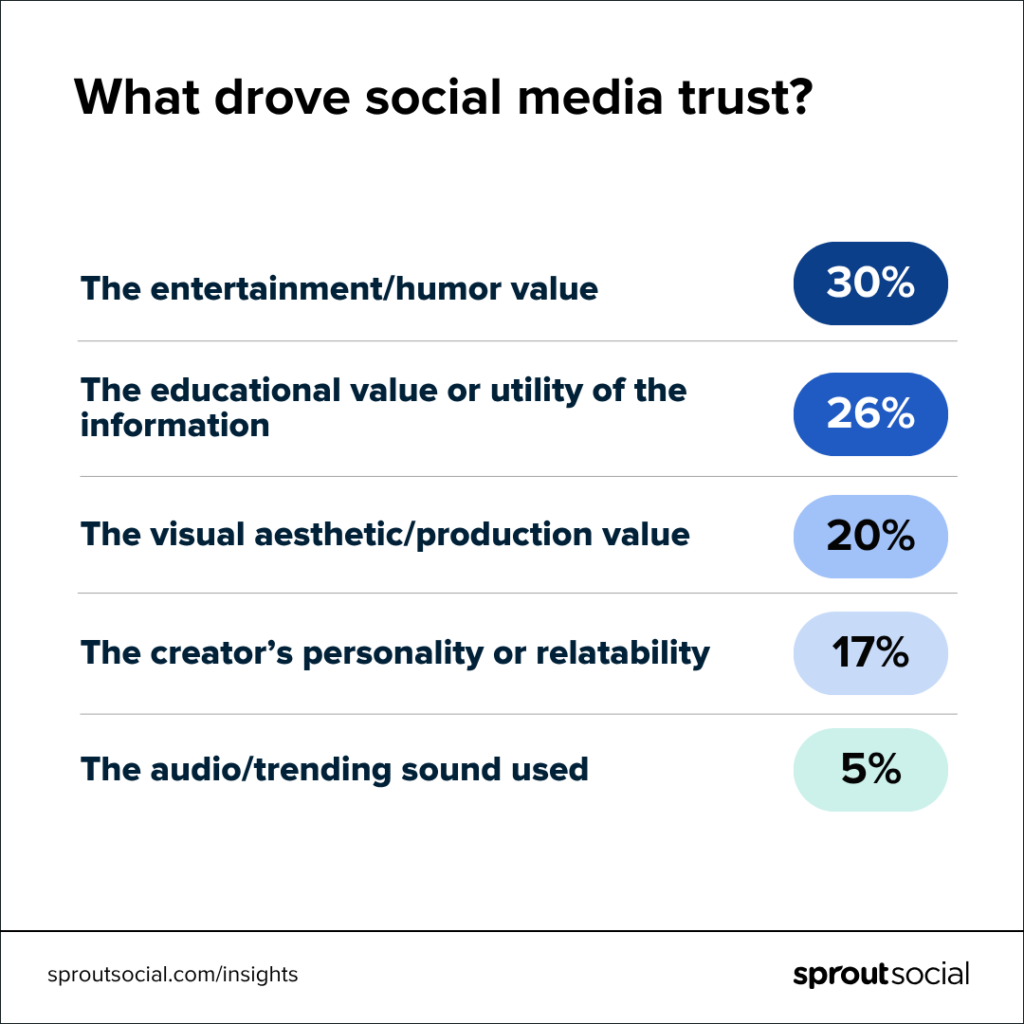
4. Redefine Success Metrics
Vanity metrics like reach and impressions no longer reflect true business impact. Social media teams must advocate for shifting primary KPIs toward community engagement, meaningful conversations, and actionable interactions—because a community member tagging a friend is infinitely more valuable than a passive scroll.
Frequently Asked Questions (FAQs)
What is social media saturation?
Social media saturation is the critical tipping point where the volume of published content drastically outpaces audiences’ capacity and willingness to consume it. The direct result is diminished attention per post, lower engagement rates, and declining returns on high-volume publishing strategies.
Is social media marketing saturated?
Yes, organic social media is oversaturated by virtually every performance metric. While engagement rates have declined across major networks, overall content production has remained high or increased. However, "oversaturated" does not mean ineffective; it simply means the cost of attention has risen, and undifferentiated content no longer clears the consumer threshold.
How much content are brands publishing on social media?
According to industry benchmarks, brands publish an average of 9.5 posts per day across various networks. Consumer-facing brands often exceed this baseline, while major media publishers routinely average upwards of 64 posts daily.
How can brands overcome social media saturation?
To break through the noise, brands must stop competing on sheer volume and instead compete on specificity and quality. Effective strategies include investing in original, serialized content, engaging in genuine two-way community interactions, and pivoting success metrics away from passive reach toward active resonance and engagement.
Related posts: