Meetup Overhauls Direct Messaging Experience in Major Platform-Wide Reliability Push

SAN FRANCISCO — In a significant step toward modernizing its aging infrastructure, community-discovery and event-hosting platform Meetup has rolled out a comprehensive overhaul of its direct messaging system. The update, detailed by the company in late December 2024, directly targets long-standing user grievances regarding sluggish performance, unreliable notifications, and an antiquated user interface.
The deployment of these features marks the inaugural phase of a much broader, highly anticipated product roadmap spearheaded by the platform’s leadership. Designed to cater to millions of active community organizers and members worldwide, the revamped messaging architecture aims to restore seamless communication—the foundational lifeblood of any successful meetup group.
Main Facts: What’s New in Meetup Messaging?
The newly released messaging suite introduces several high-demand features geared toward transparency, speed, and aesthetics. According to product documentation released by the Meetup team, the updates span three core pillars: delivery transparency, interface modernization, and system-wide reliability.
1. Real-Time Message Delivery Status
One of the most frequent requests from both event organizers and everyday members has been visibility into message receipt. Previously, users would send messages into a digital void, often unsure if the recipient had seen their inquiry regarding an upcoming hike, tech workshop, or social mixer.
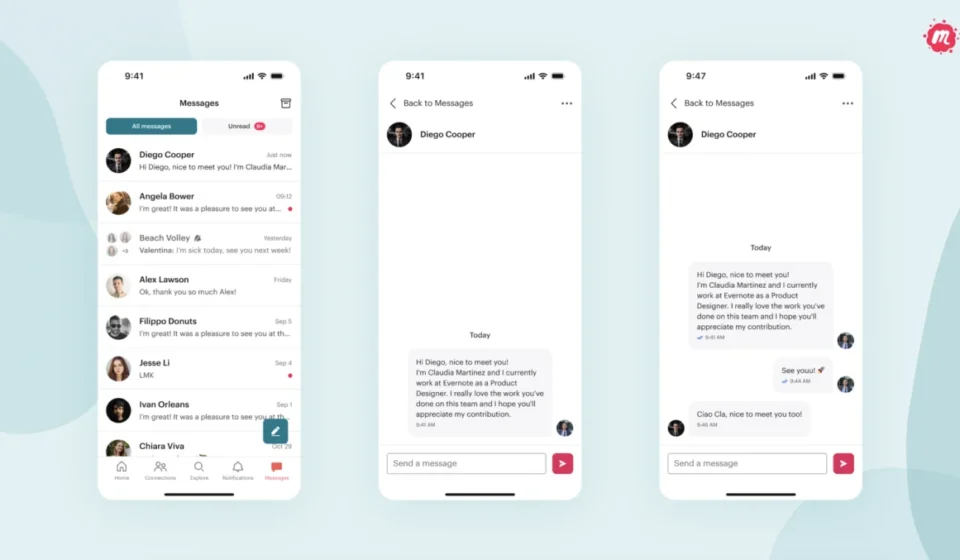
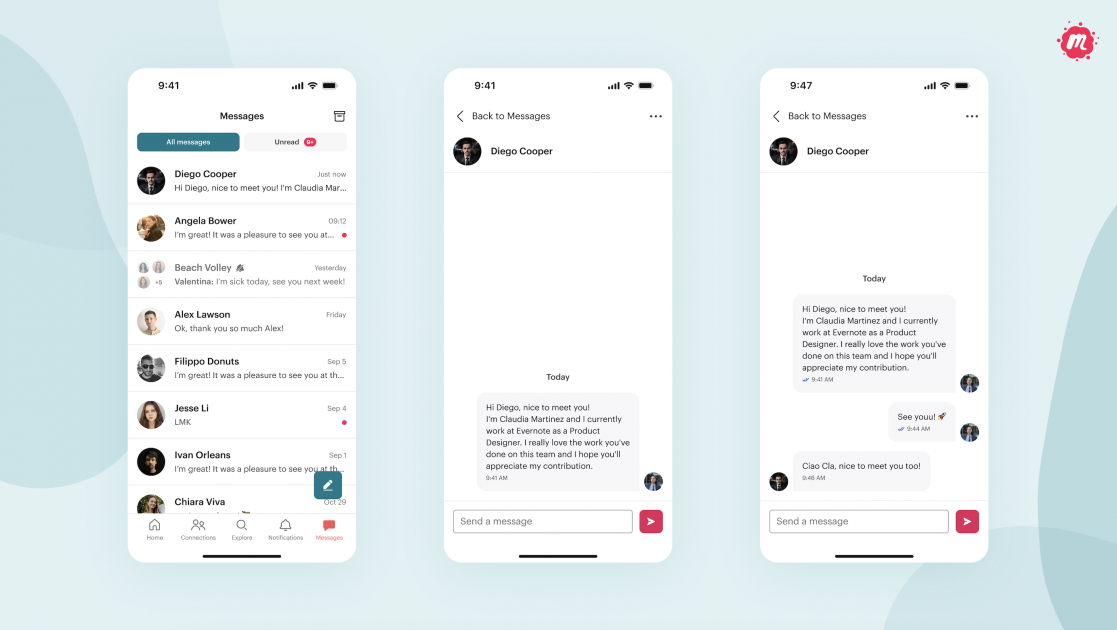
With the latest update, message delivery and read statuses are now displayed directly within the chat interface. This functionality has been deployed universally across Meetup.com, as well as the native iOS and Android mobile applications, bringing the platform in line with modern consumer messaging standards.
2. A Revamped, Modern User Interface (UI)
Meetup has officially retired its legacy messaging layout on the iOS member application. The new interface trades the platform’s historically clunky design for a sleek, streamlined aesthetic.
While Android users will notice minor visual variances due to platform-specific design guidelines, both operating systems now house identical core functionalities under the hood. The visual refresh utilizes subtle micro-interactions and cleaner typography to reduce cognitive load and make multi-conversation management significantly less tedious.

3. Under-the-Hood Reliability and Speed Fixes
Beyond surface-level aesthetics, Meetup’s engineering teams conducted a deep-dive investigation into the underlying architecture of the messaging system. Users previously reported a laggy, sluggish experience characterized by delayed notifications and sync errors across devices.
By isolating and patching these persistent performance bottlenecks, Meetup has successfully stabilized notification delivery. Messages and alerts now sync rapidly and accurately, regardless of whether a user accesses the platform via desktop or mobile.
Chronology: From Legacy Frustrations to a Modernized Platform
The journey toward this messaging overhaul has been a gradual evolution driven by escalating user feedback and organizational restructuring.
- Pre-2023: For years, Meetup communities thrived despite underlying technical friction. The direct messaging feature remained largely untouched, relying on legacy frameworks that struggled to keep pace with modern real-time communication expectations. Users frequently voiced frustrations on community forums regarding delayed notifications and lost messages.
- Mid-2024: Following operational shifts and increased focus on core product enhancements, Meetup leadership prioritized user-experience (UX) debt reduction. Customer support tickets highlighting messaging delays and poor UI design were categorized as high-priority bugs.
- Late 2024 (November–December): Engineering teams deployed the initial beta builds of the new direct messaging interface to select platforms, closely monitoring stability and server load.
- December 19, 2024: Meetup officially published its comprehensive product update, rolling out delivery read-receipts, the iOS UI overhaul, and critical backend latency patches to the global user base. Public progress was cataloged via the newly established "Meetup Progress Tracker" hosted on Notion.
Supporting Data and Context: The Anatomy of Community Platforms
To understand the weight of Meetup’s recent updates, one must examine the metrics of digital community engagement. Industry analyses consistently demonstrate that retention rates in online-to-offline ($textO2O$) communities correlate directly with communication friction.
- Response Times: Studies in community management indicate that a user’s likelihood of attending an event drops by over 40% if their initial organizing question goes unanswered within 24 hours. By introducing read receipts, Meetup empowers organizers to track unresponsive leads and follow up proactively.
- Mobile Dependency: Over 70% of Meetup’s active user base interacts with the platform primarily through mobile devices (iOS and Android). The prior disparity between web responsiveness and mobile app lag made mobile messaging a primary source of churn. Modernizing the iOS app and standardizing Android functionality directly addresses the primary access vector for modern consumers.
- The Backlog Challenge: Platforms that scale over decades inevitably accumulate "technical debt." Meetup’s pivot toward transparently tracking fixes via a public Notion progress tracker represents a data-backed attempt to rebuild trust with a community that has historically felt ignored by legacy tech ownership.
Official Responses and Strategic Vision
In their official release notes, the Meetup product team framed the messaging update not as an isolated event, but as the opening salvo in a comprehensive platform rehabilitation strategy.
"Messages are a crucial way for organizers and members to stay connected," the Meetup Team stated in their official communication. "Messages were our first project within a broader initiative to address the most common customer requests, fix bugs across the platform, and generally improve the Meetup experience for members and organizers alike."
The company has explicitly mapped out its immediate development roadmap, assuring users that engineering efforts will not halt with messaging. Upcoming milestones include:
- Event Announce and Member Contact Revamp: Improving how organizers broadcast updates to their rosters.
- Streamlined Event Creation: Simplifying the backend tools required to spin up new meetups.
- Pro-Specific Enhancements: Expanding capabilities for enterprise and multi-chapter "Pro" organizers, specifically focusing on synchronized Network events.
- Growth and Discovery Tools: Introducing algorithmic and administrative features designed to boost local discoverability, manage inactive member lists, and combat the perennial community headache of event "no-shows."
Furthermore, Meetup has doubled down on user collaboration. Members and organizers are encouraged to submit feature requests and bug reports directly via a dedicated support form, with real-time status updates tracked publicly on their open-access progress tracker.
Implications: What This Means for Organizers and Members
The successful deployment of the messaging overhaul carries profound implications for the micro-economies and social webs built on Meetup.
For Organizers: Reduced Administrative Burden
Organizing a meetup is often an uncompensated, labor-intensive hobby or a micro-business. Slow messaging tools directly translate to wasted hours chasing attendees, answering redundant logistics questions (e.g., "Where are you parked?" or "Is this beginner-friendly?"), and coordinating with venue partners. With reliable notifications and read receipts, organizers can manage their communities with corporate-grade efficiency, minimizing the administrative friction that leads to organizer burnout.
For Members: Enhanced Safety and Engagement
For everyday users, particularly those joining local groups to combat loneliness, network professionally, or explore niche hobbies, communication clarity is a matter of psychological safety. Knowing that a message has successfully landed in an organizer’s inbox lowers the barrier to entry for newcomers. The modern, clean interface removes the jarring UX disconnects that previously plagued mobile exploration.
For the Platform: Reclaiming Market Dominance
In an era where alternative community-building platforms—ranging from Discord and Facebook Groups to specialized local apps like Eventbrite and Geneva—vie aggressively for market share, Meetup’s survival depends on modernization. By acknowledging its historical technical shortcomings and aggressively paying down technical debt, Meetup is signaling to investors and users alike that it intends to remain the premier digital gateway to real-world human connection.
As the platform rolls into the subsequent phases of its 2025 roadmap, the tech community will be watching closely to see if Meetup can maintain this newfound momentum and successfully deliver on its promise of a frictionless, community-first digital ecosystem.
Related posts: