The Architecture of Attention: What Event Planners Can Learn (and Avoid) from Casino Design

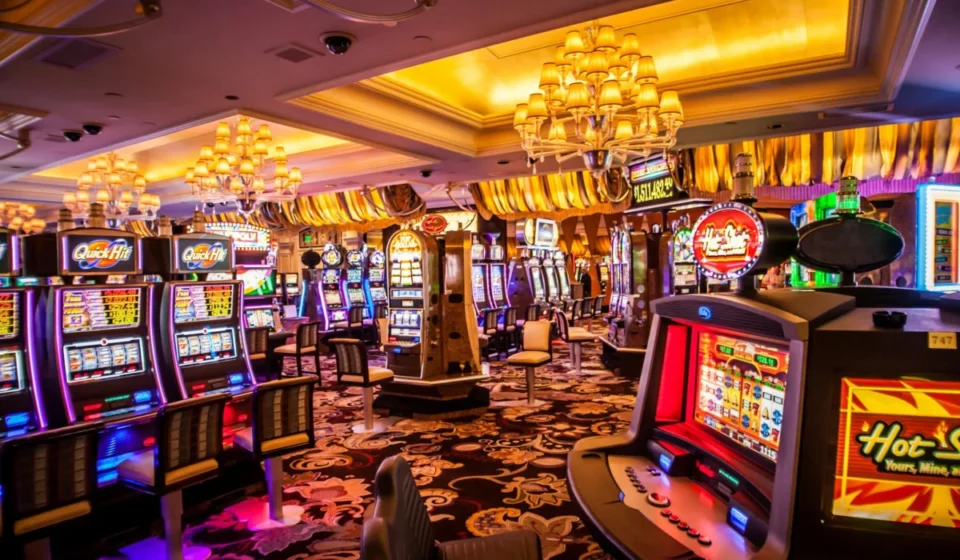
LAS VEGAS — When the doors open on a major convention floor in Las Vegas, attendees are immediately enveloped in spectacle. The scale of the trade shows matches the towering ambition of the host city, while just steps away, the iconic hum, flash, and psychological gravity of the casino floor exert a completely different kind of pull.
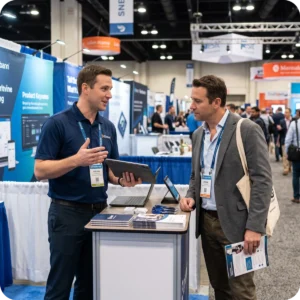
To the casual observer, casinos and large-scale corporate events might seem worlds apart. One exists to separate patrons from their money through calculated games of chance; the other aims to foster B2B connections, education, and industry networking. Yet, beneath the surface, both industries grapple with the exact same fundamental challenge: how to design physical spaces that capture, guide, and hold human attention.
As experience and interaction designers increasingly look outside their own sectors for inspiration, the crossover between casino architecture and event planning has become a compelling subject of study. Industry experts, hospitality professors, and veteran designers agree that while a business conference should rarely mimic a high-stakes gaming floor, there are profound psychological lessons to be learned from how casinos manage space, time, and human behavior.
Main Facts: The Intersection of Spatial Psychology and Hospitality
The dialogue surrounding spatial design reached a fever pitch during recent industry gatherings like IMEX America, where spatial architecture and participant well-being took center stage.
- The Infrastructure Advantage: Las Vegas offers a uniquely consolidated ecosystem. Unlike older urban centers where event venues are scattered across neighborhoods, the Las Vegas Strip was engineered for centralized accessibility, creating a single, continuous hospitality corridor.
- Diverging Design Philosophies: Casino design is historically split into two distinct methodologies: the traditional, maze-like, low-ceiling approach pioneered by Bill Friedman to maximize game exposure, and the opulent, open, high-ceiling luxury spaces championed by designers like Roger Thomas (notably seen at the Bellagio).
- The Empathy Shift in Events: Modern event design, championed by professionals like IMEX interaction designer Oliver Bailey, rejects the exploitative tactics of traditional gaming floors. Instead, it prioritizes attendee autonomy, mental pacing, and neurodivergent inclusivity.
- The Smartphone Disruptor: In both casinos and modern conferences, ubiquitous mobile devices have fundamentally altered how long a physical environment can capture an attendee’s unbroken focus.
Chronology: Evolution of the Modern Hospitality Environment
To understand how event design and casino architecture converged, it helps to examine how both fields evolved over the latter half of the 20th century into the hyper-connected era of today.
The Era of the Closed Loop (Late 20th Century)
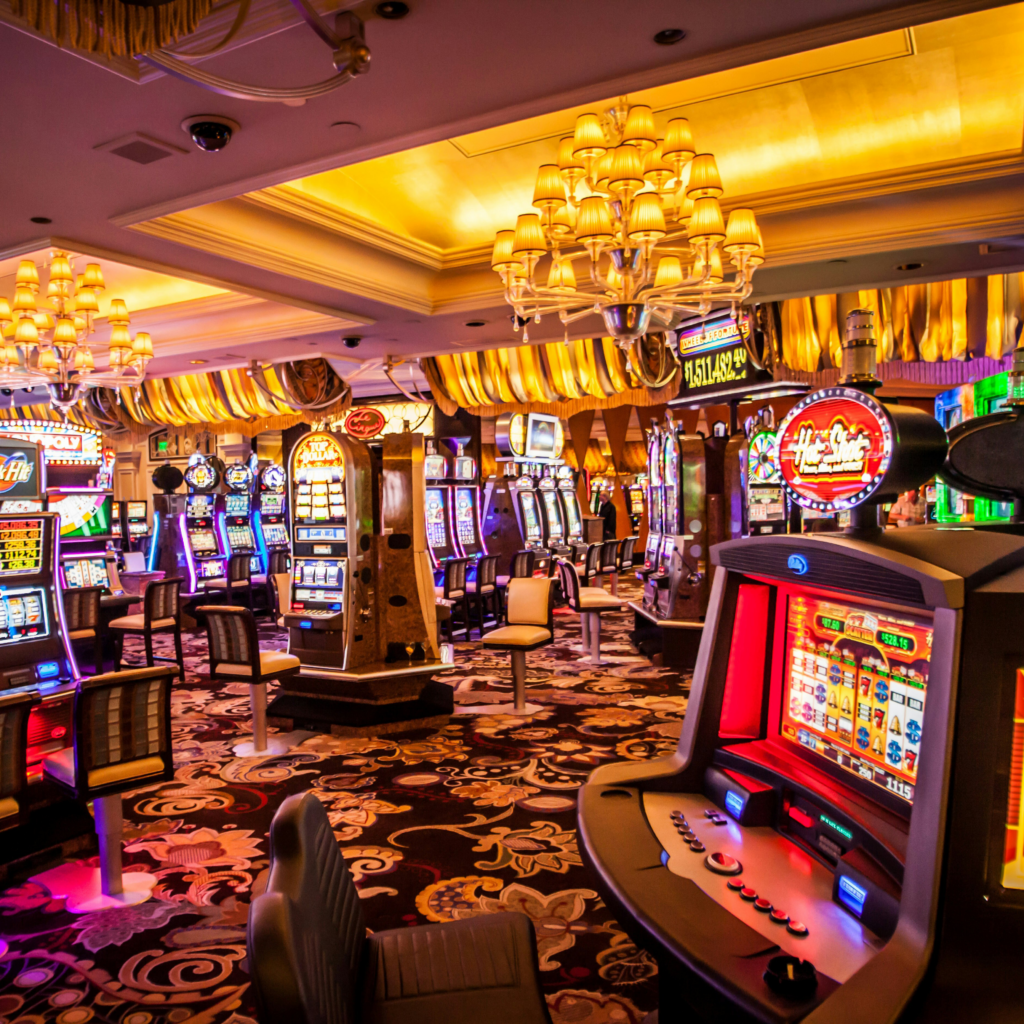
For decades, traditional casino design was dictated by strict psychological manipulation. Architects like Bill Friedman studied the behaviors of thousands of gamblers across dozens of properties. The resulting consensus was clear: keep people inside, keep them confused about time, and keep them moving past gaming tables and slot machines. This meant intentionally omitting windows, removing wall clocks, and building low-ceilinged mazes that made navigation difficult, thereby forcing players to constantly re-engage with the gaming floor just to find their way out.
The Rise of Open-Concept Luxury (Turn of the Millennium)
As consumer tastes matured, the stark, claustrophobic maze model began to face pushback. Designers like Roger Thomas introduced a revolutionary aesthetic with properties like the Bellagio. By incorporating high ceilings, natural light, elegant sightlines, and opulent decor, Thomas proved that gamblers would spend money willingly in an environment that made them feel pampered rather than trapped.
The Digital Disruption (2010s–Present)
The widespread adoption of smartphones radically changed the rules of spatial design. According to Juliana Rodrigues Vieira Tkatch, an assistant professor in residence at the UNLV William F. Harrah College of Hospitality, the smartphone broke the closed loop.
"You can game from anywhere," Tkatch notes. "So why would you go gaming in a place where you don’t feel good?"
Suddenly, physical environments had to compete with digital distractions. Casinos had to lean harder into luxury and comfort to justify physical presence, while event planners had to rethink how physical spaces could complement—rather than fight—digital schedules and communication tools.
Supporting Data and Comparative Analysis: Casinos vs. Conferences
While casinos and conferences both manipulate space to achieve specific behavioral outcomes, their ultimate Key Performance Indicators (KPIs) point in opposite directions.
| Design Metric | Traditional Casino Floor | Modern Corporate Conference (e.g., IMEX) |
|---|---|---|
| Primary Objective | Maximize dwell time, game exposure, and financial spend. | Respect attendee time, facilitate targeted networking, and deliver clear educational value. |
| Spatial Layout | Often maze-like, compartmentalized, and intentionally disorienting to encourage discovery. | Clear, open wayfinding, logical zoning, and deliberate transit corridors. |
| Temporal Cues | Absence of windows and clocks to induce "timelessness" and prolonged play. | Strict schedule adherence, digital app integration, and transparent time management. |
| Sensory Strategy | High sensory stimulation (bright lights, ringing sounds, dense clustering of machines). | Balanced sensory design featuring high-energy zones offset by quiet, neutral decompression spaces. |
| Core Philosophy | Attention as a resource to be captured and monetized. | Compassion, empathy, and safeguarding attendee mental energy. |
Official Perspectives and Expert Insights
Industry leaders emphasize that borrowing from casino design does not mean copying their manipulative tactics wholesale. Instead, planners must extract the underlying principles of audience observation and intentional flow.
Understanding the Audience Through Observation
Bill Friedman’s legendary casino frameworks were not born overnight; they were forged through the rigorous observation of human behavior across 80 different gaming floors. Event designers argue that this exact analytical rigor must be applied to corporate gatherings and trade shows.
"Good design starts by understanding the needs of one’s stakeholders," explains Oliver Bailey, interaction designer for IMEX. "This leads to ideation, which guides development and is then observed and iterated over time."
Tkatch echoes this sentiment, stressing that event planners must clearly define what their attendees actually want out of an experience.
"What are their goals when they are looking to go to your event?" Tkatch asks. "In a trade show, it can mean business. But if it’s an entertainment event, it can mean to just relax, just disconnect."
The Imperative of Responsible Design
Where event design firmly parts ways with the darker side of casino architecture is in the realm of ethics and cognitive well-being. While a casino thrives on keeping patrons locked in a state of hyper-stimulated disorientation, modern event planning is moving decisively toward inclusivity and cognitive balance.
"It is also responsible," Bailey says, describing the core ethos of modern event architecture. "It recognizes the fragility of our ecosystems and complexity of our inner worlds. The one thing all good design has in common is the purpose, in one way or another, to make the world better and to improve lives somehow."
This philosophy has driven significant changes across major conventions, notably through initiatives focused on neurodivergent inclusivity. Recognizing that many attendees experience sensory overload, progressive event planners are actively engineering environments that provide moments of respite.
"The key consideration is balance," Bailey notes. "If you are designing a feature with sensory demand, you need to offset this with a feature which provides neutrality… We do offer support where support is needed and spaces to actively disengage."
Tkatch champions a similar framework known as universal design, arguing that overstimulating environments take a toll on everyone—not just individuals with specific sensory needs.
Implications for Event Planners: What to Steal, What to Leave Behind
For event professionals looking to elevate their next conference, trade show, or corporate retreat, the lessons from the Las Vegas Strip offer a clear roadmap of tactical do’s and don’ts.
1. Leave the Maze Behind (Unless It’s Entertainment)
If your event is a high-stakes B2B trade show where attendees operate under tight schedules and high-pressure networking quotas, do not build a maze.
- What to do instead: Invest in intuitive wayfinding, clean sightlines, and digital navigation aids—such as the Bluetooth beacon-integrated mobile apps utilized by events like IMEX. Give participants the structural clarity they need to find their meetings on time.
- When the casino model works: If you are running an immersive fan convention, an experiential brand activation, or an entertainment-heavy festival, leaning into a bit of mystery, exploration, and sensory immersion can heighten engagement and create a sense of discovery.
2. Balance the Highs with the Lows
Even the most dedicated pop-culture fans or corporate executives will hit a wall of cognitive fatigue. Casinos attempt to solve this by pushing patrons toward restaurants, lounges, or alternative entertainment venues. Event planners must be proactive in building decompression directly into the floor plan.
- Actionable takeaway: For every high-energy, high-sensory activation zone you design on your exhibition floor, pair it with a low-stimulus, quiet zone. Provide comfortable seating, natural lighting elements (where possible), and acoustic dampening to give attendees a place to reset their nervous systems.
3. Build for the Modern, Connected Attendee
Trying to completely trap an attendee in a windowless, time-oblivious vacuum is no longer viable in the age of smartphones. Instead of fighting the device in their hands, progressive planners use technology to enhance physical spatial flow.
- Actionable takeaway: Use event apps not just for schedules, but as dynamic maps that guide traffic away from bottlenecks and toward under-utilized areas of the convention floor, smoothing out crowd density in real time.
Conclusion: A Balanced Perspective
Nobody is suggesting that event planners should install roulette wheels in the back of the keynote hall or rip out wall clocks to trap attendees in product demonstrations for an extra hour. However, walking through a world-class Las Vegas casino offers a masterclass in how physical spaces subtly dictate human emotion, movement, and engagement.
By studying the meticulous audience research of casino pioneers, respecting the mental boundaries of modern attendees, and prioritizing balance and inclusivity, event professionals can borrow the best of Vegas showmanship without losing sight of what truly matters: human connection, respect for time, and purposeful design.