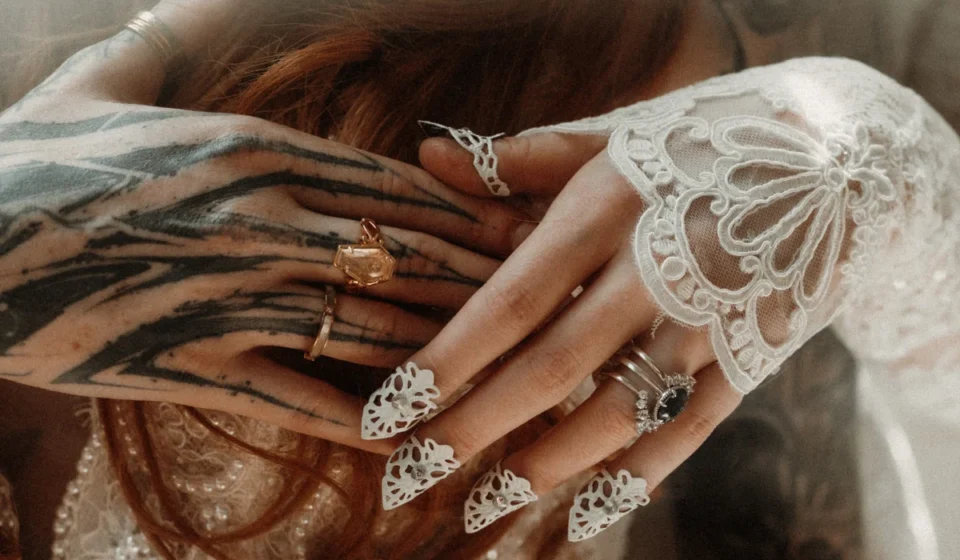

For over three-quarters of a century, the diamond engagement ring has been the undisputed heavyweight champion of the jewelry industry. It is a symbol so potent that it has become synonymous with the very concept of a romantic commitment. However, as modern couples increasingly prioritize personal expression, ethical sourcing, and practical daily utility over historical marketing mandates, the "anti-diamond" movement is shifting from a counter-culture trend to a mainstream pillar of the bridal industry.
The Diamond Lore: A Manufactured Tradition
To understand why we feel compelled to purchase diamonds, one must look back to 1947. Before the mid-20th century, engagement rings were varied, often featuring family heirlooms or colored gemstones. The dominance of the diamond is not a centuries-old tradition, but rather the result of one of the most successful advertising campaigns in human history.
The De Beers "A Diamond Is Forever" slogan, conceived by copywriter Frances Gerety for the N.W. Ayer agency, did more than sell a product—it successfully rebranded the stone as the only acceptable vessel for a romantic promise. Like Queen Victoria’s popularization of the white wedding dress, the diamond became an instant tradition, effectively rewriting social expectations. For decades, the industry maintained this grip by limiting supply and fostering the perception that the size and quality of a diamond were direct metrics of a partner’s devotion.
The Shift: Why Couples are Opting Out
Today, the bridal industry is undergoing a structural change. Couples are beginning to treat engagement jewelry as a reflection of their personal identities rather than a rigid adherence to a script written by 1940s marketing executives. This shift is driven by three primary factors:
- Ethical and Environmental Concerns: The mining of natural diamonds has long been under scrutiny regarding labor practices and environmental impact.
- Financial Pragmatism: With the rising cost of living, many couples are reallocating funds previously earmarked for a single stone toward home ownership, travel, or wedding celebrations.
- Lifestyle Compatibility: Modern professionals—from healthcare workers to artists—require jewelry that fits their active lives, moving away from the high-set, delicate solitaire designs of the past.
Moissanite: The Brilliance of Laboratory Innovation
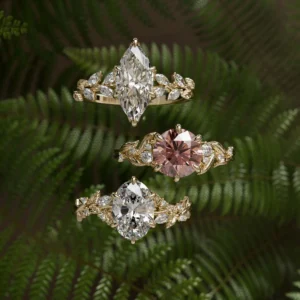
For those who desire the aesthetic of a clear, sparkling stone without the diamond price tag, moissanite has emerged as the premier alternative. Originally discovered in a meteor crater, the moissanite used in jewelry today is laboratory-grown, ensuring an ethical and sustainable supply chain.
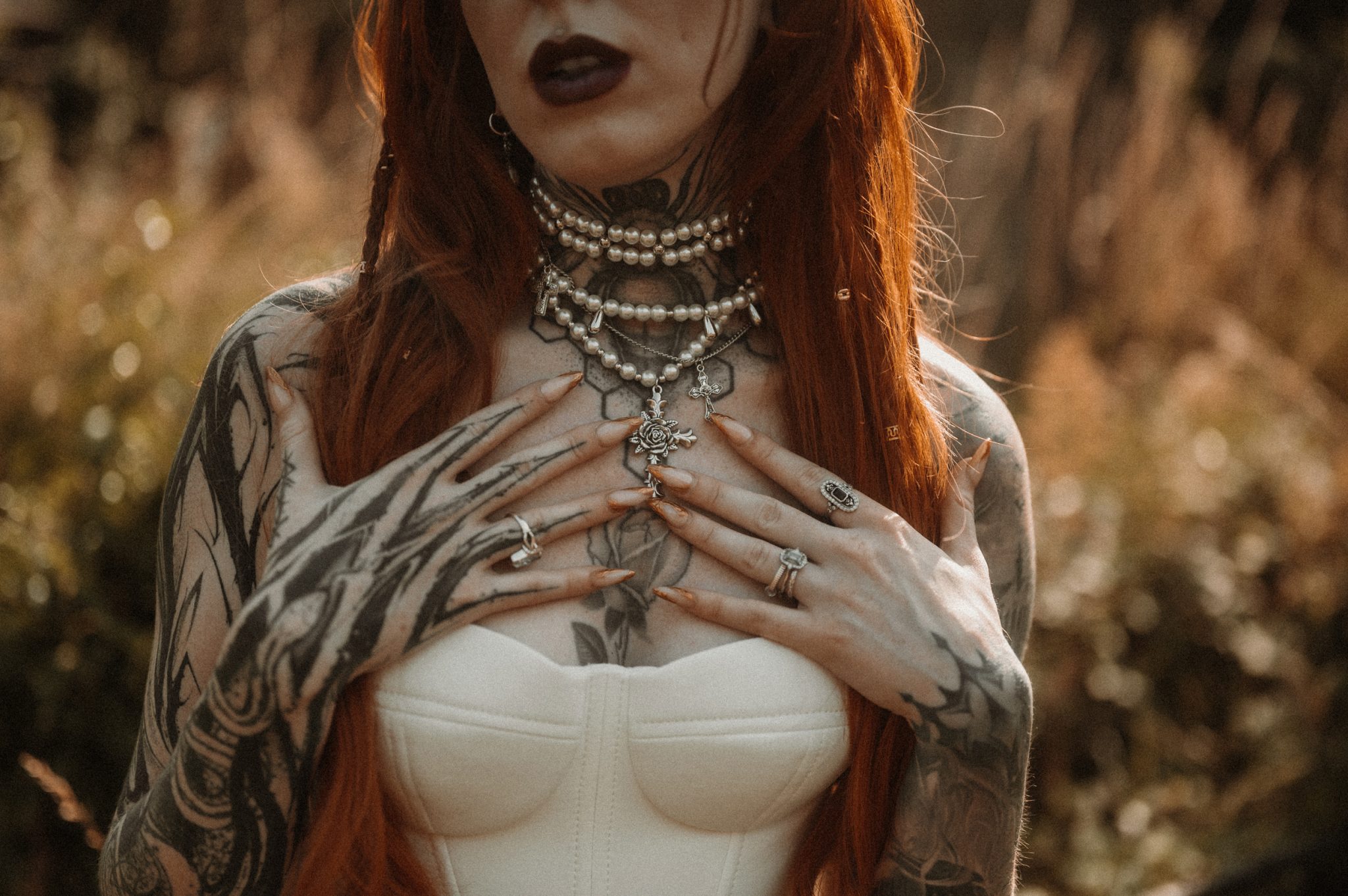
With a hardness rating of 9.25 on the Mohs scale, moissanite is exceptionally durable, second only to diamonds. However, it possesses a unique optical property: it features a higher refractive index than a diamond, leading to a "disco ball" effect with intense rainbow flashes under bright light. For many, this is a selling point, offering a more dramatic sparkle than the traditional white-light return of a diamond. Furthermore, the accessibility of lab-grown moissanite allows couples to opt for larger carat weights or unconventional cuts—such as elongated cushions or pears—that would be prohibitively expensive in a diamond format.
The Resurgence of Colored Gemstones
Sapphires and rubies have reclaimed their status as top-tier engagement options, blending historical prestige with modern color palettes.
Sapphires: Beyond "Something Blue"
Sapphires are a practical choice, registering a 9 on the Mohs scale. While royal blue remains a classic, the market has seen a surge in interest for "parti" sapphires—stones displaying multiple colors such as green, yellow, and blue in a single gem. Additionally, Montana and teal sapphires offer "moody," earthy tones that align with current minimalist and bohemian aesthetics.
Rubies: Main-Character Energy
Rubies are essentially the red version of the same mineral as sapphires (corundum). They offer a bold, assertive look that pairs beautifully with vintage or gothic-inspired settings. Because natural, high-quality rubies can command prices exceeding that of diamonds, the industry is increasingly seeing a rise in high-quality lab-grown rubies, which allow for dramatic, large-scale designs without compromising on color saturation or clarity.
The Vintage Appeal: Sustainability and Storytelling
Purchasing a vintage or antique engagement ring is arguably the most sustainable choice a couple can make. By opting for an existing piece—whether it be an Art Deco geometric design, a Victorian cluster, or a mid-century solitaire—couples are avoiding the environmental footprint of new mining.
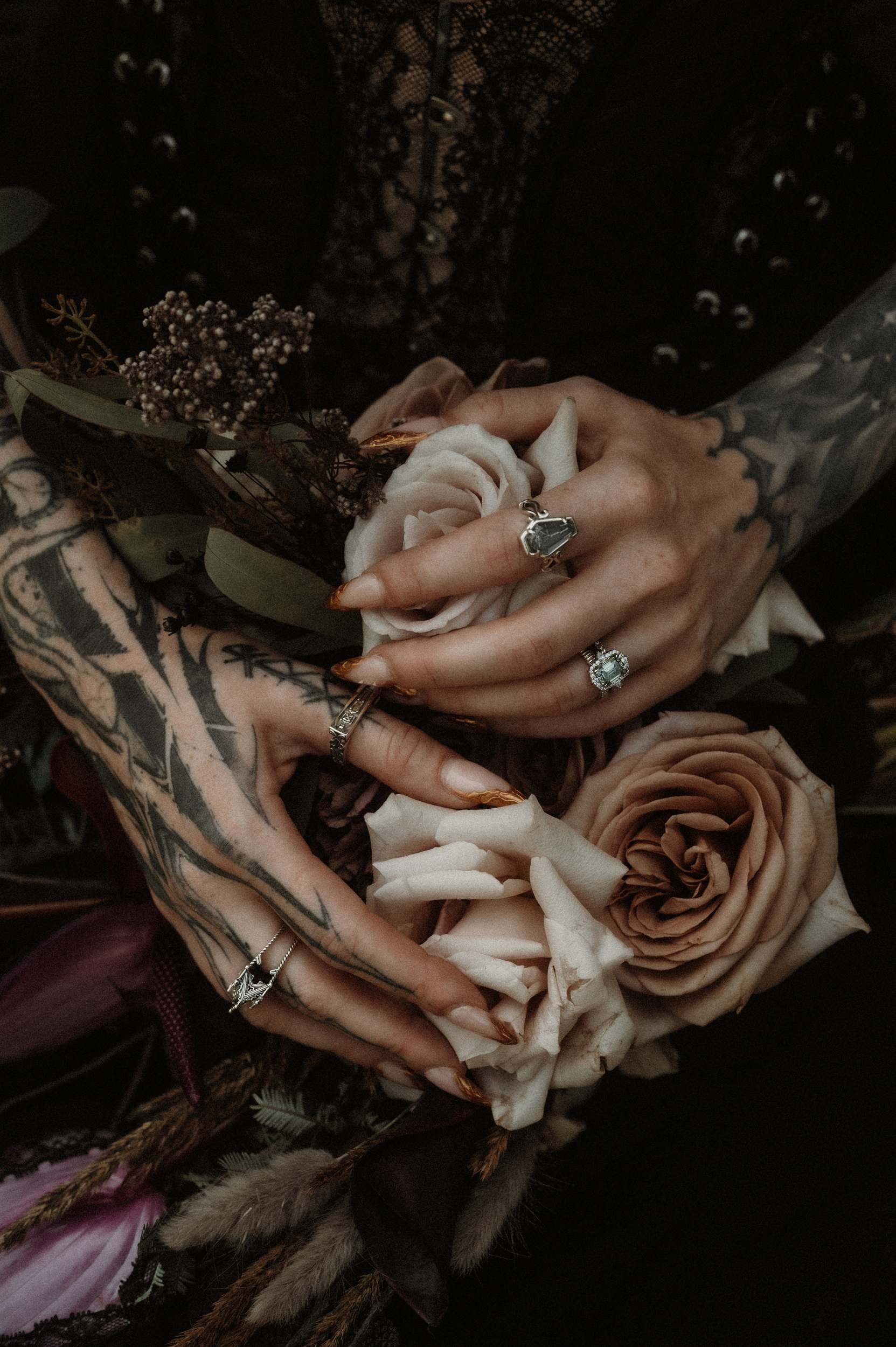
These pieces often feature "Old Mine" or "Old European" cuts, which were hand-faceted to sparkle in candlelight. These stones possess a depth and character that modern, laser-cut diamonds often lack. However, shoppers should approach vintage with caution. A reputable jeweler should inspect the structural integrity of the metal, the security of the prongs, and the condition of the stones before a purchase is finalized.
The "Hardness" Factor: Reality-Checking Your Choice
Not all stones are created equal. If a ring is intended to be worn 24/7, material science matters. Stones like opals, pearls, and moonstones are significantly softer than diamonds or sapphires. While they make stunning pieces, they are prone to scratching, clouding, or fracturing when exposed to daily activities like gardening, weightlifting, or dishwashing.
For the "everyday wearer," experts recommend sticking to stones that rank 8 or higher on the Mohs scale. If a couple insists on a softer stone, they must be prepared for increased maintenance, including potential professional recutting or stone replacement over the years.
The Rise of Non-Traditional Markers: Tattoos and Beyond
For some, the traditional ring is simply not a fit. Engagement tattoos have become a sophisticated alternative, representing a permanent bond that cannot be lost or snagged. While finger tattoos are prone to fading due to the high frequency of hand-washing and movement, they offer an intimacy and practicality that no physical object can replicate.
Beyond tattoos, the industry is seeing a rise in "engagement jewelry" that abandons the finger entirely. Custom-engraved watches, pendants, brooches, or even dental gems are being used to symbolize the start of a partnership. This movement is largely fueled by a desire to avoid the discomfort of rings or to bypass workplace restrictions that prevent the wearing of jewelry on the hands.
Implications: The Collaborative Proposal
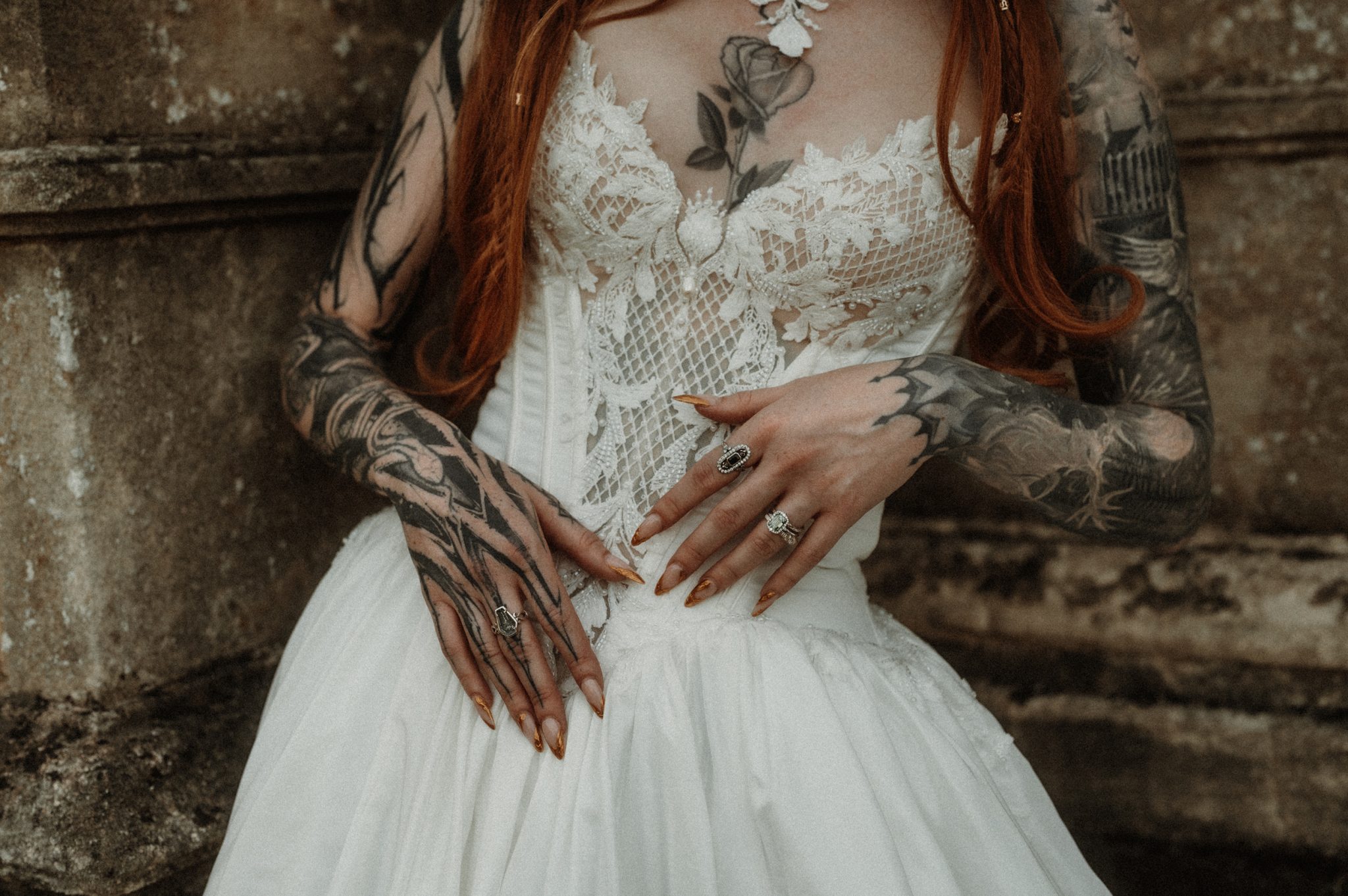
Perhaps the most significant change in the engagement landscape is the shift toward the collaborative purchase. The "surprise proposal" has long been a pillar of romantic tradition, but it is increasingly viewed as a relic of a time when the ring was a gift from a provider to a recipient, rather than a mutual commitment.
Today, many couples prefer to shop together, ensuring that the ring aligns with their shared budget and the wearer’s personal style. This collaborative process can still maintain the "surprise" element of the proposal—for instance, by proposing with a loose stone, a placeholder band, or simply a sentimental note, with the final design created as a shared activity after the "yes."
Conclusion: Your Ring, Your Rules
The engagement ring industry is no longer a monolith dictated by a single marketing slogan. Whether you choose a lab-grown moissanite, a vintage heirloom, a tattoo, or a simple band, the "correct" choice is the one that aligns with your lifestyle, your values, and your aesthetic.
As we move further into the 21st century, the definition of a "traditional" ring is being rewritten to include everything. The most precious aspect of an engagement ring is no longer the market value of the carbon in the stone, but the intentionality of the choice behind it. By opting for what resonates personally, couples are ensuring that their symbol of commitment is as unique and enduring as the relationship it represents.