
Navigating Amazon’s Prime Big Deal Days: A Comprehensive Market Analysis and Consumer Guide

Main Facts
Amazon’s latest major retail event, the Prime Big Deal Days—colloquially and widely recognized by consumers and industry analysts alike as the Fall Prime Day—has officially commenced. As one of the e-commerce titan’s primary tentpole shopping periods outside of the traditional mid-summer Prime Day and Black Friday/Cyber Monday corridor, this multi-day sales extravaganza introduces millions of price reductions across virtually every retail category.

However, navigating the sheer volume of discounted inventory presents a distinct challenge for consumers. Price fluctuations, varying discount methodologies (such as Prime-exclusive pricing versus standard markdowns), and fleeting flash sales can obfuscate actual savings. To address this friction, market trackers and shopping authorities have mobilized to audit price histories, filter out superficial markdowns, and curate verified, high-value deals.
Key offerings span multiple consumer sectors:

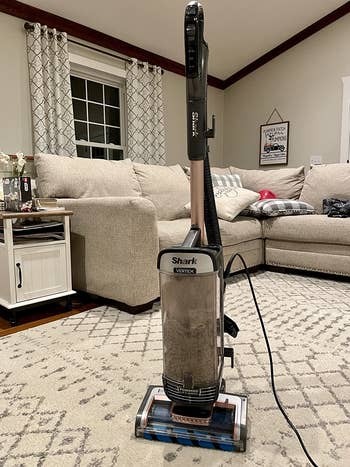
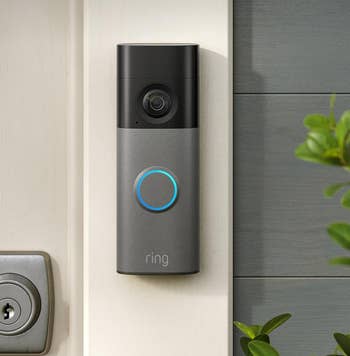
- Home Maintenance & Smart Living: Deep discounts on high-end appliances, security systems, and cleaning apparatuses, including the Shark Vertex Lift-Away Vacuum and Ring Video Doorbell variants.
- Kitchen & Culinary Tech: Significant price cuts on smart meat thermometers (such as Chef iQ), multi-functional coffee makers (Ninja, Keurig), and high-capacity storage solutions (Rubbermaid Brilliance, OXO).
- Wellness & Personal Care: Markdowns on sleep optimization technology (Hatch Restore series), percussive massage instruments (Theragun Prime), and ambient home fragrance products.
- Everyday Essentials & Pet Care: Bulk-discounted household cleaners, odor-shielding pet litters, and specialized sanitary supplies.
Chronology of the Event and Retail Strategy
The genesis of Amazon’s auxiliary fall shopping events traces back to the shifting dynamics of the post-pandemic retail calendar. Recognizing an opportunity to stimulate consumer spending ahead of the critical Q4 holiday shopping season, Amazon established the fall sales window to capture early holiday shoppers and clear warehouse inventory before incoming holiday stock.

- Pre-Event Phase (Late Summer to T-Minus 7 Days): Retail analysts and consumer advocacy groups begin tracking historical pricing trends. Manufacturers coordinate inventory positioning in Amazon’s fulfillment centers to ensure Prime-eligible shipping speeds.
- Launch Day: The event officially goes live at midnight Pacific Time. Initial hours see high traffic volumes, particularly for high-demand consumer electronics, smart home devices, and viral lifestyle products (such as Stanley Quenchers and Poppi beverage variety packs).
- The Mid-Event Surge: Inventory dynamics shift rapidly. Lightning deals and limited-quantity flash sales launch hourly, requiring active monitoring to catch peak discounts. Prime-exclusive digital coupons (requiring manual application on product pages) become a prominent feature for grocery, pet, and cleaning supplies.
- Post-Event Wind-Down: As the event concludes, residual discounts linger on select overstocked items, though core promotional pricing resets to baseline levels or transitions into early Black Friday previews.
Supporting Data and Market Analysis
Consumer spending trends during secondary retail events like Prime Big Deal Days reflect evolving purchasing habits. Economic pressures—such as inflation and tightened discretionary budgets—have made shoppers increasingly strategic, favoring utility, home optimization, and long-term durability over impulse fast-fashion purchases.

Category Breakdown and Verified Discounts
| Product Category | Featured Item | Average Market Discount | Pricing Mechanism |
|---|---|---|---|
| Home Appliances | Shark Vertex Lift-Away Vacuum | Up to 50% Off | Direct Markdown |
| Smart Home & Security | Ring Doorbell (2026 Model) | Up to 60% Off | Historical Low / Prime Exclusive |
| Kitchen & Cookware | Carote 21-Piece Cookware Set | ~43% Off | Direct Markdown |
| Sleep & Wellness | Hatch Restore 3 | 20% Off | Rare Direct Discount |
| Beverageware | 40-ounce Stanley Quenchers | Up to 51% Off | Color-Specific Flash Sale |
| Consumables & Pets | Fresh Step Odor Shield Litter | 40% Off + 10% Coupon | Prime-Exclusive Coupon Stack |
Consumer Behavior and Digital Integration
Data from e-commerce analytics firms indicate that mobile shopping accounts for an overwhelming majority of traffic during Prime Big Deal Days. Integration with social commerce platforms—specifically TikTok-driven viral recommendations for items like insulated tumblers, smart thermometers, and cleaning sprays—significantly influences conversion rates. Shoppers increasingly rely on third-party price-history extensions to verify whether a "sale" price genuinely represents a historic low.

Official Responses and Industry Perspectives
Retail analysts, consumer watchdogs, and manufacturer representatives have weighed in on the structural mechanics of the fall shopping event.
Retail Analytics Perspective:
Market researchers emphasize that while headline discounts (such as "60% off" or "lowest price ever") drive consumer engagement, buyers must remain vigilant regarding eligibility requirements. Many of the steepest discounts—particularly on household consumables, pet care items, and select electronics—are contingent upon an active Amazon Prime membership or the clipping of digital on-page coupons.

Manufacturer Insights:
Brands participating in the event report significant surges in brand visibility and inventory turnover. For instance, kitchen tech manufacturers and smart-home ecosystem providers utilize the event as a customer acquisition funnel, introducing users to connected app ecosystems (such as Alexa-compatible smart plugs, lighting, and kitchen probes) at lower entry price points.

Consumer Advocacy Stance:
Shopping journalists and consumer advocacy editors stress the importance of service journalism during high-velocity sales events. Editorial teams advise shoppers to differentiate between genuine savings and inflated original list prices—a practice known as "anchoring"—and encourage buyers to assess their actual utility needs rather than purchasing solely on the impetus of a limited-time discount.

Implications for the Retail Market and Consumer Economy
The execution and success of Amazon’s Prime Big Deal Days carry profound implications for both the broader retail ecosystem and individual household budgeting.

1. The Compression of the Holiday Shopping Season
By aggressively promoting deep discounts in early-to-mid autumn, Amazon and competing major retailers (such as Walmart, Target, and Best Buy, which frequently host concurrent rival sales) have fundamentally altered the traditional Q4 retail timeline. Holiday shopping no longer begins in earnest on Black Friday; instead, consumers are completing significant portions of their gift-purchasing and home-preparation shopping weeks earlier.

2. The Shift Toward Smart Home Infrastructure
Discounts heavily favor connected devices—smart plugs, automated lighting systems, video doorbells, and intelligent sleep assistants. This trend highlights a broader consumer shift toward utility, security, and energy management. Households are increasingly investing in technologies that promise long-term convenience and home monitoring capabilities, viewing them as essential domestic infrastructure rather than luxury novelties.

3. Economic Pragmatism in Household Spending
The prominence of bulk consumables, practical kitchen upgrades (such as modular food storage and multi-use blenders), and home maintenance tools (cordless drills, heavy-duty vacuums) underscores an era of pragmatic consumerism. Rather than spending on transient lifestyle trends, shoppers are utilizing sales events to optimize their living spaces, reduce domestic labor friction, and manage household expenditures more efficiently.

As the retail landscape continues to evolve, events like Prime Big Deal Days serve as a critical barometer for consumer confidence, supply chain health, and digital commerce trends heading into the close of the year.