The Midnight Renaissance: How Twin Peaks and Bad Daddy’s Are Reclaiming the After-Hours Market

In the post-pandemic hospitality landscape, the "late-night" dining segment—once a cornerstone of the casual dining sector—experienced a dramatic contraction. As labor shortages persisted and operational shifts became the norm, thousands of restaurants across the United States curtailed their hours, effectively abandoning the crowd that lingers after the sun goes down.
However, two major players, Twin Peaks and Bad Daddy’s Burger Bar, are betting that the demand for late-night social experiences never truly vanished; it merely went hungry. By leveraging their existing scratch-kitchen infrastructure to offer high-quality, affordable shareables, these chains are aggressively courting the after-hours demographic, proving that a sustainable late-night strategy doesn’t require a total operational overhaul—just a smarter approach to existing assets.
The Strategic Shift: Addressing the Post-Pandemic Void
For many restaurant operators, the decision to close earlier during the pandemic was a matter of necessity—a response to staffing constraints and shifting consumer patterns. But as the industry stabilizes, brands like Twin Peaks are looking at the late-night window as a significant, untapped opportunity.
"During COVID, a lot of restaurants started to change their operating hours and close earlier," explains Melissa Fry, Chief Marketing Officer of Twin Peaks. "Coming out of it, we’ve seen changing guest behaviors, and we’re making the late-night crowd a key focus. The opportunity is in understanding that we’re capturing a new segment of guests who are seeking value later in the evening."
Crucially, the goal for Twin Peaks was not to cannibalize the dinner daypart. Instead, the team sought to create a distinct "occasion" that felt natural to the brand’s identity while providing a compelling reason for guests to stay longer or choose the restaurant as a late-night destination. The strategy centers on social, shareable food—items designed to foster conversation and lingering.
Culinary Engineering: Scaling Simplicity
Operating over 115 locations presents a logistical challenge when introducing a new daypart. The culinary team at Twin Peaks, led by Executive Chef Christian Stewart, recognized early on that the late-night menu could not be a source of kitchen friction. The key was to utilize existing ingredients and processes, folding the late-night offerings seamlessly into the daily workflow.
The Art of the Shareable
The resulting menu is a masterclass in operational efficiency. It features discounted drinks paired with indulgent, scratch-made staples such as:
- Crispy Mini Beef Tacos: Designed for easy consumption.
- Loaded Fries: Topped with cheddar, pepper jack, bacon bits, green onions, and ranch.
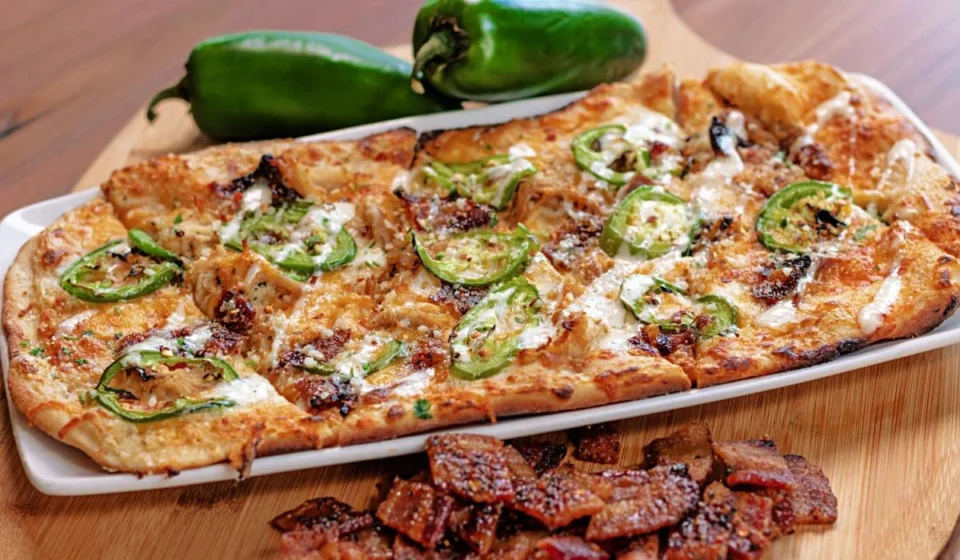
- Handheld Flatbreads: Priced at $9, these include variants like "The Hottie," featuring smoked chicken, "Billionaire’s Bacon," and a white sauce base.
"We roll out our own dough in-house daily, pre-making enough for the late-night crew to dress with toppings and toast," Stewart notes. "When presented, it cuts into six pieces. It’s the perfect amount, whether they’re solo or sharing with friends."
By focusing on textures—crispy and crunchy versus smooth and velvety—Stewart is creating a sensory experience that complements the social nature of the brand’s communal tables. The synergy between the food and the environment is intentional; the "come-as-you-are" atmosphere is a magnet for the late-night crowd.
Bad Daddy’s Burger Bar: Removing the Friction of Value
While Twin Peaks focuses on the sports-bar social experience, Bad Daddy’s Burger Bar is tackling the late-night market through a lens of simplicity and "trade-up" dining. With 37 units, the brand has extended its operating hours to 10 p.m. on weekdays and 11 p.m. on weekends, specifically targeting consumers looking to move away from the fast-food routine.
The "No Fine Print" Philosophy
John Masterson, Culinary Director for Bad Daddy’s, emphasizes that the brand’s late-night strategy is defined by a lack of complexity. Their program offers half-off appetizers during the final two hours of operation every single day.
"You don’t have to follow some calendar or cadence," says Masterson. "It’s not a select group of products or a separate menu. You show up, and we take care of you. Our guests don’t have to think about it—they just have to pick what they like. A lot of happy hours or late-night programs have a lot of fine print, and we wanted to strip all of that away and let people enjoy themselves."
Quality Without Compromise
Bad Daddy’s differentiator is its uncompromising stance on scratch-made ingredients. The menu boasts over 100 items prepped in-house, ranging from street corn dip with cotija crumbles to fried deviled eggs. By refusing to use frozen products, the brand positions itself as a premium alternative in a space often dominated by reheated, lower-quality options.
Looking ahead, Masterson is pushing the boundaries of what "bar food" can be. The upcoming launch of a fresh tuna poke appetizer—served in a crispy wonton bowl over Sriracha slaw—signals the brand’s commitment to culinary creativity, even during off-peak hours.
Implications: The Sustainability of the "Menu-Less" Program
The success of these two brands highlights a vital lesson for the broader restaurant industry: the most sustainable programs are those that require the least amount of operational disruption.
Both Twin Peaks and Bad Daddy’s have successfully avoided the "second menu" trap. Rather than sourcing new ingredients or bringing in specialized suppliers—which increases costs and complicates inventory management—both chains have optimized their existing supply chains. They are simply presenting their core competencies through a different pricing and timing lens.
Economic Impact and Customer Loyalty
For the consumer, the value proposition is clear: high-quality food at a price point that makes late-night outings accessible. For the operator, the benefit is twofold:
- Labor Efficiency: Staff are already present; the late-night shift utilizes the same prep workflows as the dinner shift.
- Brand Affinity: By inviting guests to experience the brand at different hours, both chains are actively cultivating "regulars." As Stewart points out, the goal is to integrate the brand into the guest’s lifestyle at all hours of the day.
Future Outlook: A New Standard for Late-Night
As Twin Peaks and Bad Daddy’s continue to refine their programs, the industry is watching closely. The "late-night shift" is no longer just about offloading inventory; it is a calculated effort to recapture a demographic that values social connection and premium food.
The broader implications for the hospitality sector are significant. As competition for the "stomach share" of the consumer increases, brands that can offer a distinct, high-quality experience without the logistical overhead of a secondary menu will likely win the night.
By focusing on the "scratch-made" promise, both Twin Peaks and Bad Daddy’s are elevating the late-night category from a secondary thought to a primary growth driver. In doing so, they are not only filling the seats that were left vacant after the pandemic, but they are also setting a new standard for how casual dining brands can remain relevant in an ever-evolving market. Whether it is a shared flatbread at a communal table or a fresh poke bowl at a burger bar, the message is clear: the night is open for business, and the quality of the experience is finally matching the demand.
Related posts: