Beyond the Bean: Why Coffee is the Ultimate Strategic Anchor for Convenience Retailers

For decades, the hum of a coffee machine has been the unofficial soundtrack of the morning rush in convenience stores across the globe. It is the silent, high-margin anchor that lures commuters out of their vehicles and into the aisles. However, as the retail landscape grows increasingly competitive, the strategy surrounding this morning ritual is undergoing a profound transformation.
The most successful operators are no longer viewing coffee as a simple utility—a commodity to be sold at the lowest possible price point. Instead, they are reimagining it as a "destination experience." In this new paradigm, coffee is the gateway to a broader, more profitable transaction.
The Main Facts: Coffee as a Retail Catalyst
The fundamental truth of the convenience channel is that coffee is the most powerful traffic driver in the building. It is a habitual purchase, often the first decision a consumer makes in their daily routine, frequently made before they have even considered what else they might need for the day.
When a customer enters a store for a cup of coffee, they are essentially entering a "buying state of mind." The retailer’s challenge—and opportunity—is to capitalize on that momentum. If a retailer treats coffee as a mere commodity, they risk losing the customer to a specialty cafe or a competitor who prioritizes the quality of the brew. If they treat it as a destination, they cultivate loyalty that transcends price.
A Chronological Evolution of the C-Store Brew
To understand where the industry is going, one must look at how it arrived here.
The Era of Utility (1980s–1990s): In the late 20th century, convenience store coffee was defined by volume and accessibility. The "gas station coffee" trope was largely justified, characterized by glass pots sitting on burners for hours. It was a functional necessity for long-haul drivers and early morning workers, with little focus on bean origin or roast profile.
The Rise of Expectations (2000s–2010s): As the specialty coffee boom—spearheaded by global chains—took hold, consumer expectations shifted. Customers began to demand variety, from French vanilla creamers to flavored syrups. Convenience retailers responded by expanding their footprint, adding more complex machines and diversifying their milk and creamer offerings.
The Destination Experience (Present Day): Today, we are in the era of the "curated experience." The modern consumer is discerning; they understand the difference between a stale, burnt cup and a fresh, ethically sourced brew. Retailers are now investing in bean-to-cup technology, premium roast partnerships, and store designs that treat the coffee bar as a centerpiece rather than an afterthought.
Supporting Data and the Cost of Quality
Quality is not a luxury; it is the baseline requirement for retention. Data suggests that in the convenience sector, the "customer feedback loop" is silent but deadly. When a customer encounters a sub-par cup of coffee, they rarely offer a complaint. Instead, they simply stop returning.
The Metrics of Success:
- Consistency: The primary driver of repeat business. Fluctuations in brew time or temperature are immediately detected by regular customers.
- Station Efficiency: During peak morning hours (6:00 AM to 9:00 AM), every second counts. A station that is poorly stocked or difficult to navigate creates a "friction point" that can lead to lost sales.
- The Power of Bundling: Industry analysis shows that the "attach rate"—the probability of a customer buying a food item when they purchase a coffee—increases by up to 35% when the food item is merchandised directly at the coffee station.
The Operational Blueprint: Expert Insights
Elie Y. Katz, CEO and president of National Retail Solutions (NRS), emphasizes that managing a coffee program requires a holistic approach. It begins with the basics: fresh beans, sanitized equipment, and a rigorous rotation schedule.
The Three Pillars of a Successful Coffee Program:
- Technical Excellence: This involves the daily calibration of equipment. Cleanliness is non-negotiable. If the machinery is visibly dirty, the customer assumes the coffee is of poor quality, regardless of the bean origin.
- Strategic Merchandising: The station should be a retail theater. This means utilizing signage that tells a story. Whether it is highlighting the region of the beans or the unique roasting process, storytelling creates value that justifies a premium price.
- The Loyalty Hook: Because coffee is a "frequency category," it serves as the perfect engine for a loyalty program. Whether through a subscription model, digital punch cards, or personalized mobile app offers, retailers must recognize their regulars.
Official Perspectives: Shifting the Paradigm
The consensus among retail leaders is that coffee is no longer just a beverage; it is a data-gathering tool. By integrating coffee sales with loyalty platforms, retailers gain insights into customer behavior.
"Retailers that win with coffee stop treating it as a commodity and start managing it as a destination," says Katz. When a retailer knows that a customer visits every Tuesday and Thursday for a specific blend, they have the power to offer a targeted discount on a breakfast sandwich during those specific days. This is the transition from passive selling to proactive relationship building.
The Broader Implications for Convenience Retail
The move toward "destination coffee" has significant implications for store layout and labor allocation.
Redesigning the Store Flow
Retailers are increasingly moving coffee stations to the rear or side of the store to draw customers past high-margin impulse items. However, this must be balanced with the need for speed. If the journey to the coffee station is too convoluted, the retailer risks losing the "time-starved" customer.
The Impact of Technology
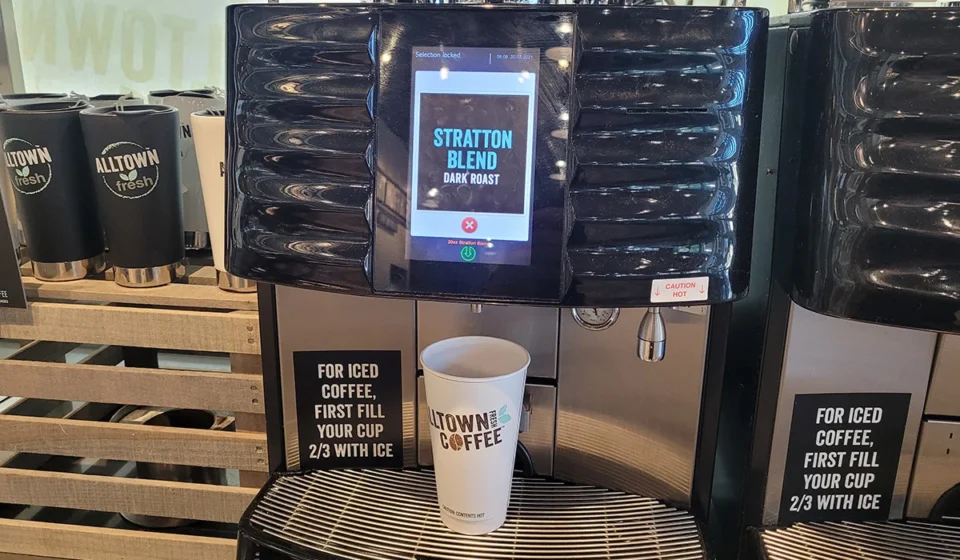
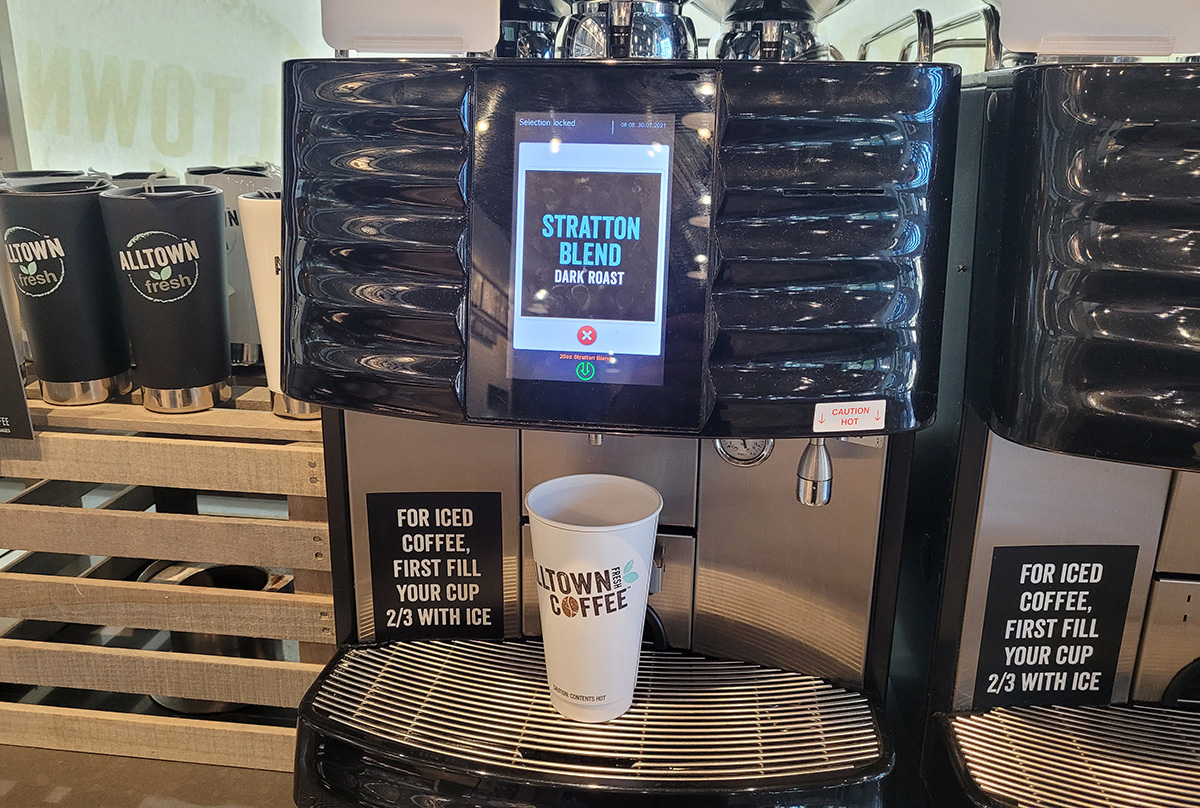
Bean-to-cup machines are becoming the industry standard. While the initial capital expenditure is higher than traditional drip brewers, the return on investment is found in reduced waste (as coffee is ground on demand) and a consistent, superior product that drives repeat traffic.
Sustainability and Transparency
The modern consumer is increasingly interested in the "story" behind the bean. Retailers who can communicate sustainable sourcing practices—even in a convenience store setting—are finding that they can command higher price points. Transparency is becoming a competitive advantage.
Conclusion: The Path Forward
The future of the convenience store industry will be defined by those who master the "habitual" categories. Coffee is the most potent of these categories because it represents a recurring opportunity to touch the customer.
By focusing on the quality of the product, the efficiency of the station, the integration of loyalty data, and the art of merchandising, convenience retailers can successfully pivot from being a place where people "stop for gas" to a place where they "stop for coffee."
The commodity era is over. The destination era is here. For the retailer, the question is no longer whether they should invest in their coffee program, but whether they can afford not to. The coffee cup is more than just a container; it is the most valuable real estate in the retail building. Those who manage it with precision and intent will find that it serves as the cornerstone for long-term growth and customer loyalty.