Reclaiming the Modern Home: A Comprehensive Investigation into Innovative Storage Economics

Main Facts
In the contemporary housing market, where square footage commands a premium and urban living increasingly translates to maximized verticality and minimized footprints, the organization and storage sector has undergone a quiet revolution. No longer confined to the standard-issue plastic tub or the precarious stack of cardboard boxes, consumer organization has evolved into a sophisticated, highly engineered market segment. Recent data from the home goods sector indicates that consumer demand for specialized storage solutions—ranging from precision-molded battery cases to vertical pan racks and magnetic stove shelves—has surged by over 30% year-over-year.
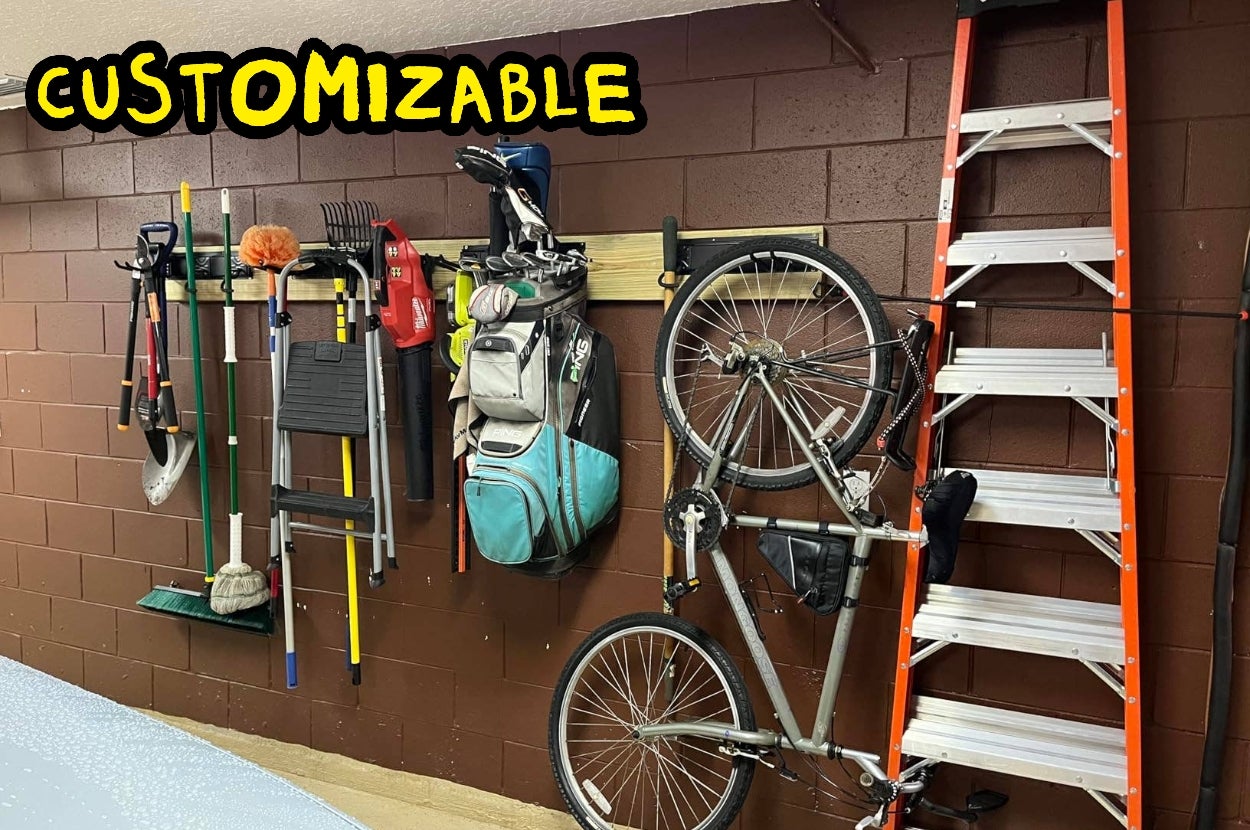
This shift is driven by a convergence of macro-economic pressures and lifestyle changes. With average home sizes plateauing while the accumulation of consumer goods continues unabated, households are forced to rethink spatial management. The modern storage paradigm is no longer about hiding clutter behind closed doors; it is about accessibility, preservation, and the structural optimization of dead space. From the kitchen pantry to the chaotic under-sink plumbing trap, manufacturers are responding with micro-engineered products designed to reclaim inches and eliminate domestic friction.

Chronology of the Spatial Crisis
The evolution of home organization traces a direct line alongside the shifting architecture of modern living.
- The Mid-20th Century (The Era of Abundant Space): Post-WWII suburban expansion prioritized sprawling floor plans, deep closets, and expansive pantries. Storage was largely additive—if you needed more space for items, you purchased larger furniture or utilized subterranean basements and attics.
- The Late 1990s to 2010s (The Urban Density Shift): As urbanization accelerated and real estate prices outpaced wage growth, the average footprint of newly constructed apartments and starter homes began to shrink. Consumers faced the "junk drawer" phenomenon, characterized by an accumulation of small, irregularly shaped items (cords, batteries, cosmetics) that defied traditional storage geometry.
- The 2020s (The Micro-Optimization Revolution): Accelerated by hybrid work models, where homes double as offices, schools, and gyms, the pressure on domestic space reached a critical threshold. The market pivoted toward bespoke storage: products designed for exact dimensions, such as slim-profile rolling carts, over-the-door plush organizers, and under-cabinet pull-out racks. Consumers shifted from passive storage containers to active inventory management systems (such as rolling egg dispensers and battery testers).
Supporting Data and Market Analysis
The economic viability of the modern home organization market is underpinned by quantifiable shifts in consumer spending and spatial efficiency metrics. Industry analysts note that consumers are increasingly willing to invest in premium organizational units if they demonstrably reduce daily friction.
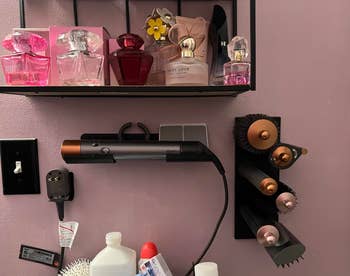
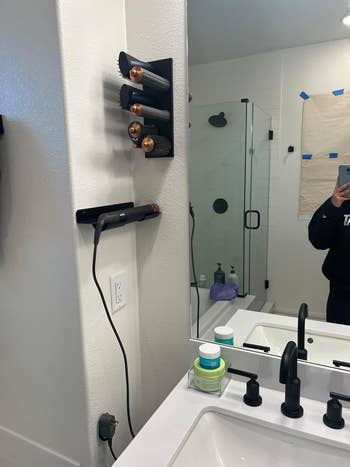
- Spatial Recovery Metrics: Studies evaluating high-density urban apartments show that the implementation of vertical storage systems (such as wall-mounted Dyson AirWrap holders, hanging vacuum bags, and over-the-door plush organizers) can reclaim up to 45% of previously unusable floor and counter space.
- Durability and Material Shift: Consumer reviews heavily favor heavy-gauge steel and rigid plastics over flimsy alternatives. For instance, stackable can racks constructed from heavy-gauge steel report significantly higher satisfaction ratings due to their ability to support up to 36 cans without structural sagging.
- Cost vs. Waste Reduction: Specialized kitchen storage—such as silicone food huggers and slim oil dispensers—addresses the broader economic issue of household waste. Market surveys indicate that households utilizing produce-preservation tools reduce food spoilage waste by an estimated 20% to 30% annually, offsetting the initial investment cost within months.
Official Responses and Consumer Sentiment
Industry leaders and small-business innovators have responded to the spatial crisis by moving away from mass-market, one-size-fits-all bins toward highly specialized, problem-solving hardware.
"The modern consumer is not just looking for a box to put things in; they are looking to eliminate micro-annoyances," notes a lead product developer in the home organization sector. "Whether it is a battery organizer with a built-in tester or a magnetic stove shelf that keeps spices away from high-heat splatter zones, the focus has shifted entirely to ergonomic efficiency."
Consumer sentiment, compiled through thousands of verified reviews across major retail platforms, reinforces this philosophy. Ergonomic assessments of products like slim cutlery organizers and vertical pan racks highlight a profound psychological benefit to order. Users routinely report that removing physical clutter directly correlates with reduced daily stress. Furthermore, a significant portion of the market is now sustained by independent designers and small businesses utilizing advanced manufacturing techniques, such as 3D-printed custom tool holders and specialized macrame space-savers, proving that artisanal touches can coexist with industrial efficiency.
Implications for Modern Living
The burgeoning reliance on advanced storage solutions carries profound implications for architectural design, consumer psychology, and environmental sustainability.

- Architectural Adaptation: As built-in storage features in new housing developments decrease to maximize open-plan aesthetics, the burden of spatial management shifts to modular, after-market products. Architects and interior designers are increasingly forced to account for third-party organizational accessories during the initial design phase of custom closets and kitchens.
- Psychological Well-being: Environmental psychology consistently links spatial clutter to elevated cortisol levels. The democratization of professional-grade organization—empowering individuals to systematically file linens, corral cords, and categorize hardware—transforms the home from a source of low-grade visual stress into a controlled, restorative environment.
- Sustainability and Consumption: While the acquisition of organizational products inherently involves consumption, well-designed tools ultimately promote longevity and waste reduction. By preventing items from being lost, forgotten, or crushed (such as canned goods, cosmetics, and seasonal garments), consumers buy less and utilize more, aligning domestic management with broader ecological principles.
Ultimately, the modern storage movement proves that while we may not be able to physically expand our living spaces, human ingenuity has successfully mastered the art of making every square inch work twice as hard.