The Evolution of the Link-in-Bio: How Modern Tools Are Transforming Social Media Traffic Into Revenue

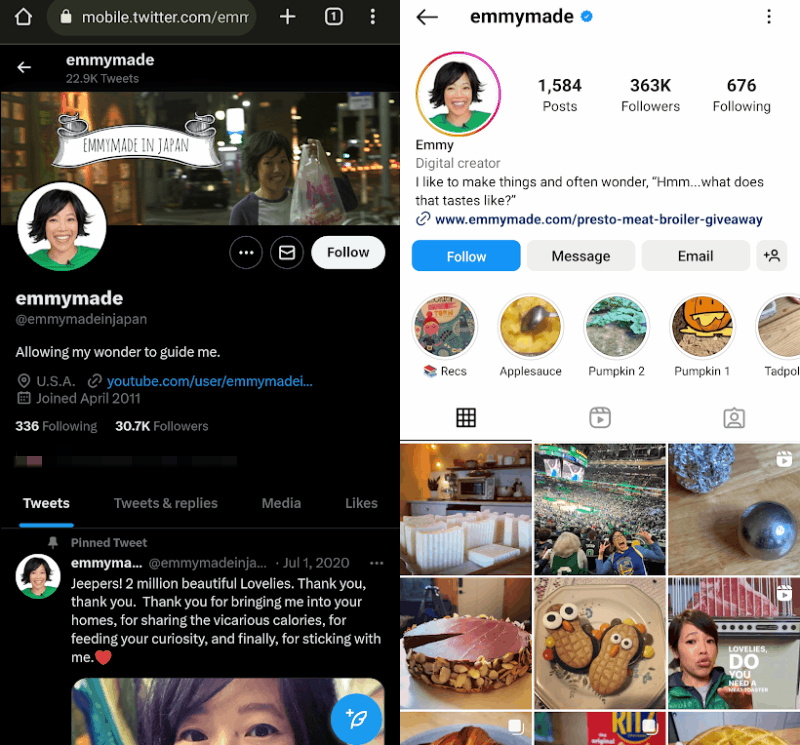
GLOBAL DIGITAL MEDIA DESK — In the modern landscape of social media marketing, digital real estate is tightly rationed. Between strict character limits, algorithmic shifts, and rigid linking restrictions across platforms like Instagram, TikTok, and X (formerly Twitter), brands and creators have long faced a persistent bottleneck: how to guide engaged audiences from a fleeting social post to a destination web page.
For years, the phrase "link in bio" was little more than a frustrating workaround. Today, however, it represents a multi-million-dollar software category. Link-in-bio tools have evolved from rudimentary lists of URL text boxes into sophisticated landing pages, creator-commerce suites, mini-websites, and analytics powerhouses.
By centralizing multiple digital destinations behind a single, unchanging URL, these dynamic landing pages solve a fundamental friction point in digital marketing. Users can update a central hub for every new post they share, allowing their bio link to remain static while their audience effortlessly navigates to the latest content, product drops, or booking calendars. For platforms that strictly prohibit clickable links within standard captions, these tools capture traffic that would otherwise vanish, ultimately bridging the gap between social engagement and measurable conversions.
The Main Facts: What Are Link-in-Bio Tools and Why Do They Matter?
At its core, a link-in-bio tool provides a dynamic landing page hosted on a custom or branded URL. When a user clicks the single allowed link in a social media profile, they are directed to a clean, mobile-optimized hub containing multiple targeted links, media embeds, signup forms, or product catalogs.
The utility of these tools extends far beyond simple redirection:
- Bypassing Platform Restrictions: Platforms like Instagram notoriously block clickable links in post captions. Link-in-bio tools create an architectural workaround, capturing high-intent traffic directly from visual feeds.
- Streamlined Workflows: Advanced solutions integrate directly into social media management ecosystems, allowing content creators and marketing teams to append destination URLs during the initial scheduling phase.
- Monetization and Commerce: Modern platforms have evolved past mere navigation hubs, transforming into full-fledged storefronts that support digital product sales, booking integrations, and one-tap checkouts.
- Data Attribution: By utilizing integrated analytics and tracking pixels, marketers can accurately measure click-through rates, attribute conversions, and retarget audiences through tailored paid advertising campaigns.
Chronology: From Static Workarounds to Integrated Ecosystems
The trajectory of the link-in-bio market reflects the broader maturation of the creator economy and digital marketing industries:
- The Early Era (Pre-2016): Social media marketers relied on manually updated, raw URLs—often shortened via Bitly—pasted directly into bios. Every time a new blog post or product launched, marketers had to manually log in and swap the link, sacrificing historical data and dead-ending previous posts.
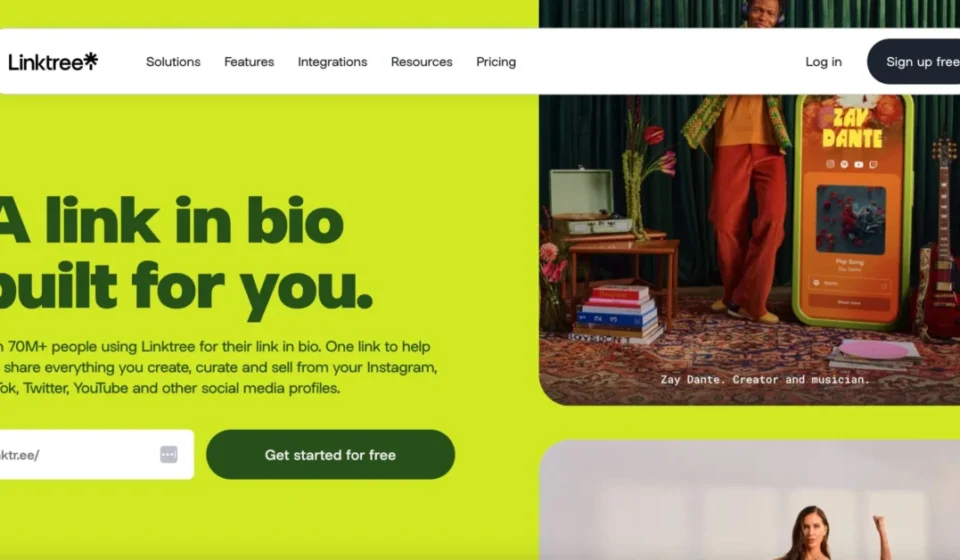
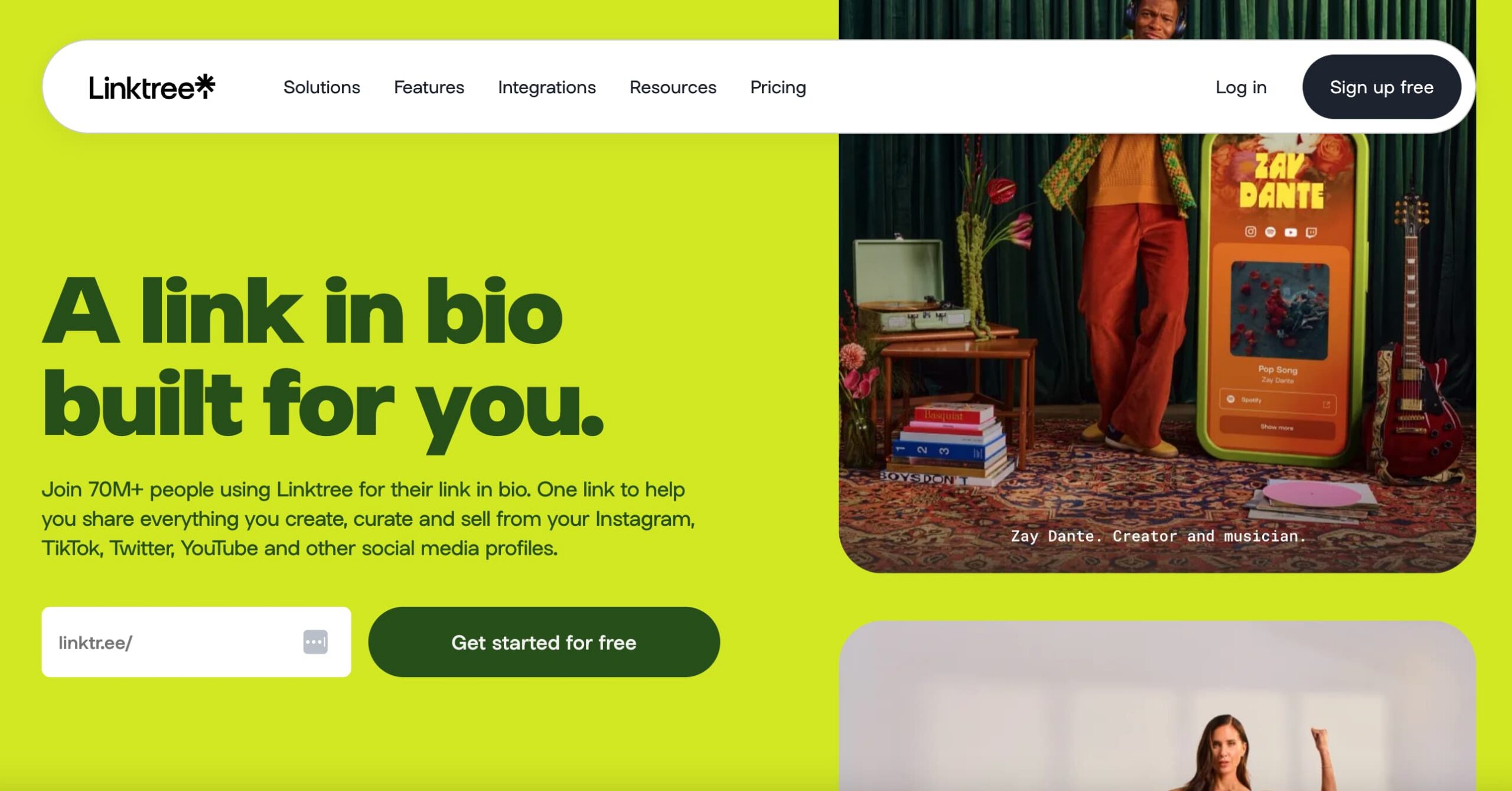
- The Rise of the Directory (2016–2019): Companies like Linktree pioneered the dedicated link-in-bio market, offering simple, template-driven landing pages that housed a stack of buttons. This solved the "one-link" problem by providing a permanent directory of a user’s digital footprint.
- The Specialization Phase (2019–2022): As the creator economy boomed, basic lists were no longer enough. Competitors emerged to fill specific niches. Tools like Milkshake and Carrd introduced mini-website builders, while platforms like Beacons and Stan Store integrated direct-to-consumer e-commerce features right into the bio landing page.
- The Native Workflow Era (Present Day): Today’s market is characterized by deep integration. Leading social suite platforms, such as Sprout Social with its SproutLink feature, have baked link-in-bio capabilities directly into enterprise publishing and scheduling workflows. This eliminates the need for standalone third-party tools, merging analytics, publishing, and landing page generation into a single window.
Supporting Data: The Measurable Impact of Bio Links
The transition from static URLs to dynamic link-in-bio ecosystems has yielded quantifiable returns for brands willing to optimize their social funnels.
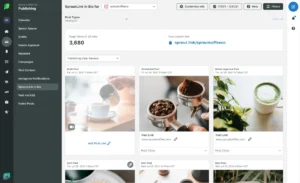
Industry analysis demonstrates that implementing a structured, dynamic link-in-bio tool—particularly those that mirror a brand’s social grid with shoppable, clickable layouts—can drive a 17% average lift in daily profile engagement for active users. When users can visually match a post they saw on their feed with a clickable card on the landing page, cognitive friction is reduced, accelerating the journey from discovery to conversion.
Furthermore, tiered pricing models across the industry have established a clear divide in how different user segments leverage these tools:
- Free Tiers: Typically offer unlimited basic links, standard templates, and basic 30-day analytics. Ideal for individual hobbyists or absolute beginners.
- Paid Tiers ($5 to $30+ per month): Unlock custom domains, advanced UTM tracking presets, removal of platform branding, pixel integrations, and integrated checkout systems. These are tailored for performance marketers, agencies, and high-volume creators.
The Top 8 Link-in-Bio Tools on the Market
To help brands and creators navigate the crowded software landscape, industry analysts evaluate the top-performing link-in-bio solutions based on workflow integration, design freedom, and monetization capabilities.
1. Sprout Social (SproutLink)
- Best For: Social teams that need link-in-bio features baked into a larger, enterprise-grade social media workflow.
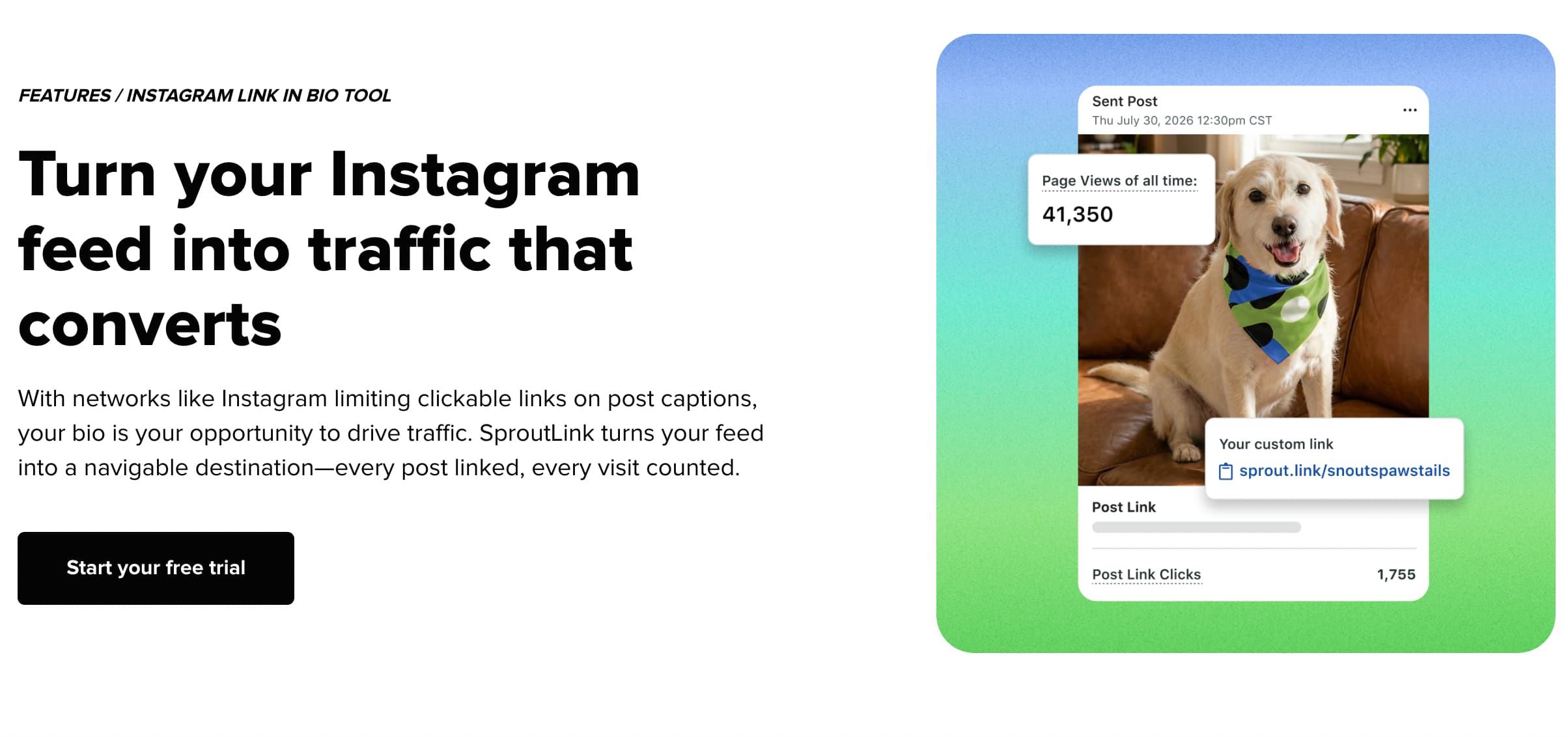
- Overview: SproutLink is built directly into the Sprout Social platform. It allows teams to build a custom landing page featuring a clickable, shoppable grid that mirrors their Instagram profile. Destination links are added as content is scheduled, automating the entire process.
- Key Advantages: Eliminates the friction of managing a separate third-party app. Sprout’s data shows an average 17% daily lift in profile engagement for customers utilizing the feature. It also allows for custom branded URLs to maximize audience trust.
2. Linktree
- Best For: Solopreneurs and individual creators needing a fast, no-frills setup.
- Overview: Widely considered the pioneer of the category, Linktree offers a straightforward, pre-built template approach to housing multiple links across various social networks, complete with offline QR code integration.
- Key Advantages: Extremely low barrier to entry, highly recognizable interface, and a robust free tier for basic link management.
3. Beacons
- Best For: Creators looking to heavily monetize their social traffic.
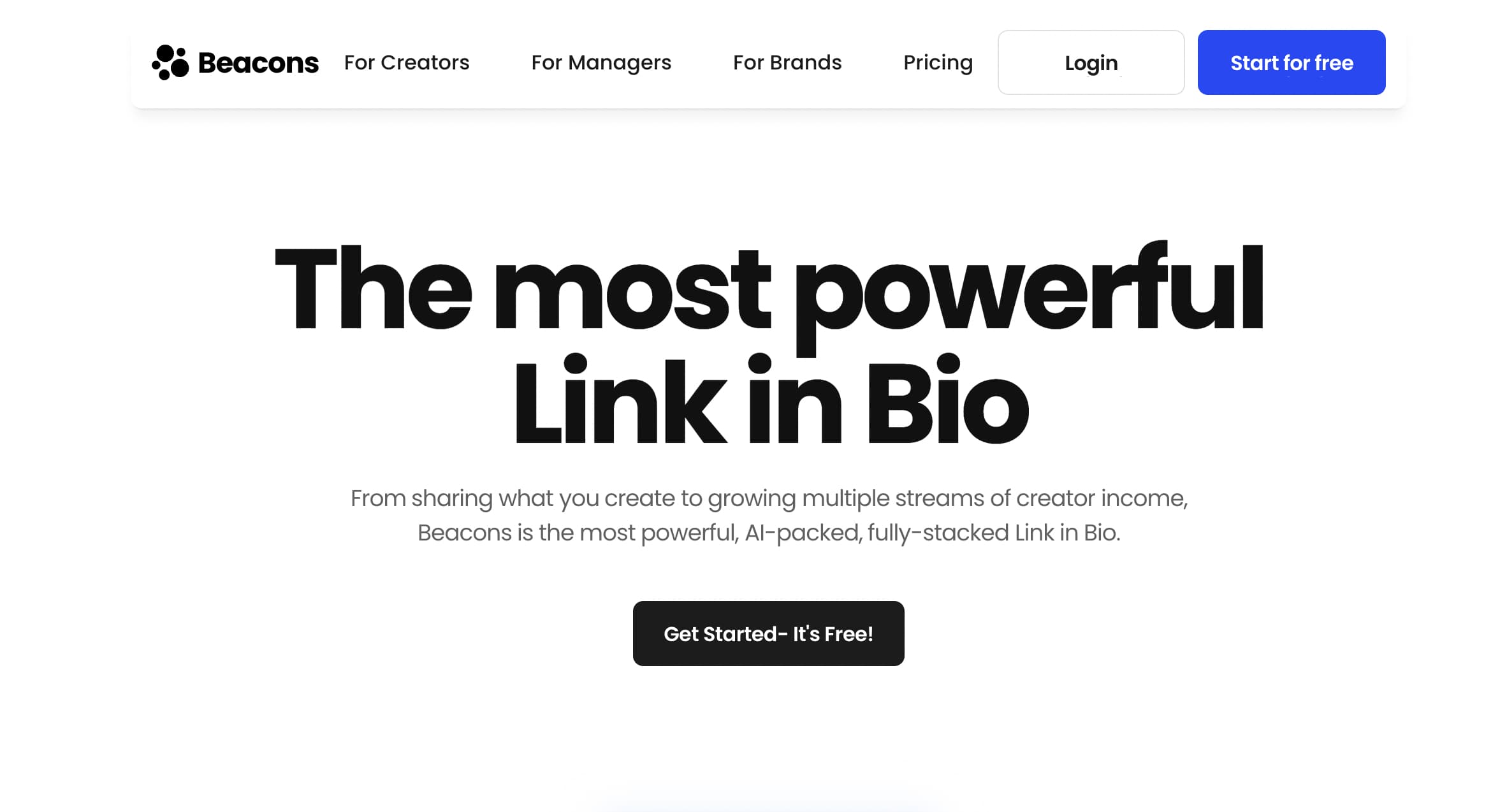
- Overview: Beacons operates as a comprehensive creator-commerce suite rather than a simple URL directory. It unifies images, music, digital products, and lead-generation signup forms into a single hub.
- Key Advantages: Powerful monetization features and deep customization options on upgraded tiers.
4. Milkshake
- Best For: Beginners wanting a fast, visual, mobile-first builder.
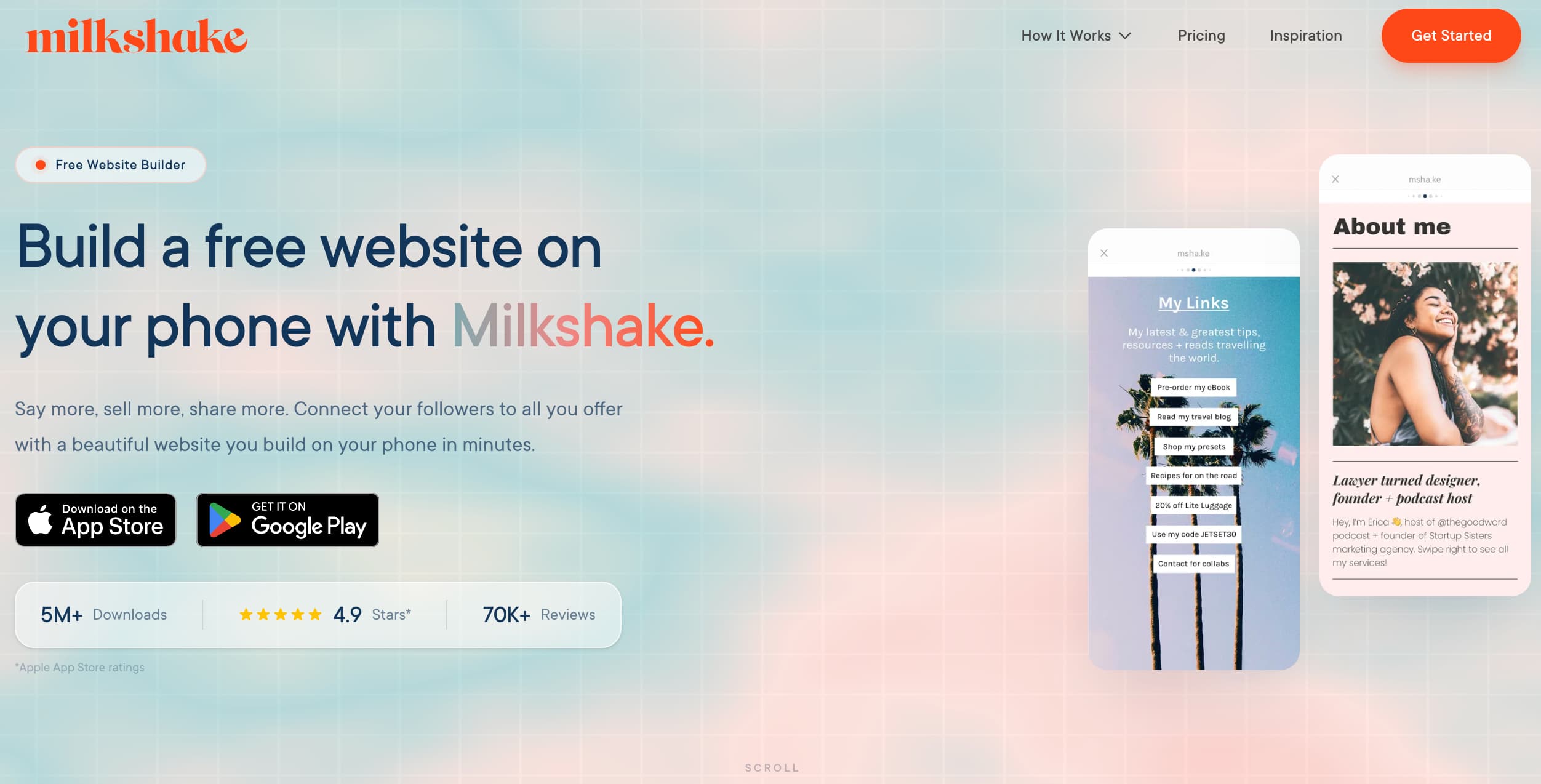
- Overview: Positioned as a "website builder" rather than a link manager, Milkshake lets users stack "Cards" to create a mini-app experience optimized for mobile screens.
- Key Advantages: Highly visual, template-driven, and intuitive for smartphone-first creators.
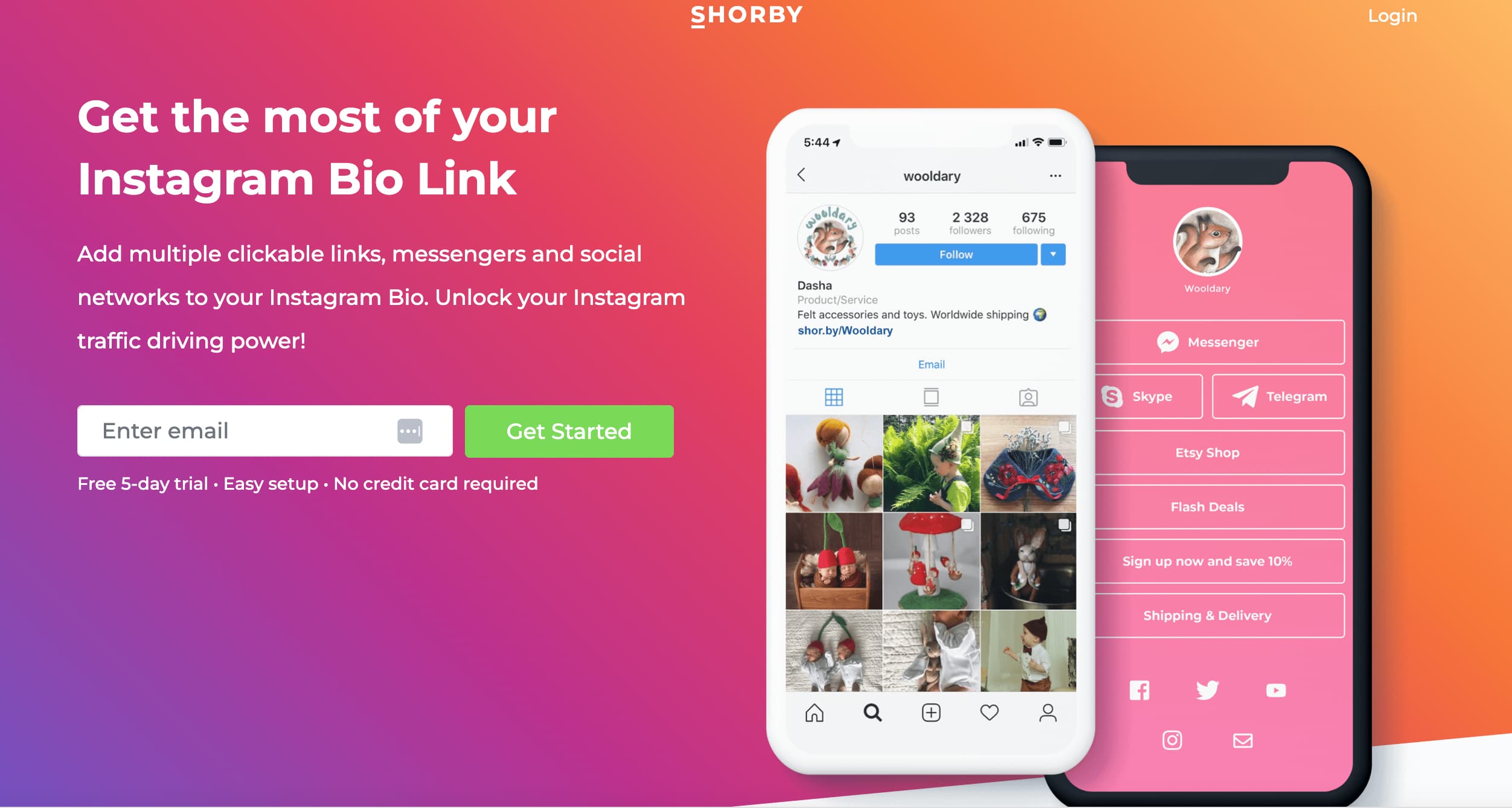
5. Shorby
- Best For: Marketers demanding advanced tracking, real-time data, and campaign control.
- Overview: Shorby emphasizes real-time click tracking and seamless integration with tracking pixels, allowing brands to retarget custom audiences with precise, data-driven advertising campaigns.
- Key Advantages: Superior attribution metrics and deep integration capabilities for performance marketing teams.
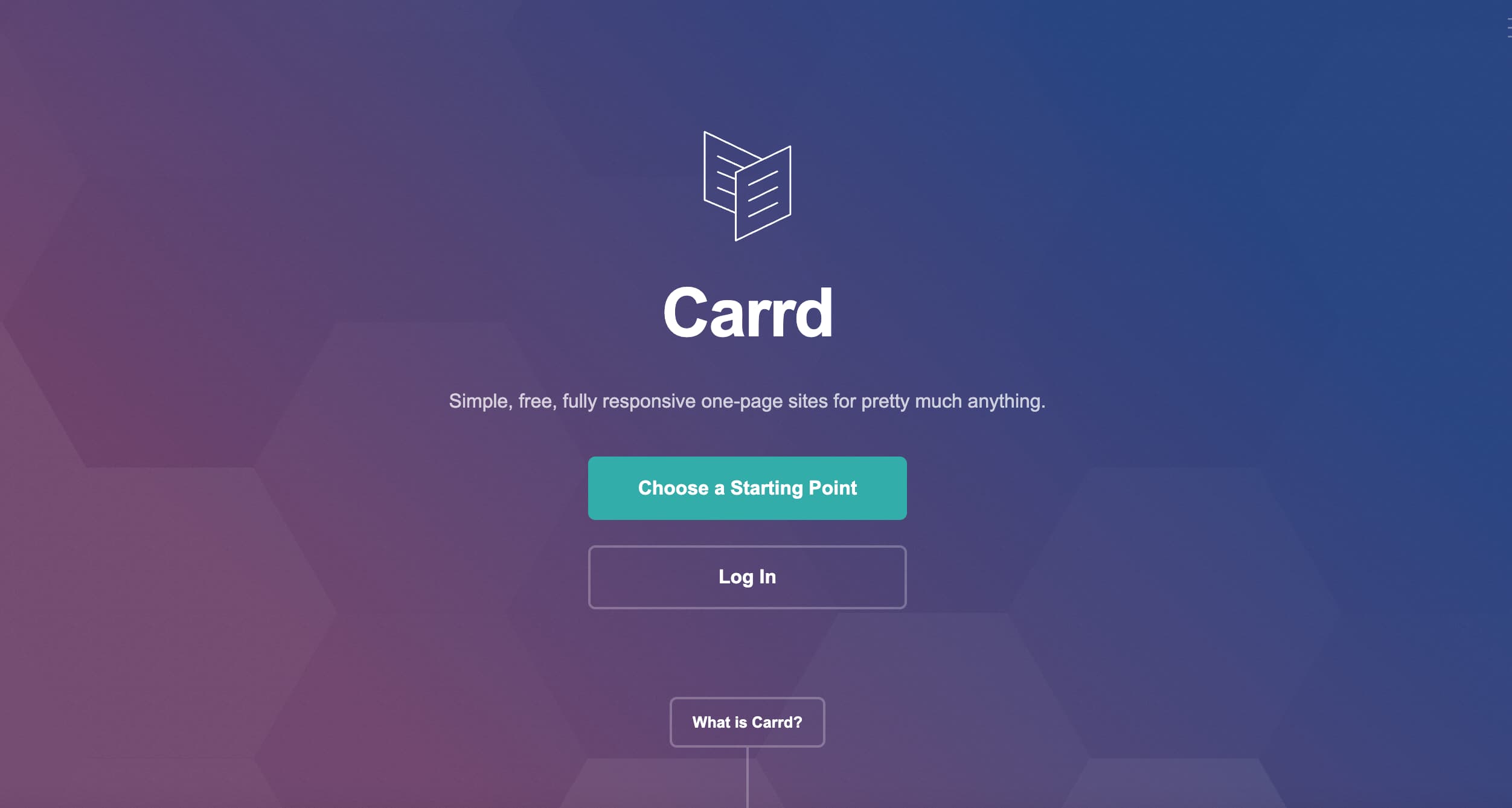
6. Carrd
- Best For: Brands seeking total design freedom and fully responsive mini-sites.
- Overview: Carrd functions as a responsive one-page site builder. It offers dozens of templates or blank-canvas creation, alongside widget embeds for services like Stripe and Typeform.
- Key Advantages: Exceptional design control, cost-effective paid tiers, and native form/payment processing.
7. Stan Store
- Best For: Creators selling digital courses, coaching sessions, or physical items directly.
- Overview: Stan Store replaces the traditional "one link, multiple destinations" model with a centralized storefront. It features built-in calendars and a one-tap checkout process to minimize cart abandonment.
- Key Advantages: Drastically reduces the sales funnel friction, directly converting social media engagement into immediate revenue.
8. Lnk.Bio
- Best For: Users who want a clean, uncomplicated link list without software bloat.
- Overview: For those who want a simple text-and-button link list, Lnk.Bio provides unlimited links, basic multimedia embedding, and a straightforward user interface.
- Key Advantages: Uncomplicated, fast to deploy, and offers an optional Instagram-style grid layout on paid tiers.
Official Industry Perspectives and Expert Responses
Digital strategists emphasize that choosing the right tool requires a rigorous audit of organizational goals rather than simply adopting the most popular platform on the market.
"The biggest mistake brands make is treating the link-in-bio as an afterthought," notes a leading digital marketing analyst. "If you are an enterprise team running multiple cross-channel campaigns, your link-in-bio tool must integrate directly with your publishing software to ensure human error doesn’t break your customer journey. Conversely, if you’re a solopreneur selling digital coaching, your bio link is your checkout counter. The software must reflect that commercial intent."
Platform developers also stress the growing importance of data ownership. As algorithms shift unpredictably, owning a centralized landing page where a brand can capture email signups and drive direct sales has become a vital hedge against platform volatility.
Implications: The Future of Social Conversion
The maturation of link-in-bio tools carries profound implications for the future of digital marketing:
- The Death of the Static Landing Page: As tools incorporate real-time pixels, localized content delivery, and dynamic product feeds, the static web page is increasingly being bypassed in favor of hyper-agile, social-native landing hubs.
- Compression of the Sales Funnel: By integrating one-tap checkouts and booking engines directly into the bio link, the distance between discovering a product on a TikTok video and completing a purchase has been compressed to mere seconds.
- Workflow Consolidation: Standalone link management tools face intense pressure from all-in-one social suites. As demonstrated by enterprise solutions like Sprout Social’s SproutLink, marketers increasingly favor platforms that unify scheduling, publishing, engagement, and link management under a single login.
Ultimately, a link-in-bio tool is the definitive bridge between passive social media engagement and active business conversion. By selecting a tool tailored to specific team structures, budgets, and commercial goals, brands can ensure that every single click counts toward their bottom line.
Related posts: