
In the evolution of modern residential design, the tension between comfort and architectural precision has long been a defining struggle. Often, furniture leans too heavily into the soft, unanchored aesthetics of domestic lounginess, or conversely, retreats into the cold, clinical minimalism of high-concept design. With the debut of the Arundel Collection, Eureka Ergonomic has sought to resolve this dichotomy, presenting a suite of furniture that balances the warmth of American traditionalism with the structural clarity of European modernism.
The collection, which officially debuts at the High Point Market this October, represents a significant pivot for the company. Moving beyond their established reputation for ergonomic utility, Eureka Ergonomic is positioning Arundel as a cornerstone of their "Attainable Luxury" tier. By marrying tactile materials—walnut, Italian and South American leathers, natural stone, and polished metals—the collection aims to redefine the domestic landscape as a place of permanence rather than passing trends.
The Philosophy of Permanence: Main Facts and Origins
At its core, the Arundel Collection is a study in material honesty. The design language is predicated on the idea that luxury is not found in superficial ornamentation, but in the deliberate selection of materials and the execution of their intersections.
"Luxury for us is not more decoration," explains Tom Hu, founder and CEO of Eureka Ergonomic. "It is more depth in material, proportion, and execution."
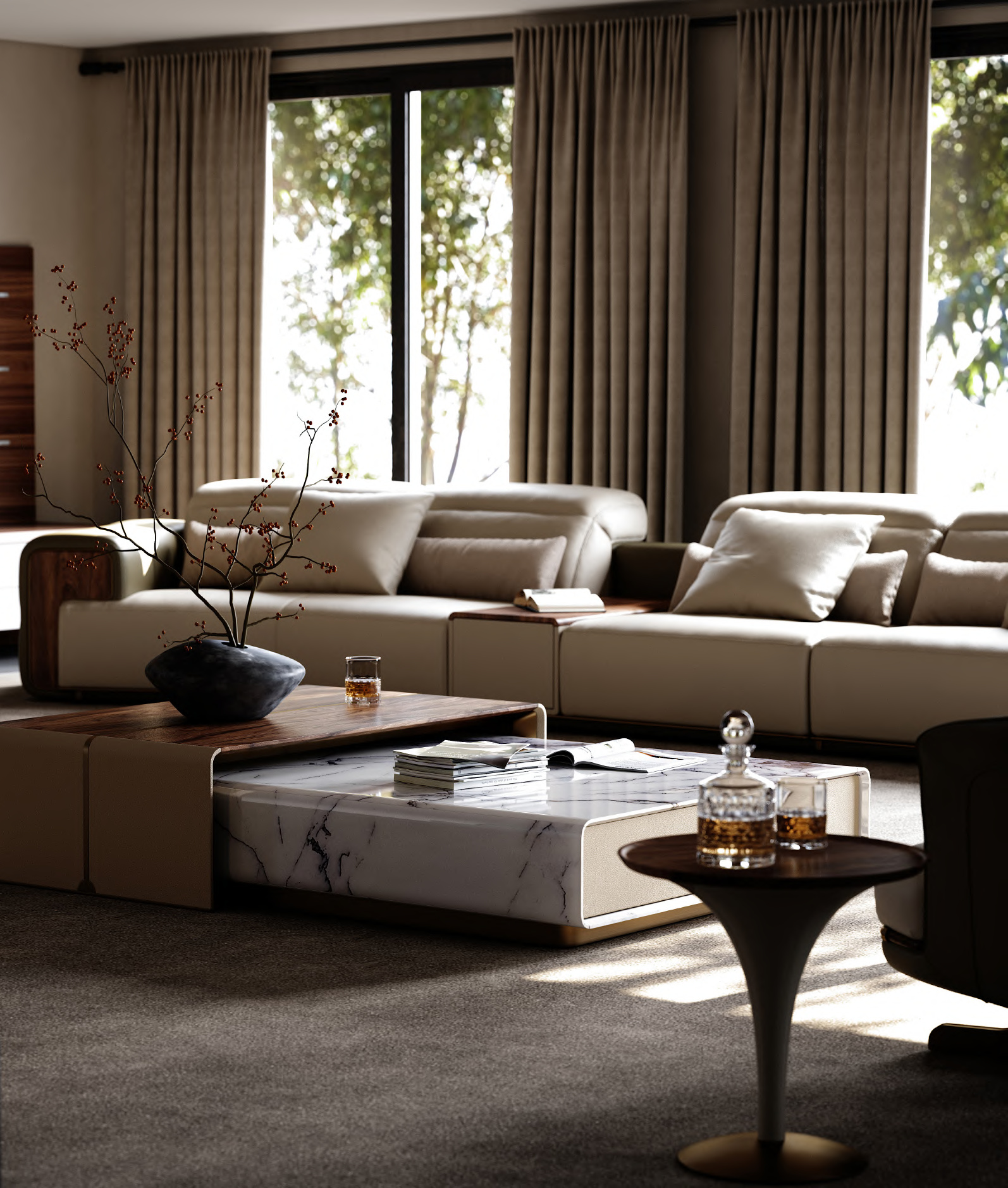
This ethos is visible in every piece of the collection, from the modular sofa—the series’ centerpiece—to the intricate wall-mounted storage systems. The guiding principle is "material composition," a design strategy where the seams and joints are not hidden, but highlighted. By allowing different materials to overlap or abut with visible, intentional transitions, the furniture invites the viewer to appreciate the engineering behind the beauty.
The collection is designed for the modern home, spanning living, dining, and sleeping quarters. Its visual identity relies on a low-profile, wide-stance aesthetic that grounds the furniture within a room, providing a sense of stability and "gravity."
A Chronology of Craft: The Development of Arundel
The development of the Arundel Collection was not a linear process, but rather a multi-year iteration of refinement and material testing.
- Conceptualization (2024–2025): Eureka Ergonomic began by identifying a gap in the market for furniture that felt "substantial without becoming traditional." The design team, led by Hu, sought to create pieces that could anchor large, contemporary living spaces without sacrificing the inviting nature of residential upholstery.
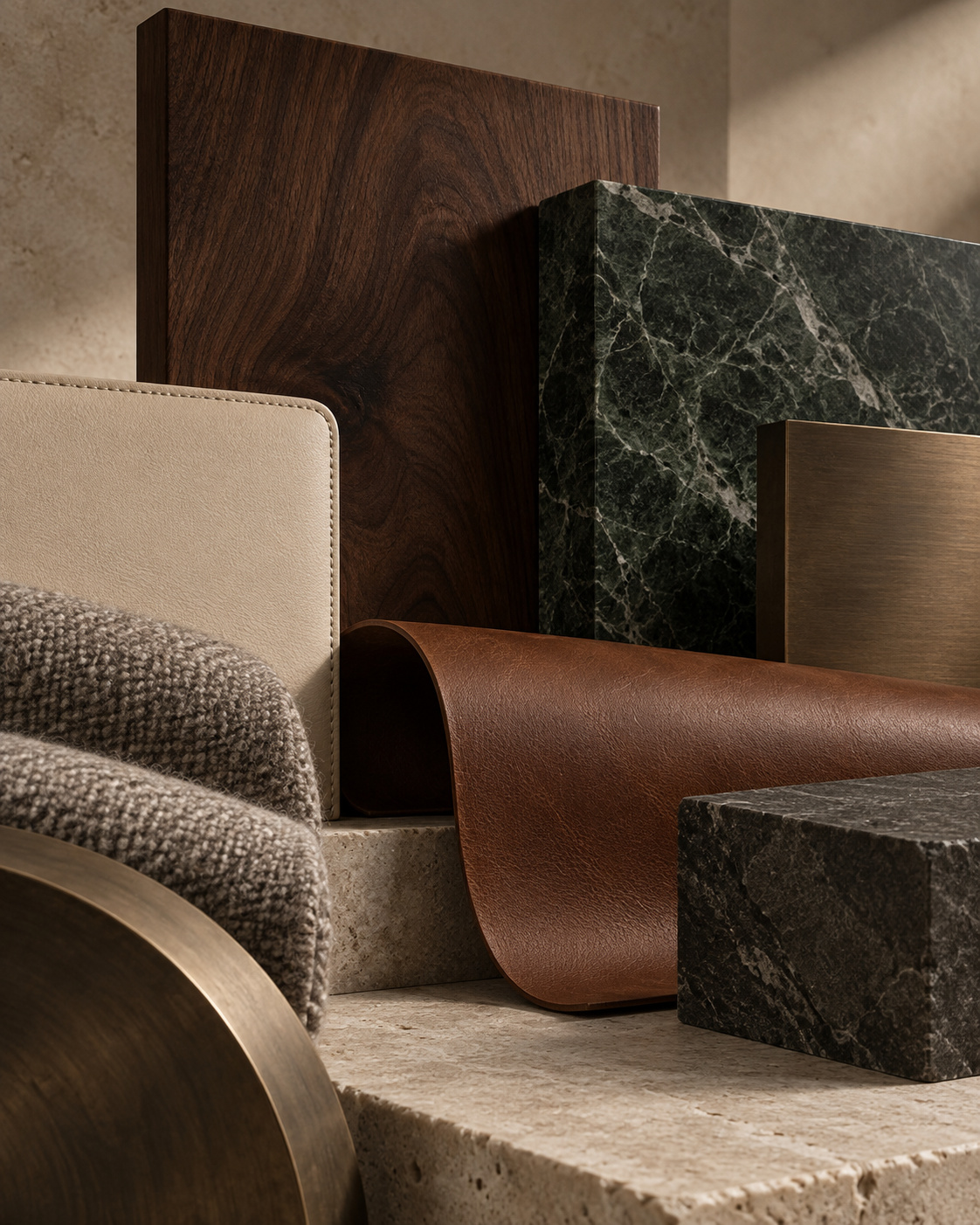
- Material Sourcing (Early 2026): The team curated a palette of materials that prioritize texture and aging. The selection includes warm-grained walnut, cowhide leathers from Italy and South America, and an array of natural stones in shades of green, black, and white.
- Prototyping and Engineering (Mid-2026): The focus shifted to the joints. Rather than using standard fasteners, the team developed joinery techniques that emphasize the change in thickness and levels between materials. This was the stage where the signature "visible seam" was perfected.
- The High Point Debut (October 2026): The collection is set for its official unveiling at the High Point Market (October 17–21), where it will be showcased in showroom IHFC D440. The display is designed to mimic a complete, functional residence, allowing designers and buyers to experience the collection in a natural, immersive context.
Supporting Data: The Anatomy of the Collection
To understand the scope of the Arundel Collection, one must look at the individual components that make up the whole. The range is designed as a cohesive language, intended to be used in concert to create a unified interior environment.
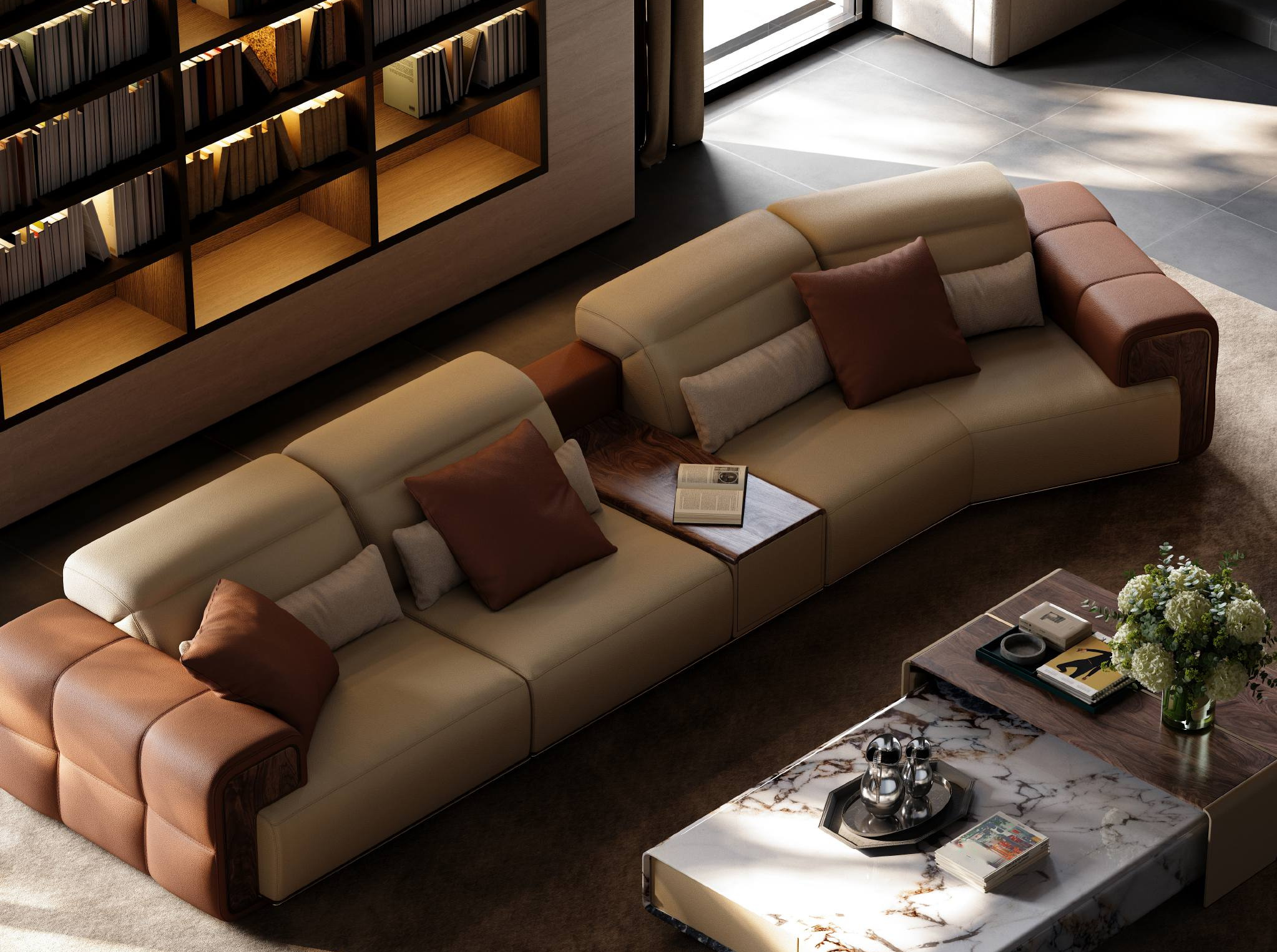
The Modular Sofa
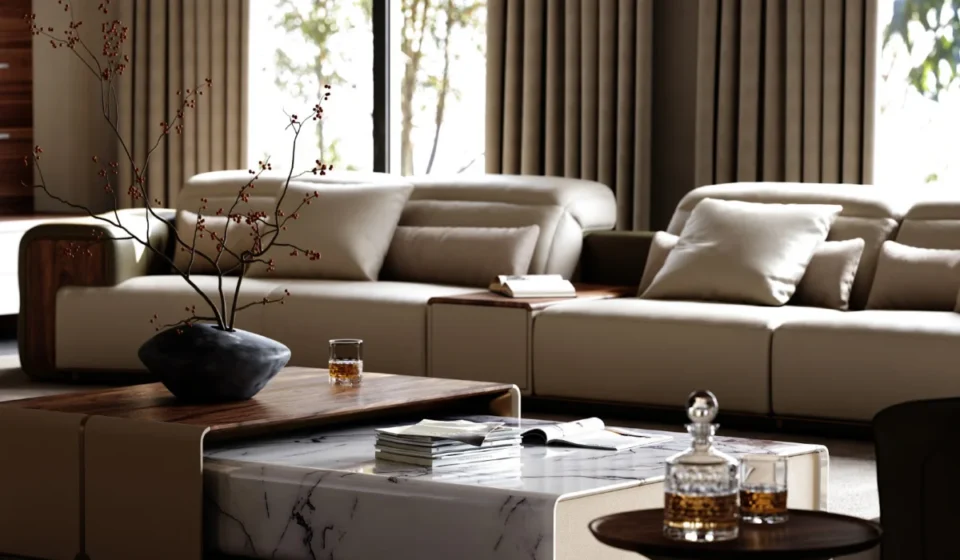
The sofa is the primary vessel for the collection’s design language. Featuring ivory-toned upholstery, the modular system allows for straight-line configurations or corner-turns. The integration of a built-in walnut table within the armrests and seating run creates a seamless transition from soft seating to hard surface. The ends are capped with rich, tobacco-toned leather, adding a layer of visual weight and tactile luxury.
The Coffee Table and Console
The coffee table acts as a dialogue between stone and wood. It utilizes two distinct heights, finished with champagne gold accents. The console table, intended for entryways or dining areas, features curved, crossed supports that elevate a broad stone top, pairing American walnut with antique brass to emphasize structural elegance.
The Bedroom Suite
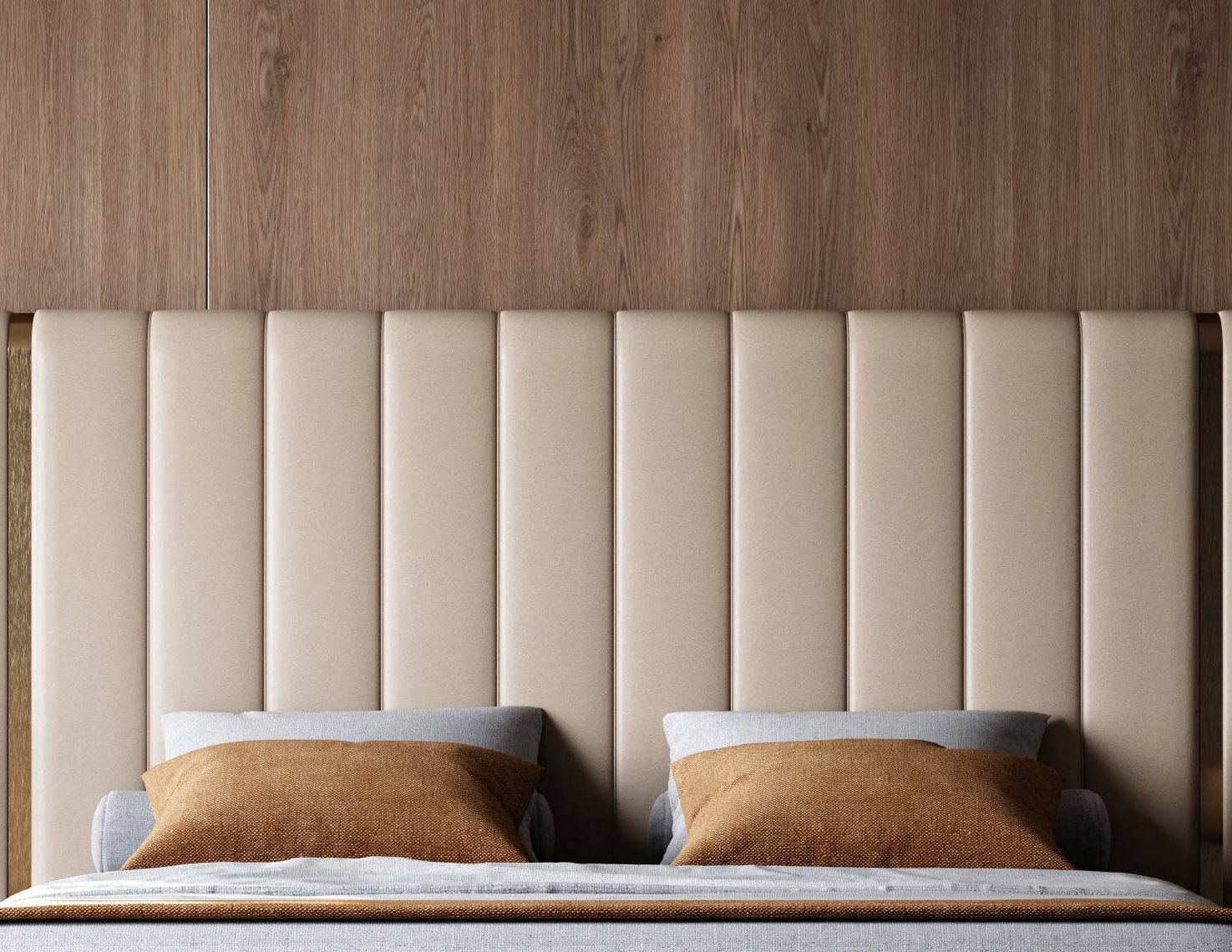
The bedroom grouping is perhaps the most cohesive aspect of the collection. It features a channel-tufted headboard trimmed in champagne gold, which flows visually into a vanity and nightstand. By creating this "continuous plane," the collection minimizes visual clutter, promoting a sense of serenity suitable for a master suite.
The Architectural Wall System
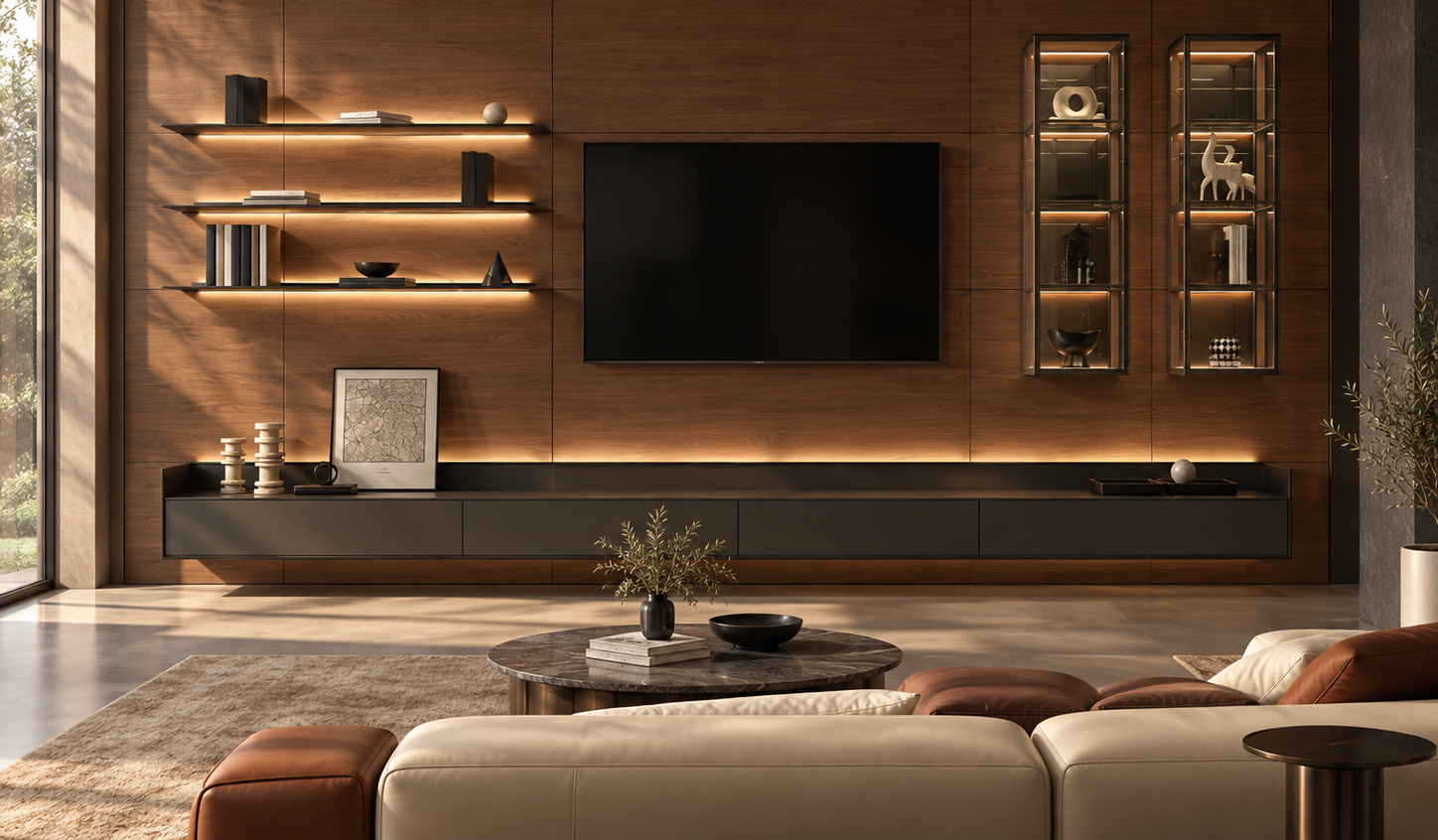
Expanding beyond freestanding furniture, the Arundel wall system incorporates aluminum panels, illuminated shelving, and glass-fronted cabinets. This move into architectural storage signals the brand’s intent to become a full-service provider for high-end residential interiors.
Official Responses and Strategic Intent
Tom Hu’s vision for the collection is explicitly centered on longevity. In an industry increasingly plagued by "fast furniture" and disposable trends, the Arundel Collection is marketed as "Contemporary, but not temporary."
"We wanted Arundel to be modern without becoming thin or overly minimal," says Hu. "We wanted it to be substantial without becoming traditional, and materially rich without becoming visually busy."
The company’s focus on "Attainable Luxury" suggests a strategic effort to capture a demographic of design-conscious homeowners who demand high-end finishes and superior craftsmanship but are weary of the prohibitive pricing often associated with heritage luxury brands. By controlling the manufacturing process—a hallmark of Eureka Ergonomic’s history—the company can ensure that these complex material transitions are executed with high precision while maintaining a competitive market position.
Implications for the Future of Interior Design
The debut of the Arundel Collection carries several implications for the broader design industry.
First, it highlights a shifting preference toward "material-forward" design. Consumers are increasingly interested in the provenance and physical reality of the materials they live with. The trend of highlighting joints and structural seams—the "honesty" of construction—is likely to gain traction as a reaction against the seamless, sometimes artificial look of mass-produced laminates and synthetic finishes.
Second, the success of the Arundel collection may indicate a broader movement toward "Total Home" collections. As residential spaces become more open-plan and multifunctional, the need for furniture that speaks a single, coherent design language has grown. Brands that can offer a complete suite of products—from the bedroom wall system to the living room sectional—are increasingly favored by interior designers who seek to simplify the specification process.
Finally, the collection signals the rise of "Ergonomic Luxury." While ergonomics has traditionally been the domain of office chairs and task-oriented furniture, Eureka Ergonomic is proving that the principles of human-centric design—comfort, scale, and accessibility—can be integrated into high-end, aesthetic-driven furniture.
As the collection makes its way to the High Point Market, the industry will be watching closely to see how the market responds to this ambitious blend of tactile traditionalism and modern precision. With its focus on permanence and the deliberate celebration of material junctions, the Arundel Collection stands as a bold, sophisticated statement on what it means to live well in the 21st century.
Whether it succeeds in shifting the brand’s perception from a technical manufacturer to a premier lifestyle authority remains to be seen, but the groundwork for a lasting legacy has been clearly laid. For those seeking furniture that feels as substantial as it looks, Arundel offers a compelling, tactile, and thoroughly modern path forward.