The Renaissance of Hospitality: How Iconic Properties Are Merging Heritage with Modern Innovation

From the industrial heart of Cincinnati to the sun-drenched coast of Los Cabos and the historic streets of Wilmington, the hospitality industry is undergoing a profound transformation. Major hotel brands and historic properties are currently engaged in a strategic wave of renovations and expansions. By marrying the structural integrity of the past with the high-tech, high-touch demands of the contemporary traveler, these properties are not merely updating their decor—they are redefining the guest experience for both leisure tourists and the high-stakes world of corporate meetings.
Main Facts: A New Era of Property Development
The current landscape of hotel hospitality is defined by a "preservation-first" approach to modernization. Rather than opting for demolition, developers are breathing new life into landmark buildings, turning them into lifestyle hubs.
- The Fidelity Hotel (Cincinnati, Ohio): This newcomer has transformed the 1913 Gwynne Building into a 165-room destination, offering 7,770 sq. ft. of event space that honors the city’s Beaux-Arts architectural heritage.
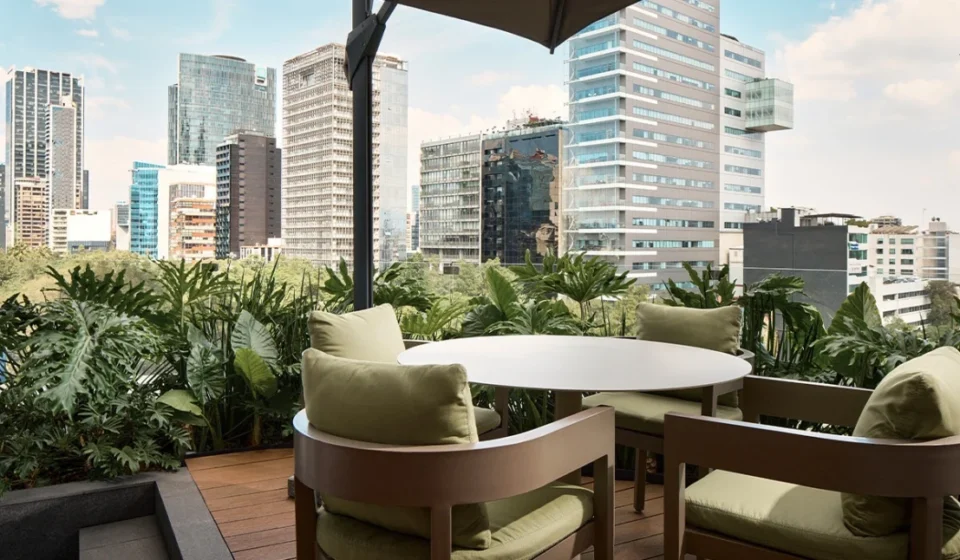
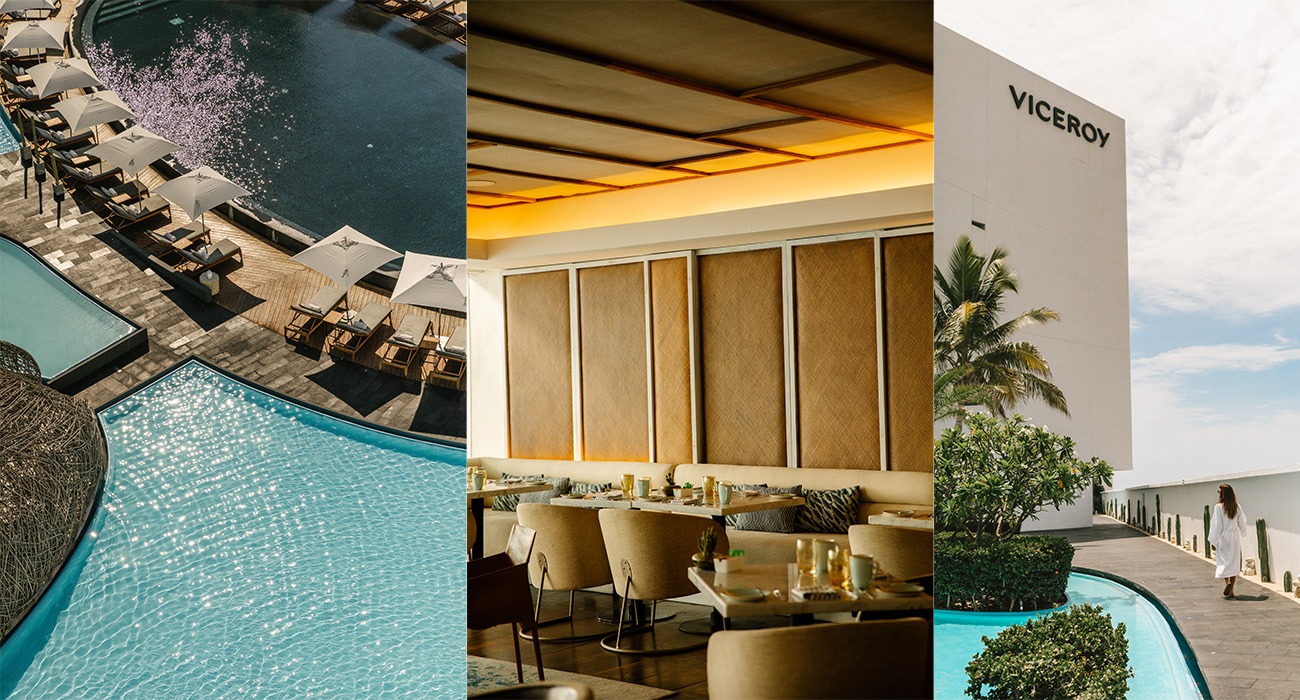
- Viceroy Los Cabos (Mexico): A comprehensive resort-wide evolution has seen the restoration of its iconic "Water Mirrors" and the addition of sophisticated new culinary venues, such as the Nodo market and the Archaea speakeasy.
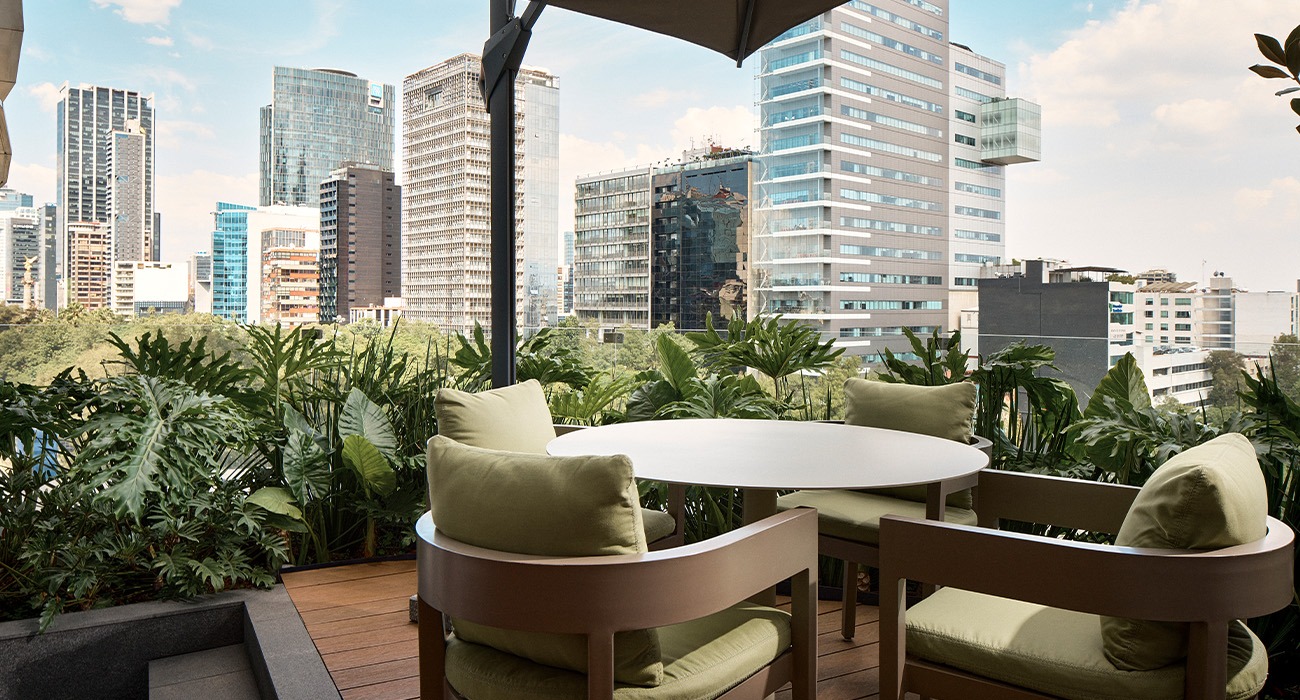
- The St. Regis Mexico City: A multimillion-dollar investment has touched every facet of the property, from the reception area to the 189 guest rooms, injecting a narrative of Mexican history and local artisan craftsmanship into the guest experience.
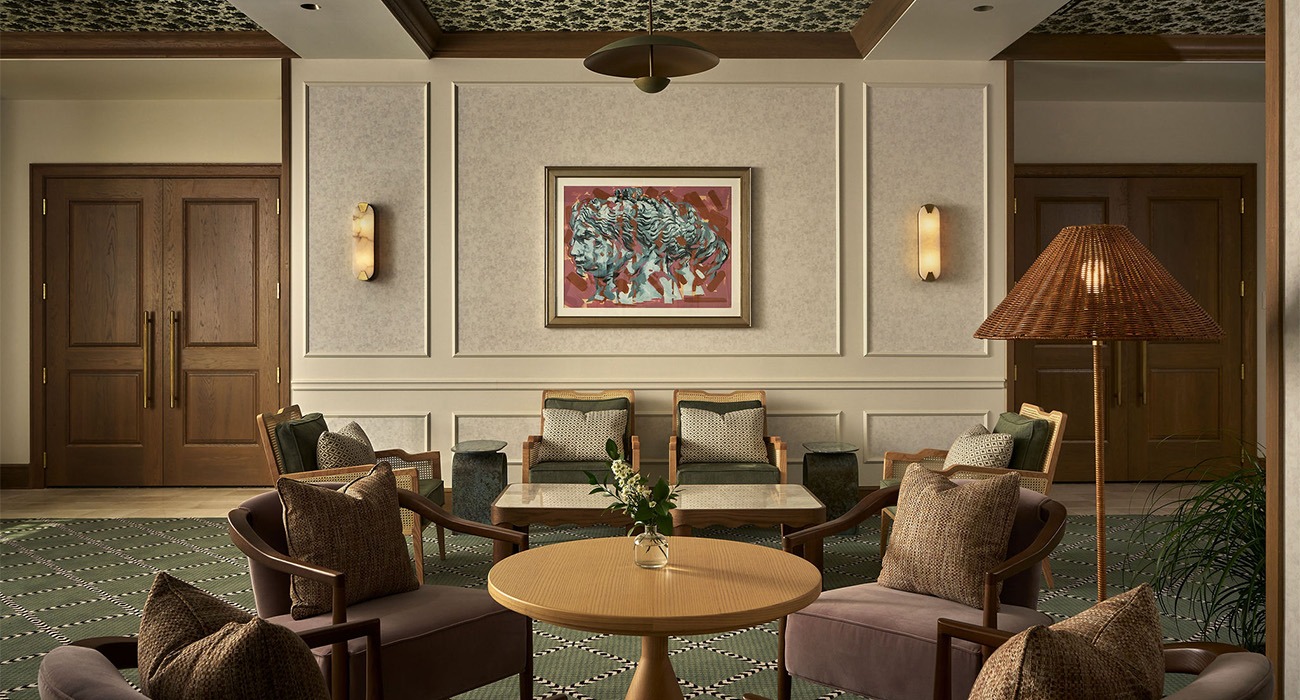
- AT&T Hotel and Conference Center (Austin, Texas): A significant $30 million capital expenditure has successfully refreshed all 297 guest rooms and expanded the property’s capabilities with a brand-new junior ballroom.
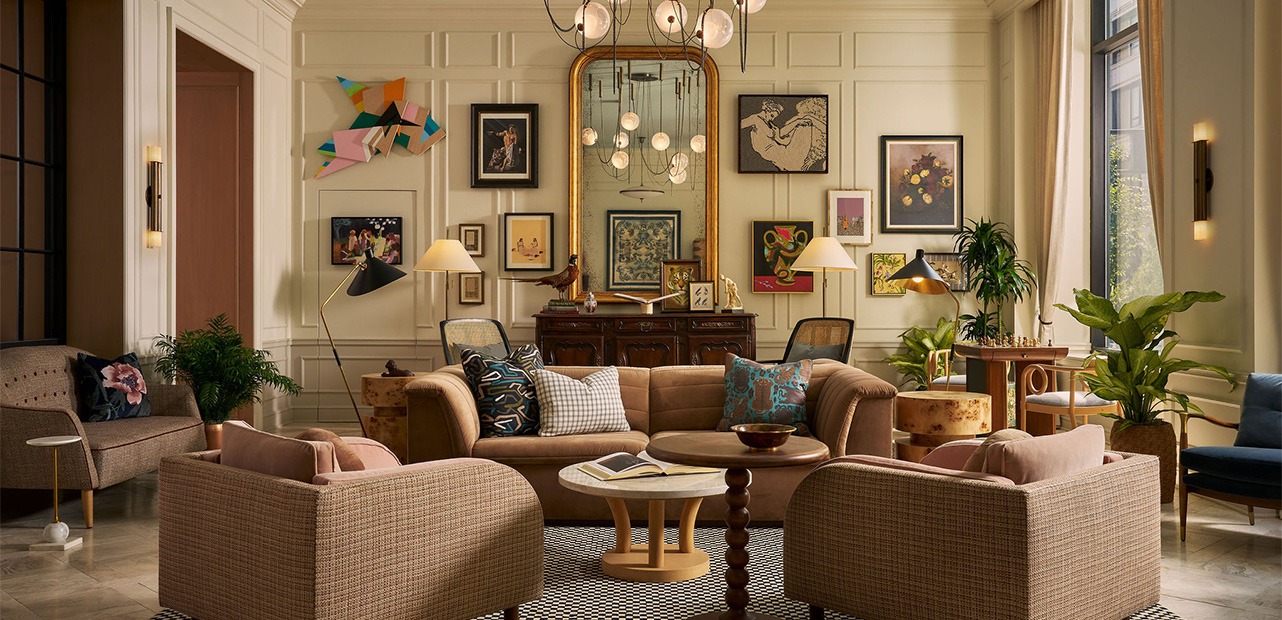
- Hotel Du Pont (Wilmington, Delaware): Continuing a multi-year phased transformation, the hotel has unveiled a new private dining room that serves as a living gallery for the du Pont family’s artistic history, while restoring 1913-era architectural details.
Chronology of Transformation
The trajectory of these renovations suggests a long-term commitment to property health that spans several years.
The process often begins with the preservation of structural history. In the case of Hotel Du Pont, the restoration of original hand-clipped marble mosaic flooring—dating back to the building’s 1913 inception—served as the cornerstone for their recent dining room expansion. This work follows their 2025 guest room upgrades and sets the stage for a major lobby transformation scheduled for the fall of 2026.
Similarly, the AT&T Hotel and Conference Center in Austin has moved through a deliberate phase of improvement. By focusing on both the guest rooms and the functional event spaces simultaneously, the property has ensured that business travelers experience a cohesive brand identity from the moment they check in until the conclusion of their final keynote session.
In Mexico, Viceroy Los Cabos and The St. Regis Mexico City have utilized "evolutionary" rather than "revolutionary" design strategies. The St. Regis project, led by Kaläi Design Group, focused on the integration of material palettes like jade, cacao, and stone, which mirrors the slow, methodical process of luxury development.
Supporting Data and Technical Specifications
The scale of these renovations is reflected in the technical investments being made to accommodate modern group dynamics:
| Property | Primary Investment Focus | Key Metric |
|---|---|---|
| Fidelity Hotel | Adaptive reuse of historic landmark | 7,770 sq. ft. of event space |
| AT&T Hotel | $30 million facility overhaul | 297 rooms / New Junior Ballroom |
| St. Regis CDMX | Aesthetic and cultural redesign | 189 guest rooms & suites |
| Hotel Du Pont | Intimate, high-end dining | 36-seat private dining room |
These figures underscore a critical shift in the hospitality industry: meeting planners now demand versatile spaces. The inclusion of new dining concepts—like the Italian-market-meets-all-day-dining model at Nodo—is a response to data suggesting that guests are spending more time within hotel ecosystems than in previous decades.
Official Perspectives: The Philosophy of Design
Industry experts and hotel leadership emphasize that these renovations are not just about aesthetics; they are about storytelling.
"The goal is to create a sense of place that is undeniable," says a representative close to the Fidelity Hotel project. "When a guest enters the Gwynne Building, they should feel the history of 1913, but when they reach for their bedside lighting controls or connect to the high-speed Wi-Fi in the ballroom, they should feel firmly in the present day."
At The St. Regis Mexico City, the design narrative is centered on "layered history." By utilizing Frida Kahlo-inspired lighting and hand-embroidered artisan cushions, the hotel is positioning itself as a cultural anchor. "We are moving away from the cold, clinical luxury of the past," says the design team at Kaläi. "We want the guest to interact with the materials—the warmth of the cacao-toned wood and the cool touch of the local marble."
The AT&T Hotel and Conference Center similarly balances its identity. By incorporating Texas heritage into a modern design framework, they cater to a clientele that values the prestige of a university campus location while requiring the professional amenities of a world-class conference facility.
Implications for the Future of Hospitality
The current wave of renovations has significant implications for the future of travel and group gatherings.
1. The Rise of the "Destination Hotel"
Hotels are increasingly becoming standalone attractions. With the introduction of speakeasies like Archaea at Viceroy Los Cabos and destination restaurants like Gwynne in Cincinnati, properties are successfully capturing a local market that would otherwise go elsewhere. This increases non-room revenue and stabilizes the hotel’s financial health.
2. The Preservation Mandate
As sustainable development becomes a priority, the adaptive reuse of historic buildings—seen at Fidelity Hotel and Hotel Du Pont—is becoming the industry gold standard. It is both an environmentally responsible choice and a unique marketing asset. Guests are increasingly willing to pay a premium for "authentic" experiences that cannot be replicated in a new-build, cookie-cutter hotel.
3. Flexible Meeting Environments
The expansion of event spaces, such as the new junior ballroom at the AT&T Hotel, indicates that the "hybrid" meeting era is here to stay. Planners are moving away from massive, cavernous halls in favor of smaller, more flexible, and technologically advanced spaces that allow for high-quality, intimate interaction.
4. Cultural Integration
Luxury travelers are no longer content with high-thread-count sheets; they want to engage with the culture of their destination. Whether it is the Sophie du Pont sketches in Delaware or the Valley of Mexico-inspired lighting in CDMX, hotels that curate a local narrative are winning the battle for guest loyalty.
Conclusion
The transformation of these five properties—Fidelity, Viceroy, St. Regis, AT&T, and Hotel Du Pont—is a testament to the resilience and adaptability of the hospitality sector. By investing millions in infrastructure, culinary innovation, and design, these hotels are ensuring they remain relevant for the next generation of travelers. As the industry moves forward, the successful properties will be those that continue to balance the weight of history with the speed of innovation, creating spaces that are as functional for the CEO as they are inspiring for the leisure traveler.
For meeting planners and luxury travelers alike, the message is clear: the hotel of the future is being built today, one restored mosaic, one reimagined ballroom, and one locally-inspired dining experience at a time.