Bridging the Distance: A Strategic Framework for International Event Planning

For event planners whose professional footprints have traditionally been confined to the North American landscape, the prospect of sourcing an international meeting can feel like navigating uncharted territory. The logistics of long-haul travel, currency fluctuations, and cultural nuances often cast a shadow over the potential benefits of global expansion. However, as organizations increasingly prioritize global connectivity and high-impact incentive travel, the ability to execute international programs has become a vital skill set.
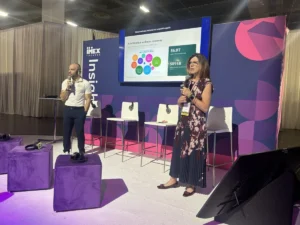
In a recent expert webinar hosted by Smart Meetings, Rahul Shah, Director of Client Engagement (North America) at Business Events Sydney, and Helen Mantellato, Senior Manager of Business Development (International & Exhibitions) at ICC Sydney, dismantled the myths surrounding overseas planning. By presenting a robust, step-by-step framework, they demonstrated that international sourcing is not merely an exercise in travel logistics, but a strategic business decision that, when executed correctly, yields dividends far beyond the scope of a domestic meeting.
The Strategic Imperative: Purpose Over Place
The most common pitfall for planners transitioning to an international scale is "destination-first" thinking. According to Shah, the success of an international program hinges entirely on its alignment with organizational objectives. Before a single venue is toured or a flight path is researched, planners must interrogate the why.
For corporate entities and incentive groups, the goal might range from entering a nascent market and facilitating cross-border knowledge transfer to rewarding top-tier talent or fostering a cohesive culture across fragmented global teams. "The international sourcing succeeds when the destination is part of the strategy and not just in the backdrop," Shah notes.
This shift in perspective is essential for securing buy-in from the C-suite. Executives are rarely impressed by the allure of a picturesque locale; they are, however, deeply invested in measurable outcomes. Planners are encouraged to build a business case around quantifiable metrics: strengthened client relationships, increased sponsor engagement, improved employee retention rates, and the tangible impact of global synergy. When the destination serves as a catalyst for these outcomes—rather than a passive setting—the geographical distance becomes irrelevant to the bottom line.
Chronology of Execution: A Roadmap for Global Success
Moving an event across continents requires a recalibrated timeline. While domestic events often rely on a 12-to-18-month planning window, international programs—particularly those involving large-scale associations—often require a three-to-five-year lead time. Even for corporate incentive programs with tighter deadlines, the panelists emphasize that the "early and often" approach to stakeholder involvement is the single greatest risk-mitigation tool available.
Phase 1: Pre-Sourcing and Stakeholder Alignment
Before engaging with venues, planners should convene a "Global Steering Committee." This group should include not only event operations but also legal, finance, security, and executive leadership. Early involvement allows for the proactive resolution of complex issues such as international tax compliance, visa procurement, data privacy regulations, and risk management protocols.
Phase 2: Collaborative Sourcing
Rather than operating in a silo, planners should leverage the expertise of local Convention and Visitor Bureaus (CVBs) and Destination Management Companies (DMCs) from the onset. These entities act as the bridge between the planner’s vision and the reality of the local infrastructure.
Phase 3: Operational Integration
Once the destination is secured, the focus shifts to the venue’s operational model. Using ICC Sydney as a model, Mantellato highlights the value of integrated facilities. By selecting a venue that manages its own catering, audiovisual services, and security, planners can drastically reduce the number of logistical handoffs, simplifying the chain of command and reducing the risk of third-party vendor failure.
Financial Transparency: Calculating the "True" Cost
The most daunting hurdle for international planners is often the budget. Comparing a domestic quote to an international one based solely on "headline" hotel rates is a recipe for fiscal disaster.
"International sourcing requires looking beyond the initial airfare and room rate," Shah explains. Planners must conduct a granular audit of the total cost of delivery. This includes:
- Taxation and Regulatory Fees: For instance, understanding the nuances of Australia’s Goods and Services Tax (GST) is crucial to accurate budget forecasting.
- Hidden Operational Costs: Currency exchange volatility, tipping customs (which vary wildly by country), and the cost of local labor unions or specific service-level agreements.
- Logistics and Freight: Moving materials internationally carries significant customs risks and shipping costs that are often overlooked until the final stages of planning.
Crucially, planners should inquire about destination funding. Many global cities, including Sydney, offer specialized grant programs or "Meetings Funds" for qualifying events. These subsidies are often available for programs that meet specific delegate counts or align with the destination’s priority industry sectors (such as technology, healthcare, or sustainability). Proactively seeking these partnerships can offset significant portions of the overhead.
Supporting Data and Venue Dynamics
When evaluating venues, the distinction between a "facility provider" and a "strategic partner" is critical. ICC Sydney serves as a prime example of an integrated venue architecture. By consolidating services—catering, AV, event management, and security—under one roof, the venue minimizes the need for multiple external contracts.
For the planner, this consolidation is a risk-reduction strategy. Every external vendor added to a project increases the number of potential points of failure. By centralizing communication and operations, planners can maintain tighter control over the event’s quality and security, ensuring that the experience remains consistent regardless of the distance from headquarters.
Official Responses and Expert Insights
Throughout the webinar, both Shah and Mantellato underscored that attendee well-being is a key component of the ROI calculation. Long-haul travel is physically and mentally taxing; ignoring this in the agenda design can lead to "conference fatigue," where delegates are present in body but absent in mind.
"Design for the attendee, not just the agenda," the speakers advised. This means prioritizing "recovery time" immediately following arrival. Rather than scheduling high-stakes programming on the first day, planners should facilitate experiences that allow attendees to acclimate to their new environment.
Furthermore, the destination itself should be utilized as a tool for wellness. Mantellato pointed to Sydney’s Darling Harbour as a prime example of how geography can enhance an agenda. By choosing venues with immediate access to pedestrian-friendly spaces, parks, and cultural hubs, planners can encourage movement and natural social interaction. This creates a more organic, memorable experience that fosters the very networking and knowledge exchange that the meeting was intended to produce.
Implications for the Future of Global Meetings
As the global business landscape becomes increasingly interconnected, the ability to host international meetings is shifting from a "luxury" to a "necessity" for competitive organizations. The framework provided by Shah and Mantellato offers a path forward that moves away from fear-based planning and toward a model of calculated, strategic execution.
Key Takeaways for Planners:
- Define Success Through Objectives: If the objective is cultural alignment, the destination must support that goal through its environment and activities.
- Total Cost of Ownership: Look beyond the headline rate to account for taxes, currency, and the hidden costs of international logistics.
- Leverage Local Partnerships: CVBs are not just marketing offices; they are strategic partners that can provide funding, logistical support, and local expertise.
- Prioritize the Human Element: Design for the physical reality of international travel. Incorporate wellness, recovery, and local experiences to ensure attendees are engaged and productive.
- Centralize Logistics: Seek venues that offer integrated services to minimize the complexity of third-party coordination.
Ultimately, the distance between a North American headquarters and an international destination is no longer the barrier it once was. With a methodical approach to business case development, early stakeholder collaboration, and a deep understanding of venue capabilities, planners can transform an international meeting from a complex logistical challenge into the most impactful event in their organization’s calendar. When the destination is woven into the fabric of the meeting’s strategy, the return on investment is not just measured in dollars—it is measured in the long-term success of the organization.