The 2026 Holiday Shopping Blueprint: How Timing, Tariffs, and Social Commerce are Reshaping Retail

Main Facts: A Shifting Retail Landscape
As storefronts transition from Halloween displays to winter holiday decor, the 2026 retail landscape is undergoing a fundamental transformation. According to data from the Sprout Social Q3 2026 Pulse Survey, modern holiday shopping is defined by an elongated season, heightened consumer price sensitivity, and the dominance of social media as both a discovery engine and a point of sale.
While shoppers are browsing earlier than ever—often to preempt economic pressures—they are simultaneously navigating tighter budgets. More than half of consumers expect to cut back on spending this year, driven by persistent cost-of-living concerns and anxiety over potential tariffs. For brands and marketers, this dual reality presents a high-stakes challenge: maximize early-season engagement without fatiguing consumers, clearly communicate product value, and meet shoppers seamlessly where they increasingly browse and buy—on social media platforms.
Chronology of the Modern Holiday Season
The traditional timeline of the holiday shopping season—traditionally compressed between Black Friday and Christmas Eve—has officially dissolved. Today’s shopping journey follows a far more extended, nuanced chronology:
1. The Late-Summer Soft Launch (August – September)
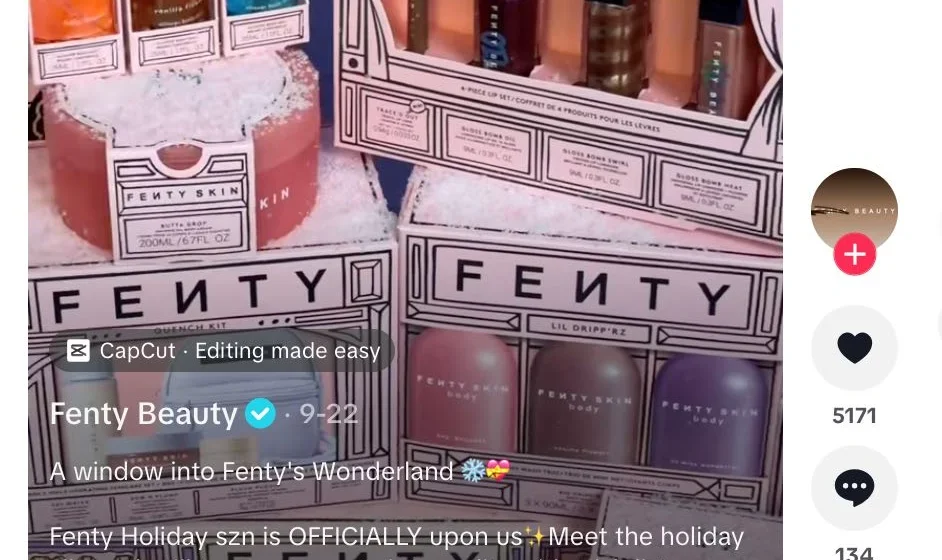
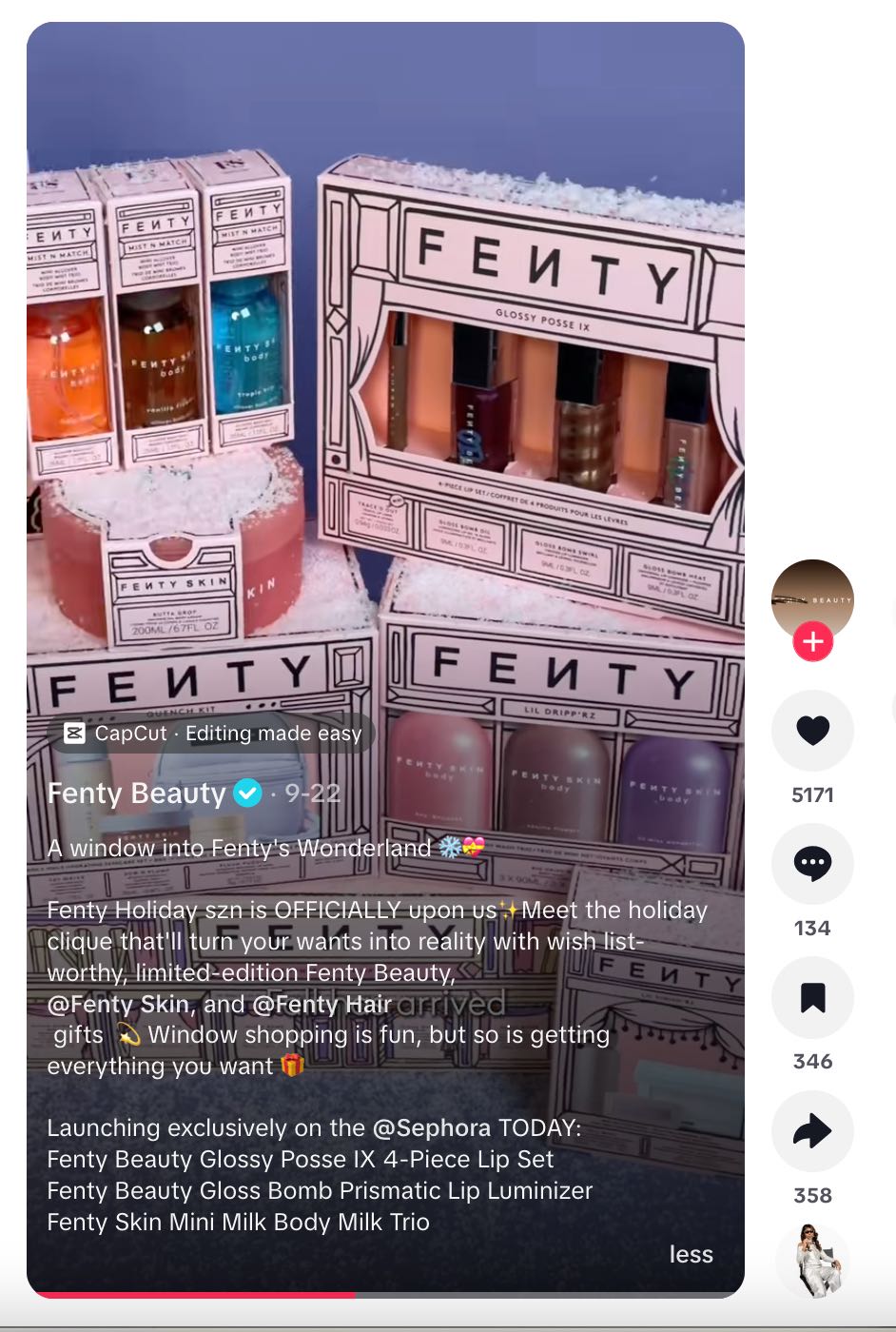
Brands are increasingly initiating campaigns in late summer to capture early planners. Data shows that nearly half of consumers (49%)—and an overwhelming 66% of Gen Z shoppers—are more likely to buy from brands running campaigns as early as August. Rather than pushing heavy-handed winter messaging, successful brands utilize this window for product education, awareness building, and testing creative concepts. For instance, Fenty Beauty deployed a limited-edition holiday collection tease on TikTok in September, swiftly garnering over 100,000 views and establishing early-season momentum.

2. The Core Campaign Ramp-Up (October – November)
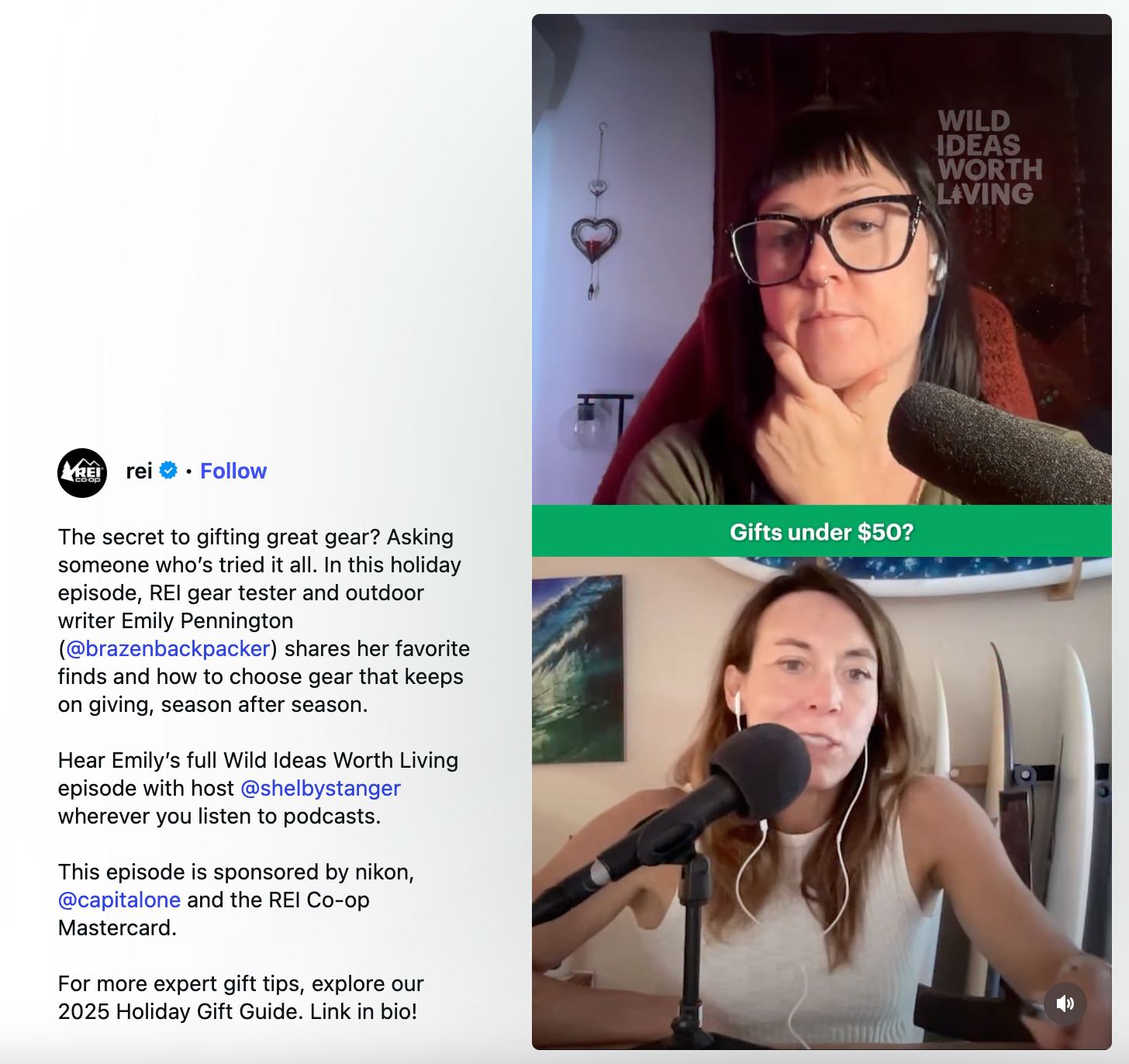
Despite openness to early inspiration, half of consumers (50%) state that October and November remain the ideal window for brands to officially launch their core holiday campaigns. This is when seasonal messaging dominates feeds, gift guides are published, and promotional pricing strategies take effect. Brands like REI successfully navigate this period by curating budget-specific gift selections—such as expert picks under $50—to capture value-conscious shoppers early in the autumn window.
3. The Peak Shopping and Service Crunch (Late November – December)
Culminating in traditional tentpole events like Black Friday and Cyber Monday, the final stretch of the year requires brands to maintain rigorous operational readiness. Beyond driving sales, consumer demand for real-time customer service on social channels peaks during this period, forcing brands to sustain high-level support through the entirety of Q4.
Supporting Data and Market Insights
The Sprout Social Q3 2026 Pulse Survey provides a quantitative look at consumer sentiment, highlighting three distinct pillars shaping the current market:
- The Early Bird Motivation: 36% of shoppers are launching their holiday shopping earlier specifically to circumvent anticipated tariff-related price hikes. An additional 27% harbor price concerns, meaning 63% of the consumer base is actively factoring macroeconomic pressures into their shopping timelines.
- Shrinking Wallets: 56% of consumers expect to reduce overall holiday spending due to inflation and tariffs. Only 30% intend to maintain or increase their budgets.
- The Social Discovery Equalizer: Social media now officially rivals physical brick-and-mortar retail for holiday gift inspiration, with 46% of consumers turning to social platforms for ideas—matching the percentage planning to browse traditional physical storefronts.
- The Rise of Social Checkout: 57% of consumers are open to completing purchases directly within social apps this holiday season (38% are repeat social shoppers, while 19% are first-time adopters).
What Drives Purchases on Social?
Merely putting products on feeds is no longer enough; brands must understand the precise triggers that convert social browsers into buyers:
- Promo Codes and Discounts: Cited by 30% of consumers as the top purchase driver, shared by brands or influencers.
- Products in Action: Brand posts demonstrating practical usage influence 28% of shoppers.
- Original Brand Content: Dedicated seasonal storytelling sways 26% of buyers.
- Peer and Creator Content: Recommendations from everyday users (22%) and structured creator partnerships (such as TikTok roundups of luxury gift sets) provide critical context for final purchasing decisions.
Official Responses and Industry Perspectives
Retail strategists and consumer analysts note that the 2026 market demands a profound shift in how brands approach customer relationships. Consumer behavior indicates that audiences do not necessarily reject early holiday marketing; rather, they reject premature heavy-handedness.
Market experts emphasize that price sensitivity does not strictly require a race to the bottom. Instead of competing solely on rock-bottom pricing, brands are advised to transparently articulate product value, durability, and versatility. By organizing product lines across multiple price tiers and employing clear gift guides, retailers can accommodate tight budgets without sacrificing brand equity.
Furthermore, industry leaders stress that social commerce and customer care are now inextricably linked. When a consumer encounters a product via a social media video, their path to purchase often depends on immediate answers regarding shipping timelines, sizing, or inventory. Brands failing to bridge the gap between social marketing and responsive social customer care risk abandoning high-intent buyers at the final digital threshold.
Implications for Brands and Marketers
As organizations finalize their strategic initiatives for the remainder of 2026, the data points toward three imperative directives:
1. Perfect the Timing Cadence
Avoid an all-or-nothing approach to campaign scheduling. Leverage August and September to seed awareness, test messaging angles, and capture early-bird demographics (especially Gen Z). Save full-scale promotional dominance and aggressive holiday visual branding for October and November.
2. Tailor Messaging for Price-Conscious Buyers
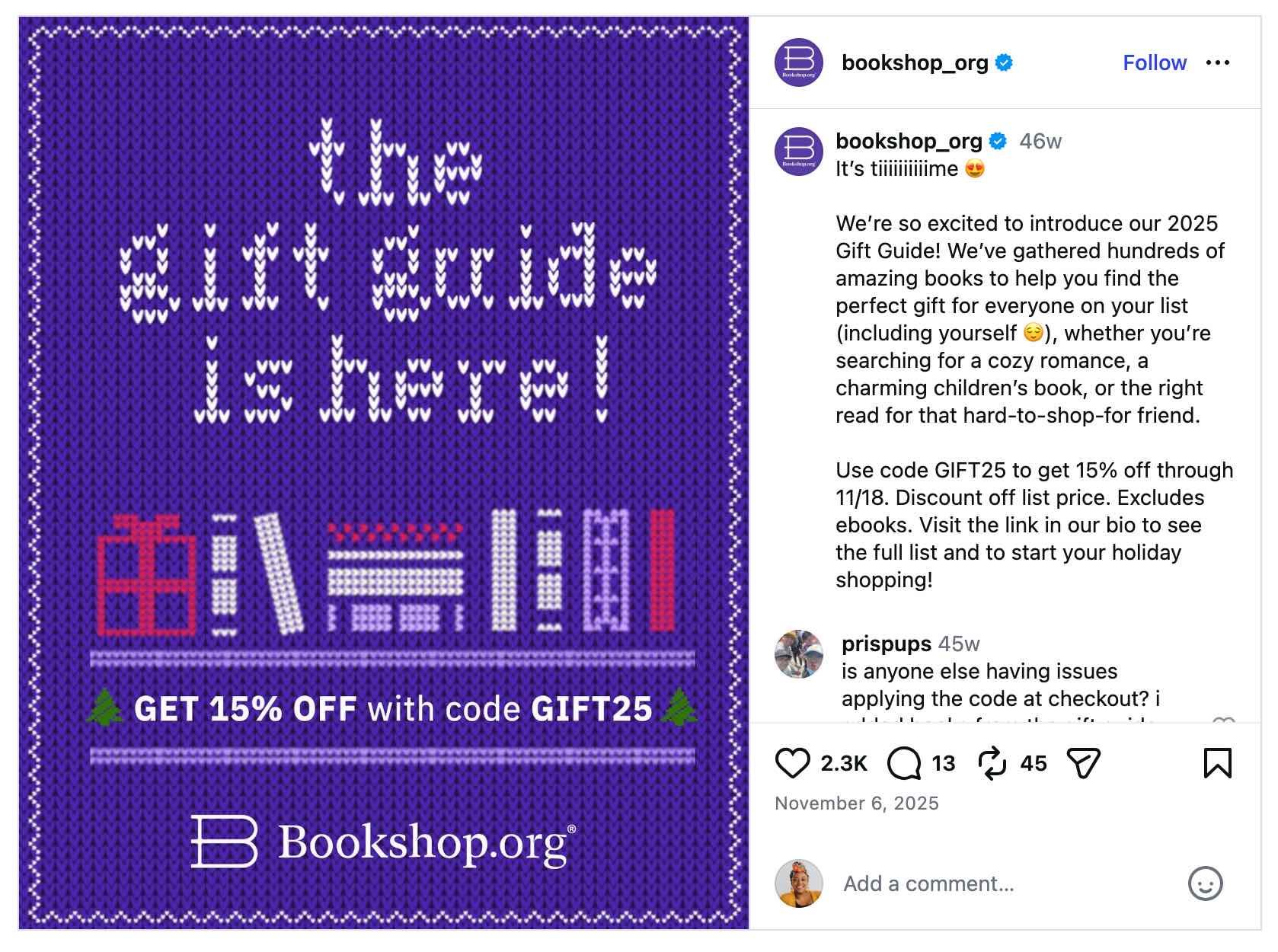
Acknowledge economic realities by integrating clear value propositions, transparent pricing tiers, and accessible discount mechanics into your content mix. Curate gift lists structured by price points (e.g., items under $50) to remove friction for budget-conscious consumers.
3. Streamline the Social Commerce and Care Ecosystem
Treat social media platforms as end-to-end shopping destinations. Optimize social storefronts for frictionless native checkouts while scaling up social customer service workflows to handle inquiries around inventory, delivery, and returns throughout the entirety of Q4.
Frequently Asked Questions
When should brands start their holiday marketing campaigns?
Most consumers (50%) prefer brands to launch formal holiday campaigns in October or November. However, nearly half (49%) state that campaigns launched as early as August increase their likelihood to purchase. Brands can successfully utilize August and September to build foundational awareness before ramping up heavy promotional activity in the fall.
Are consumers spending more or less on holiday shopping this year?
Consumers are overwhelmingly planning to spend less. More than half (56%) expect to reduce their holiday spending due to economic pressures, including ongoing cost-of-living concerns and anxieties surrounding potential tariffs.
Is social media a bigger part of holiday shopping in 2026?
Yes. Social media now ties with physical retail stores as the primary source for holiday gift ideas and product discovery, with 46% of consumers turning to each medium. Additionally, 57% of consumers plan to complete purchases directly within a social application this season.
Related posts: