The Future of Fandom: Walk-On’s Unveils Scalable, High-Efficiency Restaurant Prototype

In a bold strategic pivot designed to navigate the shifting currents of the commercial real estate market and rising construction costs, Walk-On’s Sports Bistreaux has unveiled a revolutionary restaurant prototype. By reimagining its spatial footprint, the brand is setting a new standard for the casual dining sector, proving that the high-energy, sports-centric atmosphere synonymous with the name does not require a sprawling 8,000-square-foot facility to thrive.
The Core Concept: Downsizing Without Compromise
The new prototype marks a significant departure from the brand’s traditional architectural DNA. While standard Walk-On’s locations have historically spanned between 7,000 and 8,000 square feet, the new model is designed to operate within a footprint of 3,500 to 4,500 square feet. This roughly 50% reduction in size is not merely a cost-saving measure; it is a calculated effort to increase density and access, allowing franchisees to secure prime real estate in urban centers, suburban lifestyle hubs, and smaller markets that were previously off-limits due to spatial constraints.
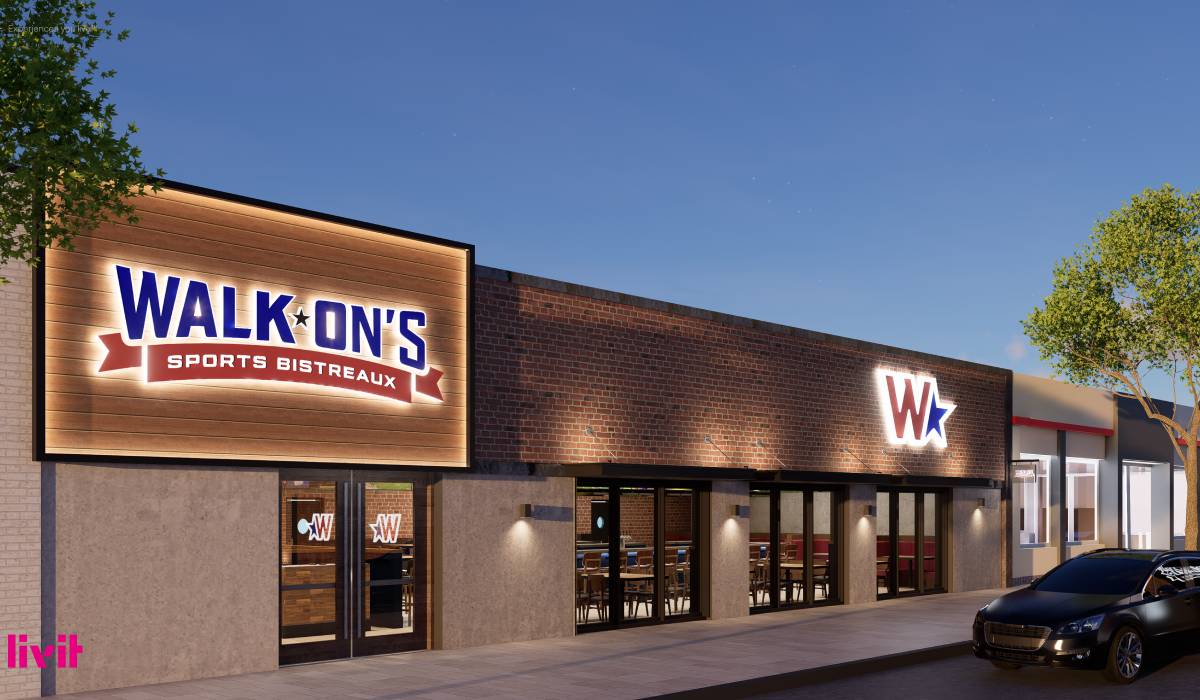
Despite the contraction in square footage, Walk-On’s remains steadfast in its commitment to the “full-service experience.” The company emphasizes that the reduction in size does not translate to a reduction in the menu or the intensity of the game-day experience. By leveraging innovative interior design and high-efficiency kitchen technology, the brand intends to retain its core identity while enhancing operational agility.
A Chronology of Innovation: From Vision to Reality
The journey to this new model has been a multi-year effort rooted in data-driven decision-making.
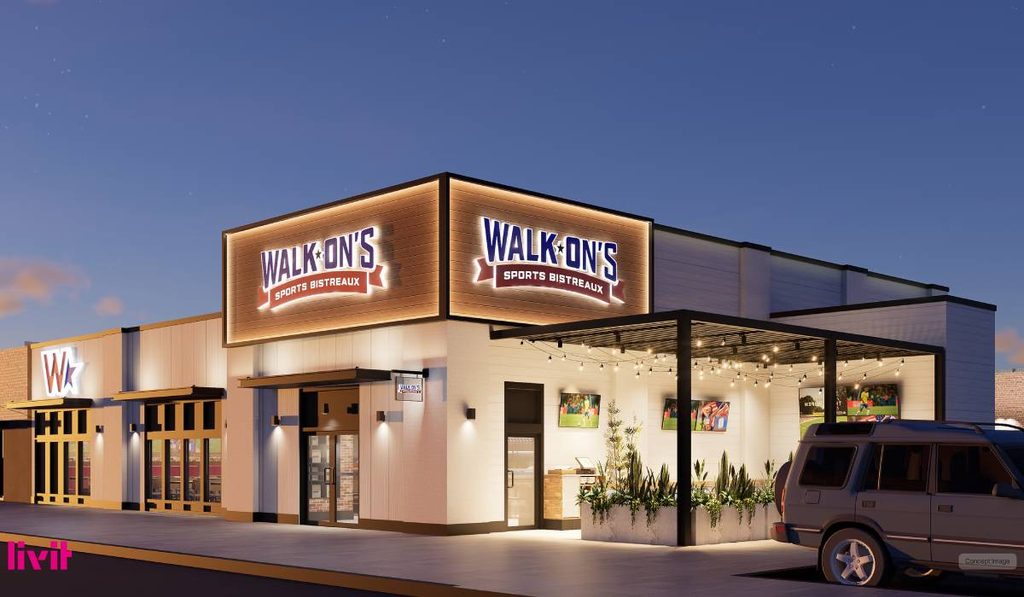
- Proof of Concept (The Battery, Atlanta): The inspiration for this pivot was largely validated by the success of the brand’s existing location at The Battery in Atlanta. Measuring approximately 3,700 square feet, this location served as a live laboratory, proving that the full Walk-On’s menu and high-octane atmosphere could be successfully compressed into an inline footprint.
- Design Partnership (Livit): Recognizing the need for a scalable solution, Walk-On’s partnered with Madrid-based design firm Livit. The goal was to develop a “kit of parts” approach—a modular design philosophy that allows franchisees to adapt the restaurant’s layout to specific real estate configurations without sacrificing the brand’s aesthetic integrity.
- Official Unveiling (October 2026): After months of development, the company officially pulled back the curtain on the renderings, signaling to the franchise community that the new, agile model was ready for deployment.
- The First Milestone (Early 2027): The inaugural location of this new generation is currently under construction on Perkins Road in Baton Rouge, Louisiana. Spanning 3,688 square feet with seating for 125 guests, this flagship prototype will serve as the blueprint for future development efforts.
Supporting Data: Why Smaller Means Smarter
The financial implications of this transition are stark. As construction and labor costs continue to exert pressure on restaurant operators, the ability to build a profitable unit for less than $2 million is a major competitive advantage.
Kitchen Efficiency and Technology
The smaller footprint necessitated a total overhaul of the back-of-house. By implementing advanced equipment, such as high-speed clamshell grills, the company is aiming to reduce "ticket times" (the duration from order placement to food delivery). These technological upgrades serve a dual purpose: they improve the speed of service for dine-in guests and streamline the workflow for staff, effectively lowering the barrier to entry for training new employees.
Operational Versatility
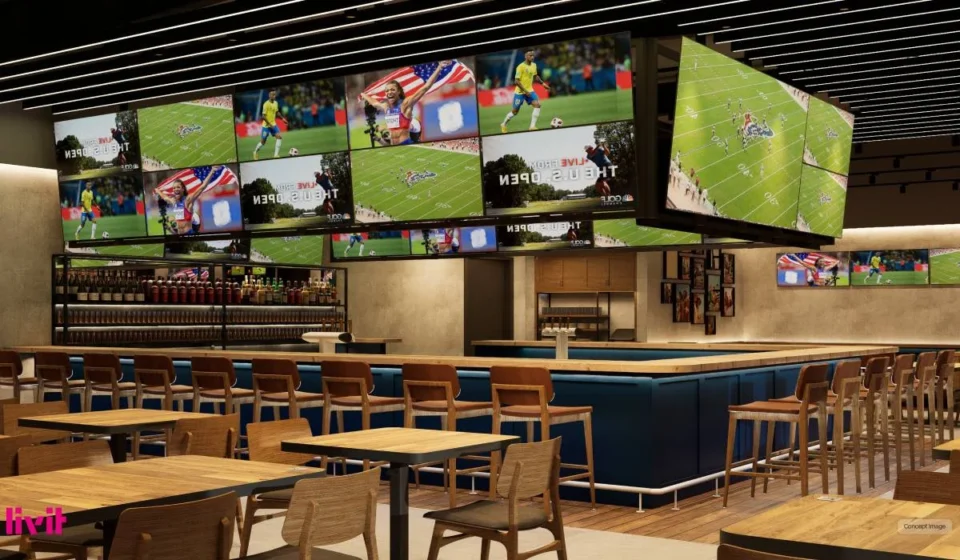
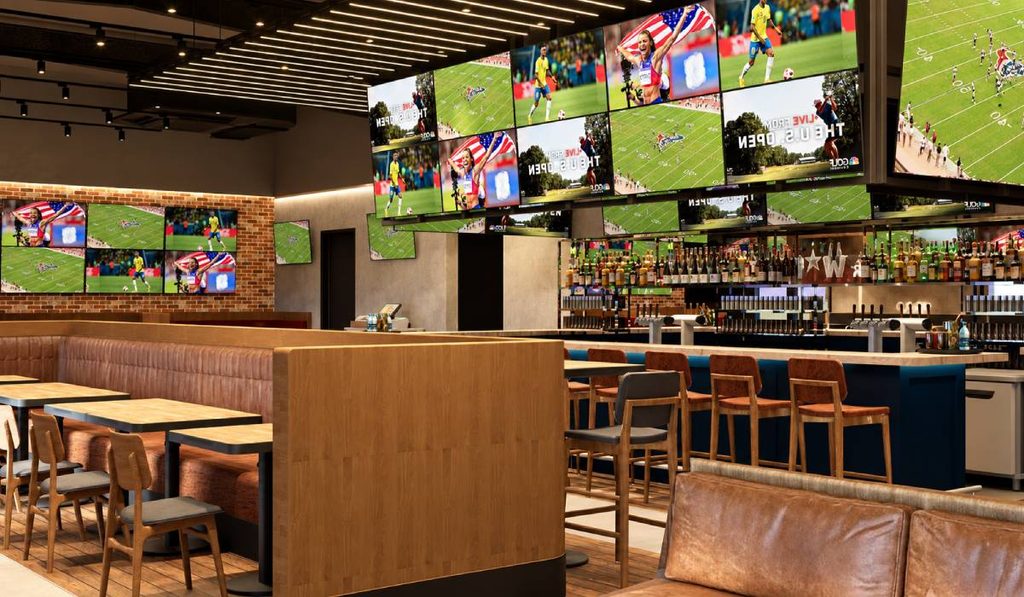
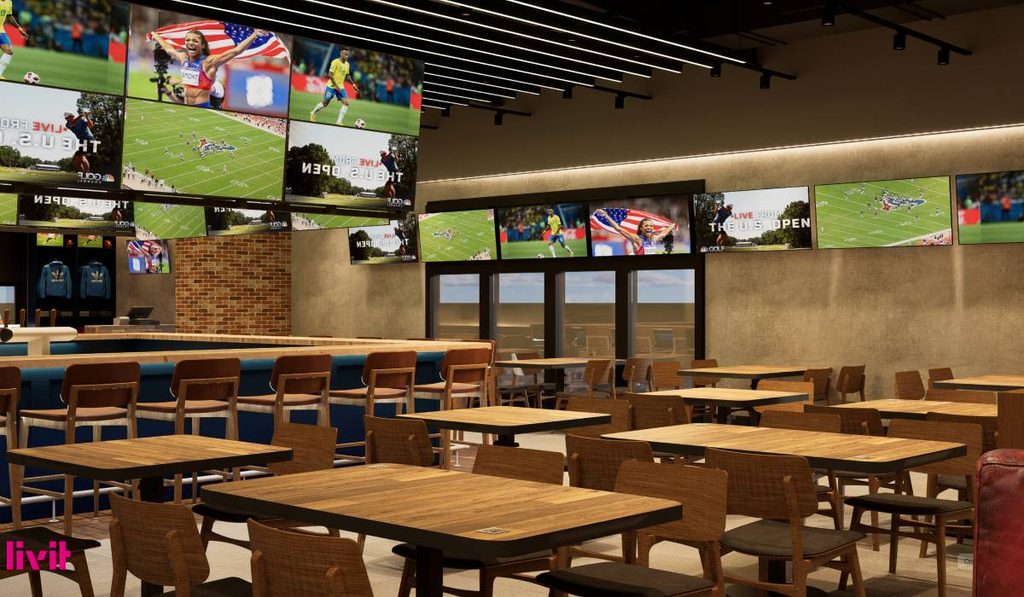
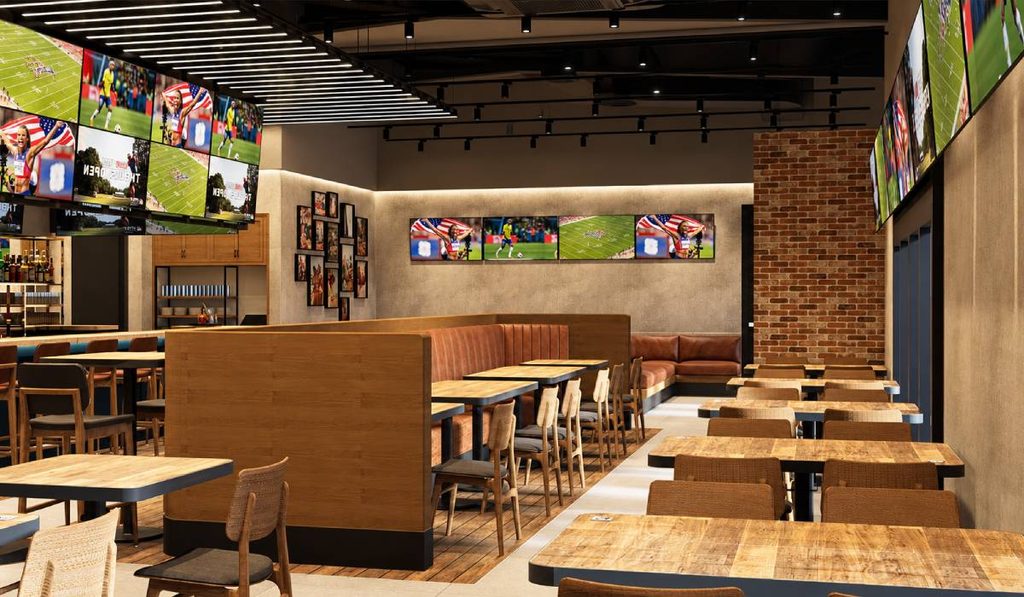
The “kit of parts” design allows for a high degree of customization. Whether a site requires a long, narrow layout or a more square floor plan, the modular components—including the peninsula-style bar and the flexible lounge area—can be shifted to optimize flow. This flexibility ensures that the “energy” of the bar is always at the center of the guest experience, regardless of the building’s shape.
Addressing the Off-Premise Surge
The rise of third-party delivery services has fundamentally changed restaurant design. The new prototype addresses this by integrating dedicated pickup cubbies near the host stand. By creating a physical partition between the delivery drivers and the dining room, Walk-On’s ensures that the guest experience remains focused on hospitality rather than logistics.
Official Perspectives: The Leadership Vision
Brandon Landry, CEO and co-founder of Walk-On’s, has been vocal about the necessity of this evolution. In a recent statement, Landry articulated that the initiative is about preservation rather than dilution.
“We wanted to rethink what the Walk-On’s experience can look like without losing what makes us Walk-On’s,” Landry noted. He emphasized that the primary motivation behind the design was to empower franchisees. By reducing the overhead associated with massive square footage, the company is effectively lowering the risk for operators while maintaining the “hospitality and community connection” that the brand has cultivated since its inception.
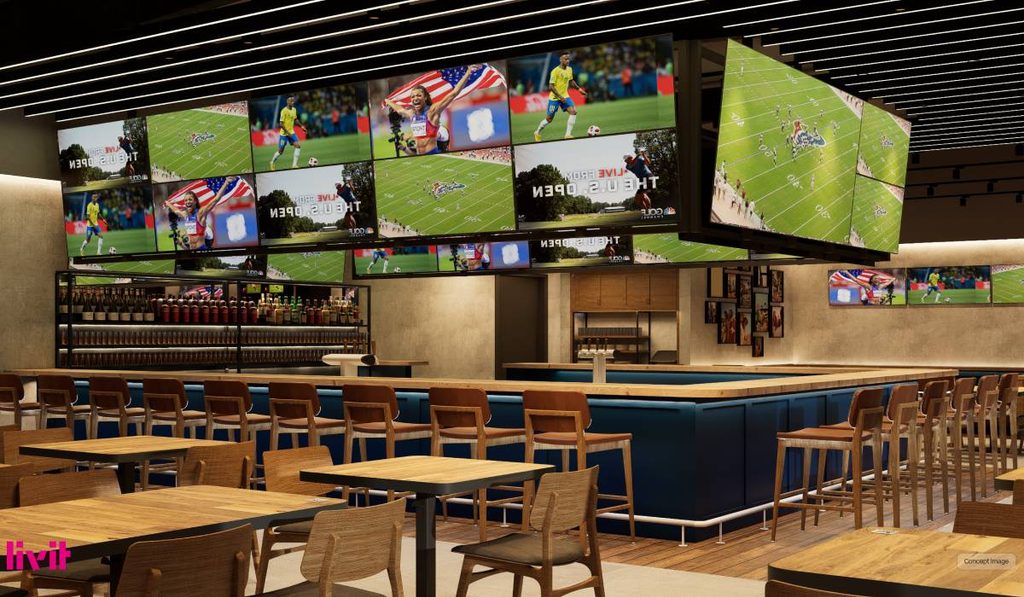
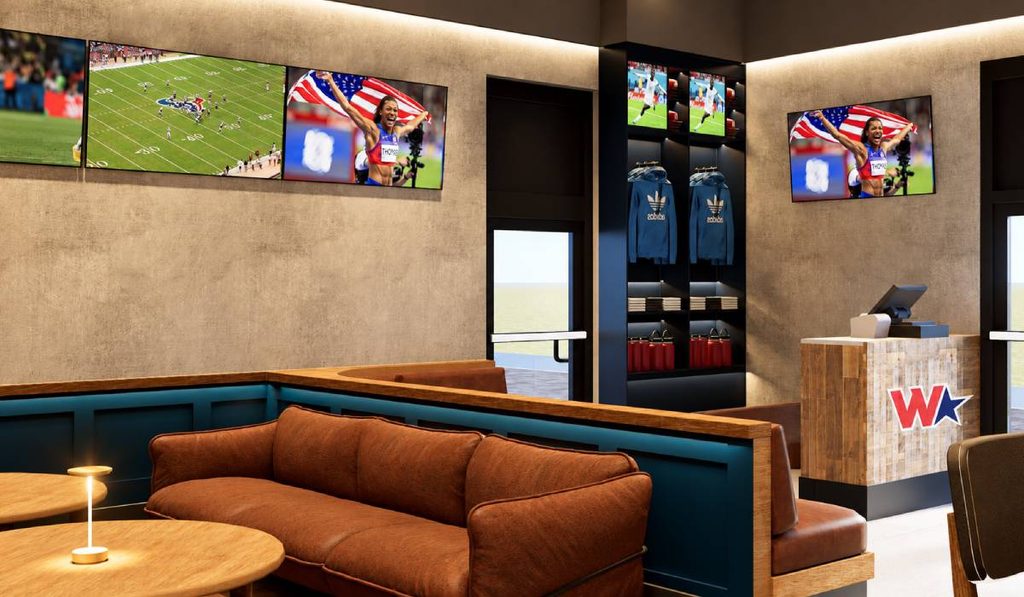
The design also leans heavily into local community integration. By incorporating space for high school jerseys and local athlete displays, the restaurant maintains its status as a “community hub,” ensuring that even in a smaller footprint, the brand feels deeply rooted in the specific town or neighborhood it serves.
Broader Implications for the Restaurant Industry
The pivot by Walk-On’s is indicative of a wider trend in the casual dining sector. As the “big box” model of the early 2000s faces challenges from rising rent and labor volatility, major chains are increasingly looking toward “right-sizing.”
1. Real Estate Diversification
By shrinking its footprint, Walk-On’s is effectively opening its doors to thousands of locations that were previously disqualified due to their size. Urban infill sites, which provide higher foot traffic and better visibility, are now well within the brand’s reach.
2. Economic Resilience
With the development cost target set at under $2 million, Walk-On’s is making its franchise opportunity more attractive to a broader pool of investors. In an era where interest rates and construction inflation remain high, a lower capital expenditure (CapEx) requirement is a significant incentive for multi-unit operators to sign on for further expansion.
3. Sustainability of the "Experience Economy"
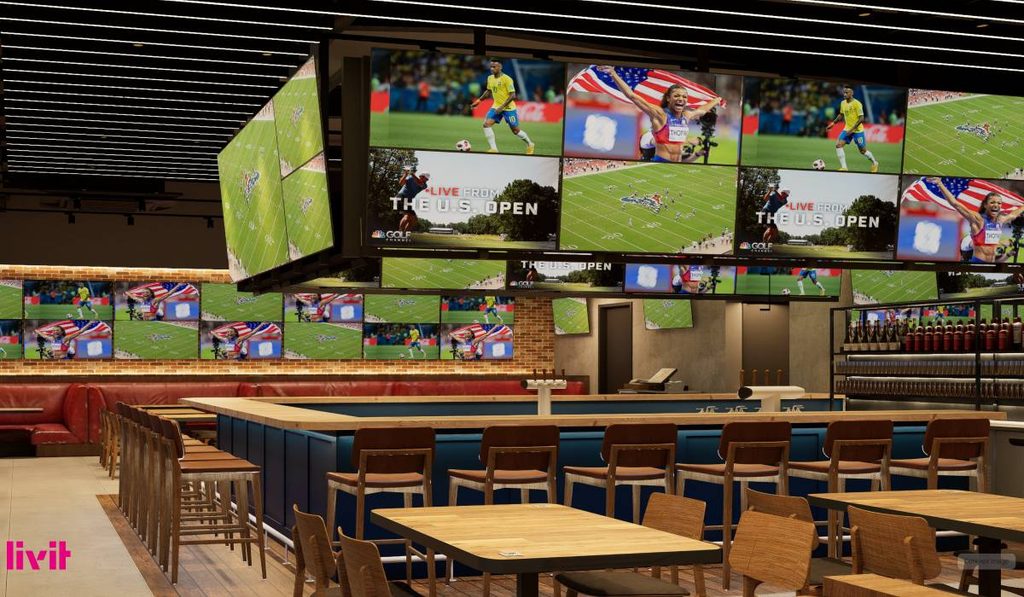
There is a prevailing fear in the restaurant industry that smaller footprints lead to a “fast-casual” feel that strips away the soul of a sports bar. However, by retaining the large television walls, the peninsula-style bar, and the high-touch service model, Walk-On’s is arguing that a “premium” sports bar experience is about the quality of the atmosphere rather than the square footage of the room.
4. The Future of Franchise Development
The success of the Perkins Road location in 2027 will likely serve as a catalyst for a rapid rollout of this prototype. If the unit performs as predicted—maintaining full-menu sales while enjoying lower operating costs—it will almost certainly become the gold standard for all future Walk-On’s developments.
Conclusion
Walk-On’s has demonstrated that innovation does not always mean adding more; sometimes, it means stripping away the unnecessary to reveal the essential. By embracing a modular, high-efficiency design, the company is positioning itself to lead the next generation of sports dining. As the industry moves toward a future defined by efficiency and agility, Walk-On’s appears ready to play ball, ensuring that its brand of hospitality remains a staple of the American dining scene—regardless of how much space it occupies.
With the early 2027 debut in Baton Rouge approaching, the entire industry will be watching to see if this compact model can truly deliver the same punch as its predecessors. If the renderings and the strategic planning are any indication, the future of the sports bar is smaller, smarter, and more scalable than ever before.
Related posts: