Revolutionizing the Hourly Workforce: Pryze Unveils Redesigned Platform to Bridge the Productivity Gap

In an era where the “war for talent” has shifted from high-level corporate offices to the frontlines of quick-service restaurants, hospitality, and retail, employee retention and productivity have become the primary benchmarks of operational success. As businesses struggle with high turnover rates and the persistent challenge of workforce engagement, Pryze—a mobile-first platform—has launched a fully redesigned version of its software. The platform, which gamifies the shift experience, aims to turn hourly employees into a competitive advantage by aligning individual performance with overarching business objectives.
The update comes at a critical juncture for the service industry. With labor costs rising and the demand for superior customer experiences at an all-time high, operators are increasingly seeking granular, real-time insights into how their teams function on the floor. Pryze’s new interface promises to transform raw operational data into actionable behavior patterns, effectively bridging the chasm between management expectations and ground-level execution.
The Mechanics of Engagement: How Pryze Works
At its core, Pryze functions as a behavioral bridge. By integrating directly into the shift-based environment, the app gamifies the workday. When an employee clocks in, they are not merely starting a shift; they are entering a structured session where their objectives are clear and their performance is measurable.
The “Lock-In” Methodology
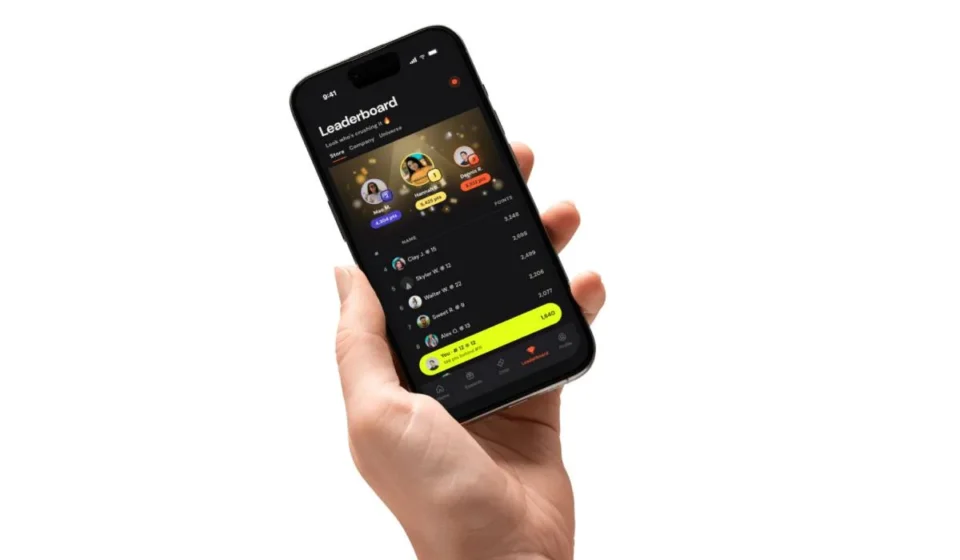
The user experience is designed around a “focus session” model. Employees select specific management-defined goals—such as upselling a specific menu item, increasing the average ticket size, or maintaining cleanliness standards. Once these goals are selected, the employee “locks in.”
The platform utilizes a sophisticated point-tracking system to maintain focus. Employees earn points for:
- Duration of Focus: Time spent actively engaged in work-related tasks.
- Goal Achievement: Successful completion of pre-set targets (e.g., hitting a specific number of add-on sales).
- Reduced Distraction: A penalty system that deducts points when employees check personal devices, thereby discouraging the “phone-scrolling” behavior that plagues many service environments.
At the conclusion of the shift, the points are “banked” in a digital wallet, which can then be redeemed for real-world rewards. This feedback loop provides immediate gratification—a powerful psychological motivator that replaces the traditional, often delayed, performance review process.
A New Dashboard for Modern Operators
While the employee-facing app focuses on gamification, the redesigned management dashboard is built for data-driven decision-making. Operators at major brands—including Burger King, Amazon, Paris Baguette, and Sky Zone—have utilized the platform to gain a shift-by-shift view of team performance.
The new dashboard provides:
- Revenue Metrics: Direct correlation between specific employee behaviors and bottom-line growth.
- Productivity Insights: A heat map of when and where the team is most effective.
- Retention Data: Trends regarding which employees are most engaged, allowing managers to identify high-potential staff members early.
- Real-Time Intervention: The ability for managers to see which areas of the floor need more focus, allowing them to adjust strategy mid-shift rather than waiting for end-of-day reports.
Official Perspective: Bridging the Gap
Natalia Micheletti, CEO and Co-Founder of Pryze, views this redesign as more than just a software update; she sees it as a necessary evolution of the employer-employee contract.
“We are thrilled to give our customers an upgraded app that gamifies business goals and turns raw data into actionable behavior patterns,” Micheletti stated during the launch. “Operators want focused teams and great customer experiences. Employees want to feel seen and rewarded. This will bridge the gap between what operators want and what employees actually do.”
Micheletti’s philosophy emphasizes the concept of “recognition equity.” By making performance transparent and rewarding it instantly, Pryze seeks to eliminate the feeling of anonymity that often leads to burnout among hourly workers.
Chronology: The Evolution of Workforce Management
The path to this redesign represents the broader trends in Human Capital Management (HCM) technology over the last decade.
- Pre-2015: Workforce management was largely manual, relying on pen-and-paper scheduling and subjective manager oversight.
- 2015–2020: The rise of digital scheduling tools and clock-in apps provided efficiency but lacked the behavioral psychology component required to improve active productivity.
- 2020–2023: The “Great Reshuffle” necessitated a rethink of the hourly worker experience. Companies began searching for ways to incentivize performance without simply increasing wages, which were already hitting ceilings.
- 2024 and Beyond: The launch of the redesigned Pryze platform signals a shift toward “Performance-as-a-Service,” where software is not just a utility for tracking hours, but a dynamic tool for driving active engagement and revenue.
Supporting Data: Why Gamification Matters
The shift toward gamification in the workplace is backed by significant organizational research. According to industry studies on employee engagement, gamified systems can increase employee productivity by up to 20% and significantly reduce turnover.
In the quick-service restaurant (QSR) sector, the cost of replacing a single hourly employee can range from $2,000 to $5,000 when factoring in recruitment, onboarding, and lost productivity. By improving the “stickiness” of the job through rewards and recognition, platforms like Pryze offer a compelling ROI. When employees feel that their small, everyday successes—like upselling a dessert—are acknowledged and rewarded, their professional satisfaction rises, leading to longer tenures and lower training costs for the employer.
Implications for the Industry
The implications of Pryze’s platform extend far beyond the QSR sector. As labor shortages persist across the public sector and hospitality, the demand for technology that manages the quality of labor, rather than just the presence of labor, is increasing.
1. The Death of the "Clock-In" Mentality
Historically, hourly workers were paid simply for being present. Pryze challenges this by incentivizing high-value behaviors. This creates a cultural shift within a company where employees are encouraged to take ownership of their shifts.
2. Data-Driven Management
Managers often struggle with “management by intuition.” With the granular data provided by the Pryze dashboard, decisions regarding staffing, training, and promotions are no longer based on anecdotes, but on hard, empirical data regarding how an employee actually performs when they are “locked in.”
3. Psychological Safety and Recognition
By providing clear goals, Pryze removes the ambiguity of “what is expected of me today?” This clarity reduces anxiety for the employee and ensures that the manager’s expectations are met without the need for constant, intrusive supervision.
Looking Ahead: The Future of the Hourly Floor
As Pryze continues to scale, the integration of AI-driven insights could be the next frontier. Imagine a system that not only tracks performance but suggests specific goals to an employee based on historical store traffic patterns or predicted rush hours.
For operators, the message is clear: the businesses that win in the coming decade will be those that treat their hourly workforce as the most valuable asset in their organization. By investing in tools that prioritize employee focus, engagement, and reward, companies like those currently utilizing Pryze are setting the standard for the modern, high-performance workplace.
For managers, store owners, and franchise operators interested in seeing how these behavioral metrics can be applied to their specific business, Pryze has opened access to live demos. Those interested in experiencing the new dashboard and the gamified employee interface can schedule a walkthrough at www.pryzeapp.com.
In a world where attention is the most valuable commodity, Pryze is betting that the company that wins the focus of its employees will ultimately win the loyalty of its customers. As the industry watches, the success of this platform may well dictate the future of workforce management for the next generation.
Related posts: