Navigating the "Trust Recession": How Brands Can Rebuild Consumer Confidence on Social Media in 2026

NEW YORK — As artificial intelligence floods digital feeds with manufactured experiences and consumers grow increasingly wary of corporate spin, authenticity has officially become the most vital currency in modern marketing. According to Sprout Social’s Q3 2026 Pulse Survey, authenticity is now viewed as the single most important brand characteristic on social media. Yet, capturing that elusive trust is harder than ever.
As digital audiences navigate a pervasive "trust recession," brands are forced to rethink their entire approach to social media. No longer merely a broadcast channel for flashy advertisements and promotional campaigns, social media has transformed into the primary battleground where consumer loyalty is won, lost, or defended.
Main Facts: The Anatomy of Modern Digital Skepticism
The modern consumer’s relationship with social media is defined by a paradox. On one hand, people increasingly rely on social platforms for critical daily needs: discovering breaking news, seeking reliable product recommendations, and forming genuine human connections. On the other hand, skepticism is hitting record highs.
Sprout’s Q1 2026 Pulse Survey revealed a sobering statistic: 35% of social media users trust these platforms less than they did just one year prior. This erosion of confidence is heavily accelerated by the proliferation of AI-generated content. As deepfakes, synthetic imagery, and automated text blur the line between reality and fabrication, audiences are struggling to distinguish authentic human experiences from manufactured marketing ploys.
Compounding this issue is a shift in consumer discovery habits. Potential customers rarely encounter a brand on its official website first; instead, they stumble upon a brand via someone else’s social post, dig through review threads, and scrutinize comment sections. According to Sprout’s Q2 2026 Pulse Survey, when a brand crisis strikes, consumers overwhelmingly learn about it on social media first—and 64% demand that companies respond publicly on these platforms rather than hiding behind sanitized corporate press releases or static website statements.

Chronology: The Evolution of the Digital Trust Deficit
To understand how brands arrived at this crossroads, it is necessary to examine the timeline of consumer shifting behaviors across 2026:
- Early 2026 (Q1 Pulse Survey): The digital landscape faced a tipping point. With AI-generated content dominating feeds, 28% of consumers voiced a primary demand: brands must stop posting AI-generated content without clear labels. Trust levels dropped by 35% year-over-year, prompting industry analysts to warn of an incoming "trust recession."
- Mid-2026 (Q2 Pulse Survey & Webinar): Sprout Social hosted its landmark "Be So FR" webinar, acting as a midyear reality check for digital marketers. Data highlighted that during public relations crises, consumers look directly to social media for real-time accountability. Brands failing to provide transparent, public responses saw immediate churn. Furthermore, everyday users were established as the most trusted voices for product recommendations (57%), superseding mega-influencers and brand employees.
- Late 2026 (Q3 Pulse Survey): Authenticity was cemented as the top-ranking brand characteristic on social media. Concurrently, expectations for customer care skyrocketed, with 38% of consumers demanding brand responses within two hours—including 14% expecting replies within a matter of minutes.
Supporting Data: What the Numbers Tell Us
The data compiled across Sprout Social’s 2026 research initiatives underscores a stark reality for digital marketers: corporate jargon and faceless broadcasting no longer work.
- 35%: The proportion of users who trust social media less than they did a year ago, largely driven by unregulated AI content.
- 57%: The percentage of consumers who trust everyday users the most for product recommendations, outperforming experts and mega-influencers.
- 38%: Consumers who expect a customer care response on social media within two hours, with 14% demanding a turnaround time of minutes.
- 47% vs. 17%: According to the 2026 Influencer Marketing Report, 47% of consumers choose which creators to follow based on topical expertise, compared to only 17% who care about follower counts.
- 46% & 61%: 46% of consumers want to hear directly from frontline employees, and 61% believe these employees should receive extra financial compensation for promoting their company on social channels.
- 26% & 24%: Consumers who want brands to sound less corporate (26%) and less salesy (24%).
Official Responses and Industry Insights
Industry thought leaders and brand representatives are actively shifting their strategies to combat the trust recession. During the "Be So FR" webinar, experts emphasized that bridging the trust gap requires structural changes in how content is produced and how consumer inquiries are managed.
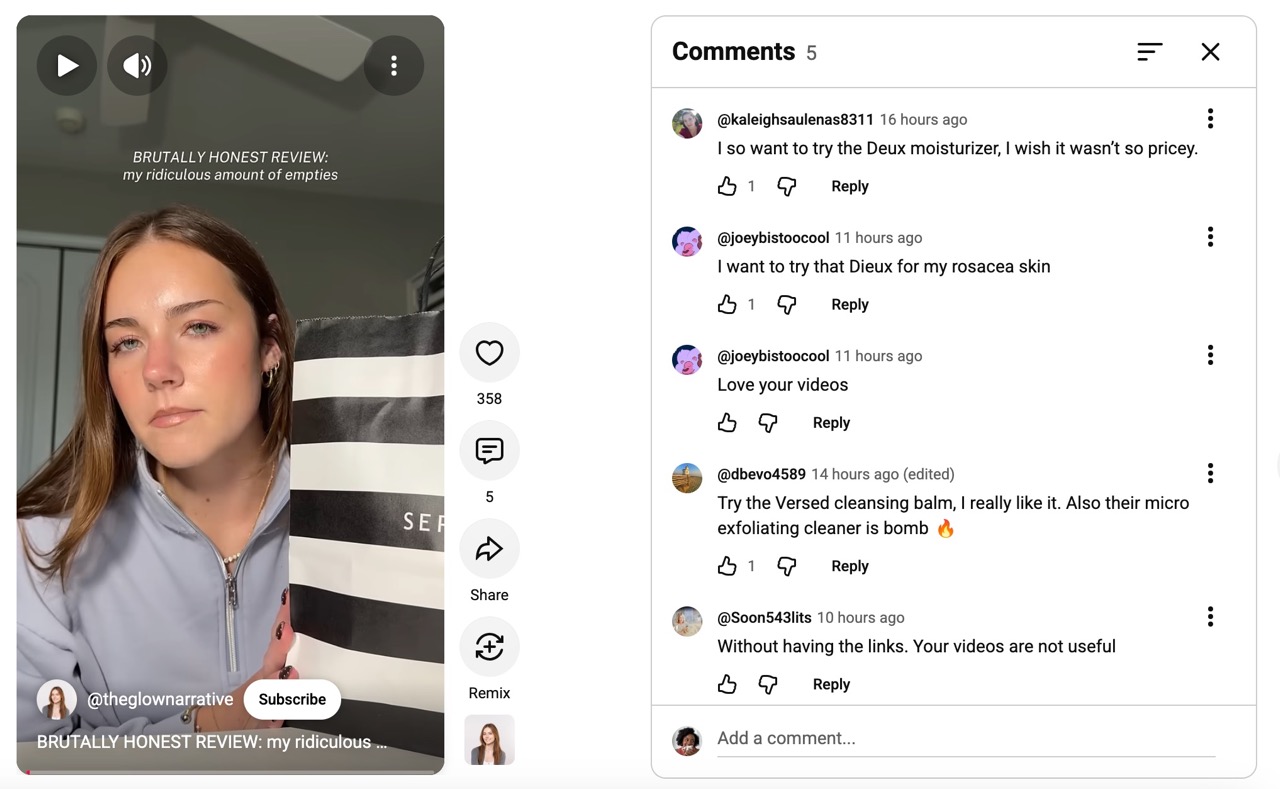
Corporate accountability has taken center stage. When digital customer care teams act swiftly—such as SpotifyCares addressing a creator’s upload issue within minutes and guiding them directly to specialized teams—it sets a benchmark for modern responsiveness.
Transparency is no longer optional; it is a regulatory and ethical requirement. Experts argue that disclosing AI usage and sponsored partnerships isn’t just about compliance—it is a proactive trust-building mechanism. When brands admit mistakes openly and subject AI-generated drafts to rigorous human review, they signal respect for their audience’s intelligence.
Implications for Marketers: The 5-Step Trust Framework
Building long-term audience confidence requires moving away from traditional outbound advertising and embracing a holistic strategy grounded in four pillars: Consistency, Responsiveness, Transparency, and Proof.
| Trust Builder | Trust Breaker |
|---|---|
| Consistency: Maintain a recognizable voice and follow through on your stated values. | Chase trends that clash with your identity or make promises your actions don’t support. |
| Responsiveness: Acknowledge questions promptly and provide helpful answers or clear next steps. | Ignore customer concerns or send generic replies that don’t address the issue. |
| Transparency: Disclose relevant AI use and paid partnerships, and acknowledge mistakes. | Hide sponsorships, present AI-generated content as real experiences or avoid accountability. |
| Proof: Share customer experiences, employee expertise and recommendations from creators who know your products. | Rely on unsupported claims or endorsements from people with no firsthand product experience. |
To put these principles into action, brands must execute five tactical shifts:
1. Stay Authentic to Your Brand Voice
Strip away corporate buzzwords and aggressive sales language. Because nearly a quarter of consumers want brands to be less salesy, companies must replace stock promotional language with specific, useful information about their products and the human beings behind them.
2. Listen Actively and Close the Loop
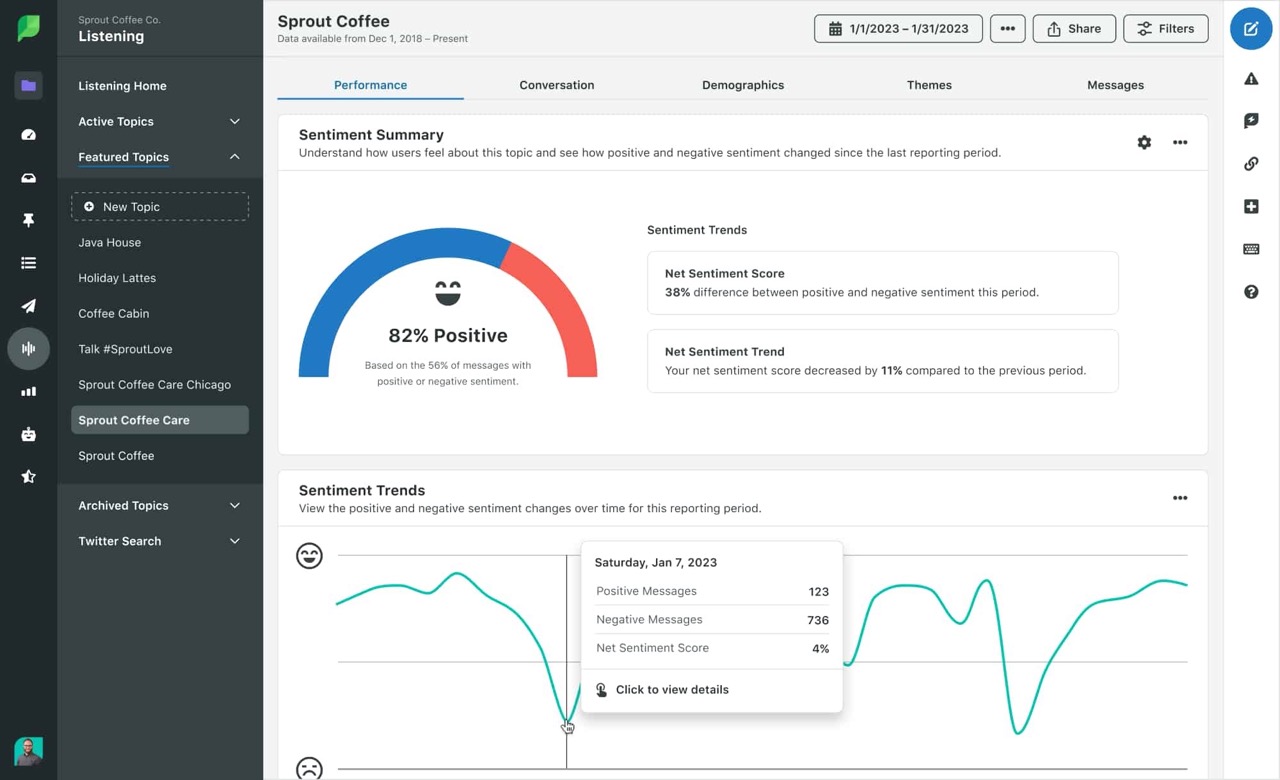
Social listening is no longer just for tracking brand sentiment; it is a mechanism for product development. By utilizing tools like Sprout Social Listening to monitor cross-channel conversations, brands can pinpoint recurring customer pain points—such as pricing confusion or setup difficulties—and implement tangible operational fixes. Crucially, brands must "close the loop" by publicly thanking their audience and showing how their feedback drove change.
3. Vetting Influencers Based on Expertise, Not Clout
With mega-influencer fatigue setting in, marketers must prioritize niche credibility over follower counts. Leveraging platforms like Sprout Social Influencer Marketing helps teams review past sponsorships, ensure proper disclosure compliance, and evaluate content safety. True partnerships give creators the freedom to share authentic, firsthand experiences.
4. Amplify User-Generated Content (UGC) and Employee Voices
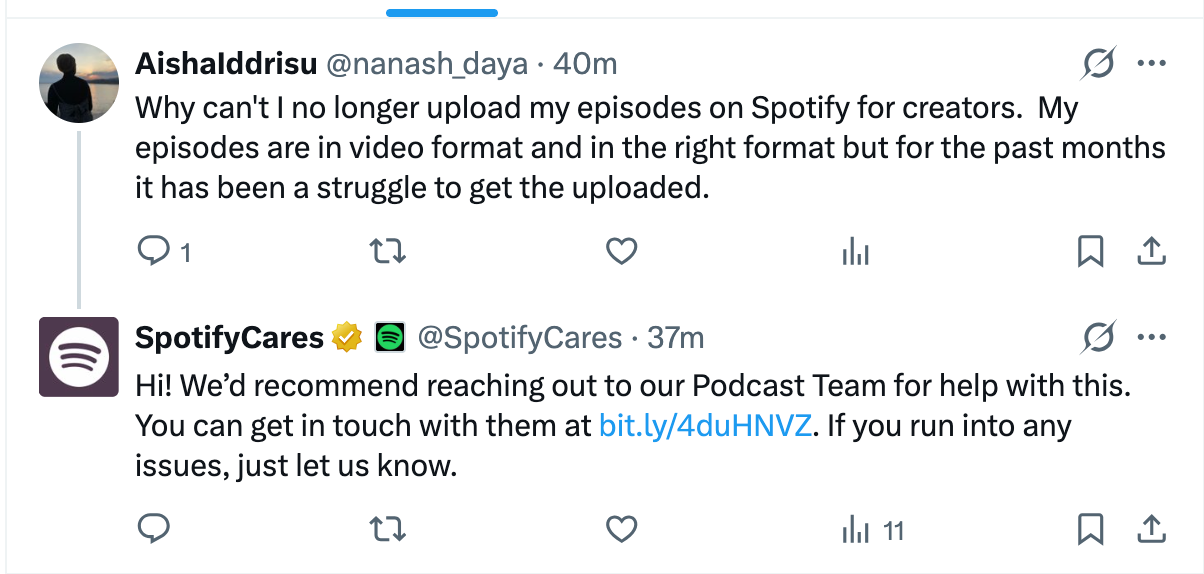
Consumers trust peers and frontline workers above all others. Feature real customers demonstrating how a product solves a specific problem. Simultaneously, empower employees—the internal experts—to share their knowledge, ensuring they are properly compensated for their advocacy.
5. Cultivate Communities, Not Just Audiences
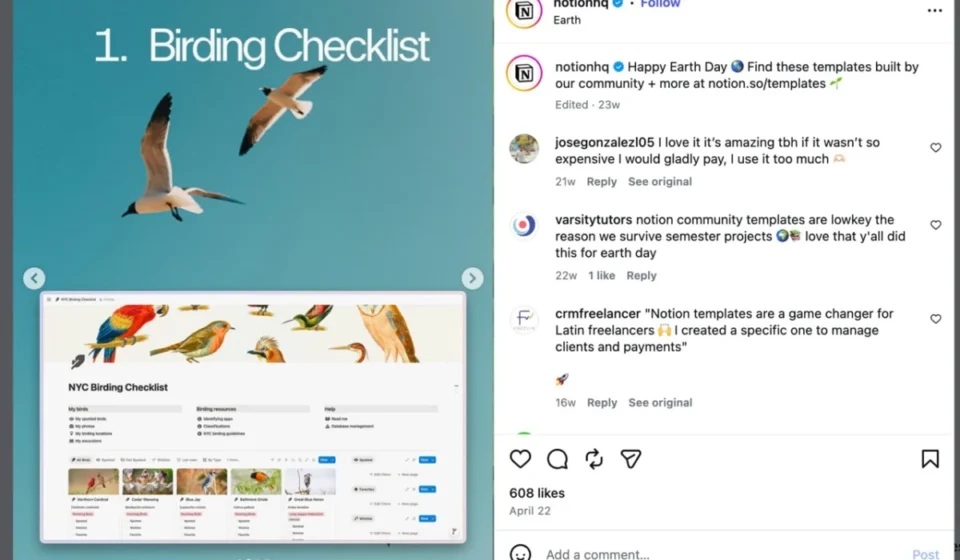
Instead of viewing followers as passive recipients of advertisements, brands must build spaces for shared interests. By highlighting community-created resources—much like Notion’s community-driven template showcases—brands transform transactional relationships into vibrant, loyal ecosystems.
Frequently Asked Questions
What is brand trust on social media?
Brand trust on social media is the confidence people have that your brand shares accurate information and follows through on its commitments. It develops organically through the content you publish, the speed and empathy with which you respond to customer service inquiries, and what third parties say about their genuine experiences with your business.
Why is brand trust on social media important?
Today’s consumers rely heavily on social platforms to research products, read peer reviews, and compare brand experiences before making a purchase. High levels of trust give consumers the confidence to consider your brand, act on recommendations, and return for repeat business after a positive experience.
How can brands measure trust on social media?
Brands can track social sentiment, analyze recurring themes in customer feedback, and evaluate the quality of conversations happening around their products. Combining social listening data with qualitative customer surveys that explicitly ask about trust provides a comprehensive view. Monitoring these metrics over time—especially after campaigns or service upgrades—is far more effective than relying on vanity metrics like surface-level engagement.
How do you rebuild brand trust on social media after a crisis?
Rebuilding trust requires radical accountability. Acknowledge the issue promptly, take clear responsibility for your brand’s role, and explain the concrete steps being taken to resolve it. Answer questions with verified facts, provide transparent progress updates, and ultimately follow through on promised changes to prove that the root problem has been systematically eliminated.
Related posts: