A Gothic Fairytale in Portland: Inside Averi and Roy’s Atmospheric Castle Nuptials

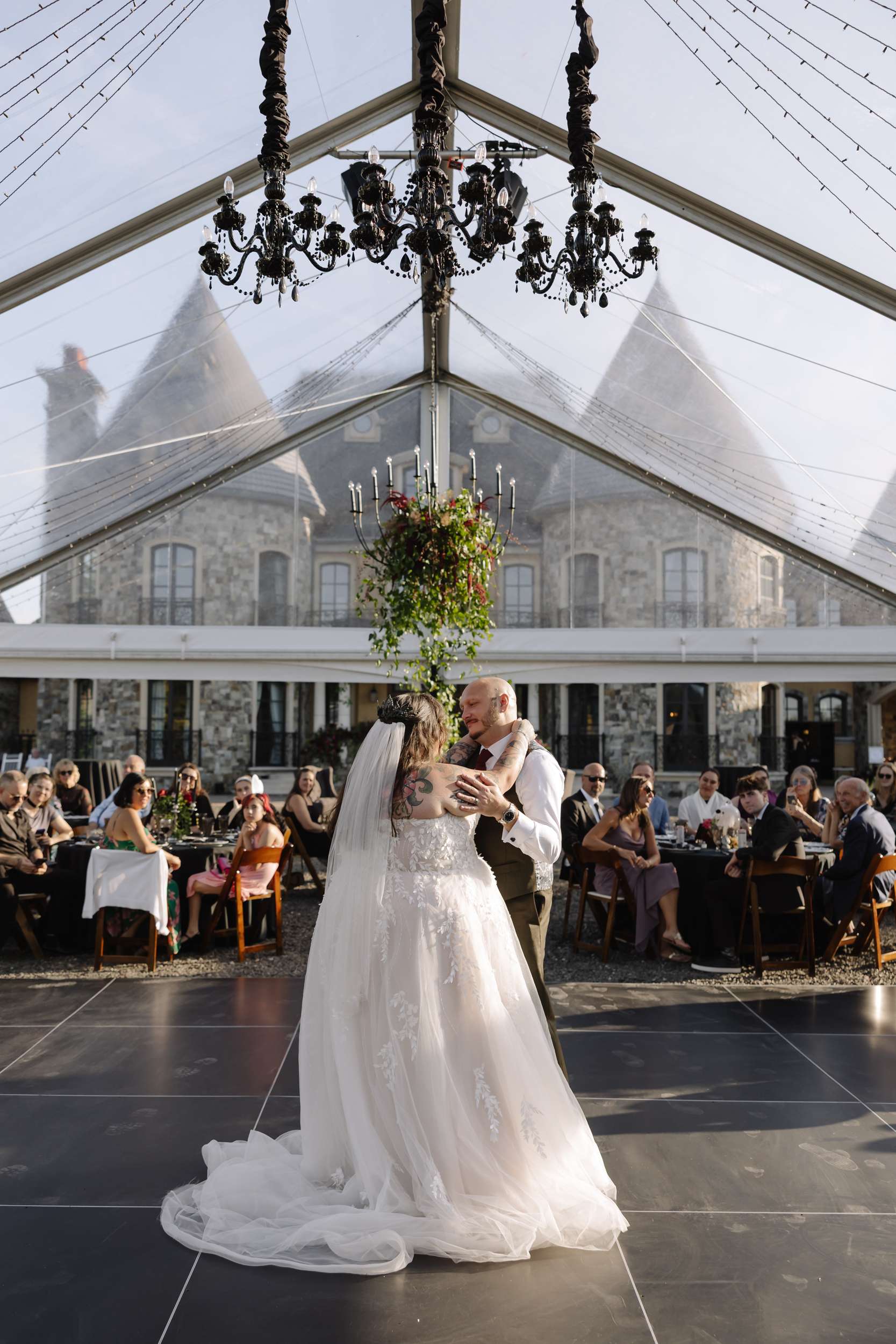
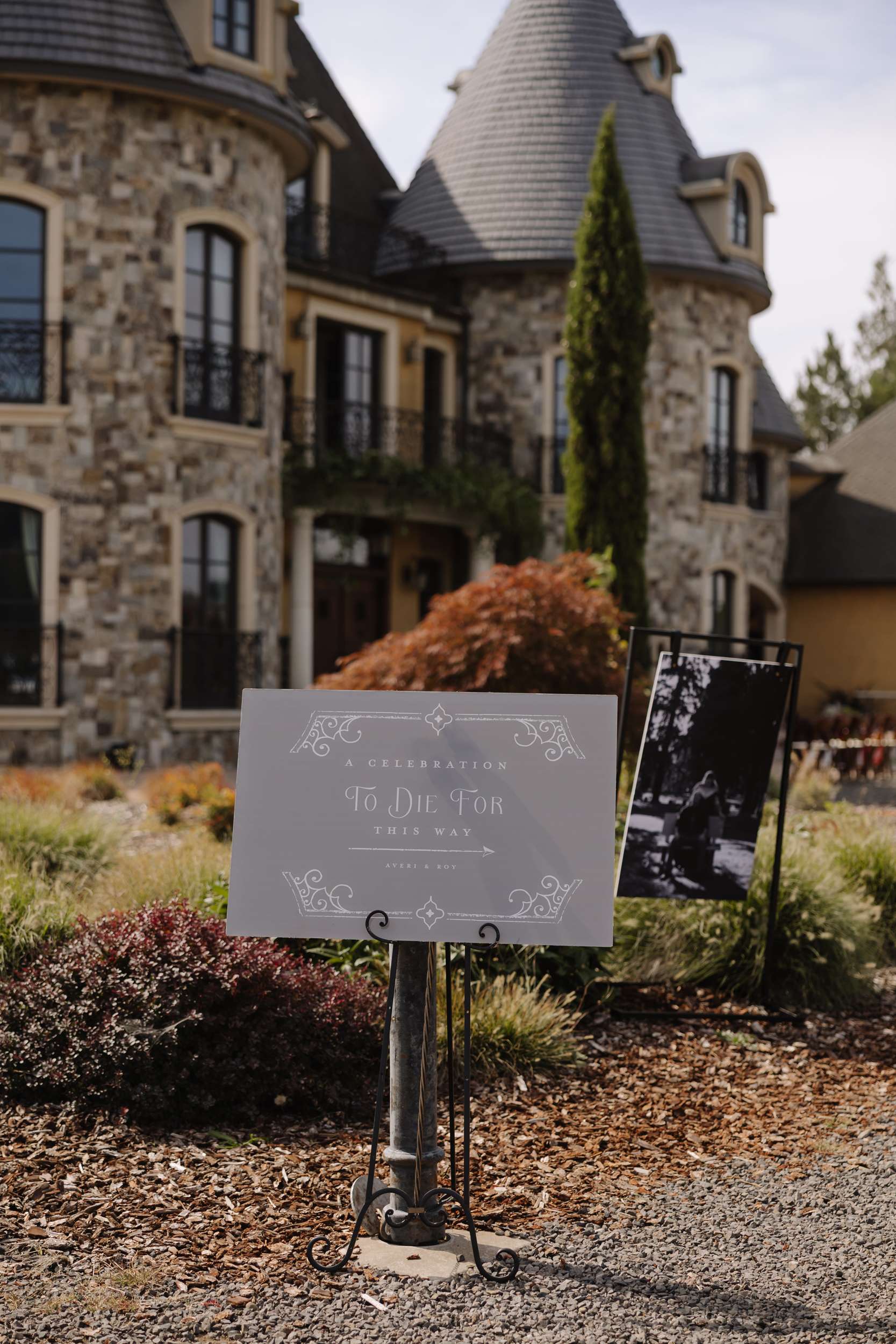
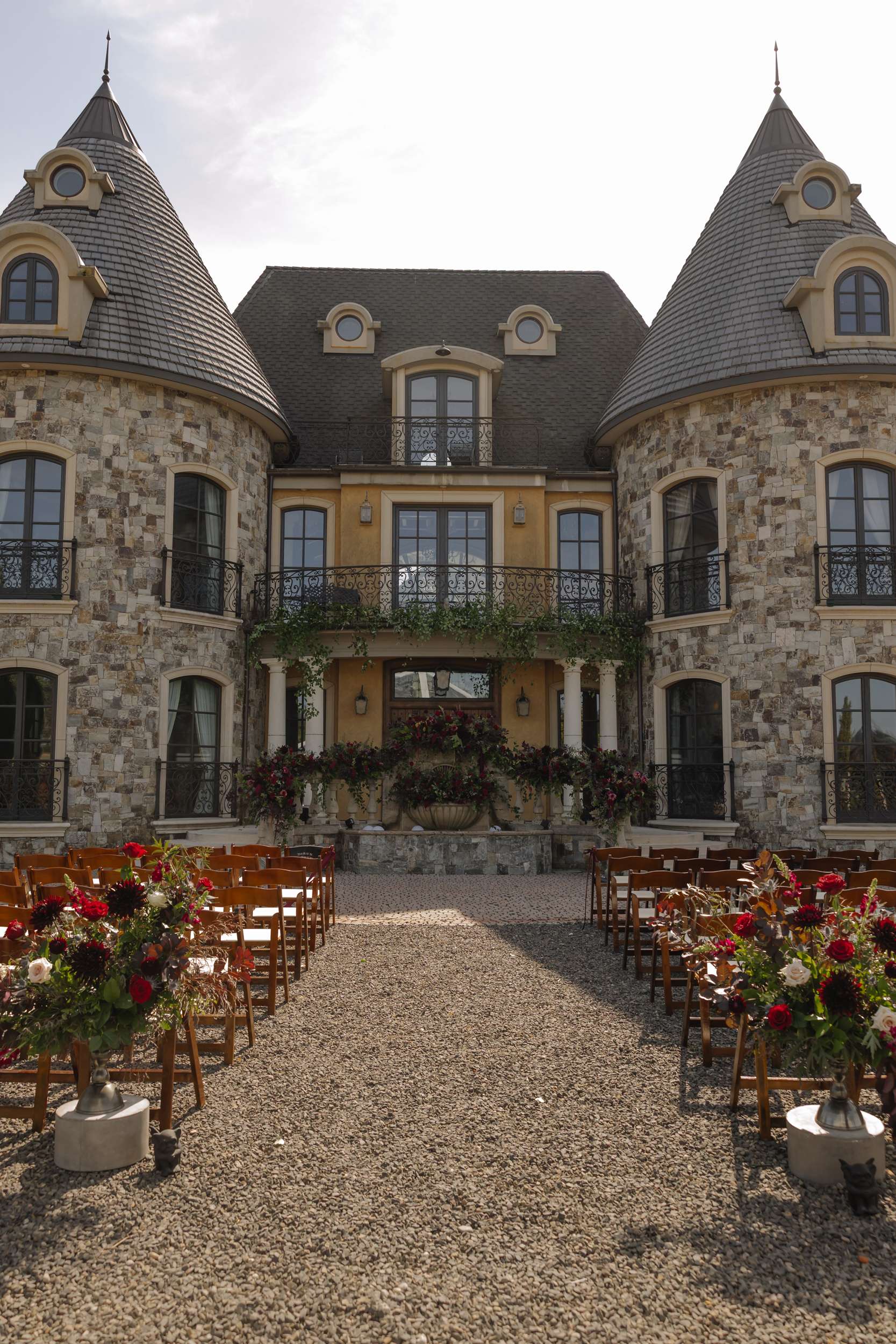
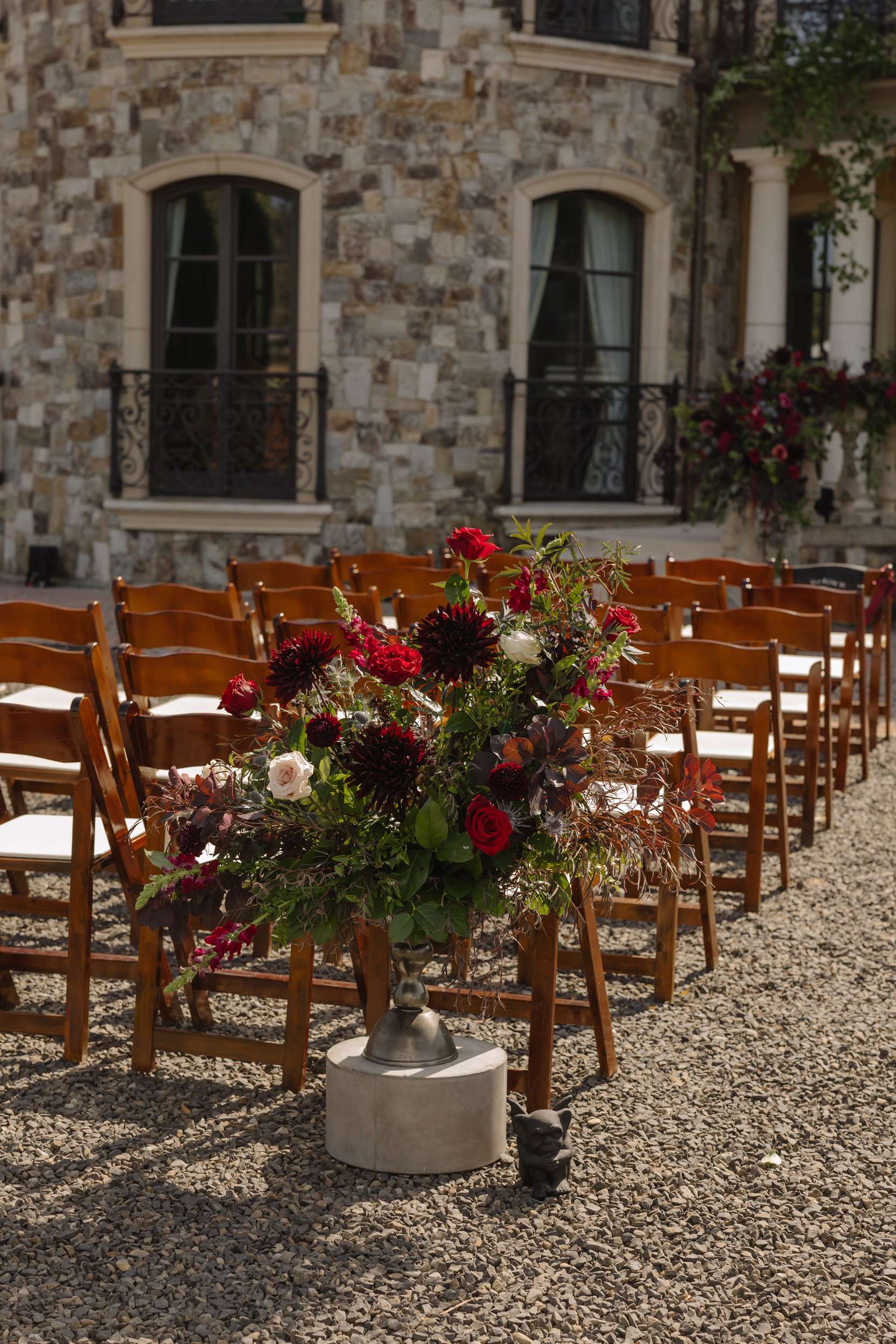
In the heart of Portland, Oregon, a wedding recently unfolded that defied the traditional, polished tropes of the bridal industry. Held at the historic and architecturally striking Chateau de Harpe, the nuptials of Averi and Roy served as a masterclass in thematic cohesion, blending gothic sensibilities with an intimate, deeply personal, and highly creative DIY ethos. With gargoyles watching over the proceedings, fog rolling through the grounds, and a cocktail menu paying homage to their feline companions, the event stood as a bold statement of individuality in a world of cookie-cutter celebrations.
Main Facts: A Vision of Modern Gothic Elegance
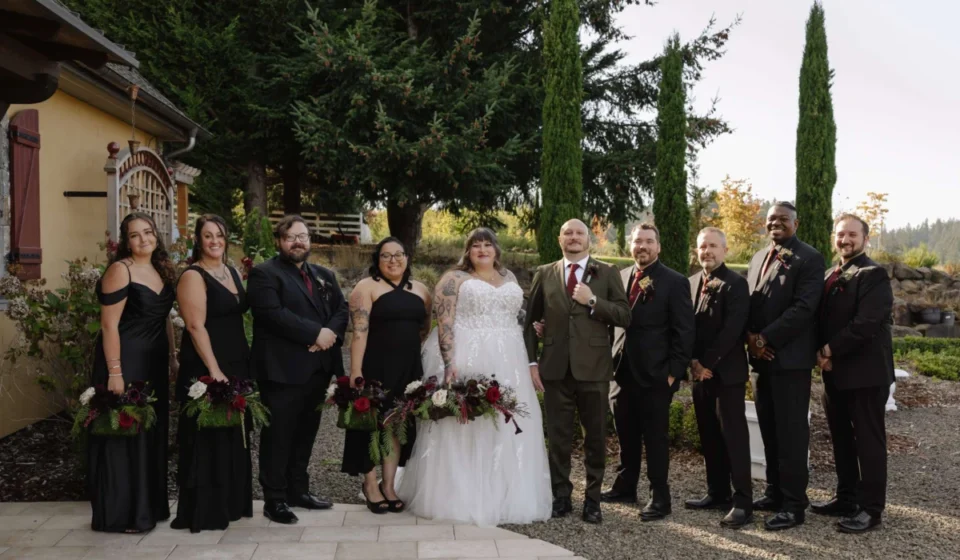
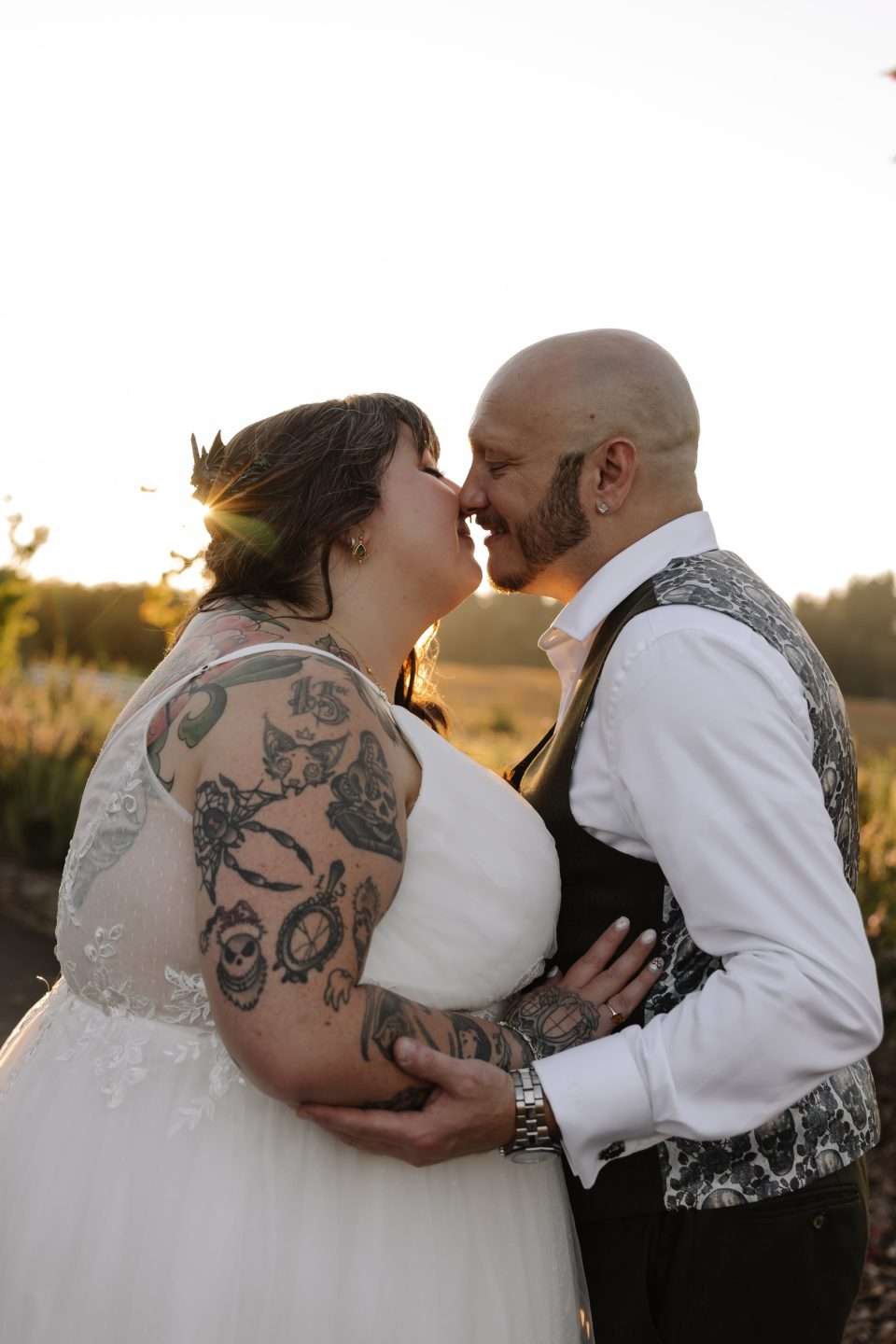
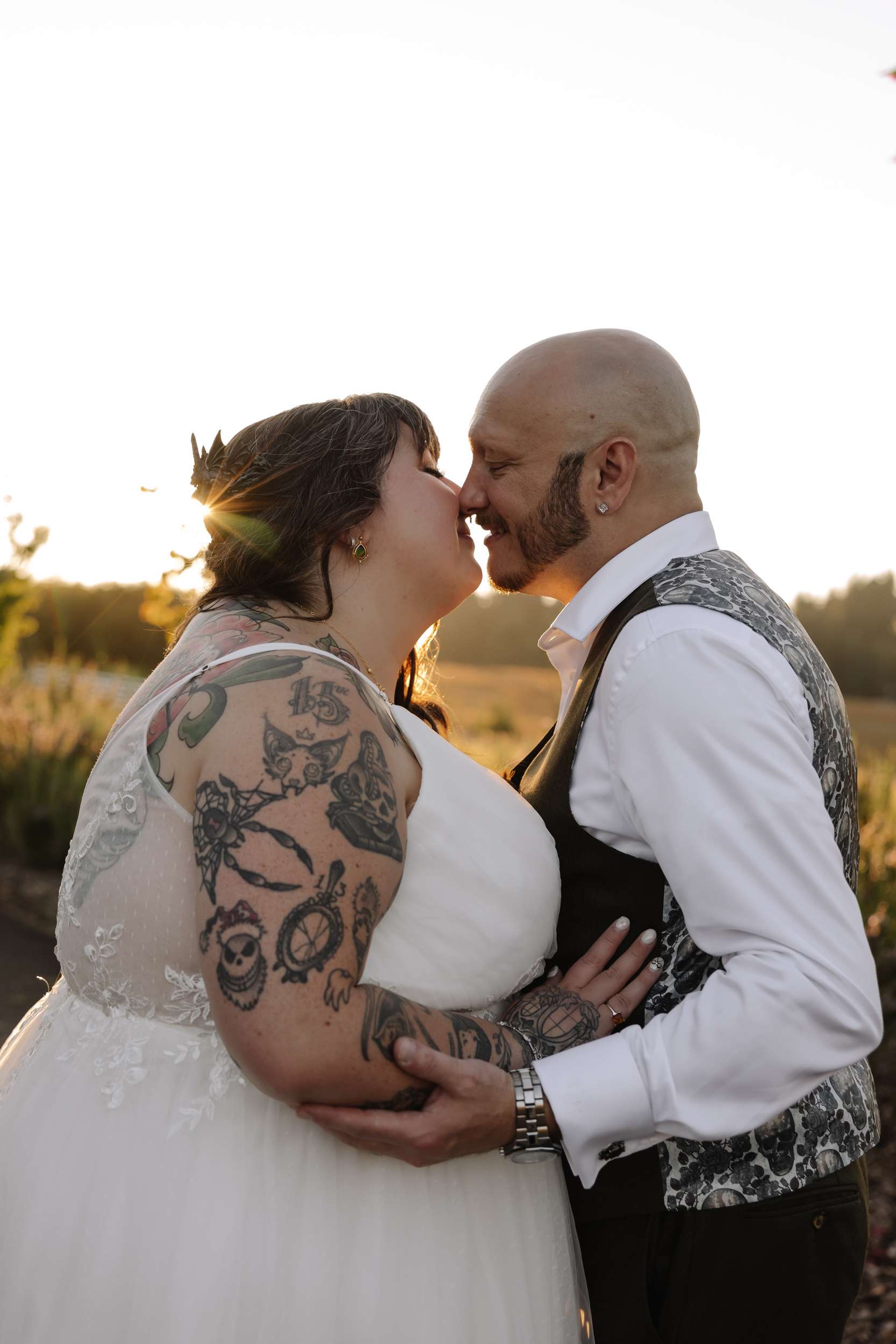
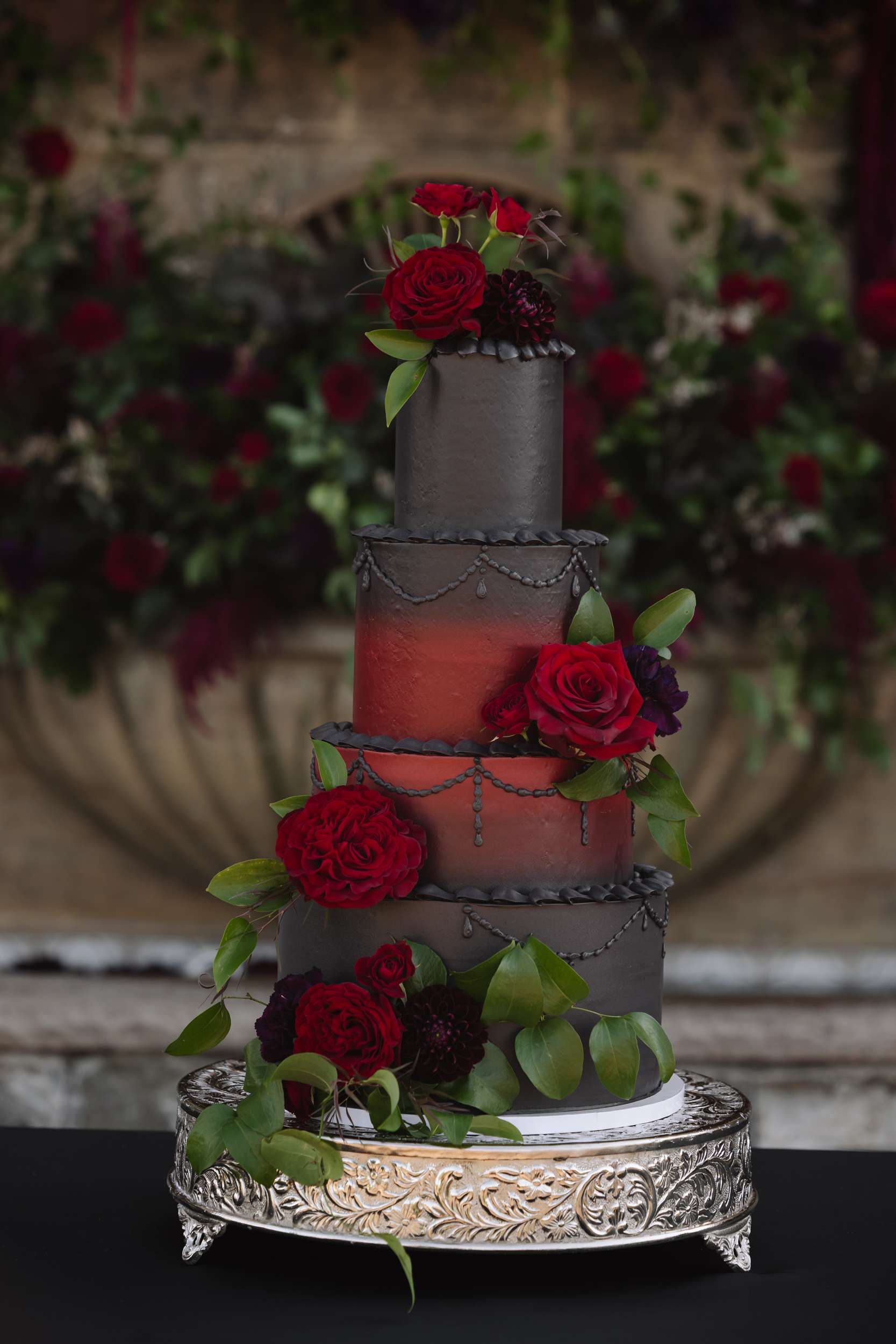
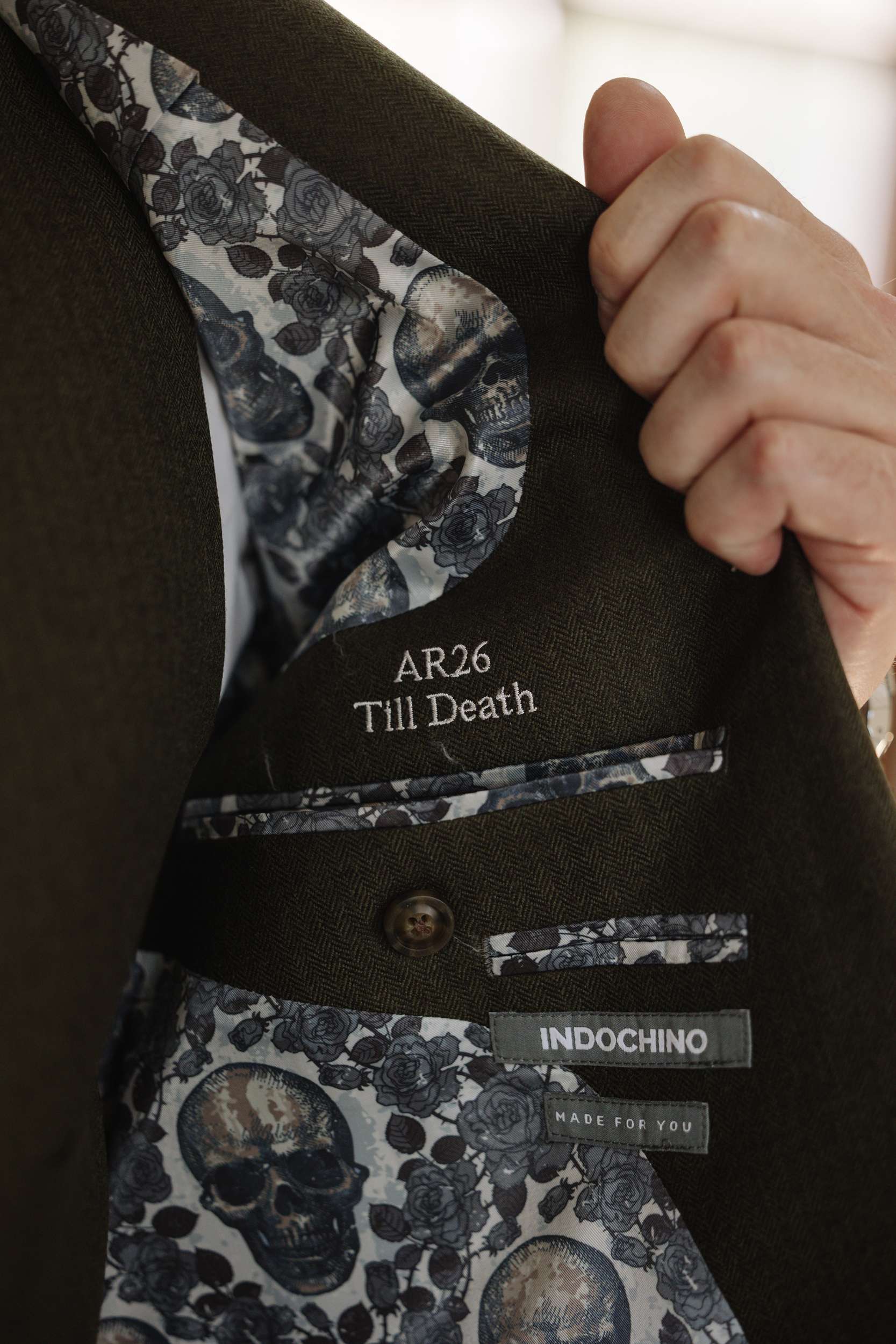
The wedding was defined by its "romantic, moody, gothic-inspired" aesthetic, which maintained a sharp, modern edge throughout. Averi and Roy sought to create an environment that felt inherently dramatic and unconventional, yet remained grounded in timeless elegance.
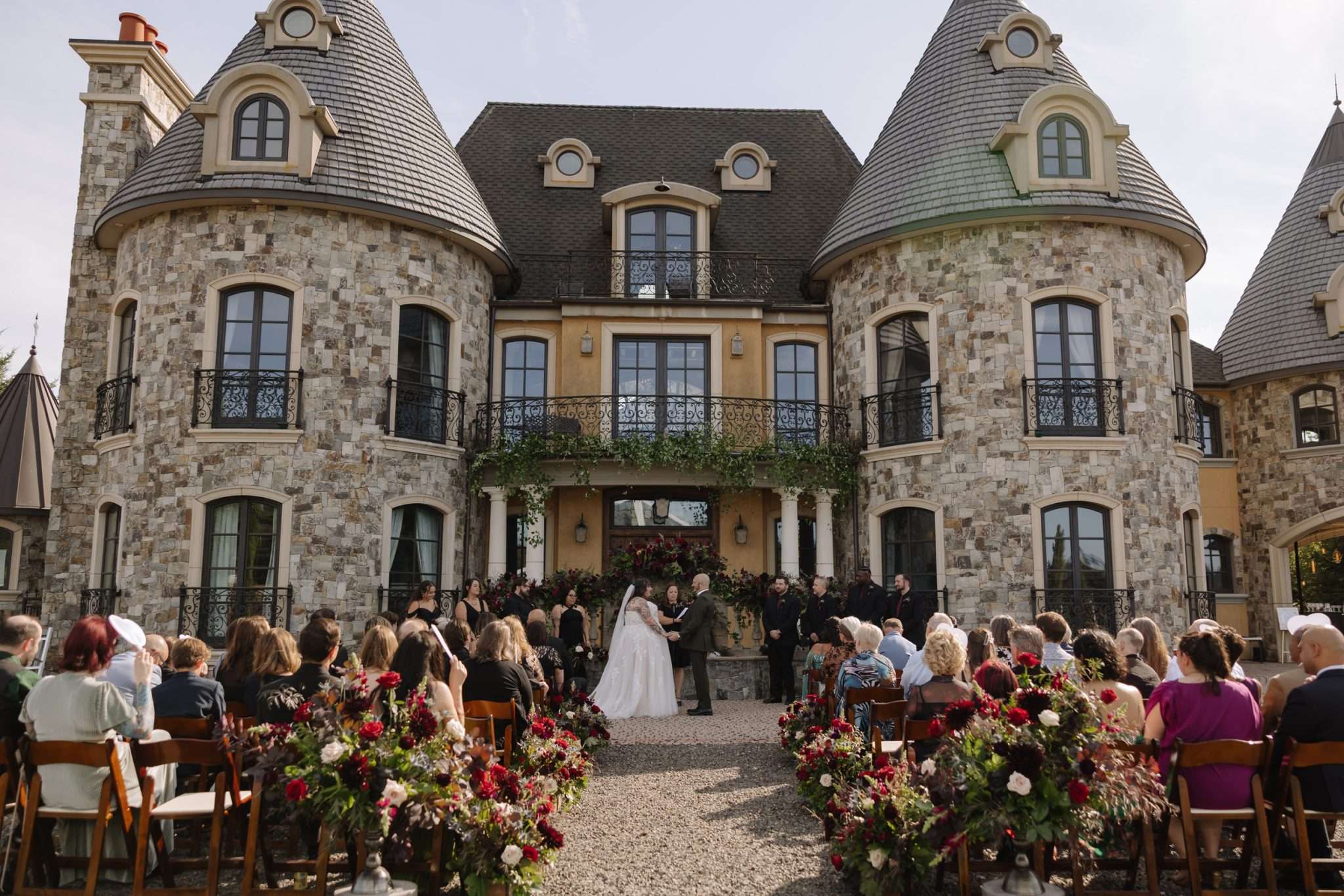
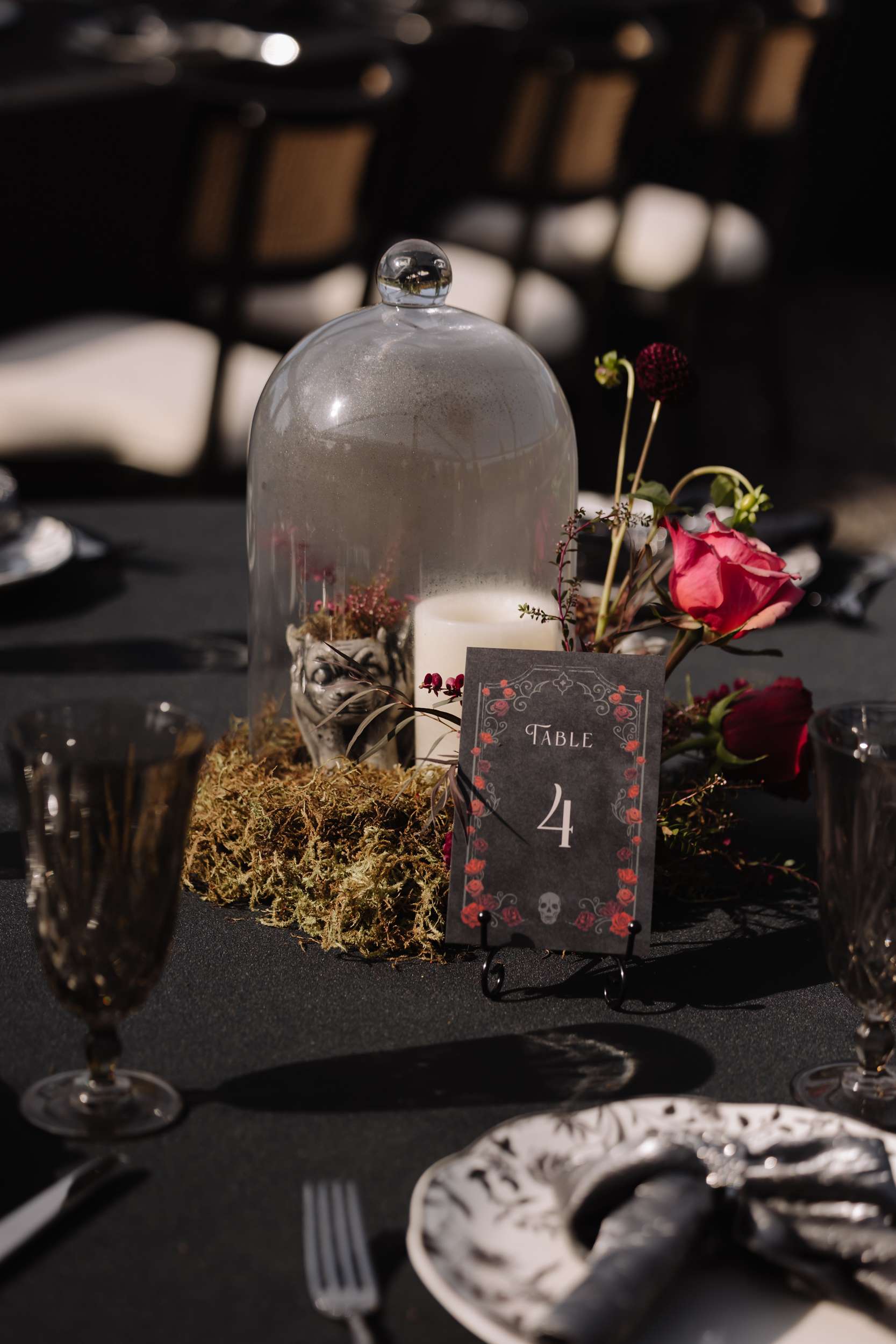
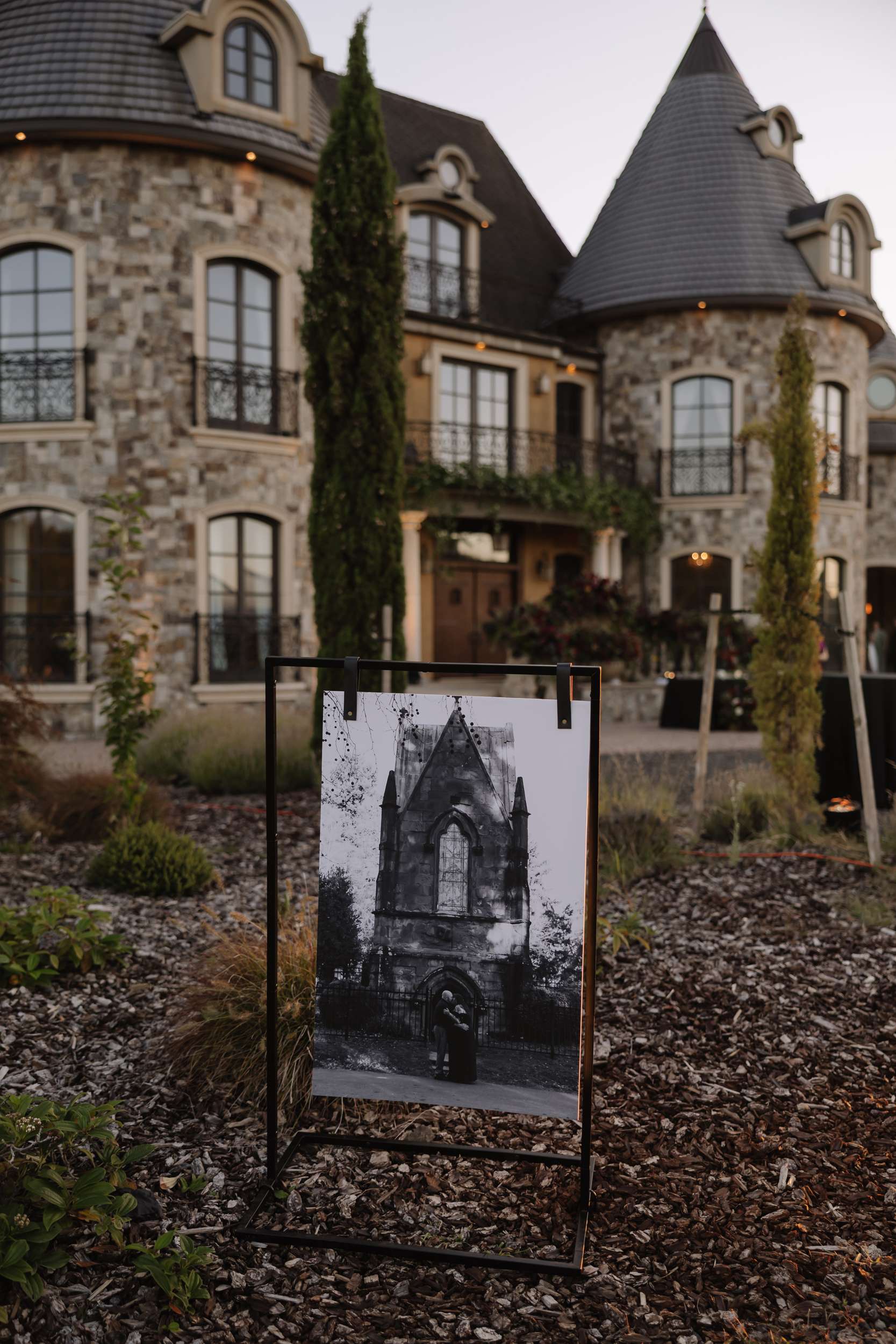
The couple’s vision was heavily influenced by the architecture of the venue itself. The Chateau de Harpe, known for its stoic, stone-carved gargoyles, provided the perfect canvas for their dark, romantic vision. By incorporating layers of lush moss, deep floral arrangements, and atmospheric garden lighting, the couple transformed the castle grounds into an immersive experience that felt like a page pulled from a piece of classic gothic literature.
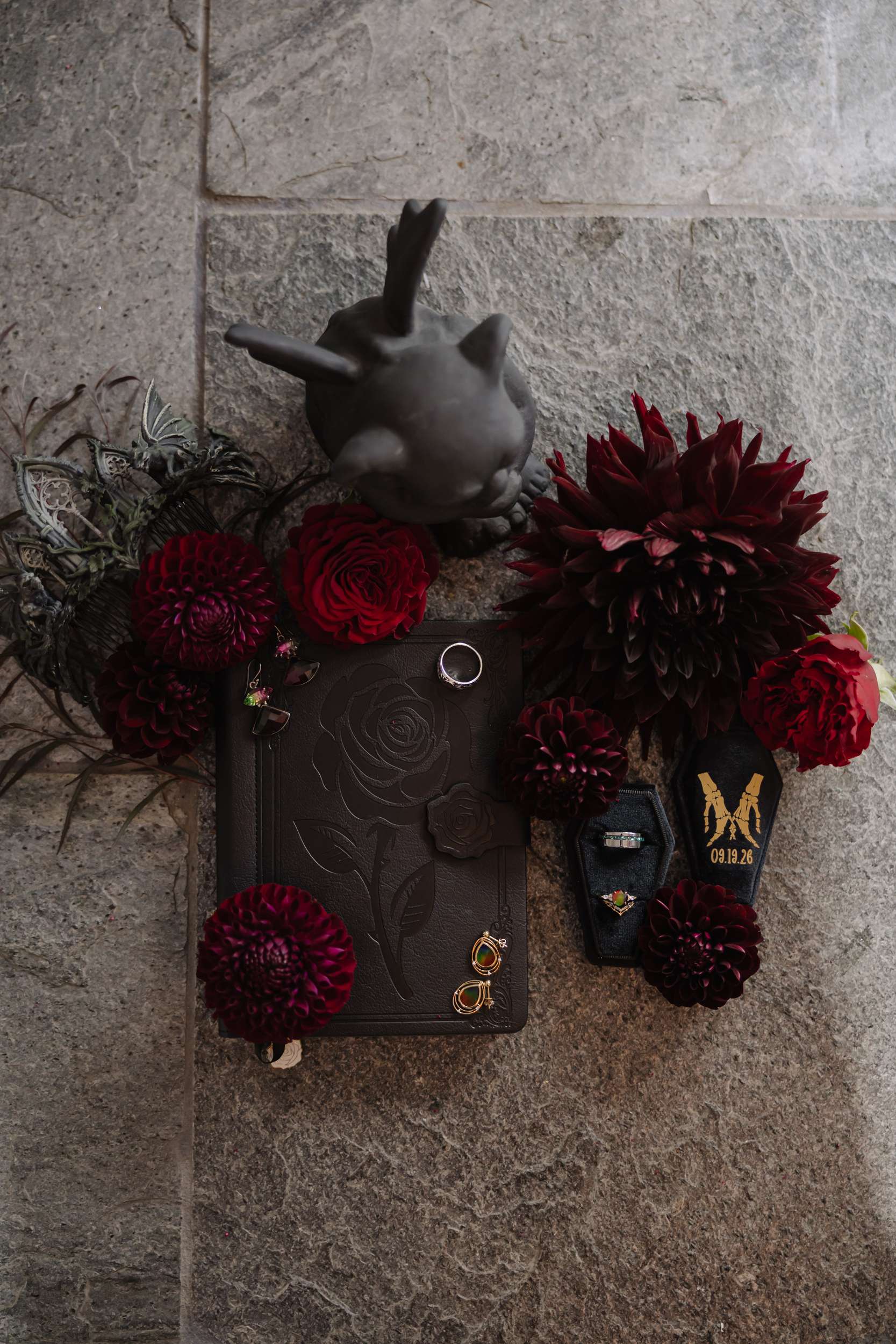
The event was a testament to the power of intentionality. Every detail—from the custom artwork on the cocktails to the hand-crafted matchbooks—was designed to reflect the couple’s shared personality. It was not merely a ceremony of union, but an exhibition of their collaborative creative spirit.
Chronology: From Planning to the Midnight Hour
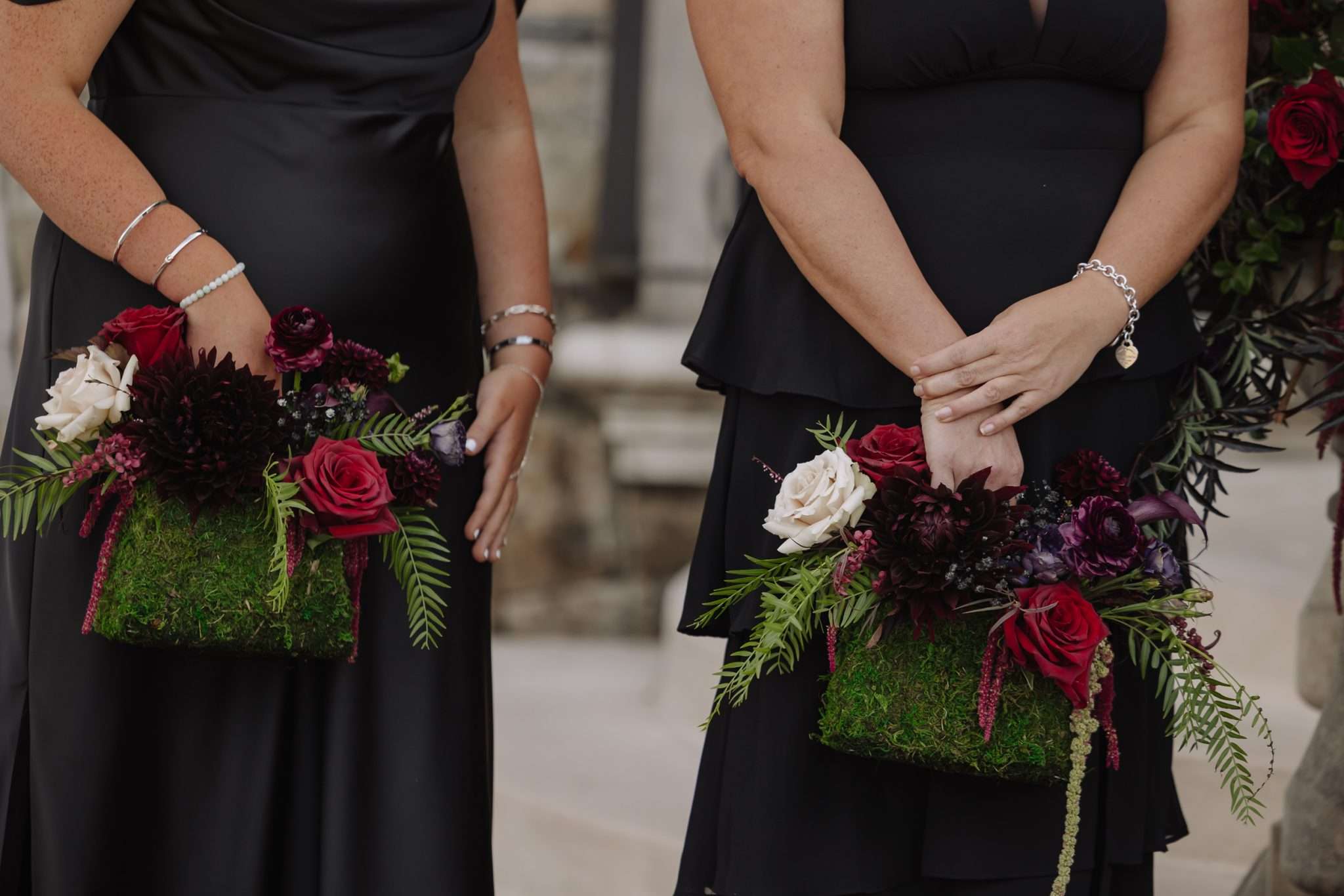
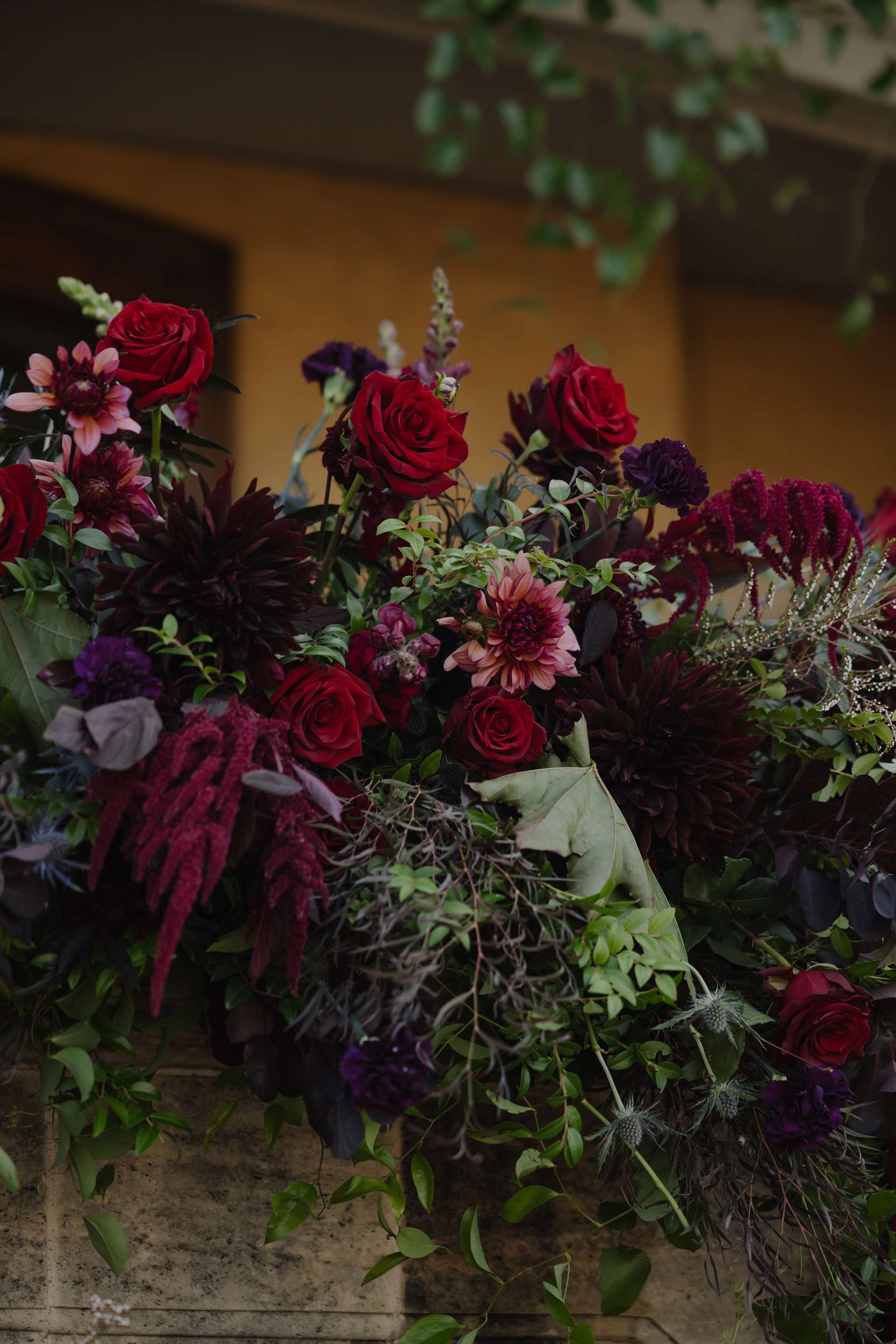
The journey toward the big day was as much about the process as the result. For Averi and Roy, the preparation phase was a bonding experience, particularly their collaboration with florist Bella Bloom.
The Preparation Phase
Early in the planning, the couple realized that finding vendors who truly understood their "spooky, vintage, and sultry" vision was paramount. They placed a high value on collaboration, viewing their vendors as creative partners rather than mere service providers. The floral design, in particular, became a cornerstone of the wedding’s visual identity.
The Ceremony
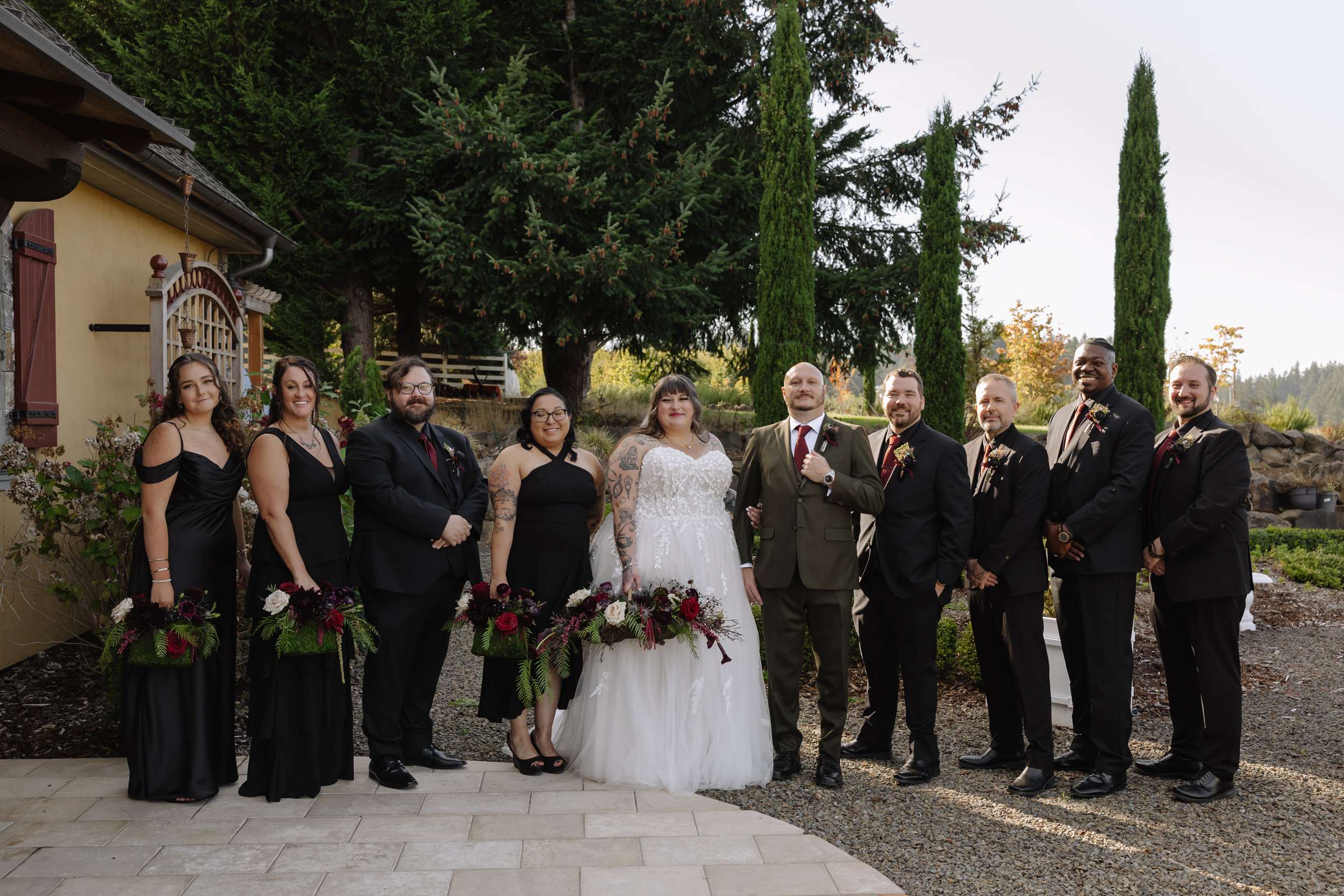
Breaking with the "first look" trend, the couple opted for the traditional suspense of seeing one another for the first time at the altar. The ceremony was intimate and steeped in literary tradition, with the couple choosing to read gothic poetry rather than standard vows. This decision underscored their desire for a celebration that felt authentic to their interests rather than dictated by societal expectations.
The Reception
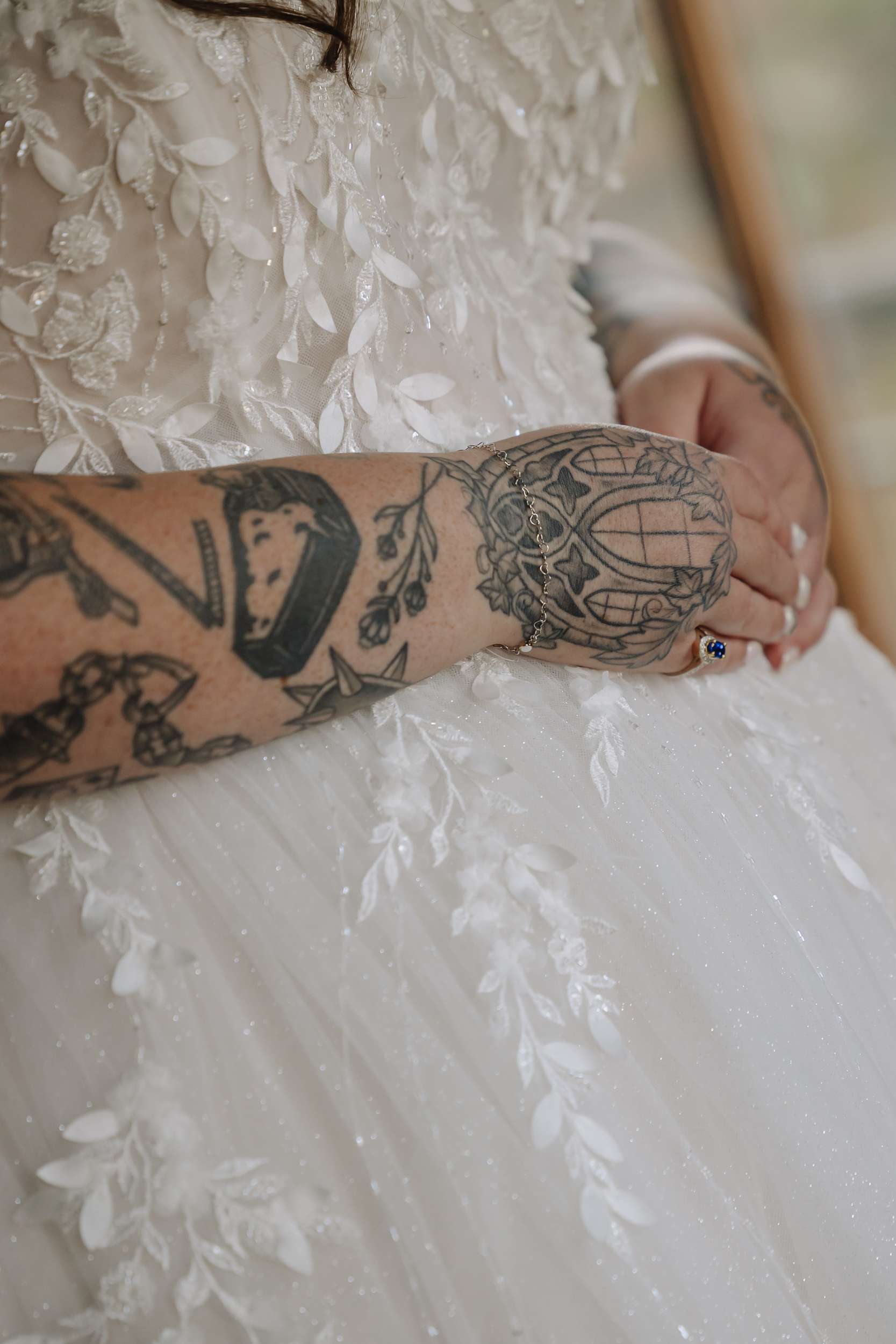
Following the ceremony, the atmosphere shifted into a sophisticated, moody reception. The couple curated a guest experience that was both engaging and whimsical. A temporary tattoo station, featuring custom designs drawn by the bride herself, allowed guests to take home a piece of the wedding’s unique aesthetic. The reception also highlighted the couple’s humor, with a cocktail menu that featured drinks named for their cats, Lucie and Pepper, complete with edible, dissolvable portraits of the felines.
Supporting Data: The Art of DIY and Resourcefulness
One of the most impressive aspects of Averi and Roy’s wedding was the financial and environmental sustainability of their planning. By taking on the majority of the creative work themselves, they were able to keep costs down while ensuring the aesthetic was perfectly aligned with their vision.
Strategic Reuse and Sustainability
Sustainability was woven into the fabric of the decor. A notable example was the use of moss throughout the venue. Recognizing the waste that often accompanies large-scale floral installations, the couple sourced moss previously used in a family member’s wedding from the prior September. This "second-life" approach to decor not only reduced the carbon footprint of the event but also added a layer of family history to the castle setting.
The Crafting Process
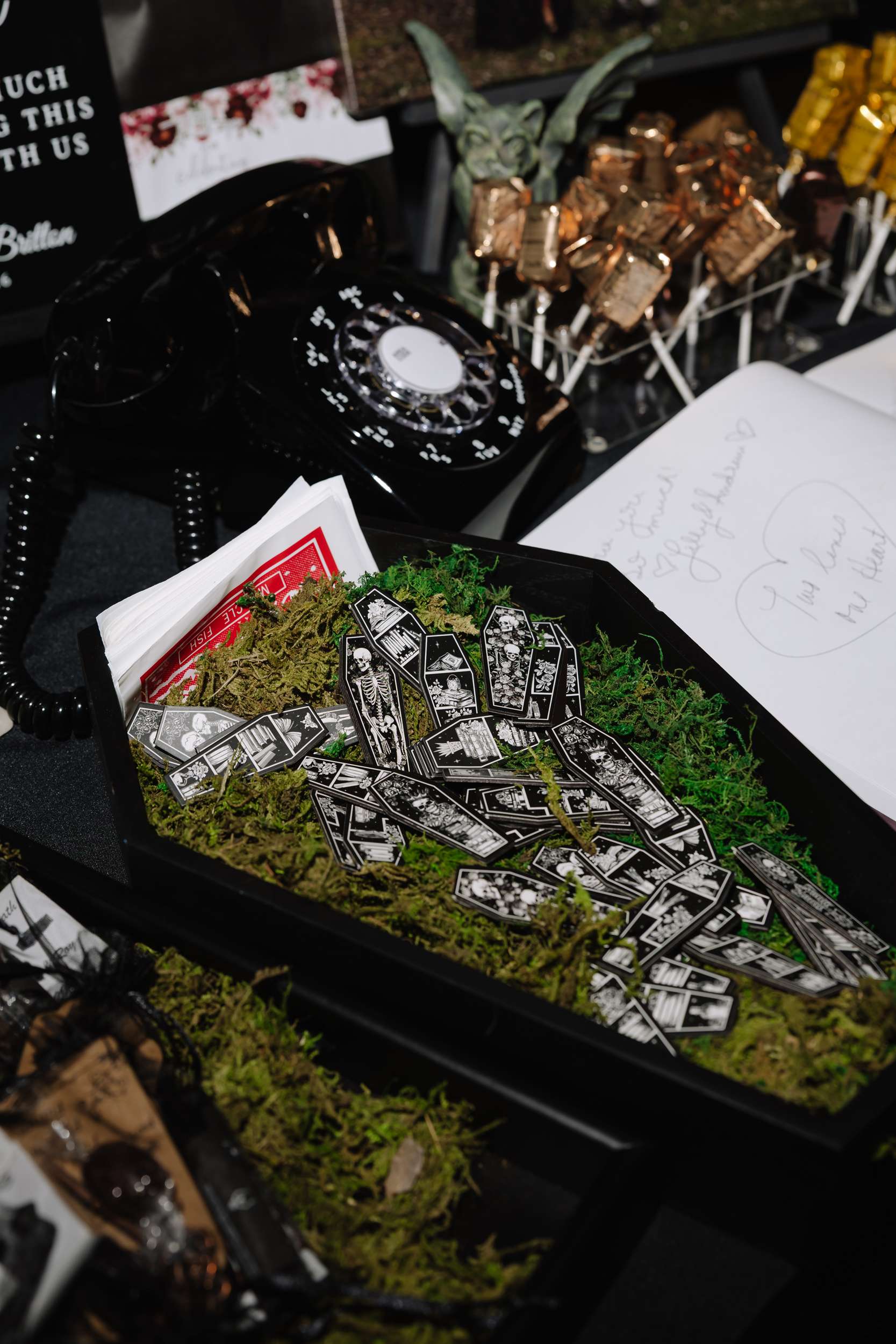
The couple’s commitment to DIY extended to the smallest details:
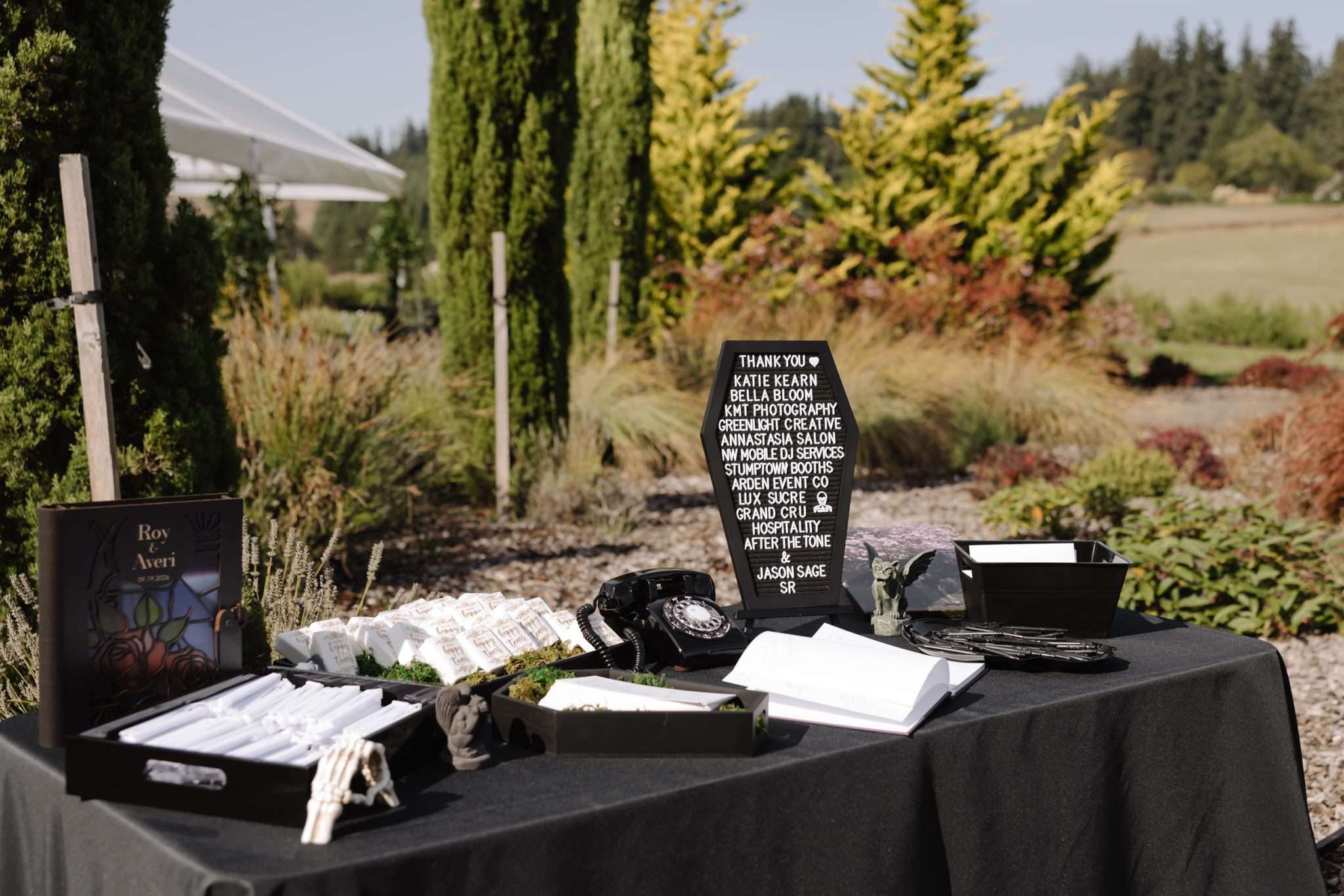
- Favors: Averi produced handmade, rhinestoned matchbooks and custom lip balms.
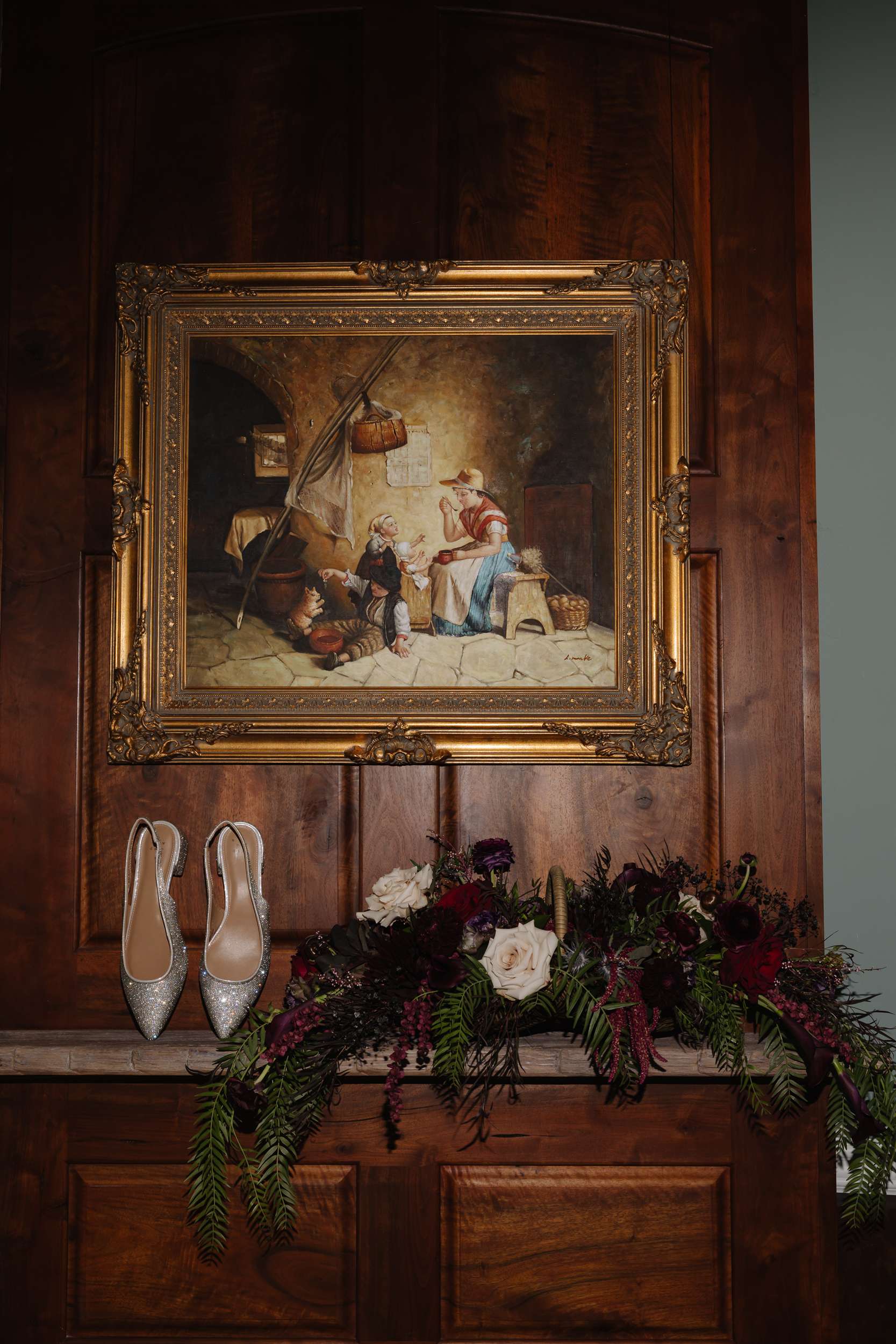
- Boutonnieres: These were uniquely crafted from crystals and moss, a departure from traditional floral designs that perfectly matched the gothic theme.
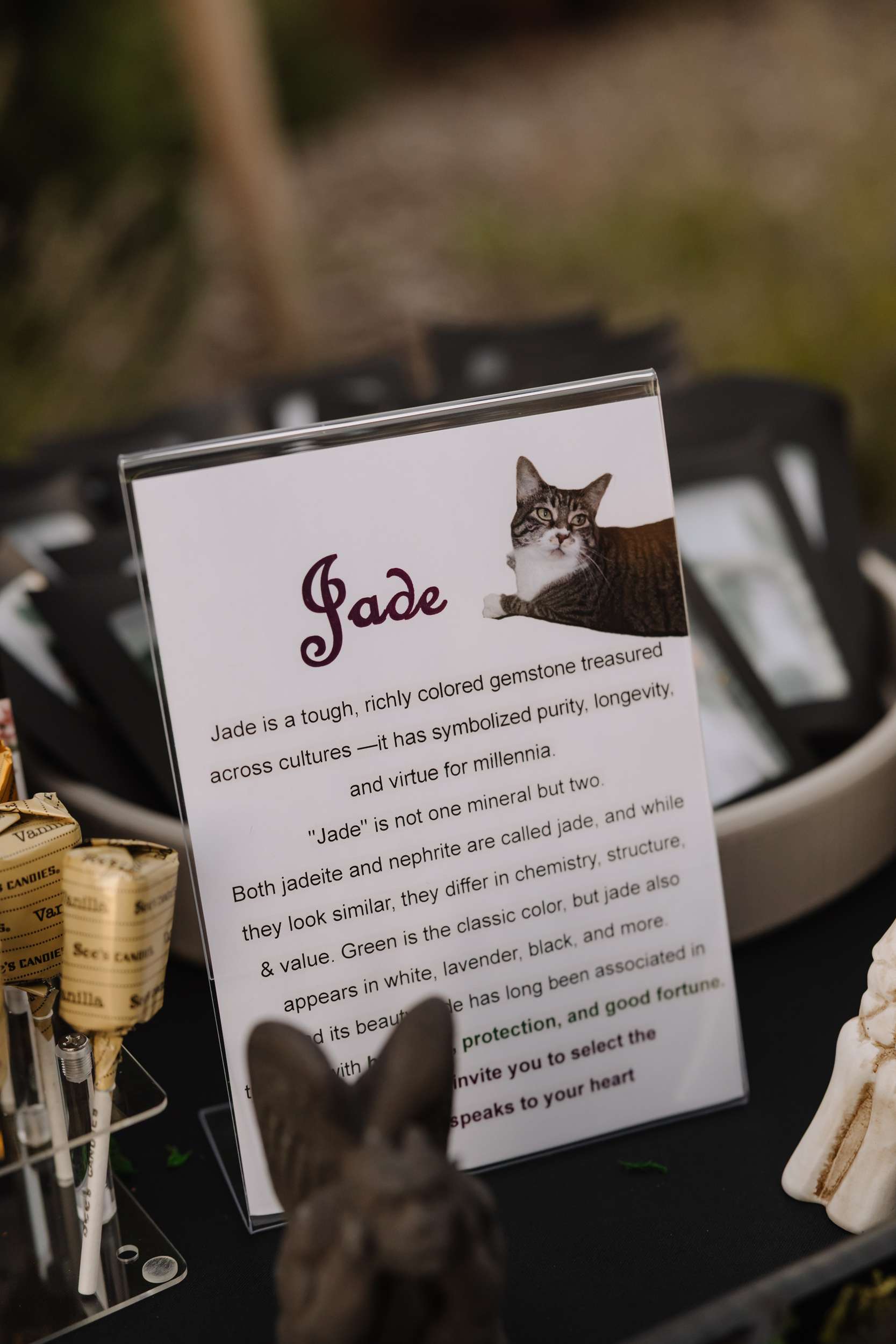
- Interactive Elements: The "trinket bag" station allowed guests to curate their own memories, turning the act of taking home a favor into an activity.
Averi noted that their budget constraints actually fueled their creativity. "If we’d had more to spend, we would have gone even wilder with our floral installations," she reflected, noting a desire for "ivy and flowers dripping everywhere" and "moss in the fountains." Despite these limitations, the final result was a cohesive, high-impact environment that felt far more expensive than it actually was.
Official Responses and Reflections
The success of the wedding, according to the couple, was largely due to the alignment of their vendor team. Averi and Roy were vocal about the necessity of "pivoting" when a professional relationship doesn’t feel right.
"Our vendors were instrumental in the success of our exquisite day," Averi stated. "They understood the venue. They were collaborative and passionate about our vintage, sultry, spooky vision."
Their advice to future couples is rooted in this experience: "Be open to change and pivot if a wedding vendor is not meeting your needs." This professional approach to wedding planning—treating it as a project that requires a shared vision—allowed them to navigate the complexities of a large event without compromising their artistic integrity.
Bella Bloom, the florist, was singled out as a standout partner. The couple described the process of working with them as a "delight," noting that the florist’s genuine excitement for the gothic concept made the planning process feel less like a transaction and more like a shared creative venture.
Implications: The Shift Toward Thematic, Personalized Nuptials
Averi and Roy’s wedding at the Chateau de Harpe is reflective of a larger, growing trend in the wedding industry: the move away from "white-wedding" homogeneity toward deeply personal, thematic celebrations.
Breaking Traditions
The couple’s deliberate omission of traditional reception staples—such as the garter toss and the cake-smashing ritual—speaks to a generational shift in how couples view marriage ceremonies. For modern couples, the wedding is increasingly viewed as a celebration of the partnership’s unique identity rather than a performance of standardized societal roles.
The "Moody" Aesthetic
The rise of "moody" or "gothic" aesthetics in the bridal space is more than just a passing fad. It represents a reclaiming of space for unconventional beauty. By embracing shadows, fog, and darker color palettes, couples are creating spaces that feel more intimate and "real" than the hyper-saturated, bright-light aesthetic that dominated the 2010s.
The Value of Professional Collaboration
The implications of the couple’s success also point to the changing role of the wedding planner and vendor. As couples become more educated and design-conscious, they are seeking vendors who act as consultants rather than mere order-takers. The ability of a vendor to "get" a niche aesthetic is becoming a primary qualification for hire, shifting the balance of power toward creative, specialized professionals.
Conclusion
Averi and Roy’s wedding was a triumph of personality and planning. By staying true to their "spooky," romantic vision, they created a day that was not only memorable for those in attendance but also served as a roadmap for how to plan a wedding that is both sustainable and uniquely one’s own. From the gargoyles of the Chateau de Harpe to the personalized cocktails celebrating their cats, the event proved that the most successful weddings are those that dare to be different.
As the industry continues to evolve, the legacy of this wedding will likely be the reminder that, regardless of budget or venue, the most important element of any celebration is the intentionality behind the details. For those planning their own nuptials, the lesson is clear: find your tribe, trust your vision, and never be afraid to add a little bit of darkness to your light.