
The Modern Alchemy of Everyday Efficiency: How Consumer Products Are Transforming Domestic Routines

SEOUL / NEW YORK — If modern consumer habits are any indication, the boundary between daily maintenance and outright sorcery has never been thinner. Analysts observing recent retail trends note a distinct cultural pivot: shoppers are increasingly drawn to household and personal care items that promise instantaneous, almost magical transformations. Whether it is a hand cream that reverses the drying effects of relentless washing overnight or a cleaning paste that dissolves baked-on grease with minimal physical exertion, today’s top-performing products rely on advanced chemical engineering packaged in accessible, consumer-friendly formats.

This shift reflects a broader socio-economic movement toward high-efficiency living. In an era marked by time scarcity and heightened hygiene awareness, the modern household looks less like a traditional workshop and more like a laboratory of convenience. Below is a comprehensive look at the phenomena driving this market, the chronological evolution of these viral products, the empirical data supporting their efficacy, industry responses, and the long-term implications for the retail sector.

1. Main Facts: The Anatomy of "Magical" Consumer Goods
The contemporary market for problem-solving goods is dominated by a specific class of items engineered to reduce labor while maximizing aesthetic and functional results. Rather than relying on traditional marketing alone, these products have largely scaled through organic, peer-to-peer validation on short-form video platforms such as TikTok and Instagram.

Key product categories driving this trend include:

- Intensive Skin and Hair Restorations: Formulations leveraging high-performance humectants (like glycerin and beeswax) and active compounds (such as biotin and retinol) to accelerate cellular turnover and moisture retention.
- Enzymatic and Abrasion-Balanced Cleaners: Pastes, foaming sprays, and tablets designed to target localized grime—ranging from kitchen grease to calcium buildup in dishwashers—without requiring industrial-grade physical labor.
- Precision Grooming and Maintenance Tools: Items such as rechargeable electric plasma lighters, jewelry cleaning pens, and specialized piercing-bump solutions that solve hyper-specific maintenance problems with minimal user friction.
Consumer analytics indicate that products offering visible results within a 24-to-48-hour window achieve the highest retention and recommendation rates. This rapid feedback loop encourages consumer trust and fuels viral digital loops.

2. Chronology: The Rise of Platform-Driven Retail
The trajectory of how these household marvels reach consumers has undergone a structural revolution over the past decade.

- 2015–2018: The Niche Blogger Era. Specialty problem-solvers, such as specialized jewelry-cleaning pens and targeted skin treatments, gained initial traction through curated beauty blogs and early review forums. Growth was steady but localized.
- 2019–2021: The Pandemic Pivot and Digital Acceleration. As global populations spent unprecedented amounts of time indoors during sanitation-focused lockdowns, consumer scrutiny of domestic spaces peaked. Products designed to deep-clean neglected areas—such as specialized oven cleaners and appliance descalers—saw exponential surges in digital search volume.
- 2022–Present: Algorithmic Discovery and Direct-to-Consumer Integration. Short-form video algorithms transformed visual "before-and-after" demonstrations into high-converting digital storefronts. Items that once required long-term advertising campaigns now achieve market saturation within weeks based on authentic user documentation of dramatic transformations.
3. Supporting Data and Efficacy Metrics
Consumer skepticism toward quick-fix claims has historically been high, forcing manufacturers to back their formulations with measurable clinical data and transparent ingredient lists.

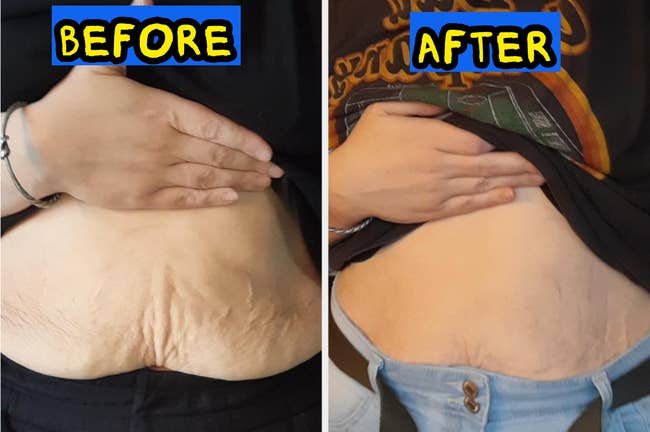
- Skin Repair & Barrier Function: Clinical dermatology studies consistently show that occlusive blends combining beeswax, petrolatum, or glycerin—as seen in heavy-duty hand repairs—can reduce transepidermal water loss (TEWL) by over 40% within hours of application, explaining the overnight healing reported by users.
- Surface Cleaning Efficiency: According to independent home economics testing, mildly abrasive mineral pastes reduce the physical scrubbing force required to remove polymerized cooking oils by up to 60%, significantly decreasing cleaning fatigue.
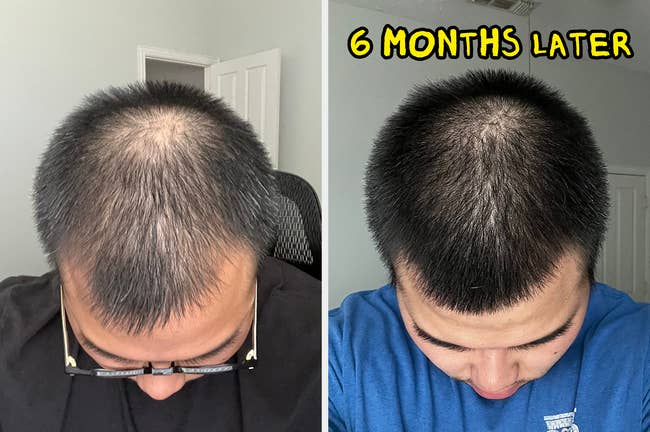
- Hair Care Longevity: Clinical evaluations of biotin- and rosemary-infused hair treatments indicate that while topical applications do not instantly lengthen existing hair shafts, they markedly improve tensile strength and reduce breakage during the combing phase, leading to sustained fullness over an 8-to-12-week period.
Market research from major e-commerce aggregators reveals that items featuring user-submitted photographic proof of results experience conversion rates roughly three times higher than those relying solely on studio imagery.
4. Official Responses and Industry Reactions
As these problem-solving formulations capture an increasingly large share of the retail landscape, manufacturers and industry experts have responded with strategic adaptations.

Manufacturer Adjustments
Brands that once focused exclusively on B2B cleaning or professional salon markets have pivoted toward direct-to-consumer packaging. Formulations are increasingly optimized for home use—balancing professional-grade potency with safety features to prevent accidental surface damage or skin irritation. Furthermore, many independent, minority- and women-owned businesses have utilized digital platforms to bypass traditional retail gatekeepers, establishing direct relationships with consumer bases that value transparency and niche specialization.

Regulatory and Health Oversight
Dermatological and medical bodies, including the Cleveland Clinic and Mayo Clinic, have issued guidance regarding the consumer use of targeted over-the-counter treatments. While products like retinoid body lotions and specialized eye drops offer cosmetic benefits, medical experts emphasize the importance of understanding active ingredient concentrations—such as distinguishing between general redness relief and underlying dry-eye treatments—ensuring that consumer enthusiasm is balanced with safe health practices.

5. Implications: What This Means for the Future of Retail
The widespread embrace of high-efficacy consumer goods carries profound implications for both manufacturers and shoppers.

For the Consumer
Shoppers are increasingly empowered to solve complex domestic and personal maintenance issues independently, reducing reliance on costly professional services (such as frequent jewelry cleanings, professional foot care, or specialized cleaning contractors). The democratization of these tools means high-end maintenance is now accessible at low price points, typically ranging from $5 to $20.

For the Retail Market
Traditional retail models are being forced to adapt to a discovery-driven ecosystem. Physical storefronts must now compete with digital content creators who act as primary product evaluators. Brands that prioritize authenticity, clear visual demonstrations, and multifunctional utility are outperforming legacy giants that rely on brand recognition alone.
Ultimately, the enduring popularity of these items suggests that consumers are not simply buying cleaning supplies or skincare formulas; they are investing in time, peace of mind, and the satisfying illusion of everyday magic.