
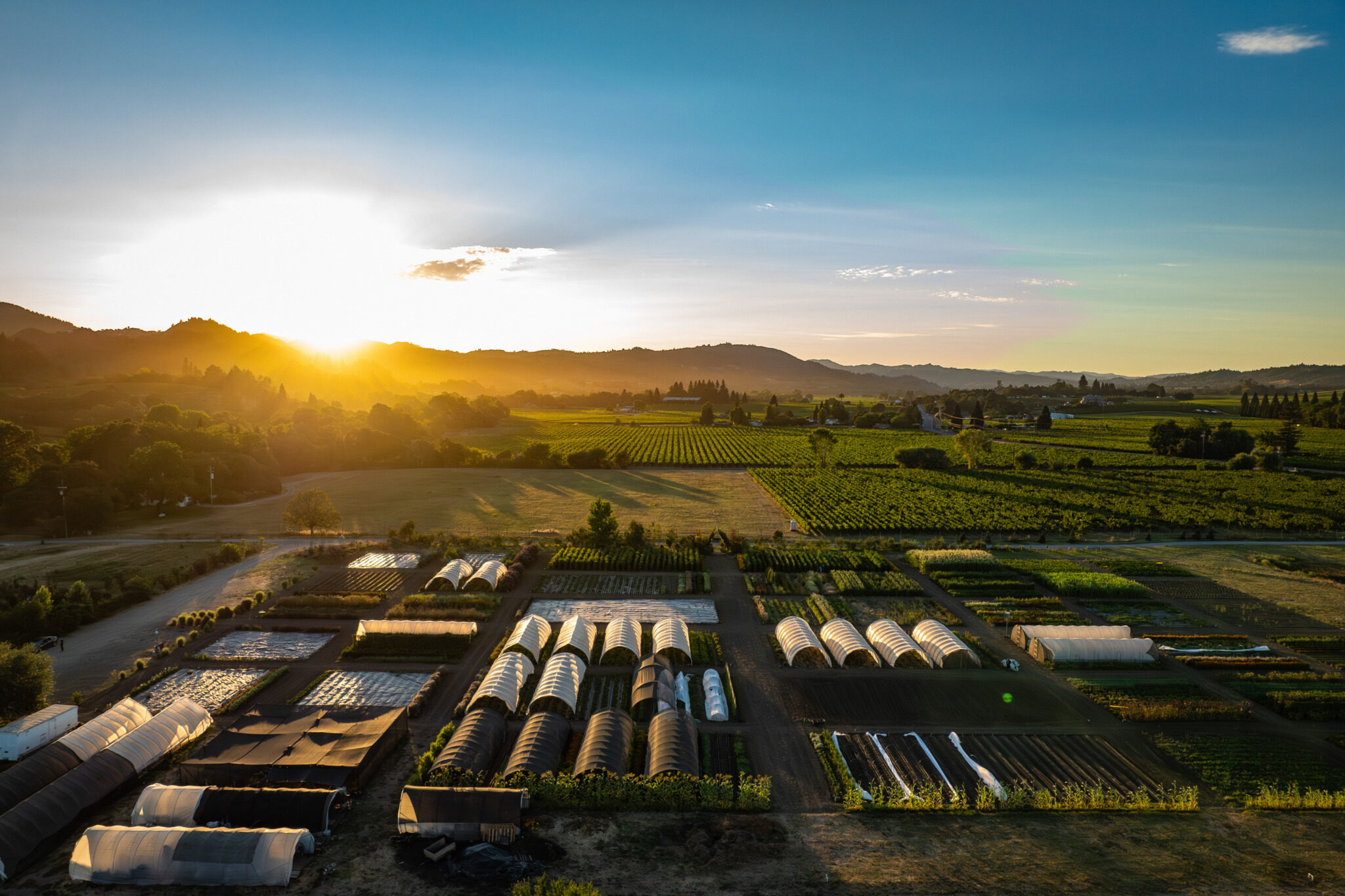
In the rolling, sun-drenched expanse of Northern California’s Dry Creek Valley, the boundary between the soil and the table is intentionally blurred. At the heart of this agrarian philosophy lies SingleThread Farm, a 24-acre sanctuary that serves as the laboratory and soul for the world-renowned, three-Michelin-starred restaurant and inn founded by Katina and Kyle Connaughton.
This October, the estate hosted its second annual FieldNotes summit—a high-level gathering of chefs, viticulturists, artisans, and sustainability advocates. While the event offered a comprehensive look at the Connaughtons’ expanding global footprint, the true narrative of the weekend centered on a singular, ancient object: the donabe. Through the lens of this traditional Japanese earthenware pot, the summit explored how historical craftsmanship can dictate the rhythm of modern hospitality and the ritual of shared experience.
The Connaughton Expansion: From Dry Creek to Kyoto
For nearly a decade, the Connaughtons have refined a brand of hospitality that prioritizes intentionality. Their approach is not merely about serving food; it is about chronicling the journey from seed to service. This philosophy is now moving beyond the borders of Sonoma County.
In March, the couple launched SoNoMa by SingleThread within the luxurious Capella Kyoto in Japan, marking their first international venture. This global expansion continues in November with two significant milestones: the release of their book, SingleThread: A Seasonal Approach to Intentional Cooking, Farming, and Hospitality, and the opening of The Selvedge. This new bed and breakfast property, designed in partnership with the acclaimed firm AvroKO, represents a daring departure from traditional luxury. Overlooking the Russian River, the property weaves together Victorian charm and California comfort with a distinct "punk spirit," reflecting the couple’s refusal to adhere to industry conventions.
A Chronology of Craft: The FieldNotes Experience
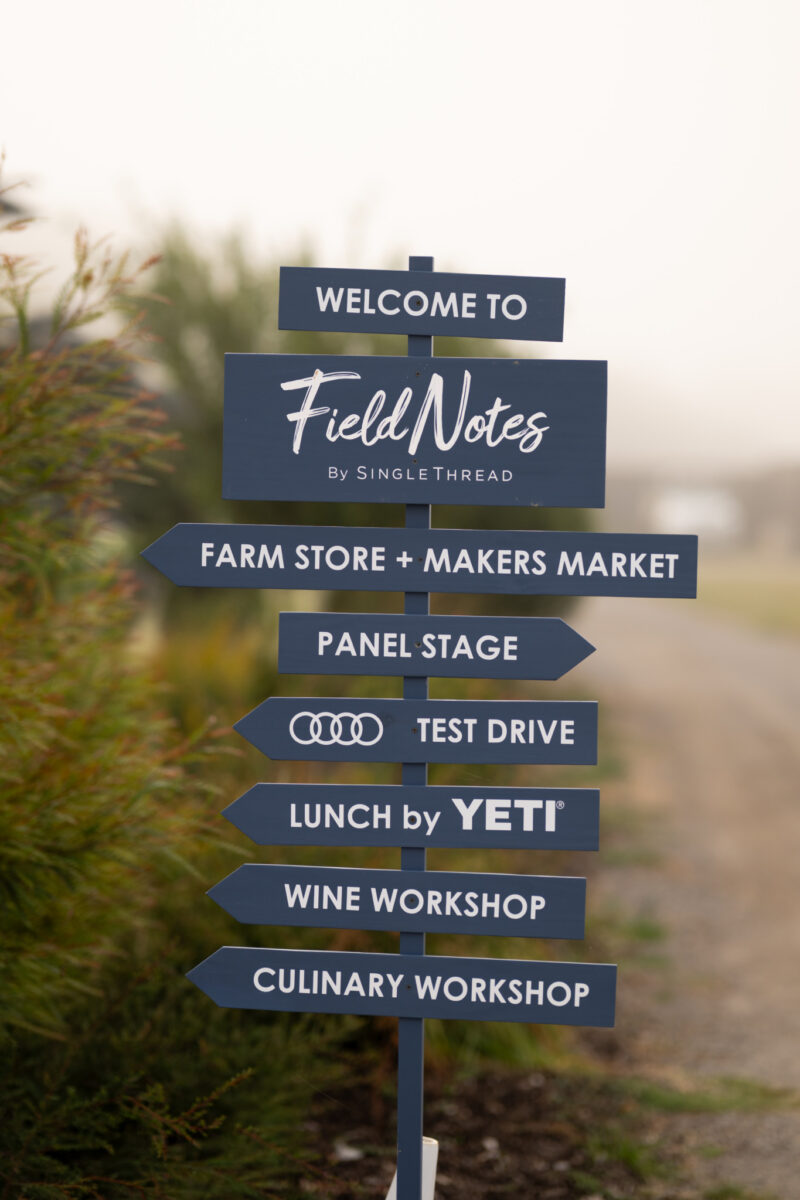
The FieldNotes summit functioned as a masterclass in the intersection of land and craft. Guests arrived in the morning mist, greeted by Director of Events and Partnerships Zach Dorman. The day was structured to prioritize hands-on immersion over passive observation.
Morning: The Philosophy of the Vessel
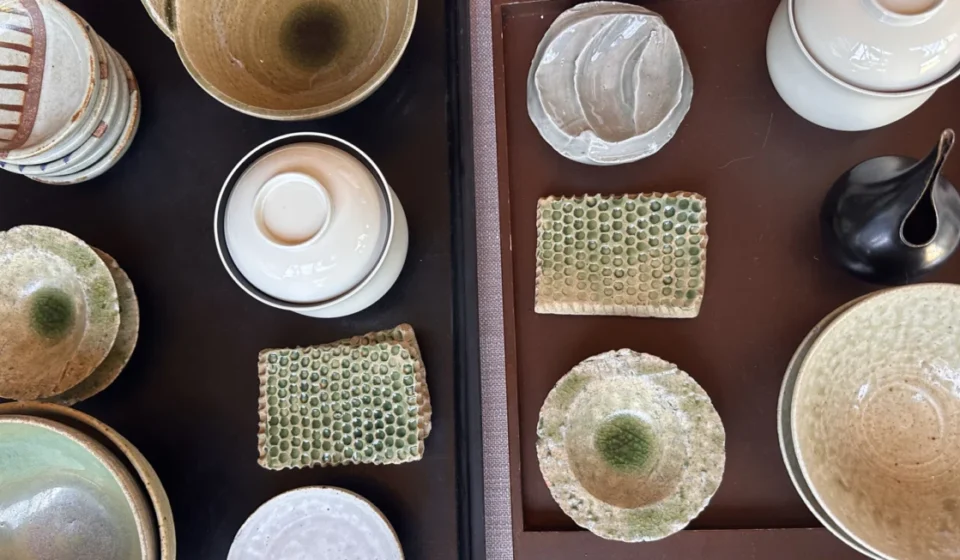
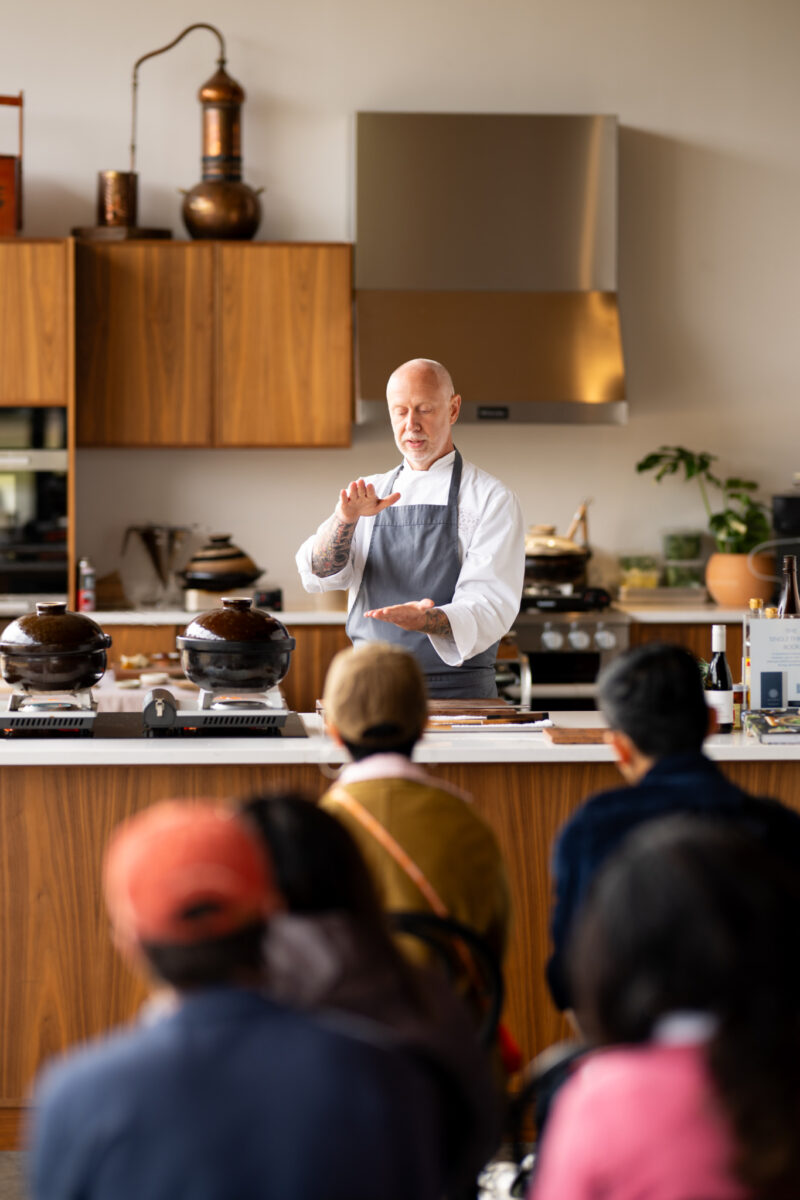
The centerpiece of the morning was the "Advanced Donabe: Smoke, Fire & Seasonal Technique" workshop. Chef Kyle Connaughton led the session, drawing from his deep personal history with Japanese culture. A key moment occurred when participants encountered an out-of-print copy of The Fine Art of Japanese Food Arranging by Yoshio Tsuchiya. Connaughton noted that this text has long been mandatory reading for his culinary team, serving as a foundational guide for the aesthetic and structural presentation of food.
Midday: From Soil to Spirits
Following the workshop, the focus shifted to the "Garden to Glass" session led by cocktail expert Scott Beattie. Participants moved into the fields to harvest ingredients, demonstrating that the "farm-to-table" ethos extends to mixology. The highlight was a dehydrated heirloom pineapple tomato chip, a garnish that exemplified the patience required in high-end food design.
Afternoon: The Keynote and Collaboration
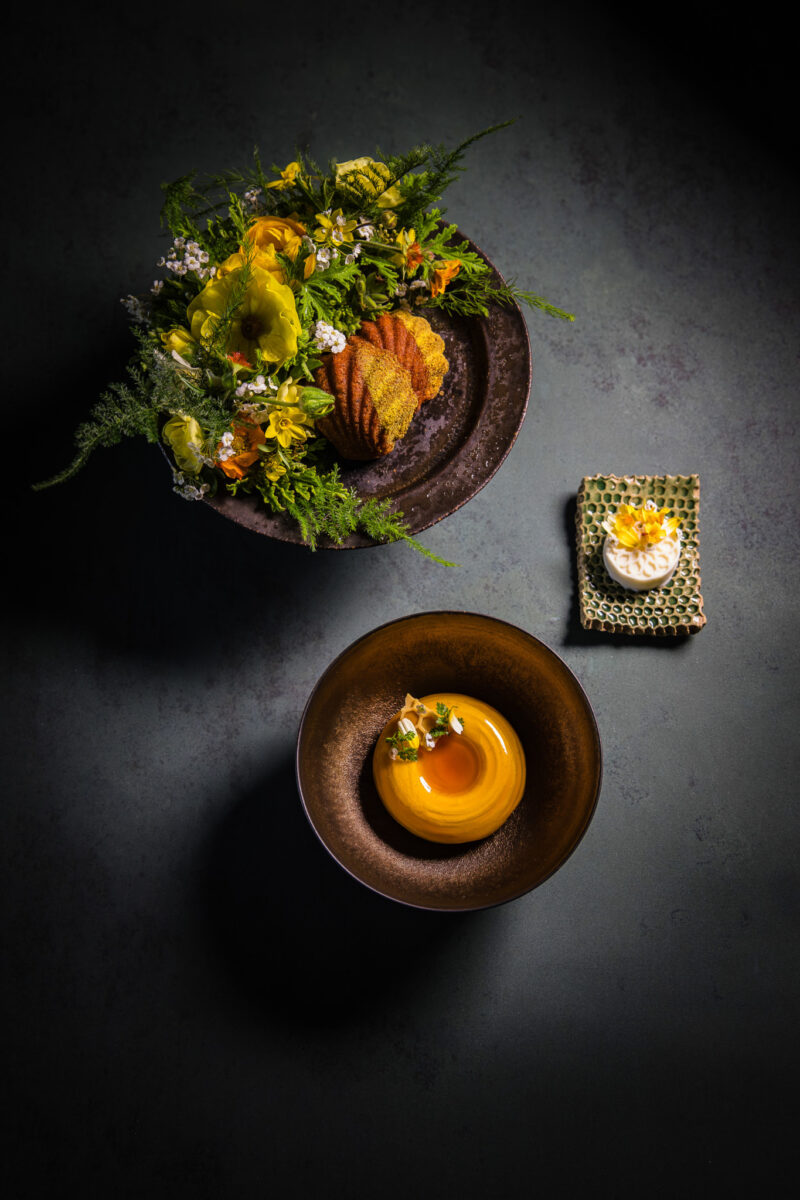
The afternoon featured a dialogue on memory and place between the Connaughtons and Chef Alon Shaya. This discourse bridged the gap between personal narrative and professional practice. The day culminated in a collaborative 10-course dinner featuring Chef Brian Limoges of the three-Michelin-starred Enclos. The menu was a testament to regional synergy, showcasing the bounty of the Dry Creek Valley and signaling a new era of collaborative fine dining in Northern California.
The Donabe: A Case Study in Material Science
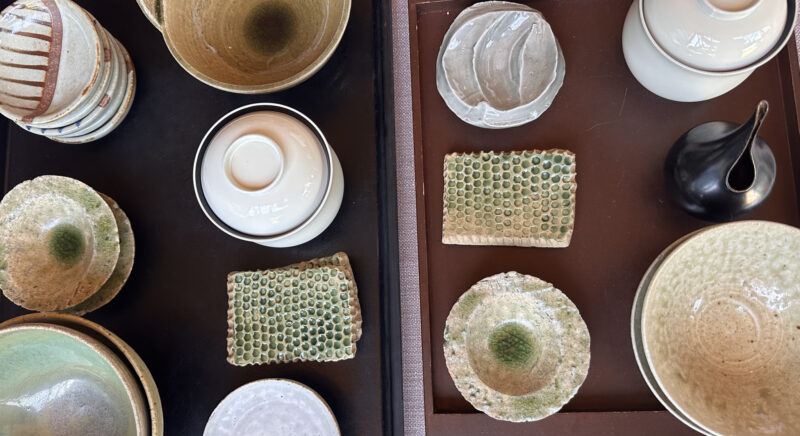
The technical core of the FieldNotes summit was the study of the donabe. While many equate the pot with simple hot-pot cooking, Connaughton and his team presented it as a sophisticated, high-performance cooking technology.
The Terroir of Clay
The most prestigious donabe are crafted in Iga, Japan, by the Nagatani-en family, who have been producing these vessels since 1832. The "secret" to their efficacy lies in the geological history of the region. As Kyle Connaughton explained, the Iga clay originates from a prehistoric lakebed.
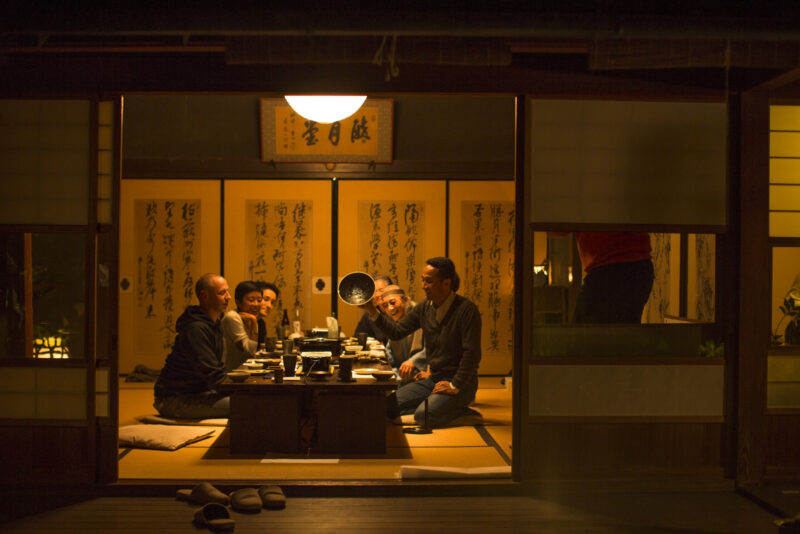
"The magic of the Iga clay is really its terroir," Connaughton stated. "The clay was underwater hundreds of thousands of years ago and is filled with layers of tiny fossils. This leads to the porous nature of the donabe after firing. It’s that porous design that causes the pot to heat slowly and evenly, and cook with such intensity."
Comparative Analysis: Donabe vs. Modern Cookware
Unlike cast iron or stainless steel, which heat rapidly and often unevenly, the donabe acts as a thermal battery. The porous structure allows for a slow, deep release of heat that preserves moisture in delicate proteins and vegetables.
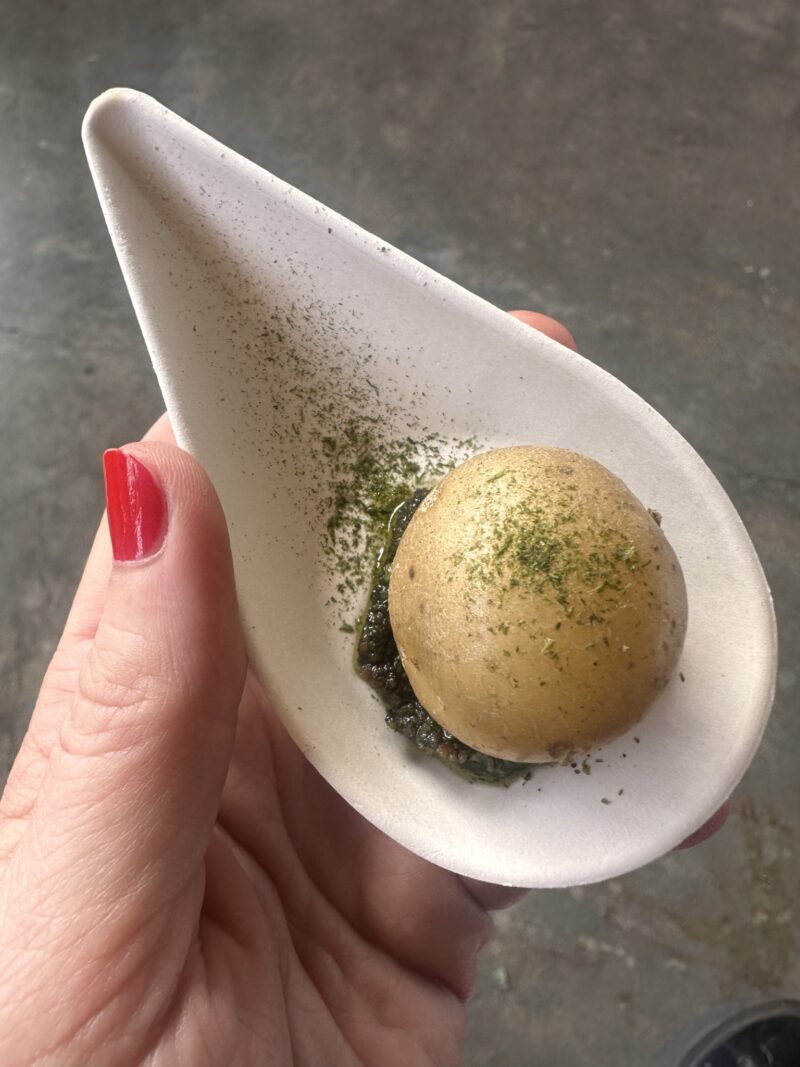
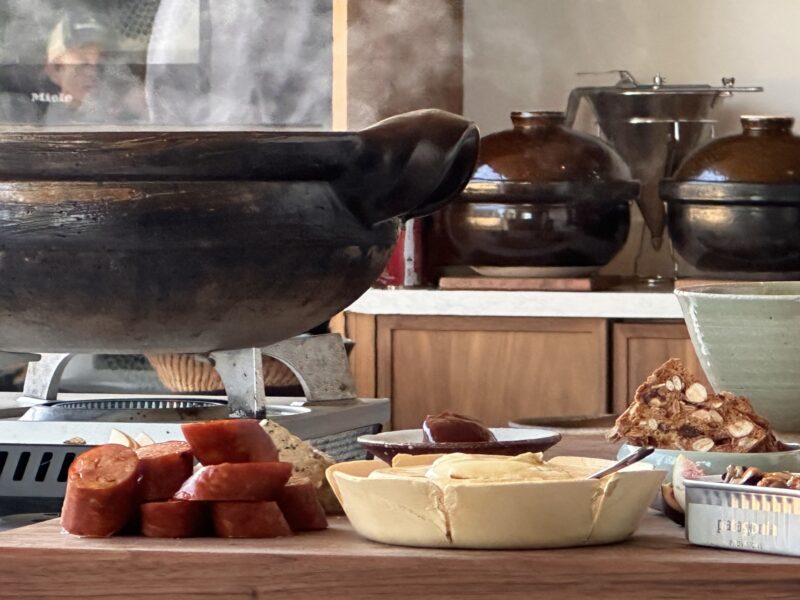
During the workshop, the culinary team demonstrated the "Ibushi Gin" smoker, a specialized donabe that creates a pressurized smoke environment. By placing water around the rim to create a vapor seal, the chefs trapped cherry blossom wood smoke inside the vessel, infusing salmon with a delicate, ephemeral flavor that would be impossible to achieve with a standard smoker.
Implications for Modern Hospitality
The success of FieldNotes and the Connaughtons’ continued influence suggest a shift in the fine-dining industry. The modern diner is no longer satisfied with mere luxury; there is a growing demand for "narrative consumption"—the desire to understand the history, the labor, and the physics behind a meal.
The Temporal Design of Eating
One of the most profound takeaways from the summit was the concept of "temporal design." Modern dining is often rushed. The donabe forces a slower pace. Whether it is the anticipation of lifting the lid to release a cloud of aromatic smoke or the communal act of adding ingredients to a shared pot, the vessel dictates the speed of the interaction. It transforms dinner from a transaction into a ritual.
Sustainability through Provenance
The Connaughtons’ commitment to local producers, such as their collaboration with Journeyman Meat Co. for charcuterie or their work with local turkey farmers to raise specific, gamey DuClair ducks, serves as a model for sustainable luxury. By controlling the supply chain, they ensure that the quality of the raw ingredient is never compromised.
Looking Forward: The Future of the Table
As the summit concluded, the impact of the FieldNotes philosophy was evident in the attendees, many of whom—like the author—found themselves in the Farm Store purchasing their own donabe before departure.
The choice of a Mushi Nabe (a steaming donabe with a removable grate) by many guests signifies a desire to take the lessons of the summit home. It is a return to the basics: heat, clay, water, and fire. The "seasoning" of a new pot—a traditional process of simmering rice porridge in the vessel to fill the pores of the clay—is a symbolic gesture. It marks the transition of the pot from a commercial object to a domestic heirloom.
For the Connaughtons, the future is not just about expanding their restaurant group; it is about expanding the conversation around food. By providing a forum for dialogue and a deep dive into the historical tools of the kitchen, they are fostering a community that values the slow, intentional, and deeply connected way of living. As autumn descends on California, those who attended FieldNotes will undoubtedly find themselves reaching for their pots, turning a simple Tuesday night dinner into a lingering, atmospheric ceremony—a practice that, in a world of instant gratification, feels increasingly revolutionary.