The Architecture of Attention: What Event Planners Can Learn (and Avoid) from Casino Design

LAS VEGAS — At first glance, the neon-drenched, maze-like floor of a Las Vegas casino and the meticulously scheduled, highly functional environment of an international trade show floor appear to exist in entirely different universes. One is built on the pursuit of chance, adrenaline, and timeless escape; the other is engineered for business efficiency, networking, and measurable professional ROI.
Yet, beneath the surface, both worlds rely on a profound understanding of spatial psychology. As the events industry increasingly prioritizes design as a core strategic pillar—a dominant talking point at major convenings like IMEX America—event planners are beginning to look beyond traditional hospitality playbooks. They are examining the high-stakes, highly calculated world of casino architecture to see what concepts can be successfully adapted, and what elements should firmly be left behind.
Main Facts: The Intersection of Space and Psychology
The parallels between designing a casino floor and planning a large-scale corporate event or trade show come down to a single core discipline: human-centric spatial design.
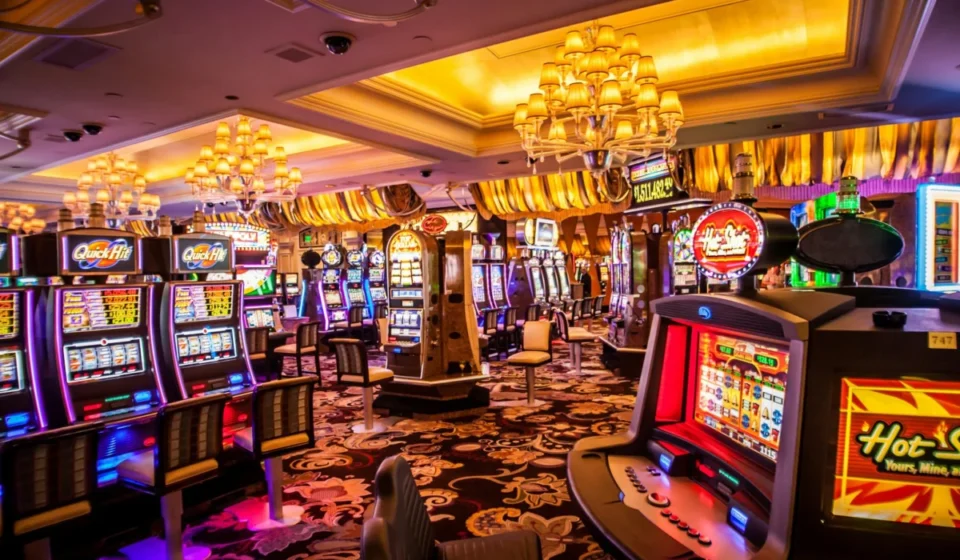
Industry experts point out that both environments seek to alter a visitor’s perception of time and space. Casinos famously achieve this by eliminating clocks and windows, deploying labyrinthine layouts that encourage lingering, and using ambient lighting to create an immersive, isolated bubble. Similarly, successful conferences utilize strategic lighting, deliberate acoustic zoning, and curated floor plans to keep attendees engaged, focused, and moving purposefully.
However, the underlying motivations diverge sharply. While a casino’s structural philosophy historically aimed to maximize dwell time and capitalize on psychological triggers to keep players gaming, modern event design—particularly championed by industry leaders at IMEX—pivots toward compassion, respect for attendees’ time, and intentional de-escalation.
Chronology: The Evolution of Casino and Event Design Philosophies
To understand how these two industries intersect today, it is helpful to trace how spatial design has evolved over the decades.
- The Mid-to-Late 20th Century (The Traditional Era): Pioneered by figures like Bill Friedman, casino design was dominated by a strictly utilitarian, low-ceiling, and maze-like approach. Friedman analyzed the operations of dozens of properties to engineer layouts that funneled patrons past maximum numbers of gaming machines.
- The Late 1990s to 2000s (The Resort and Spectacle Era): Visionaries like Roger Thomas revolutionized Las Vegas design with the opening of properties like the Bellagio. Moving away from claustrophobic mazes, Thomas introduced high ceilings, open layouts, botanical displays, and opulent, resort-style aesthetics that prioritized guest comfort and visual luxury.
- The Modern Era (The Digital Disruption): With the proliferation of smartphones and mobile gaming apps, the traditional rationale for trapping players in a physical maze began to shift. As University of Nevada, Las Vegas (UNLV) hospitality expert Juliana Rodrigues Vieira Tkatch points out, guests can now gamble anywhere on their devices. Consequently, physical casinos must offer an environment where people want to be, rather than one they are trapped in.
- The Contemporary Event Landscape: Concurrently, event planners have shifted away from overstimulating trade show floors toward "universal design." Modern events incorporate cognitive ergonomics, recognizing the needs of neurodivergent attendees and balancing high-sensory networking hubs with designated quiet spaces for recovery and disengagement.
Supporting Data and Industry Insights
The fusion of architectural strategy and attendee psychology is backed by distinct data points and insights from leading hospitality and design professionals.
The Power of Integrated Infrastructure
Juliana Rodrigues Vieira Tkatch, assistant professor in residence at the UNLV William F. Harrah College of Hospitality, emphasizes that the physical layout of host cities plays a massive role in guest psychology.
"It didn’t grow organically as we see in other cities that we have spots here and there, where you have to go all over the city to get a little bit of this and a little bit of that," Tkatch explains. "In Las Vegas, it was planned to be in the strip—so you have one avenue where you can find everything."
This concentrated infrastructure allows event planners to leverage surrounding spectacles to enhance their programs, transforming raw convention spaces into immersive experiential landscapes using targeted lighting, modular furniture, and atmospheric audio.
The Two Schools of Thought: Friedman vs. Thomas
The debate within casino design highlights lessons applicable to event spaces. Bill Friedman maintains that design elements are merely hooks to draw gamblers in, arguing that the true retention factor is the gambling experience itself—specifically, winning or losing.
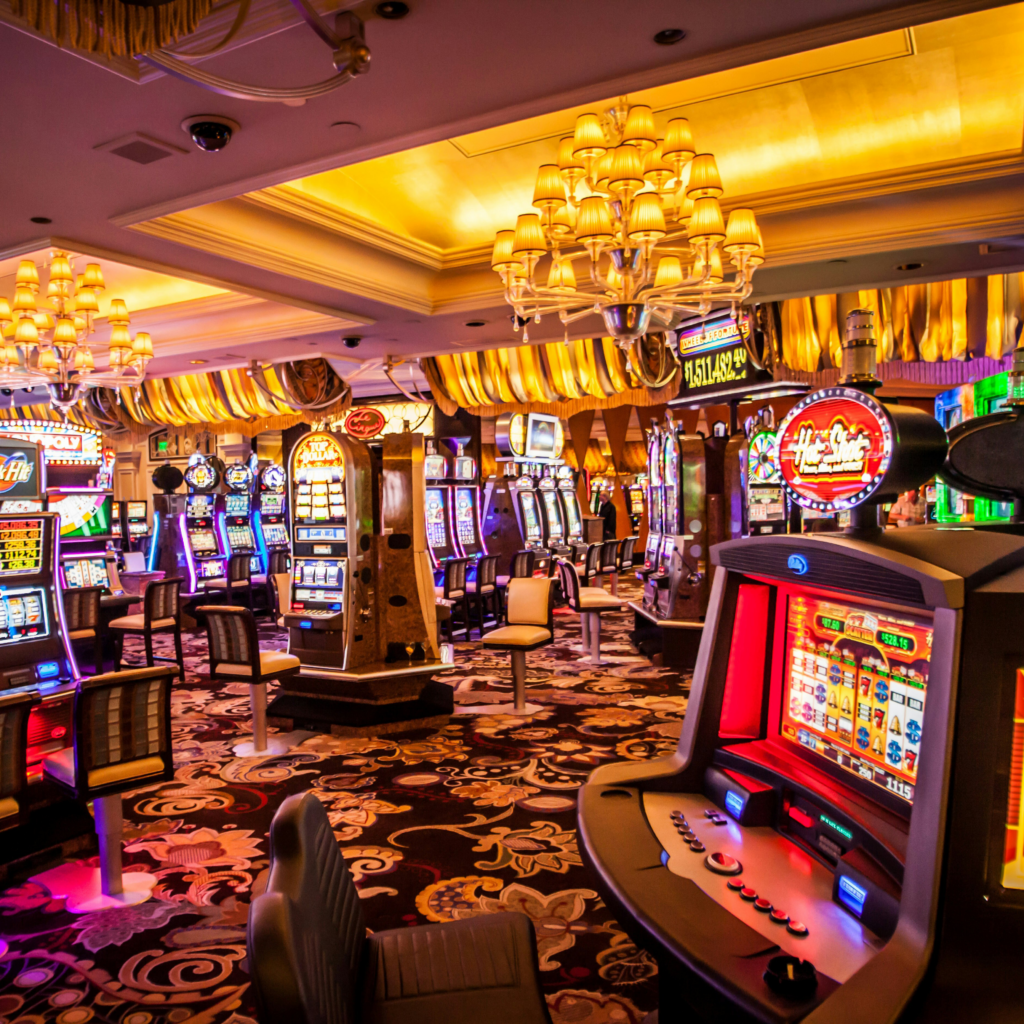
Conversely, Roger Thomas’s focus on luxury and comfort aligns with Tkatch’s observation: "You can game from anywhere. So why would you go gaming in a place where you don’t feel good?"
For event planners, this translates to a critical realization: if a venue or conference layout causes friction, modern attendees—armed with mobile connectivity and remote work alternatives—will simply disengage or seek alternatives.
Official Responses: Perspectives from IMEX and Design Experts
Navigating the balance between high-energy engagement and attendee burnout requires a delicate touch. Interaction designers working with major global events like IMEX are vocal about ethical design principles.
Oliver Bailey, a longtime interaction designer with IMEX, stresses that event design must fundamentally differ from the mechanics of a casino floor.
"We are designing with a particular purpose in mind," Bailey notes. "Unlike casinos, our aim is not to keep attendees on the floor and draw as much engagement as possible. It’s quite the opposite in fact… Fundamentally, we design from a place of compassion and empathy. We don’t see our attendees or their attention as a resource to be exploited."
According to Bailey, ethical design recognizes the fragility of human ecosystems and the complexity of modern inner worlds. Good design must improve lives, offer clear paths of purpose, and respect stakeholders’ needs from ideation to iteration.
Tkatch reinforces this by advocating for "universal design," noting that hyper-stimulating environments—whether a flashing casino floor or an overcrowded trade show—are stressful for everyone, and particularly taxing for individuals with specific accessibility or sensory needs.
Implications for Event Planners: What to Steal, What to Leave Behind
As event professionals look to the future, the integration of casino-inspired aesthetics must be handled with strategic precision.
1. When to Borrow Casino Concepts (Steal the Good Ideas)
- Immersion and Atmosphere: For entertainment-focused events, fan conventions, or experiential brand activations, borrowing the grand scale, awe-inspiring lighting, and immersive storytelling of Las Vegas venues can foster a deep sense of community and excitement.
- Spatial Flow and Wayfinding: Just as modern casinos utilize intuitive layouts or high-tech integration (such as IMEX’s deployment of Bluetooth beacons and companion mobile apps), events must leverage digital mapping to eliminate user frustration.
- Balancing Sensory Demands: Following the lead of inclusive event initiatives, planners must balance high-sensory exhibition zones with neutral, low-stimulus zones where attendees can decompress.
2. When to Reject Casino Concepts (Skip the Maze)
- B2B and Commercial Efficiency: For corporate conferences and business-to-business (B2B) trade shows, maze-like layouts and intentionally disorienting designs are a recipe for frustration. Attendees operating on tight schedules require clear avenues, transparent signage, and unobstructed pathways to their destinations.
- Attention Exploitation: While casinos historically sought to trap visitors in a timeless void, modern conferences must respect time management. Ethical event design honors the finite nature of an attendee’s attention span by encouraging purposeful disengagement rather than forced retention.
Conclusion
Ultimately, whether an event is hosted in the heart of the Las Vegas Strip or a quiet convention center elsewhere, the underlying lesson remains clear: successful spatial design is rooted in profound empathy for the audience.
You may not find a row of illuminated slot machines on a corporate conference floor anytime soon, but taking a thoughtful walk through a casino floor offers valuable insights into human psychology, environmental immersion, and the delicate balance of capturing—and respecting—attention.
Related posts: