Beyond the Gas Station: How Onvo is Redefining the Convenience Store Lunch Experience

In the evolving landscape of modern retail, the convenience store (c-store) is undergoing a radical metamorphosis. No longer viewed merely as a pitstop for fuel and packaged snacks, the sector is increasingly positioning itself as a legitimate contender in the competitive quick-service restaurant (QSR) space. At the heart of this shift is the midday meal, a high-stakes daypart that requires a sophisticated balance of speed, value, and culinary innovation.
As customer expectations shift away from the traditional "gas station food" stigma toward a desire for freshness and flavor, operators are being forced to adapt or lose market share. Leading this charge is Benjamin Lucky, the senior director of foodservice for Onvo—a regional powerhouse operating over 40 locations across Pennsylvania and New York. In a recent interview, Lucky outlined a blueprint for transforming the convenience store into a premier lunchtime destination.
The Paradigm Shift: Redefining Value and Quality
For decades, the c-store "value proposition" was synonymous with "cheap." However, today’s consumer is far more discerning. According to Lucky, the modern customer defines value not by the lowest price point, but by the highest quality-to-cost ratio.
"Guests want food that is fast and convenient, but they aren’t willing to sacrifice freshness or flavor anymore," Lucky explains. "They know what value means, and it’s not the legacy c-store way of thinking. They want excellent flavor and quality—they are moving away from ‘desperation choices’ and toward ‘destination choices.’"
This shift necessitates a departure from the "emergency stop" mentality. To capture the lunch crowd, c-stores must offer enough variety and culinary consistency to entice customers to choose their establishment as a planned stop rather than a last resort.
The Onvo Strategy: Building the Four Pillars of Success
As Onvo looks toward its 2026 and 2027 strategic roadmap, the focus is squarely on "strengthening the fundamentals." The company is moving to build a distinctive "Onvo identity" that separates its brand from the generic competition.
The strategy is built upon four primary menu pillars designed to satisfy different customer needs:
- Signature Sandwiches: Hearty, flavor-forward options that serve as the anchor of the menu.
- Signature Bowls: A healthier, customizable alternative that addresses the trend toward lighter, nutrient-dense lunches.
- Pizza: A high-performing staple that combines comfort with portability.
- The Hot Case Lineup: A dual-approach system that blends upscale "Made For You" (MFY) offerings with value-oriented, ready-to-eat selections.
By leveraging these four categories across both hot and cold grab-and-go formats, Onvo aims to cater to the "time-starved" professional driver and the local lunch seeker alike. The goal is to provide a seamless, frictionless experience that delivers quality without requiring a 20-minute wait.
The Evolution of the "Simple, Fresh, and Flavorful" Philosophy
Benjamin Lucky’s career, which includes tenures at industry giants like 7-Eleven, Maverik, Kwik Shop, and Dash-In, has solidified a core operating philosophy: "Simple, Fresh, and Flavorful/Delicious."
Implementing this across 40+ locations is no small feat. It requires more than just a good recipe; it demands an ecosystem of specialized equipment, rigorous training, and consistent execution. "A great menu offer also requires food-safety practices, quality merchandising, and solid operating standards," Lucky notes. "The guest must receive the same quality experience every day, in every location."
The Pizza Pivot
Data from Onvo’s internal tracking shows that pizza is currently the standout performer for the lunch daypart. Its success is attributed to its inherent portability and the "comfort factor" it provides to busy drivers.
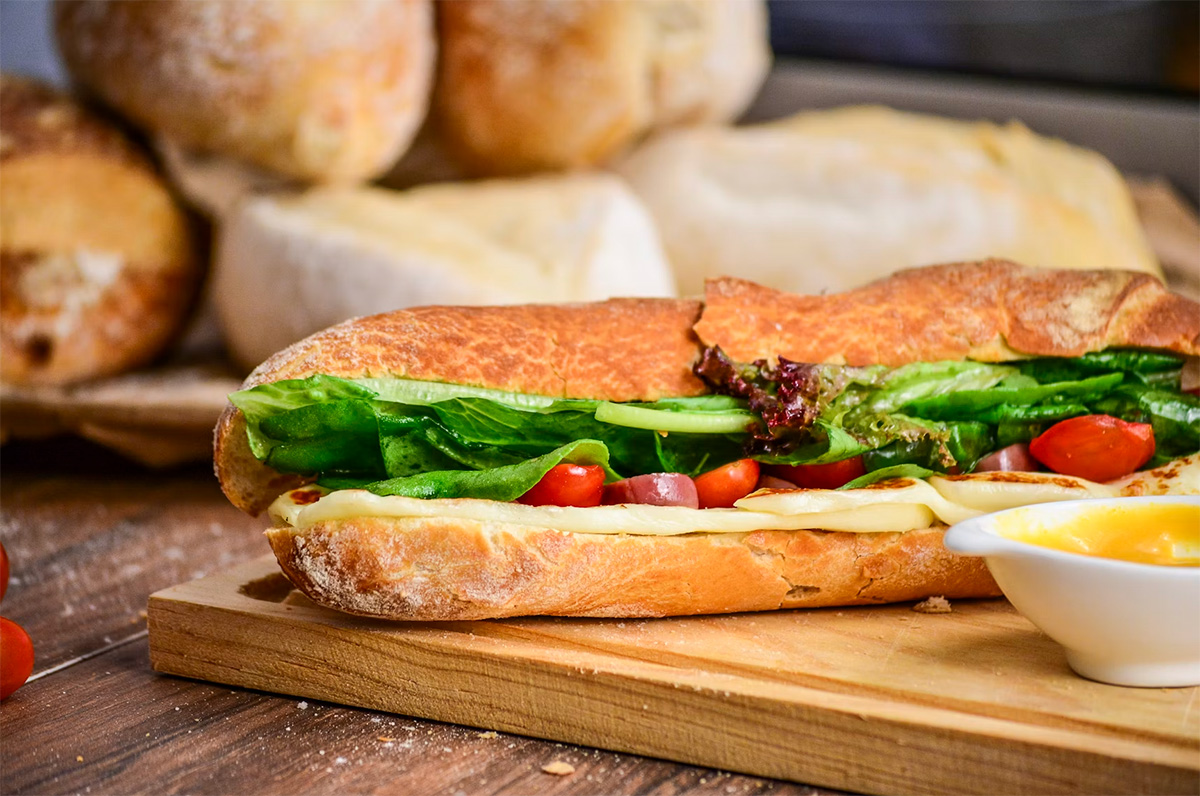
In a classic example of listening to the customer, Onvo is currently transitioning from a "personal pizza only" model to a sliced-pizza option. "Professional drivers told us that they might want two different slices or a slice and some wings," Lucky says. "We are going to give them what they want." This willingness to iterate based on direct feedback is a hallmark of the company’s new approach.
Operational Excellence and the Bottom Line
Balancing quality and affordability requires a disciplined approach to backend operations. Onvo is focusing on several key operational levers to maintain healthy margins while keeping prices attractive:
- Ingredient Cross-Utilization: Minimizing food waste by using high-quality ingredients across multiple menu items.
- Production Efficiencies: Investing in equipment that reduces prep time and removes barriers to speed.
- Portioning and Packaging: Ensuring that the presentation matches the price point, providing a sense of "genuine value" to the consumer.
By investing in technology that aids the associate, Onvo is not only improving the guest experience but also generating labor savings that allow for higher-quality ingredients without ballooning the price to the consumer.
The Role of Innovation: LTOs and "Secret Menus"
Limited-Time Offerings (LTOs) serve as the primary engine for driving trial and keeping the menu fresh. For Onvo, LTOs are not just about adding new flavors—they are about building community and excitement.
"We are evaluating where thoughtfully constructed meal deals and bundles fit so we can provide genuine guest value without simply discounting the food," says Lucky. Perhaps most innovative is the company’s push into digital engagement, with plans to integrate "secret menu items" accessible only through the Onvo app. This gamification of the lunch experience encourages repeat visits and builds brand loyalty among a younger, tech-savvy demographic.
Implications for the Future of Convenience Retail
The trajectory of the convenience store industry is clear: the future belongs to those who view themselves as food retailers rather than just fuel providers.
For other retailers looking to compete in the lunch daypart, Lucky offers a sobering piece of advice: "Don’t try to compete on convenience alone." With the rise of delivery apps and restaurant-quality options, convenience is becoming a baseline expectation rather than a competitive advantage.
The real battleground is the "Yum Yum" factor. If a retailer isn’t seeing a satisfied reaction from the customer—if the product doesn’t taste fresh and memorable—they will fail to capture the repeat traffic necessary to sustain a food program.
Conclusion: A Long-Term Commitment
Onvo’s vision is to move from being a "convenient destination that also sells food" to being a destination that customers choose specifically for the food itself. This requires a cultural shift within the organization, treating foodservice as a core strategic pillar rather than an ancillary category.
As Lucky prepares to launch new signature items, such as the BBQ Brisket Sandwich with an array of proprietary sauce flavors, the path forward is illuminated by the promise of consistency. By marrying the speed of a c-store with the quality of a casual eatery, Onvo is setting a new benchmark for what the modern convenience store lunch can be. For the consumer, this means better, faster, and more flavorful choices on the road; for the industry, it represents the next frontier of growth in a rapidly changing retail environment.