The Holiday Playbook: How Convenience Retailers Can Transform Seasonal Traffic into Long-Term Loyalty

As the autumn leaves settle and the calendar turns toward the high-stakes window of Thanksgiving and Christmas, the convenience store (c-store) industry faces a unique inflection point. While much of the retail world focuses on massive big-box inventory management, the convenience sector has a distinct advantage: the ability to provide immediate solutions for a frantic, time-poor consumer base.
For operators, the holiday season is not merely a calendar event; it is an opportunity to break the cycle of routine transactions. By leveraging strategic merchandising, smart promotions, and proactive operational planning, c-store owners can turn holiday traffic into expanded basket sizes and, more importantly, long-term customer loyalty.
The Psychology of the Holiday Shopper
To maximize revenue during the final two months of the year, retailers must first understand the mindset of the modern consumer. The holiday shopper walking through a c-store door is rarely there for a planned shopping trip. They are the frantic party host who realized they are out of milk or ice; the commuter braving holiday traffic who needs a comforting snack; or the office worker desperate for a last-minute gift or a festive treat.
These customers are not price-sensitive in the traditional sense; they are "solution-sensitive." They are trading money for time, convenience, and relief. According to Elie Y. Katz, CEO and president of National Retail Solutions (NRS), the key for operators is recognizing that the holidays provide a rare psychological opening where customers are psychologically primed to purchase items they had not originally planned to buy.
H2: The Three Pillars of Holiday Merchandising
When executed with precision, holiday-themed merchandising serves as a powerful lever for growth. Industry experts categorize the impact of these strategies into three distinct pillars.
1. The Art of Increasing Basket Size
The primary goal of any seasonal display is to disrupt the "quick-stop" mentality. A well-placed, festive display acts as a silent salesperson, converting a $6 fuel-and-coffee stop into a $20 basket. By grouping high-margin items—such as holiday baking staples, party beverages, gift cards, and entertaining snacks—near the register or the entrance, retailers capitalize on impulse-driven buying behaviors.
This strategy effectively turns the register area into a "solution station." When a customer sees a basket of holiday essentials, the convenience of purchasing those items immediately outweighs the need to make an extra stop at a crowded grocery store.
2. Creating Urgency Through Scarcity
The concept of "limited-time offers" (LTOs) is a staple for giants like Starbucks and McDonald’s, and for good reason: it works. Holiday-themed foodservice—ranging from peppermint-infused coffee flavors to seasonal breakfast bundles—creates a sense of urgency.
By framing items as "seasonal exclusives," retailers provide a reason for customers to visit today rather than "next time." This scarcity, combined with the timing of the holiday calendar, does the heavy lifting for the operator. Customers expect a festive experience, and failing to provide it creates a vacuum that competitors will gladly fill.
3. Cultivating Loyalty Beyond the Season
Perhaps the most significant, yet overlooked, benefit of holiday promotions is their role as a customer acquisition tool. A high-performing holiday campaign serves as a "first date" with new customers.
Savvy operators are now tying these seasonal offers directly to mobile apps and digital loyalty programs. By incentivizing the first purchase through a seasonal discount or bundle, retailers can create a digital bridge to the second and third visits. If a customer discovers the convenience of your store in December, the goal of the loyalty program is to ensure they remember that value proposition in January.
H2: Operational Execution: The "Last Mile" of Retail
Strategy is academic without execution. A perfectly curated holiday display is useless if the shelves are empty or the staff is disengaged.
The Role of Staff Training
Employees are the frontline of any holiday strategy. A simple, friendly, and proactive upsell—such as, "Do you need a bag of ice for your party tonight?"—is statistically one of the most effective and inexpensive conversion tools in the industry. Training staff to pivot from "order-takers" to "solution-providers" is a critical component of maximizing holiday revenue.
Merchandising Best Practices
- Early Implementation: Retailers who start planning before the autumn leaves fall have a distinct competitive advantage. Getting seasonal product on shelves early allows for a longer sales cycle.
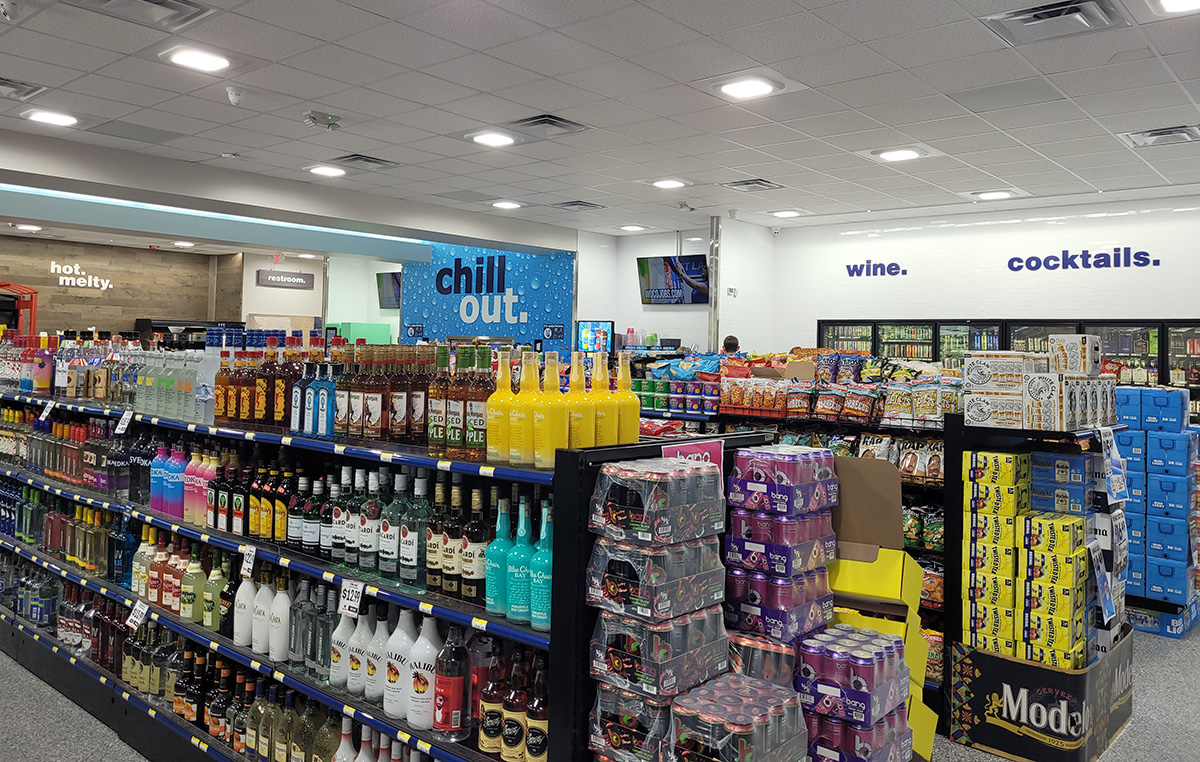
- Prioritizing Real Estate: Give your best-performing holiday items the most valuable floor space. End-caps and high-traffic aisle headers should be reserved for high-margin, seasonal impulse items.
- Simplicity in Signage: Holiday messaging should be clear, concise, and festive. Avoid cluttered signage that confuses the consumer.
H2: Supporting Data and Industry Trends
While industry-wide growth in the c-store sector remains steady, data from organizations like NACS (National Association of Convenience Stores) suggests that basket size growth is highly correlated with the integration of "fresh" and "seasonal" categories.
During the Q4 holiday period, retailers who report a year-over-year increase in revenue almost universally cite a shift in product mix toward higher-margin grab-and-go gifts and seasonal food items. Furthermore, the integration of loyalty data has shown that customers who engage with a "holiday-specific" offer are 30% more likely to return to the same location within the following 60 days compared to customers who engaged with generic, year-round promotions.
H2: Official Insights: The View from Leadership
Elie Y. Katz, in his capacity at NRS, emphasizes that the calendar is unforgiving. "The retailers who treat the holidays as a season to invest in, not just get through, will head into the new year with more sales and more loyal customers," Katz notes.
The sentiment among industry leaders is clear: the convenience store of the future is not just a place to buy fuel or cigarettes—it is a community hub for time-strapped consumers. By focusing on the basics—cleanliness, fast service, and well-stocked shelves—c-store operators build a foundation of trust that customers reward with their loyalty during the most stressful times of the year.
H2: Strategic Implications for the New Year
The implications of a successful holiday strategy extend well into the first quarter. Retailers who successfully capture the "holiday traffic" build a database of customers they can retarget in the new year.
The "January Hangover" Prevention
Many retailers suffer a significant revenue dip in January. However, operators who successfully bridge the gap by collecting customer data through holiday loyalty programs can launch "New Year" promotions targeted at the very people who frequented their stores in December. This creates a sustainable cycle of engagement that mitigates the post-holiday slump.
The Competitive Landscape
As big-box retailers continue to struggle with long wait times and supply chain complexities, the c-store sector remains the agile alternative. The competitive advantage of the independent or chain c-store is the human connection. A clean, well-stocked store that anticipates the customer’s needs before they even walk through the door is a powerful differentiator.
H2: Conclusion: A Call to Action
The holiday season is a litmus test for a retailer’s operational readiness. It requires a blend of creative merchandising, aggressive inventory management, and a culture of customer service.
As we look toward the final weeks of the year, the mandate for convenience store operators is straightforward:
- Plan early to ensure seasonal inventory is available.
- Train staff to become active participants in the sales process.
- Leverage technology to capture and retain customer loyalty.
The calendar will not slow down, and the competition for the consumer’s dollar will only intensify. Those who choose to embrace the holiday season as an opportunity to build, rather than just survive, will emerge in January with not only higher revenue but a stronger, more loyal customer base ready for the year ahead.