Bridging Worlds: How to Approach Indigenous Tourism with Respect, Intentionality, and Depth

In the evolving landscape of global tourism, a profound shift is underway. Travel is no longer being defined solely by luxury amenities or the ticking off of bucket-list landmarks. Instead, a new segment of the industry is focusing on the "wellness of the soul," a concept deeply rooted in the traditions, landscapes, and wisdom of Indigenous communities. However, as the demand for transformative, culturally grounded experiences grows, so does the necessity for a radical rethink of how event planners, retreat organizers, and tourism professionals engage with First Nations, Métis, and Inuit communities.
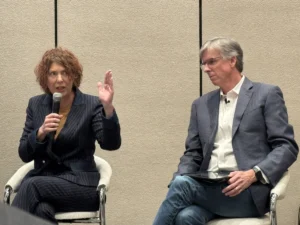
The conversation reached a critical juncture during a recent webinar hosted by the Wellness Tourism Association (WTA), where Sebastien Desnoyers-Picard—a member of Quebec’s Wendat Nation and a veteran leader in Indigenous tourism development—offered a blueprint for a more ethical, respectful, and mutually beneficial way forward.
The Core Mandate: Redefining Indigenous Tourism
To engage respectfully, one must first dismantle the narrow, often stereotyped definitions of what "Indigenous tourism" entails. For too long, the industry has viewed these experiences through a colonial lens—often relegated to static, museum-like displays or superficial performances.
Desnoyers-Picard, who brings over 25 years of senior-level expertise to the discourse, insists on a broader, more dynamic definition. "Indigenous tourism is tourism made and run by Indigenous people," he explains. It is a lived, breathing ecosystem that occurs within communities, facilitated by their people, often set in nature, and spanning every imaginable sector—from culinary arts and botanical education to storytelling and contemporary business.
The primary takeaway for professionals is that they are not "purchasing a product"; they are entering a "way of life." This distinction is the bedrock upon which all future interactions must be built.
Chronology of the Shift: From Transactional to Transformational
The tourism industry has historically operated on a transactional model. In the past, event planners might have viewed a community as a vendor—a service provider tasked with delivering a two-hour session to satisfy a diversity quota.
However, the current movement, championed by leaders like Desnoyers-Picard, marks a departure from this "checkbox" mentality. The chronology of this shift can be tracked through three distinct phases:
- The Erasure Phase (Pre-2000s): Indigenous culture was either ignored in mainstream tourism or appropriated for the convenience of the traveler, often without consultation or compensation for the host community.
- The Recognition Phase (2000–2020): Indigenous tourism began to gain formal recognition as a distinct sector, with national organizations forming to standardize quality and authenticity.
- The Partnership Phase (2020–Present): The current era, accelerated by a global desire for meaningful connection post-pandemic. We are moving toward a model where Indigenous communities act as co-creators and partners in the planning process, rather than mere service suppliers.
Wellness as a Conduit for Connection
The intersection of wellness and Indigenous tourism is not a modern marketing invention; it is a fundamental pillar of Indigenous existence. For many travelers, the concept of "wellness" has been reduced to spas and digital detoxes. Yet, as Desnoyers-Picard argues, true wellness is found in the deep, ancestral connection to the land and the wisdom of the community.
Creating Space for Cultural Unfolding
One of the most significant barriers to authentic engagement is the "squeezed" itinerary. Event professionals are conditioned to build tight schedules, optimizing every minute for productivity. Desnoyers-Picard challenges this, noting that "culture should not be rushed."
When a planner attempts to force a traditional ceremony or storytelling session into a rigid one-hour slot, the essence of the experience is lost. Instead, planners should:
- Allow for Organic Flow: Build in buffer time so that cultural exchanges can unfold at their natural pace.
- Prioritize Presence: Encourage participants to disconnect from their devices and routines, allowing the environment—whether it be a forest, a workshop space, or a community hall—to facilitate the learning.
- Embrace the Unknown: Approach the experience without a rigid list of outcomes. Let the Indigenous hosts determine how best to share their knowledge, whether through music, poetry, or the quiet observation of nature.
Supporting Data and the Economic Imperative
While the ethical arguments for this shift are paramount, the economic data supports the transition to authentic Indigenous tourism as well. According to reports from the Indigenous Tourism Association of Canada (ITAC), the sector was one of the fastest-growing segments of the tourism industry prior to 2020.
The demand for these experiences is driven by a global traveler base that is increasingly values-driven. Travelers are seeking:
- Authenticity: 78% of modern travelers prefer experiences that provide a deeper understanding of local culture.
- Sustainability: Indigenous tourism is inherently sustainable, as it is often land-based and rooted in stewardship principles that have been practiced for millennia.
- Social Impact: Consumers are actively seeking to support businesses that provide direct economic benefits to marginalized communities, viewing their tourism dollars as a tool for reconciliation.
Official Responses and Ethical Boundaries
A critical component of this new paradigm is the distinction between cultural appreciation and cultural appropriation.
Desnoyers-Picard is firm on this: not every ceremony or practice is meant for the public eye. Indigenous nations have distinct protocols regarding what can be shared, when it can be shared, and with whom. Planners must be prepared to hear "no," and more importantly, they must accept that refusal with grace and respect.
"It’s okay not to have access to all ceremonies," says Desnoyers-Picard. "Don’t feel offended by that." This boundary-setting is not an act of exclusion; it is an act of protecting the sanctity and integrity of the culture. The professional’s role is to facilitate an experience that the community wants to share, not to demand access to the sacred.
Implications for Future Event Planning
For those organizing retreats, conferences, or destination events, the implications of this shift are far-reaching. The "anywhere, USA/Canada" approach to site selection is no longer sufficient.
1. The Myth of the "Remote" Requirement
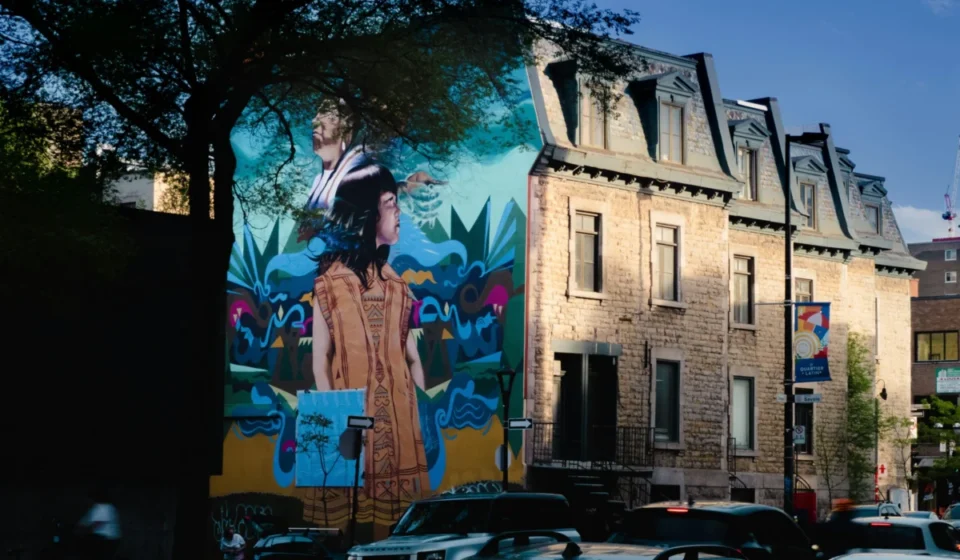
A common misconception is that one must travel to a remote, rural location to experience Indigenous culture. In reality, Indigenous communities and businesses exist in the heart of our major urban centers. From Indigenous-led walking tours in downtown hubs to galleries and culinary experiences in metropolitan areas, there is no excuse for failing to engage.
2. The Power of Co-Creation
Planners should move away from the "itinerary-first" model. Instead of arriving with a plan, start the conversation by explaining the goals of the retreat and asking: What can you offer that aligns with our mission? This simple inversion of power creates a collaborative environment where the Indigenous partner feels respected as an expert.
3. Long-term Relationship Building
Authentic engagement is not a one-off event. It is a long-term commitment. Planners should aim to build relationships with local Indigenous tourism organizations, destination marketing organizations (DMOs), and local guides. These entities act as the bridge between the visitor and the community, ensuring that the partnership is respectful, safe, and culturally accurate.
Conclusion: A New Standard of Hospitality
The path toward more meaningful, transformative, and mutually beneficial Indigenous tourism is clear: it requires humility, patience, and a willingness to step back and let Indigenous voices lead. As we move forward, the most successful events will not be those that simply "check the box" for inclusion, but those that leave the attendee changed by the depth of the culture they encountered and leave the host community strengthened by the partnership.
By choosing to approach these communities with curiosity rather than expectation, and with respect rather than entitlement, the tourism industry can help foster a new era of global connection—one where wellness is defined not by what we consume, but by the authenticity of the human and cultural connections we cultivate.