The Paradox of Human Creativity: Why AI Giants Are Turning to Human Designers

In the rapidly evolving landscape of 2026, a strange and potent irony has taken hold of the technology sector. As generative artificial intelligence platforms continue their aggressive march toward automating creative labor—promising to render traditional graphic design, illustration, and typography obsolete—the very companies spearheading this revolution are doubling down on a surprising strategy: hiring human designers to build their brand identities.
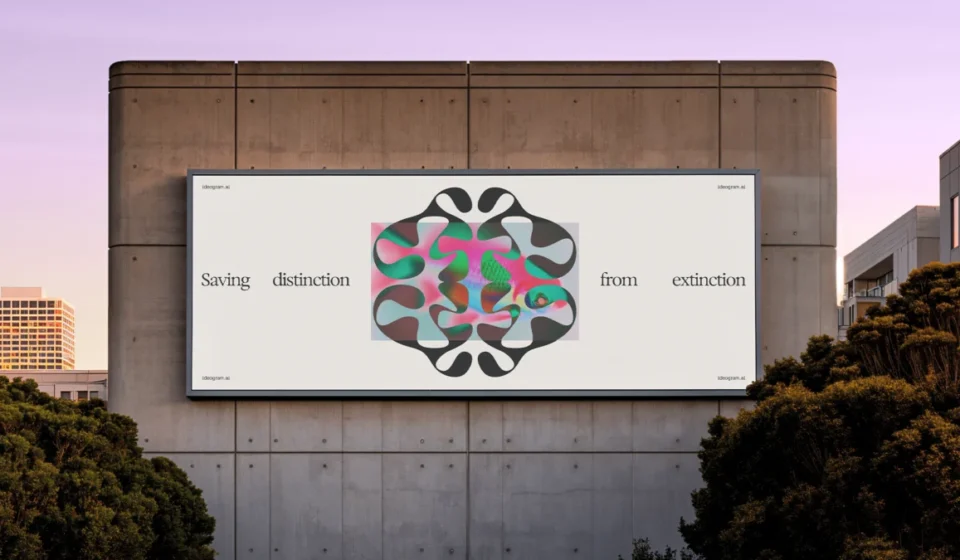
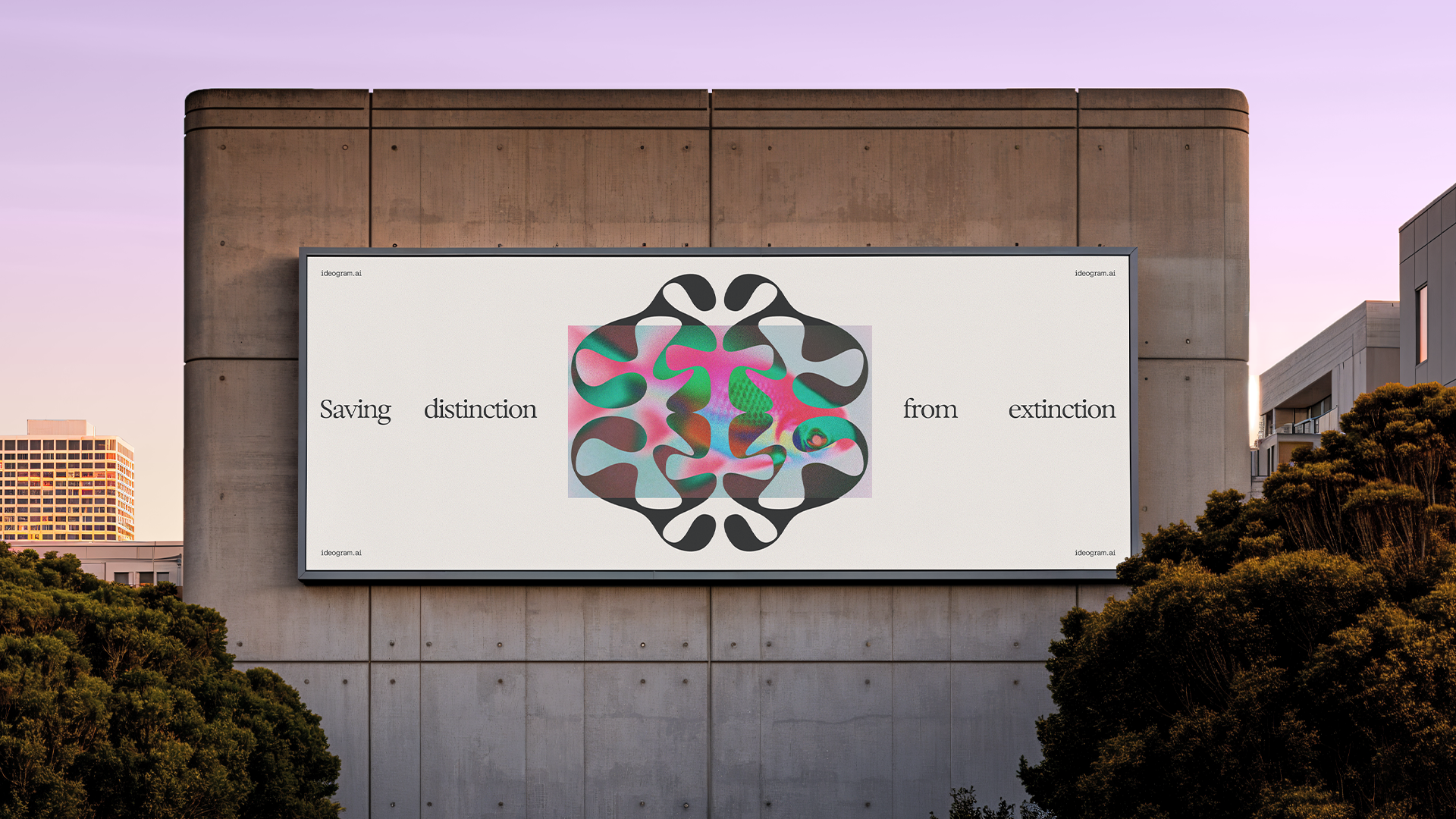
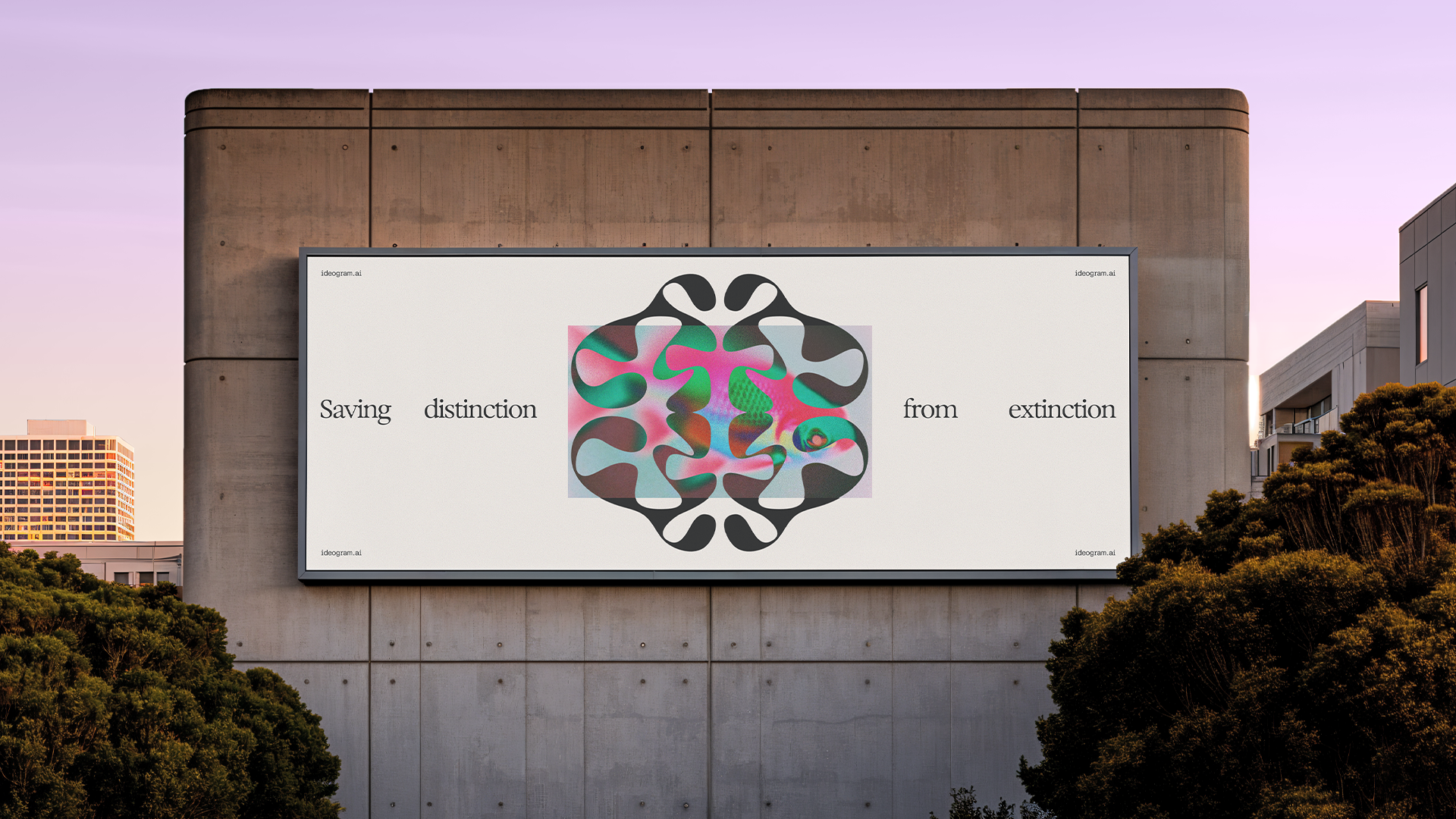
From the sleek, brain-shaped branding of Ideogram to Meta’s collaboration with renowned lettering artist Jessica Hische for its Muse platform, the trend is undeniable. It is a paradox that has left the design community reeling: why would the champions of machine-made creativity insist on the human touch when it comes to their own corporate image?
The Great Credibility Gap: Why Branding Still Needs a Human Pulse
To understand this phenomenon, one must first deconstruct the primary function of branding. Branding is not merely the act of producing aesthetically pleasing visuals; it is a psychological contract. Its purpose is to build trust, foster emotional connection, and establish a narrative of reliability.
The current generation of AI companies is suffering from a massive "credibility gap." As the public becomes increasingly wary of "AI slop"—the uncanny, often distorted, and generic imagery that plagues social media feeds—the platforms themselves are acutely aware that they have a PR problem. If a company claims to be the future of human ingenuity, it cannot afford to look like a product of its own glitchy algorithm.
When an AI company commissions a top-tier design agency like How&How or hires an independent luminary like Jessica Hische, they are buying more than just a logo. They are purchasing legitimacy. By aligning themselves with respected human creators, they signal to the world that they value craft, intentionality, and the nuances that machines currently struggle to replicate. It is an act of "human washing," a necessary investment to convince consumers that behind the cold, binary logic of the software, there is a pulse of human vision.
A Chronology of the Human-AI Collaboration Shift
The transition has been subtle but consistent over the past twenty-four months:
- Early 2025: The initial wave of AI-native startups began utilizing their own tools for marketing collateral, leading to widespread criticism regarding the "soulless" quality of their brand presence.
- Late 2025: High-profile AI firms began seeking out boutique design agencies, recognizing that generic generative output was failing to differentiate them in a saturated market.
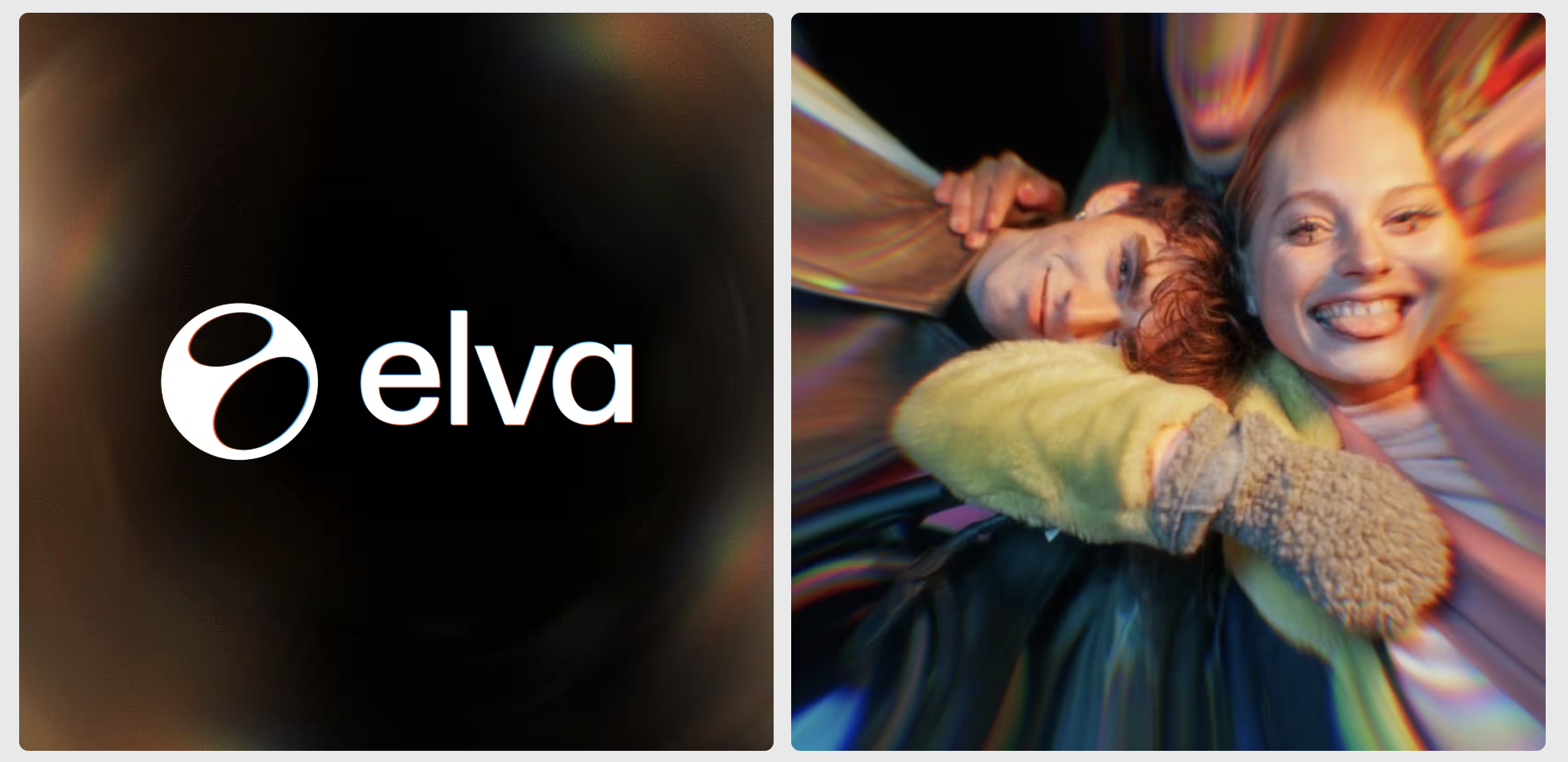
- Early 2026: The trend moved into the mainstream. Collaborations like Lazarev’s work for the video editor Elva and Together’s work for the audit firm Clusia demonstrated that even "AI-native" industries require the strategic nuance of a human-led creative process.
- Mid-2026: The controversy surrounding Jessica Hische’s involvement with Meta’s "Muse" project marked a turning point, bringing the ethical debate over "selling out" vs. "surviving" to the forefront of the design industry.
The Economic and Ethical Dilemma: The Price of Survival
The backlash against designers who work for AI companies is intense and, from a certain perspective, logical. Critics argue that by lending their craft and credibility to these organizations, designers are legitimizing the very tools that threaten their colleagues’ livelihoods.
Take, for instance, the case of Jessica Hische. After announcing her work on the Muse logo, she faced a barrage of criticism on platforms like Threads. Her detractors argued that the $12,500 fee—which she noted was vital to supporting her small business and staff—did not justify the moral weight of assisting a tech giant in its dominance of the creative sector.
However, this argument often ignores the reality of modern capitalism. Billions of dollars are flowing into generative AI. If a prominent designer turns down a commission, it does not stop the project. It merely ensures that the project will be handed to someone else—or worse, that the company will resort to the very automated processes that the creative community is protesting. By participating, the designer at least ensures the work is executed with a level of quality and human insight that might otherwise be lost.
Data and Industry Trends: The Value of Human-Led Design
While AI tools have reduced the cost of image generation, the demand for high-end, human-led branding has not plummeted; it has transformed. According to recent industry surveys from design trade groups, firms that emphasize "human-centric creative strategy" have seen a 15% increase in demand from tech-sector clients.
This suggests that as the market becomes flooded with low-quality, AI-generated content, the "premium" value of human-crafted work is actually increasing. Clients are becoming more sophisticated in their ability to spot the "uncanny valley" of AI design, leading them to pay higher premiums for logos and identities that feel grounded, purposeful, and distinctly human.
Official Responses and Strategic Rationales
In interviews and design case studies, the agencies behind these rebrands often highlight the "hybrid" nature of their work. For instance, the rebrand for Ideogram utilized AI-generated imagery as a foundation, but the final, polished product was heavily refined by hand in Photoshop.
"We aren’t just letting the machine decide," says a representative from one of the firms involved in these high-profile projects. "We are using these tools as a starting point, but the strategic direction, the kerning, the color theory, and the final emotional resonance are purely human contributions. We are teaching the machine how to be better, not letting it replace us."
Meta, for its part, has framed its collaborations with independent artists as a way to support the creative economy. Whether this is genuine altruism or a strategic attempt to soften their public image remains a matter of fierce debate.
The Long-term Implications for Creative Professionals
What does this mean for the future of the design industry? It is clear that the role of the designer is shifting from that of a "maker" of assets to a "curator" of intent.
- The Rise of the Hybrid Designer: The designers who will survive and thrive are those who can integrate AI into their workflow as a tool, while retaining the ability to override it with human taste.
- The Premium on Human Verification: As AI-generated content becomes ubiquitous, the "Made by Human" label will likely become a luxury branding point. Companies will advertise the human hand behind their products as a symbol of quality.
- Ethical Agency: The industry must move toward a consensus on which tech companies are "safe" to work with. Much like the debate over working for fossil fuel companies or tobacco firms in the past, designers are beginning to draw their own ethical red lines.
Conclusion: A Future of Coexistence
Ultimately, the confusion felt by many in the creative sector is a symptom of a transition period. We are living through the "Gold Rush" phase of generative AI, where the lines between human craft and machine efficiency are blurred.
However, the fact that these companies—the ones with the most advanced technology in human history—still feel the need to hire human beings to define their identity is the ultimate validation of the creative profession. It suggests that while AI can mimic, it cannot truly believe. It cannot hold a vision, understand a culture, or feel the weight of a brand’s promise.
If AI companies want to pay human beings to make them look human, perhaps the most productive path forward is to take the commission, do the work with integrity, and remind the world that behind every great piece of technology, there is still, and must always be, a human mind at the helm. As Jessica Hische aptly noted, "Isn’t this ultimately the future that we want? Large companies hiring independent artists to do things?" If we play our cards right, the rise of AI might not be the end of human creativity, but rather the catalyst for a new, more refined era of it.