The Rise of "Micro-Treat Culture": How Small Indulgences and Curated E-Commerce Are Reshaping Modern Consumer Spending

In an economic landscape frequently defined by financial caution, high inflation, and macro-level uncertainty, a fascinating counter-trend has taken root among modern consumers. Rather than allocating discretionary income toward major lifestyle investments—such as luxury travel, real estate, or high-end electronics—shoppers are increasingly turning to low-cost, high-dopamine purchases often referred to as "little treats."

Driven largely by social media platforms like TikTok and Instagram, curated shopping lists, and independent product discovery, this phenomenon has transformed the retail sector. From viral body lotions to analog games and niche skincare, consumers are finding solace, joy, and routine stability in affordable luxuries.

Main Facts: The Anatomy of the "Little Treat" Economy
The modern consumer mindset has shifted away from deferred gratification toward immediate, accessible forms of self-care. Retail data highlights several core characteristics of this trend:

- Affordable Accessibility: The vast majority of viral lifestyle and beauty products retail for under $40, making them low-risk, impulse-friendly purchases.
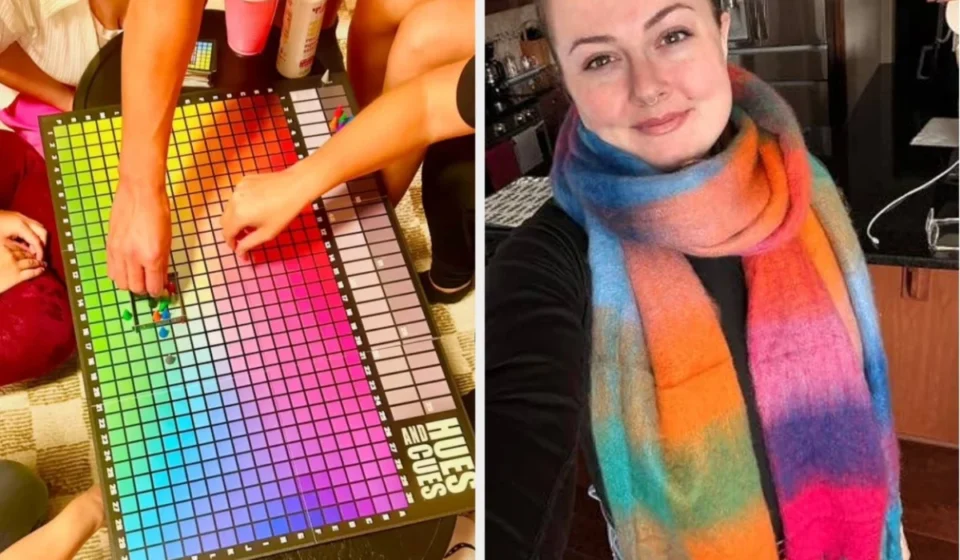
- Sensory and Nostalgic Appeal: Consumers are gravitating toward items that evoke nostalgia (such as retro cameras, classic board game spin-offs, and paint-by-numbers kits) or sensory comfort (specialty scents, soothing teas, and high-end bath products).
- Digital Amplification: Peer recommendations, unboxing videos, and authentic reviews shared on digital platforms serve as the primary engine for product discovery, frequently leading to localized stock shortages for items like viral body lotions and specialty skincare items.
Chronology: From Pandemic Coping Mechanisms to Mainstream Retail Strategy
Phase 1: The Early Shifts (2020–2021)
During the global disruptions of the early 2020s, consumers confined to their homes sought small domestic comforts to combat stress and monotony. Sales of home-spa items, indoor puzzles, and baking supplies surged. This period laid the groundwork for consumers to view everyday spending not merely as transactional, but as emotional maintenance.

Phase 2: The Viral Curation Era (2022–2023)
As digital algorithms began favoring hyper-specific niche hobbies—ranging from cozy gaming and journaling to specialized skincare routines—shopping content evolved. Creators began packaging everyday product recommendations into curated roundups. Products like aesthetically pleasing hand sanitizers, targeted beauty serums, and portable analog devices transitioned from obscure finds to viral sensations.

Phase 3: Mainstream Institutionalization (2024–Present)
Major retailers, e-commerce giants, and independent direct-to-consumer (DTC) brands have fully embraced micro-treat culture. Retailers now routinely structure inventory around seasonal aesthetics (such as autumn comfort items, holiday stocking stuffers, and transitional wardrobe upgrades). The strategy has proven resilient, sustaining steady retail velocity even during periods of broader economic tightening.
Supporting Data and Market Analysis
Consumer behavior studies and retail sales data underscore the economic footprint of this trend:

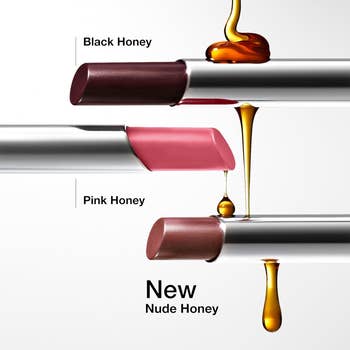
- Skincare and Body Care Dominance: Cult-favorite formulations, such as peptide-rich barrier serums, hydrating lip masks, and pistachio-scented body lotions, consistently rank among top-selling beauty categories on major e-commerce marketplaces. Shoppers frequently cite these items as accessible alternatives to luxury cosmetic splurges.
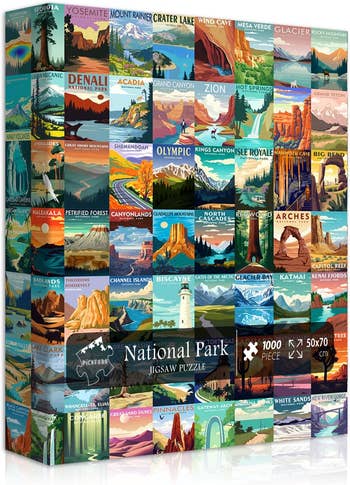
- Analog Entertainment Resurgence: Despite an increasingly digital world, tactile products—including 1,000-piece puzzles, board game card variants, and screen-free digital cameras—have experienced a massive resurgence. Market analysts attribute this to a collective desire for "digital detox" activities that engage the mind without encouraging endless social media scrolling.
- Workplace and Commuter Upgrades: Practical items designed to improve daily routines, such as water-resistant laptop totes, structured messenger bags, and ergonomic travel pillows, demonstrate that consumers are willing to invest modestly to enhance daily comfort during commutes and office days.
Official Responses and Retailer Strategies
Brands capitalizing on the micro-treat phenomenon have adjusted their marketing and inventory strategies to meet high-velocity consumer demand.
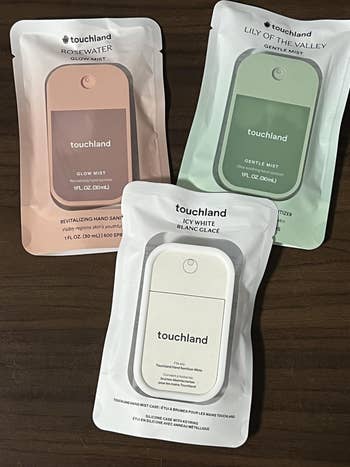
Independent and mid-tier brands have particularly benefited from this shift. Companies specializing in sensory items—such as shower steamers, artisanal Epsom salt soaks, and small-batch lifestyle accessories—report that social media word-of-mouth generates exponential returns compared to traditional advertising.
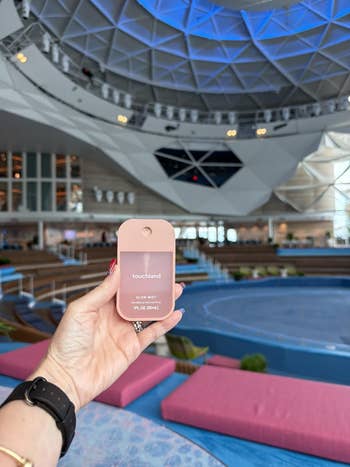
Furthermore, major e-commerce platforms have optimized their logistics to handle rapid inventory turnover for trending items. Retail analysts note that platforms featuring user-generated reviews, real-time stock notifications, and curated gift guides capture a disproportionate share of micro-treat transactions.
Implications: What This Means for the Future of Retail
The entrenchment of micro-treat culture carries significant implications for both consumers and the retail industry at large:
For Consumers: Emotional Spending vs. Financial Wellness
While micro-treats offer immediate emotional benefits—such as stress relief, creative engagement, and a sense of daily luxury—financial advisors point out the importance of mindfulness. Accumulating low-cost purchases can quietly strain monthly budgets if left unchecked. However, when approached intentionally, these small purchases serve as sustainable coping mechanisms and low-cost rewards for achieving personal milestones.
For Retailers: Agility Over Scale
Traditional retail models that rely on massive, seasonal inventory rollouts are increasingly being challenged by agile brands that can capitalize on micro-trends within days. Retailers must maintain flexible supply chains, foster authentic community engagement through digital creators, and prioritize product transparency.

As long as economic pressures and digital connectivity remain central to daily life, the desire for accessible, joyful self-expression through small purchases is poised to remain a dominant force in modern commerce.