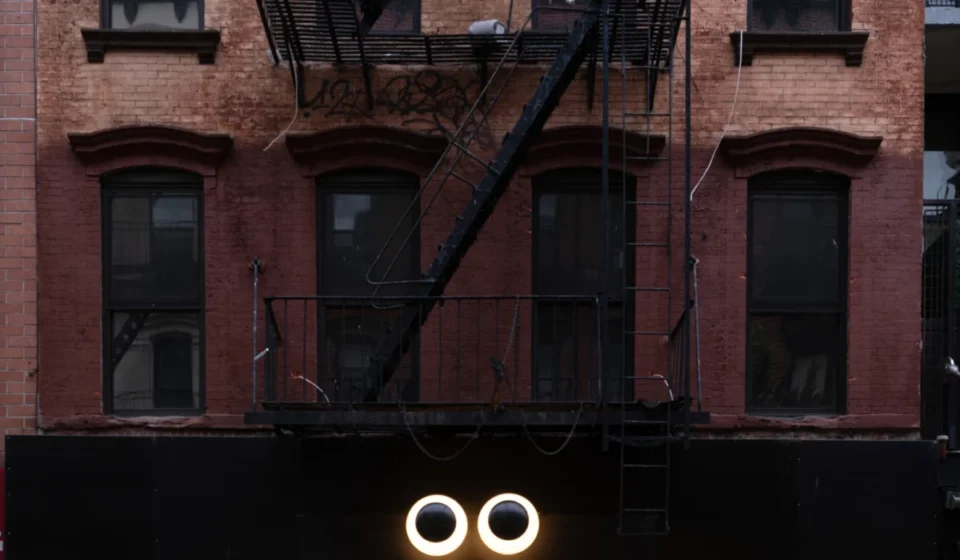

In the heart of the Lower East Side, where the grit of New York City’s industrial past meets the vibrant pulse of modern creative culture, a new landmark has emerged. Softville, a sprawling 2,500-square-foot hybrid concept store, has officially opened its doors, blurring the lines between a high-end art gallery and a premier culinary destination. More than just a retail space, Softville represents a daring experiment in "experiential consumption," where the visceral pleasure of artisanal dessert meets the cerebral stimulation of contemporary design.
The project is the collaborative magnum opus of two distinct creative powerhouses: the NYC-based multidisciplinary art and design practice Studio Jeremyville and the Australian cult-favorite gelato icon, Gelato Messina. For the uninitiated, the union of these two entities is not merely a business venture but the culmination of over two decades of creative synergy, resulting in a space that feels both meticulously curated and delightfully whimsical.
The Architecture of Nostalgia: Preserving a LES Icon
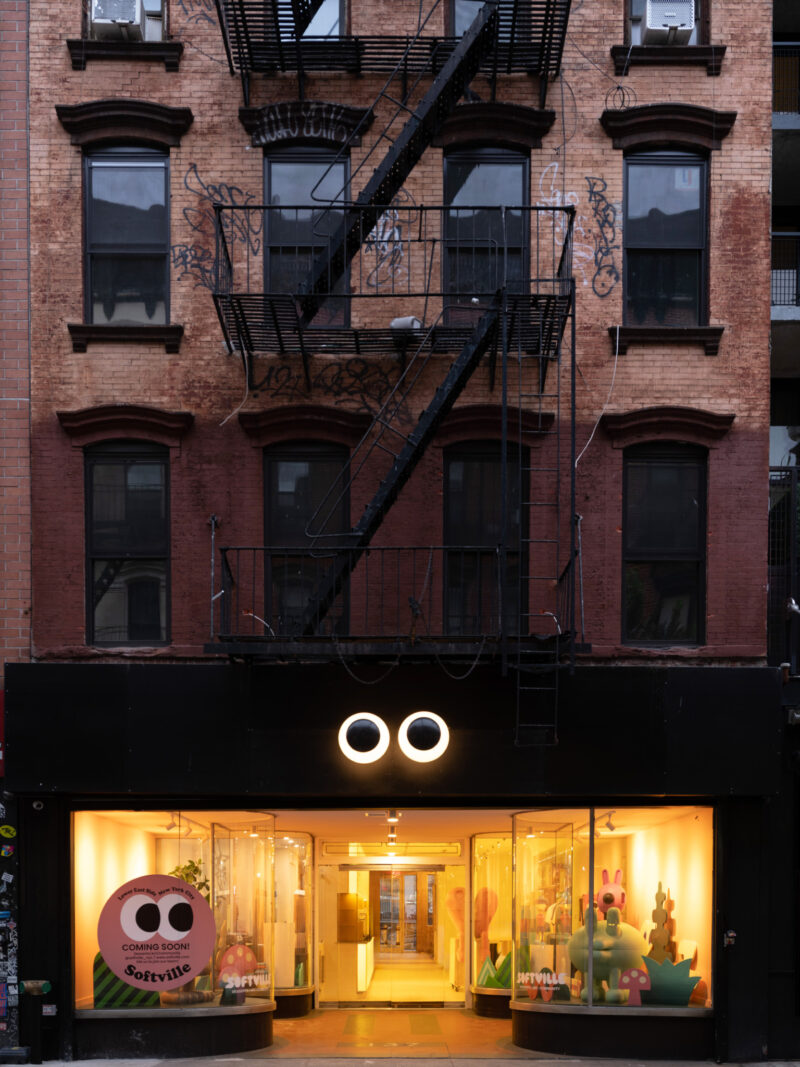
The physical home of Softville is as storied as the brand itself. Located at 137 Orchard Street, the shop occupies the former premises of the historic Ben Freedman department store. Rather than gutting the space to create a sterile, modern white box, the creative team—led by interior designer Sarah Carpenter—opted for a path of preservation and homage.
Central to this design philosophy was the protection of the building’s original 1920s curved glass storefront. A rare architectural relic in a neighborhood defined by rapid gentrification, this curved glass is a local landmark in its own right, having been immortalized in the film Marty Supreme. By retaining this feature, the designers have grounded Softville in the neighborhood’s deep, layered history.
“The Lower East Side has always been defined by its creative energy, independent spirit, and layered history,” says Megan Mair, creative director and co-founder of Studio Jeremyville. “We wanted Softville to feel woven into that fabric rather than imposed on it, which made preserving the architectural character essential. Plus, there’s something magical about old department store windows; they evoke nostalgia, create a sense of arrival, and bring theatre to the street.”
Design Language: Where Curves Meet Craft
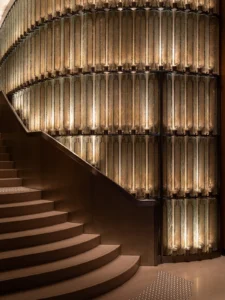
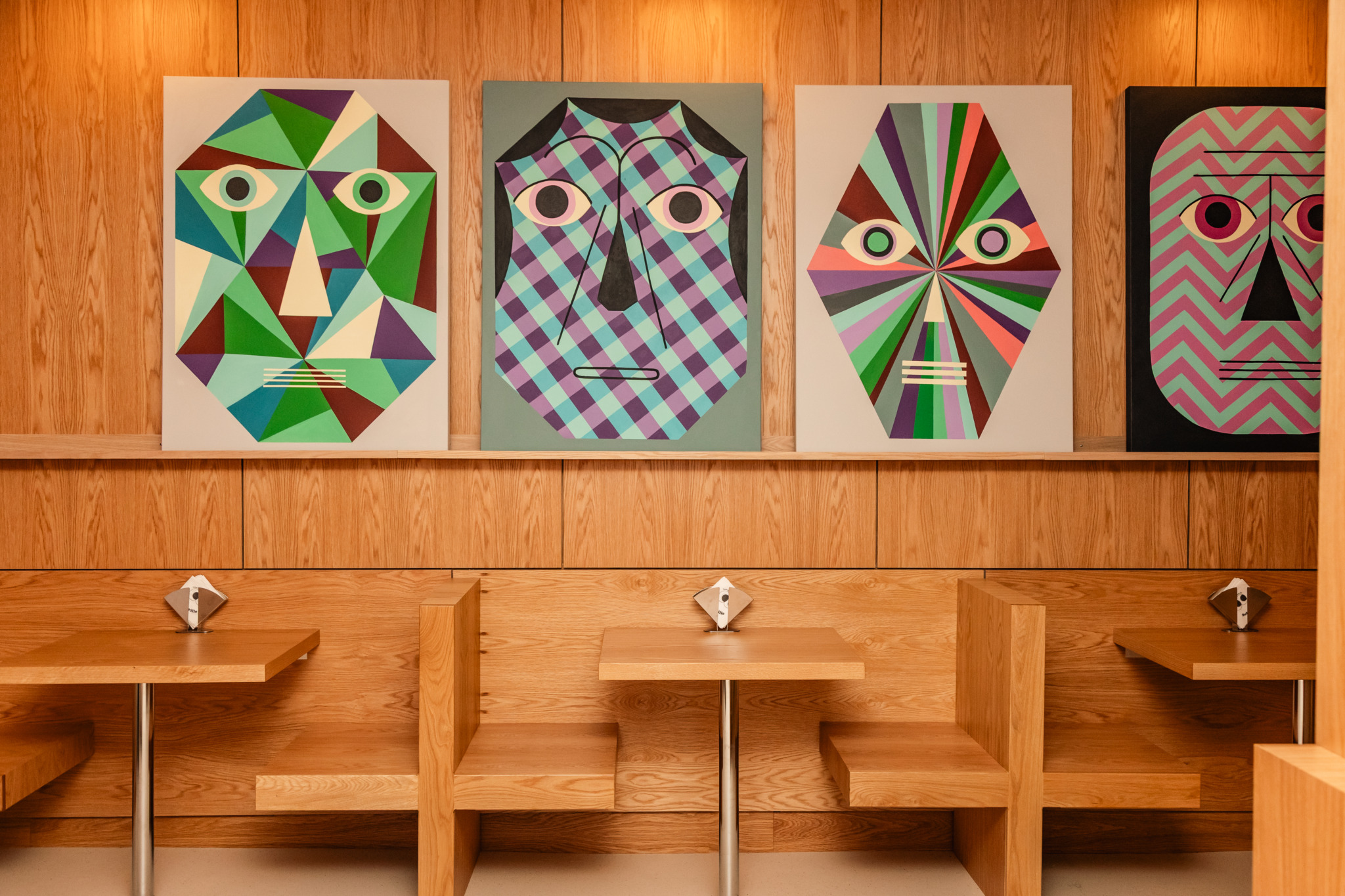
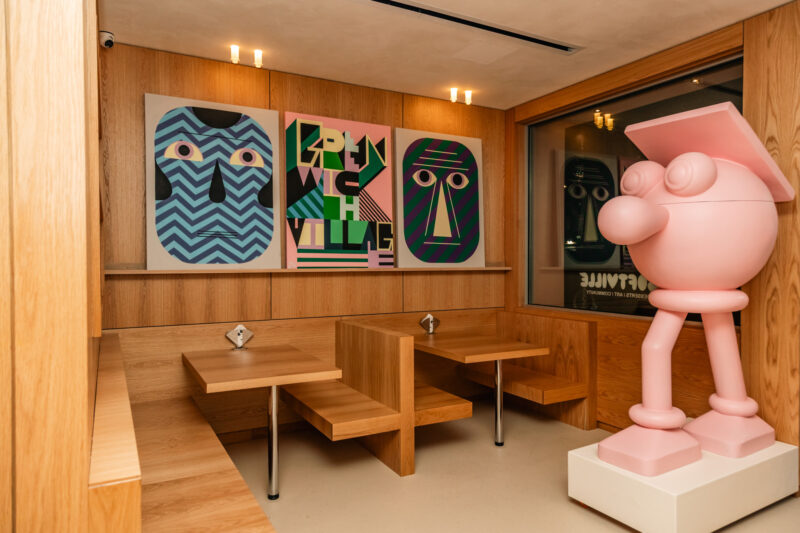
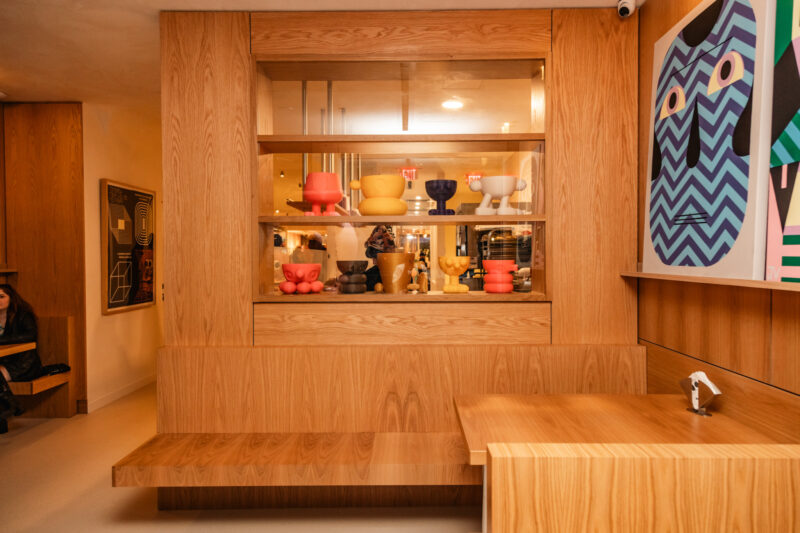
Inside, the design narrative continues with a sophisticated interplay of form and function. Sarah Carpenter has cleverly echoed the soft, fluid curves of the historic exterior throughout the interior architecture. This softness is balanced by the use of warm, angular wood seating and a muted, welcoming vanilla-bean-inspired color palette.
To ensure the space remains dynamic, the team installed a modular, flexible shelving and display system. This allows the shop to pivot between different exhibitions and retail drops without compromising the integrity of the millwork. The result is a space that feels "alive"—a living room for the neighborhood where art is not just hung on walls but integrated into the very experience of sitting, eating, and observing.
The Culinary Philosophy: North American Debut
While the aesthetics are undeniably striking, the core of Softville’s appeal lies in the debut of Gelato Messina to the North American market. Messina, a brand renowned in Australia for its fanatical devotion to quality, brings its uncompromising "no-pre-mix" policy to New York.
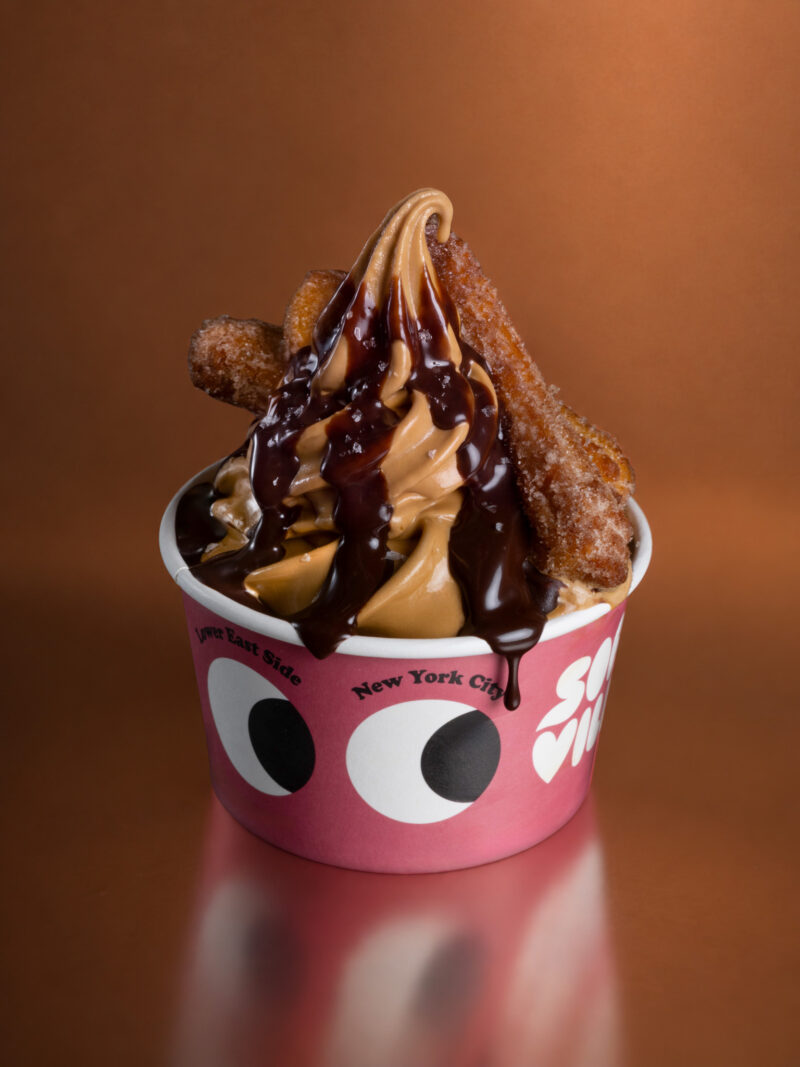
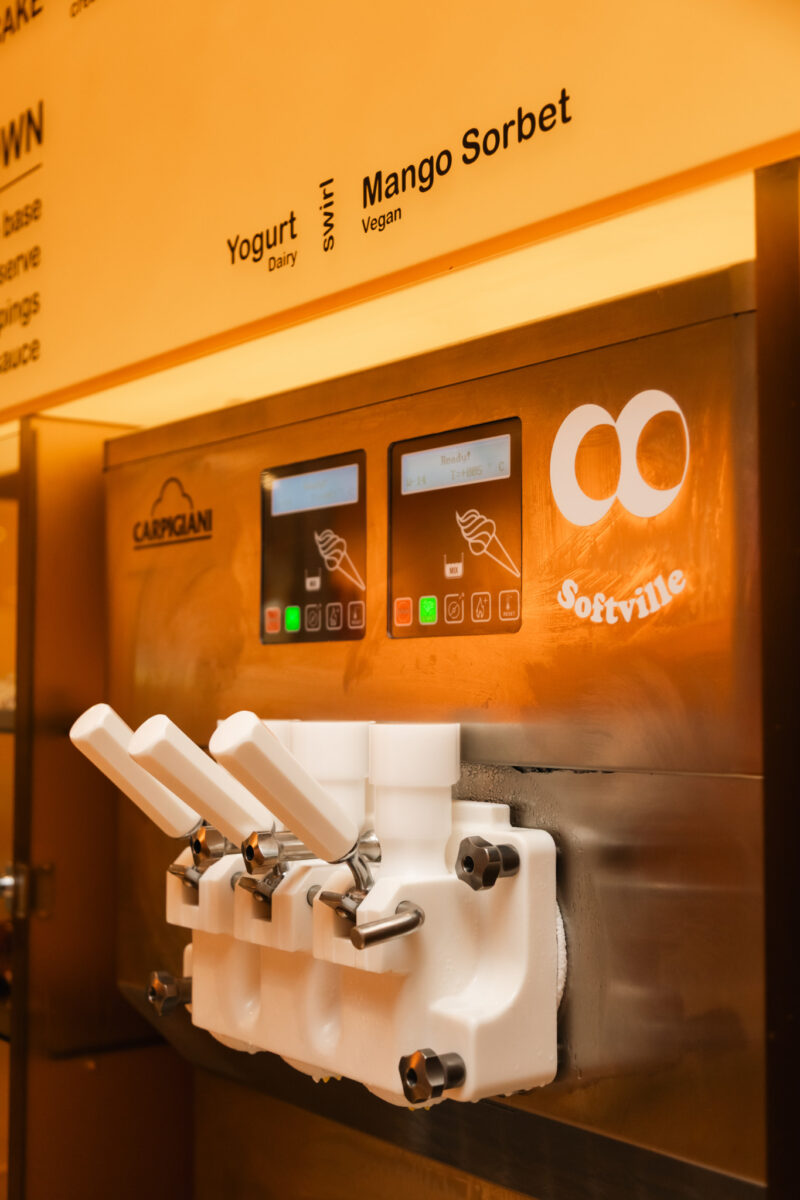
Every batch of gelato-style soft serve is crafted using fresh milk sourced directly from the Hudson Valley’s esteemed Ronnybrook Farm Dairy. By eliminating industrial bases and focusing on small-batch, artisanal production, the brand ensures a texture and depth of flavor that is rare in the high-volume world of soft-serve.
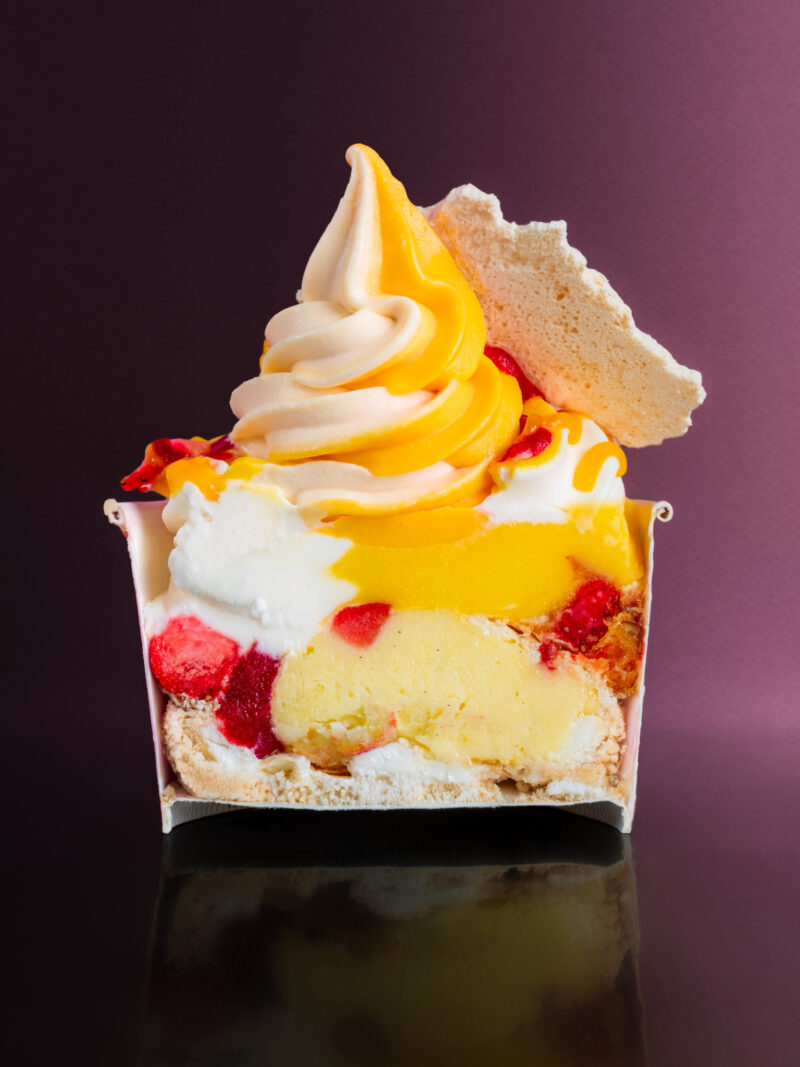
To elevate the menu further, the team recruited Eva Wintersteen, formerly the executive pastry chef at the celebrated Il Buco family of restaurants. Collaborating with Gelato Messina’s Executive Chef, Tom Mitchell, Wintersteen has developed a menu that treats the soft-serve as a canvas. The result is a collection of sculptural, edible concoctions—think intricate layers of meringue, house-made fruit compotes, and unexpected textures—that defy the traditional "ice cream cone" paradigm. It is, by design, an "eat your art while you view art" experience.
Chronology of a Creative Partnership
The inception of Softville did not happen overnight. To understand the depth of this collaboration, one must look at the 20-year trajectory of the relationship between Studio Jeremyville and Gelato Messina.
- The Early 2000s: Initial creative exchanges between the founders establish a shared language of humor and high-concept design.
- The Growth Phase: Both brands cement their reputations independently—Studio Jeremyville as a global force in character-based design and public art, and Gelato Messina as the gold standard for artisanal dessert in Australia.
- The Conceptualization (2023): Preliminary discussions regarding a North American expansion begin. Both parties agree that a traditional retail footprint would not suffice; the project requires an immersive, hybrid model.
- Site Acquisition (2024): The search for a space that captures the "spirit of the street" leads to the 137 Orchard Street location.
- Renovation and Curation (2025): Sarah Carpenter leads the restoration of the 1920s storefront and the interior build-out, while Wintersteen and Mitchell finalize the menu.
- The Launch (2026): Softville opens its doors to the public, marking a new chapter for both brands.
Supporting Data and Retail Dynamics
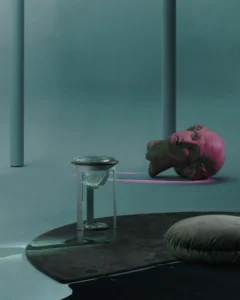
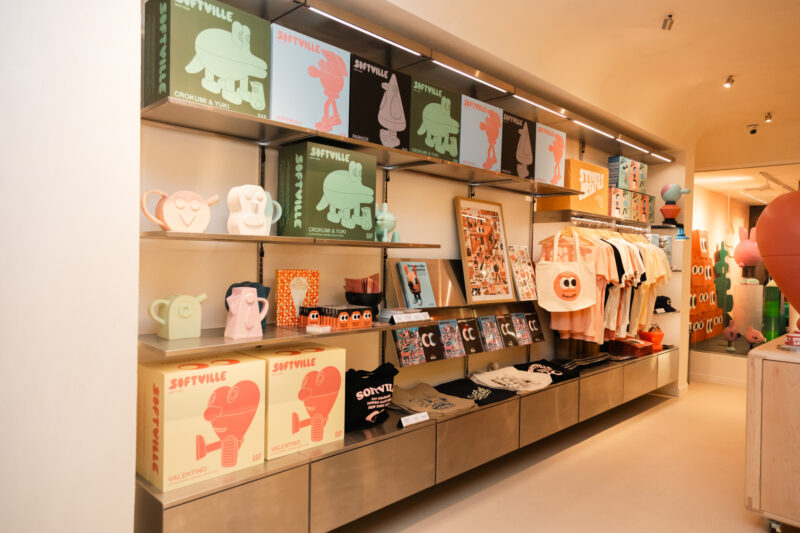
Softville functions as a retail gallery, showcasing a rotating collection of purchasable objets d’art. The shelves are stocked with character-themed boxes, bespoke ceramics, illustrated prints, and limited-edition apparel, all featuring the signature aesthetic of Studio Jeremyville.
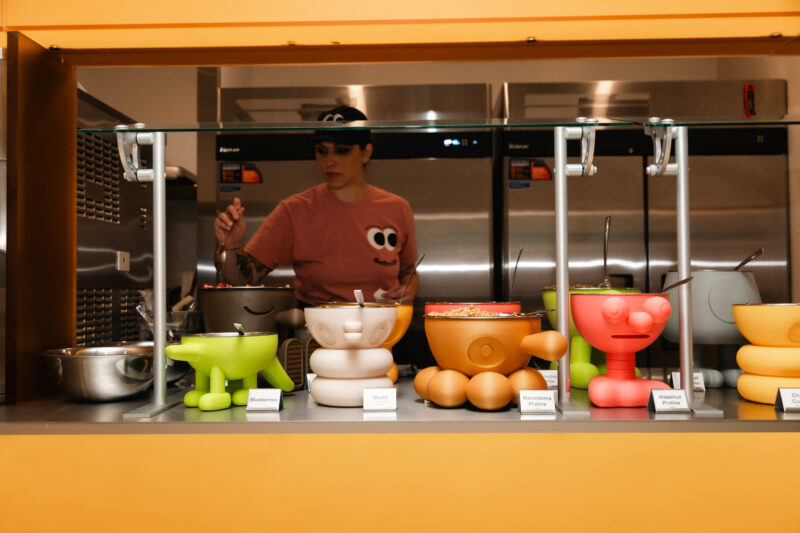
The shop is strategically designed to optimize "dwell time." Unlike traditional ice cream parlors where the transaction is hurried, Softville encourages visitors to linger. The presence of large-scale, quirky sculptures in the windows serves as a siren song for passersby, while the open-kitchen concept allows customers to witness the precision of the pastry team. This transparency in production reinforces the premium nature of the products, justifying the "culinary cachet" that the brand is striving to build in a competitive NYC market.
Official Responses and Visionary Intent
The mission behind Softville is grounded in a belief that art should not be sequestered in the ivory towers of galleries or the silence of museums. Megan Mair, representing the leadership at Studio Jeremyville, emphasizes the democratic nature of the project.
“We’ve always believed that creativity doesn’t have to be confined to a gallery or museum,” Mair explains. “It can be part of everyday life, experienced through something as simple as enjoying a sundae.”
This sentiment is echoed by the decision to include cultural programming within the space. Softville is slated to host regular drawing clubs and creative workshops led by Jeremyville himself and an rotating cast of guest artists. This ensures that the venue remains a community hub rather than a static tourist destination.
Implications for the Future of Retail
Softville arrives at a time when the retail landscape is undergoing a profound transformation. As e-commerce continues to dominate the purchase of goods, brick-and-mortar stores are being forced to justify their existence through experience.
By integrating a world-class culinary offering with an art-driven retail space, Softville provides a blueprint for what the "future of the shop" might look like. It creates a space where the sensory pleasure of food acts as a gateway to the appreciation of art and design. If successful, this model could signal a shift in the Lower East Side—and perhaps the city at large—toward "destination retail," where the value is found not just in the items carried away in a bag, but in the memories created within the space.
The success of Softville will likely hinge on its ability to maintain this delicate balance between high-concept art and high-quality food. It must continue to evolve, rotating its art installations and menu offerings to keep the neighborhood engaged. Yet, with its deep roots in the LES history and its commitment to authentic, artisanal production, Softville has all the ingredients to become more than just a passing trend. It is poised to become a staple of New York’s cultural ecosystem—a place where, as Mair puts it, "everyday experiences can be extraordinary."
Softville is currently open to the public daily at 137 Orchard Street, New York City. Visitors are encouraged to check their social media channels for the latest schedule of upcoming workshops and art drops.