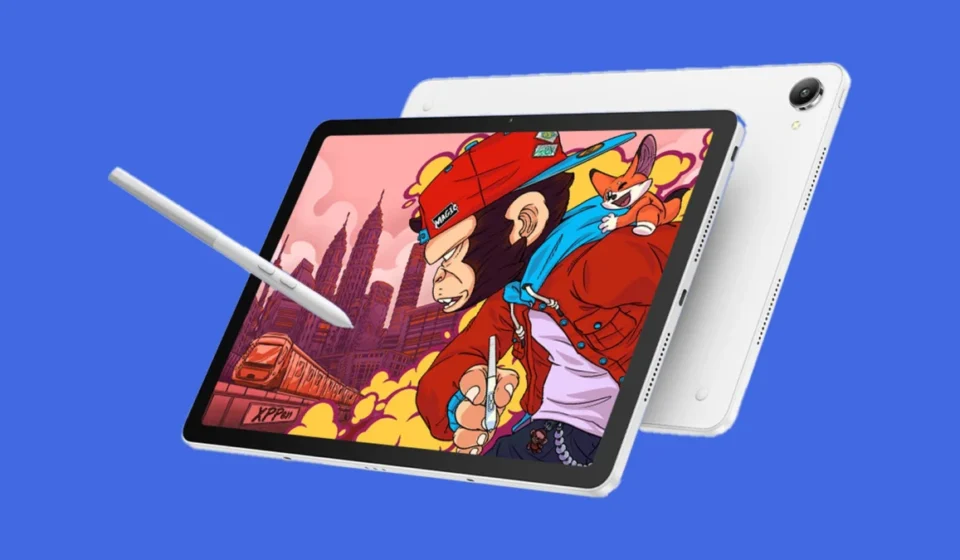

The landscape of digital artistry is undergoing a seismic shift. For over a decade, the conversation regarding portable creative hardware has been dominated by a duopoly: the Apple iPad Pro and, more recently, specialized pen displays from industry stalwart Wacom. However, the release of the XPPen Magic Pro 13—a sophisticated Android 16-powered tablet—marks a pivotal moment where the line between standalone mobile devices and professional-grade studio peripherals finally blurs into insignificance.
Priced at an early-bird retail point of $899 / £899, the Magic Pro 13 is not merely another Android tablet; it is a direct challenge to the creative workflow established by the creative industry’s most entrenched players. By offering a unique "Drawing Display Mode" and a tactile, paper-like display, XPPen is betting that professional artists are ready to trade the glossy, glass-heavy experience of the iPad for a tool designed specifically with the friction and precision of traditional drawing in mind.
Main Facts: A New Contender in the Professional Arena
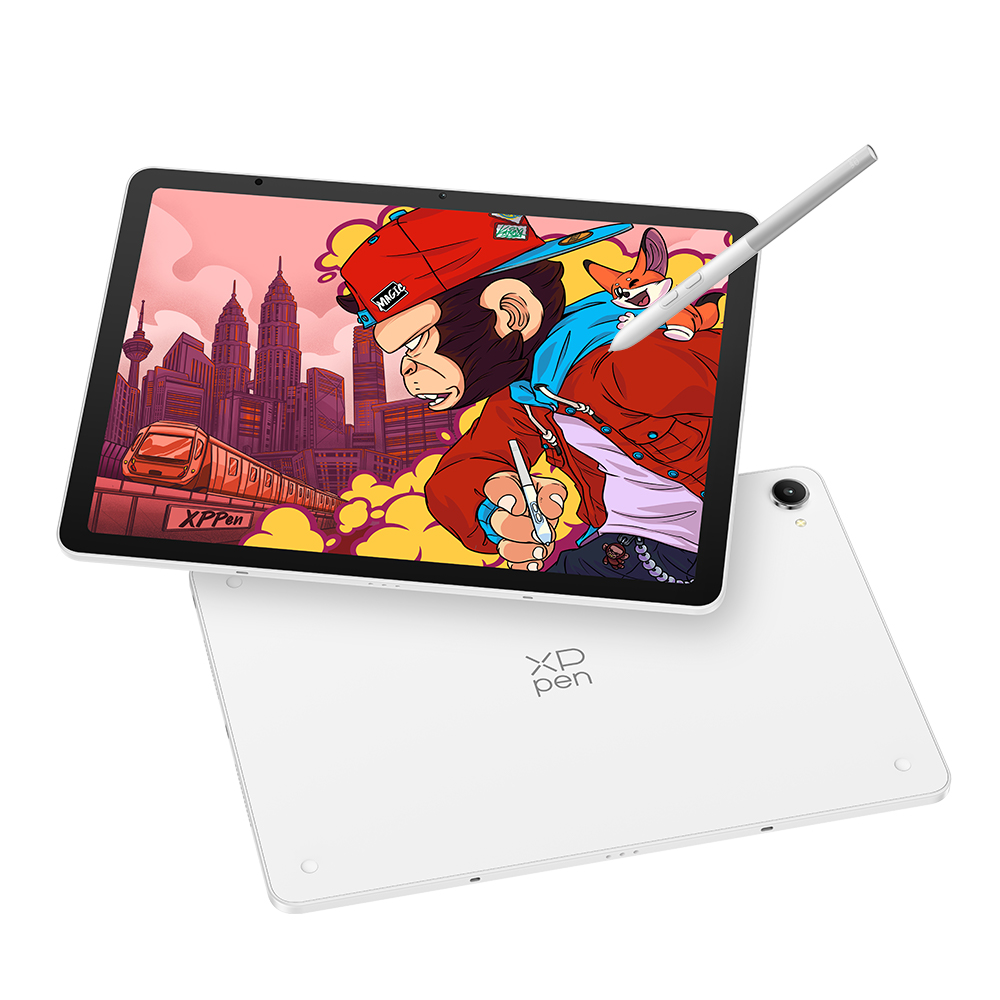
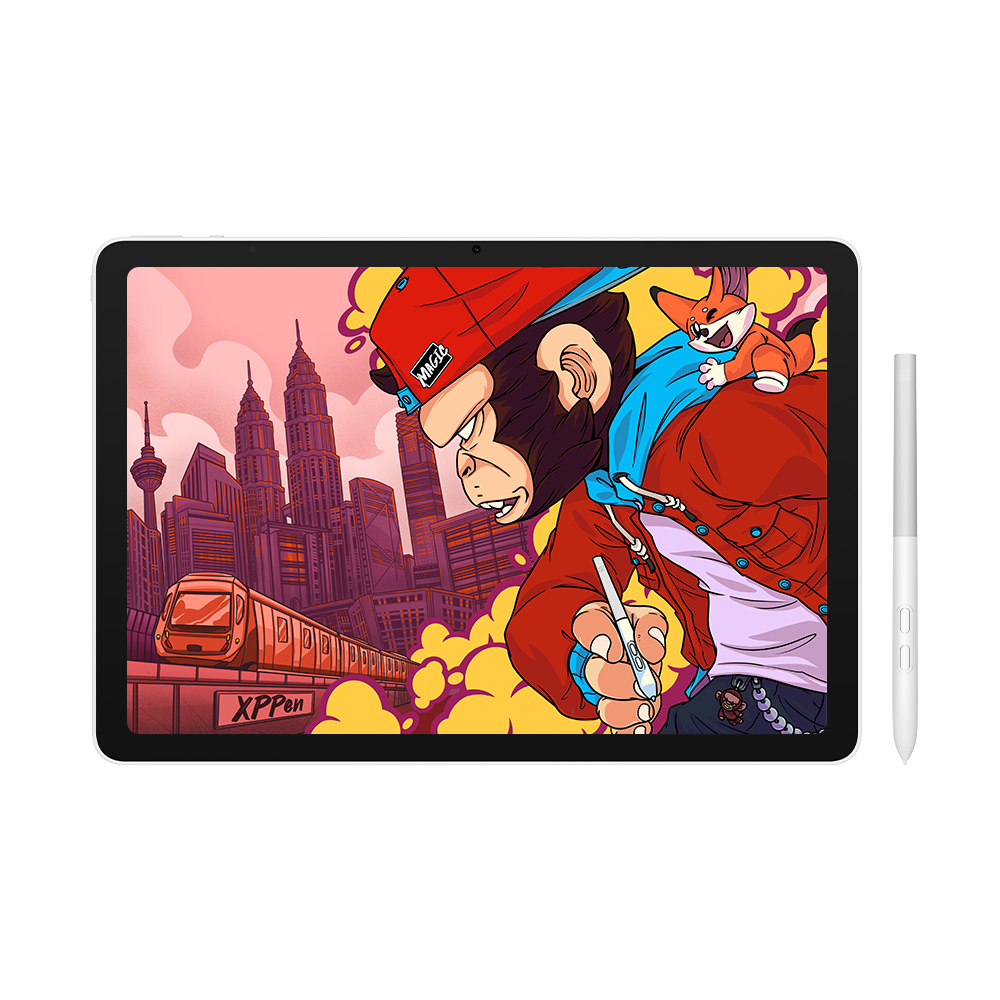
The XPPen Magic Pro 13 arrives with a hardware specification sheet designed to silence skeptics who argue that Android tablets cannot compete with iPadOS or Windows-based workstations. At the heart of the device is a 3K resolution display capable of refreshing at up to 120Hz, providing the fluid, low-latency feedback essential for professional illustrators and 3D sculptors.
Perhaps the most significant differentiator is the X4 Smart Chip Stylus. Featuring 16,384 levels of pressure sensitivity, a 60-degree tilt recognition, and an industry-leading 2g initial activation force, the stylus is engineered to capture the most subtle nuances of a stroke. When paired with the device’s nano-etched AG+AF glass, the tactile feedback mimics the "tooth" of traditional paper, a stark contrast to the slick, slippery surface of standard tablet glass.
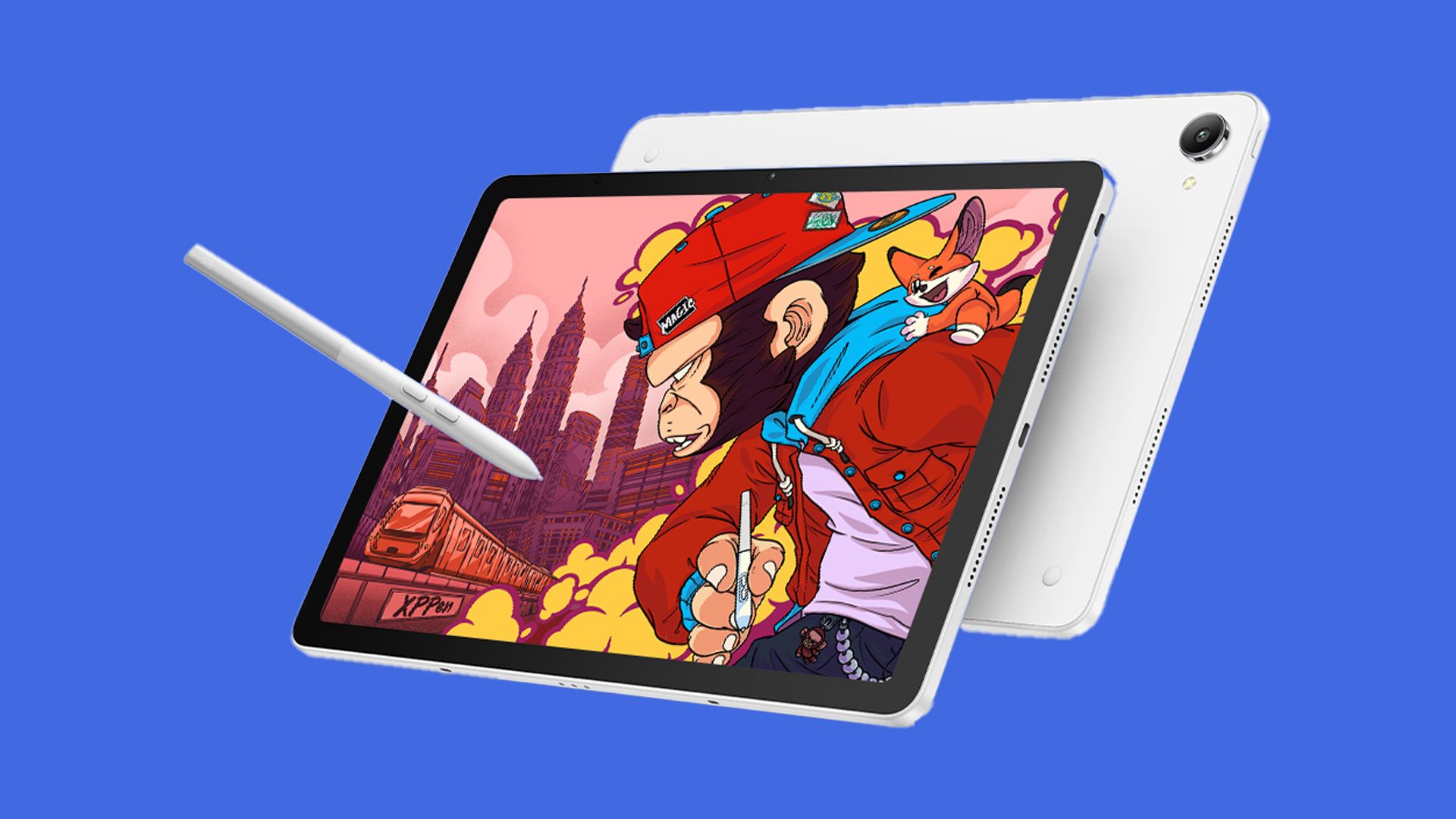
The device is powered by the MediaTek Dimensity 8300 chipset, ensuring that even demanding 3D rendering and complex layered illustrations are handled with ease. With a 10,200mAh battery supporting 45W Power Delivery (PD) fast charging, the tablet is built for the marathon sessions typical of professional creative pipelines.
Chronology: The Evolution of the XPPen Ecosystem
To understand the significance of the Magic Pro 13, one must look back at the trajectory of XPPen’s recent hardware evolution.
- The Catalyst: The release of the original XPPen Magic Drawing Pad served as the company’s "proof of concept." It successfully proved that an Android-based drawing tablet could exist without the compromises traditionally associated with non-Apple mobile devices. It challenged the assumption that artists were inherently tethered to the iPad ecosystem.
- The Industry Shift: Following that release, the market saw a flurry of activity. Wacom introduced the OLED-equipped MovinkPad Pro 14, while Huion pivoted toward the entry-level segment with the Kamvas Pad 12.
- The Maturity Phase: The launch of the Magic Pro 13 represents the third and most critical phase: maturity. By incorporating user feedback from the original Magic Drawing Pad and integrating it with professional-grade display tech and refined software, XPPen has moved from "disruptor" to a viable primary-device contender.
- The Current Launch: As of today, the Magic Pro 13 is available globally, signaling a strategic attempt to capture the high-end creative demographic that demands both portability and desktop-class performance.
Supporting Data: Technical Specifications and Performance
The technical architecture of the Magic Pro 13 reveals a device engineered for precision. The display covers 100% of the sRGB color gamut and 96% of DCI-P3, ensuring color accuracy for print and digital media alike. The inclusion of system-level switching between color spaces—Adobe RGB, sRGB, and DCI-P3—is a feature typically reserved for professional desktop monitors.
Furthermore, the 16K pressure levels of the X4 stylus represent a significant engineering leap. While higher numbers are often dismissed as marketing hyperbole, the practical application—a 2g activation force—is measurable. It allows for the lightest possible "ghosting" marks and delicate shading, providing a level of control that exceeds the current iteration of the standard Apple Pencil in certain tactile contexts.
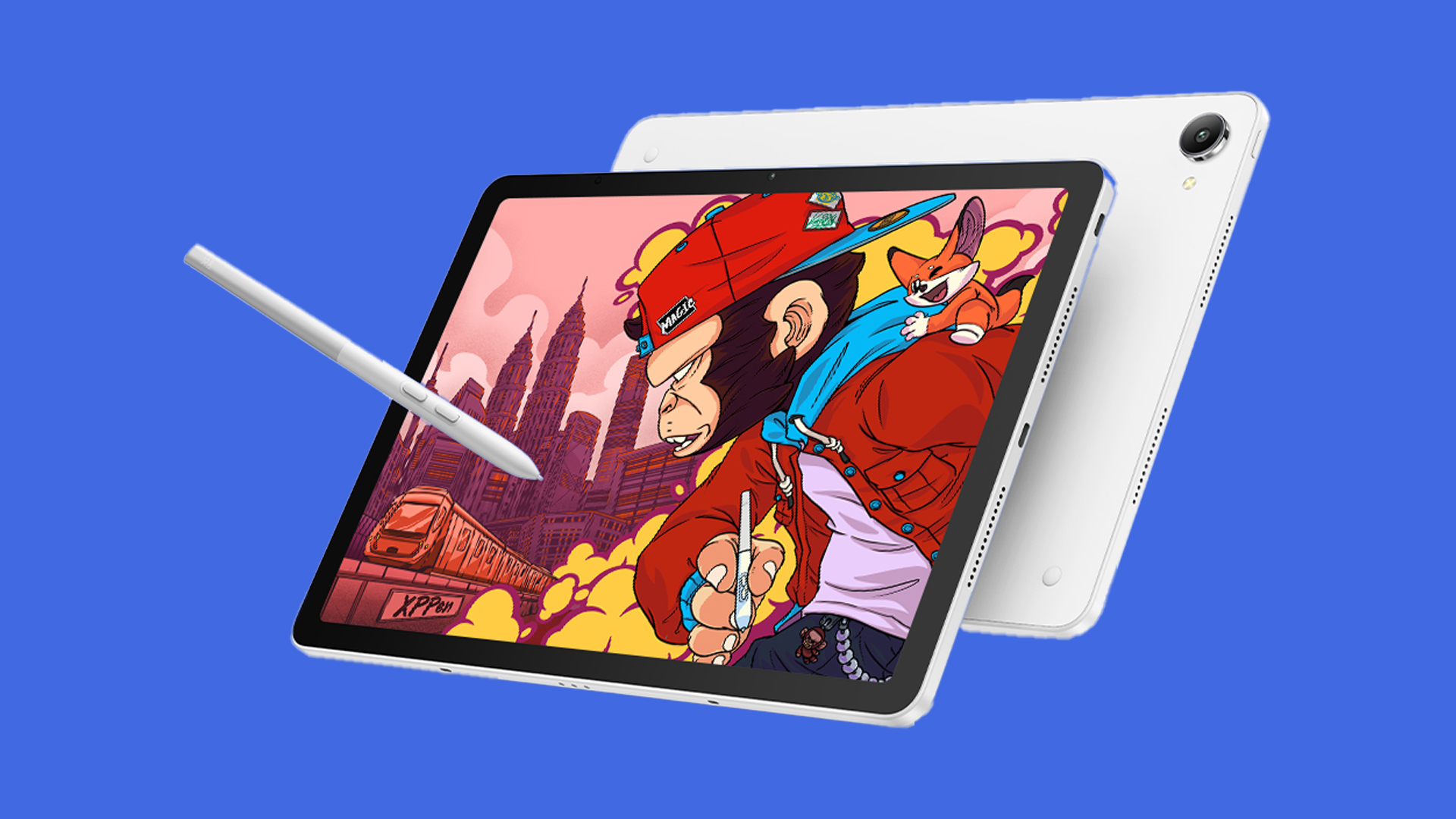
The physical dimensions are equally optimized: a thickness of 6.65mm and a weight of 655g make it highly portable without feeling fragile. With dual USB-C ports, the device supports simultaneous power and data transfer, facilitating its "2-in-1" nature.
Official Responses and the "Drawing Display" Philosophy
The core of the Magic Pro 13’s value proposition is its ability to transition seamlessly from a standalone Android tablet to a secondary pen display for a Windows or macOS workstation.
Brian Huang, Marketing Director at XPPen, positions the tablet as an "industry-first 2-in-1 device." In his statement, he emphasizes the necessity of flexibility in the modern creative workflow: "Artists need creative tools that can adapt to the way they work, wherever they create. The Magic Pro 13 was designed to be the only canvas an artist needs, whether they are sketching on a train or fine-tuning assets at a professional studio desk."
This "Drawing Display Mode" bypasses the clunky connectivity issues often found in competing tablets. While the Wacom MovinkPad Pro 14 offers similar functionality, it frequently requires users to navigate complex developer settings and USB debugging to achieve stable performance. XPPen has opted for a "plug-and-play" architecture, utilizing a single full-featured USB-C cable to bridge the gap between mobility and high-powered desktop processing.
Implications for the Creative Industry
The implications of the Magic Pro 13 for the broader tech industry are profound.
1. The Death of the "iPad-Only" Workflow
For years, the iPad Pro has been the default choice for mobile digital art, largely due to the lack of viable alternatives. The Magic Pro 13 forces a re-evaluation of this status quo. By providing an Android environment that doesn’t just "run" apps but "drives" them with specialized hardware, XPPen is offering a genuine alternative for those who find iPadOS restrictive.
2. Software Integration
A recurring criticism of non-Wacom hardware has historically been the lack of sophisticated driver and software support. The Magic Pro 13 addresses this with a suite of proprietary tools, including "The Shelf" for reference management, "Canvas" for rapid ideation, and "Quick Draw with Screen Off." This indicates that XPPen is finally investing in the ecosystem, not just the hardware.
3. Price-to-Performance Ratio
At $899, the tablet occupies a mid-to-high-tier price bracket. While it is significantly cheaper than a maxed-out iPad Pro or a high-end Wacom Cintiq Pro, it is more expensive than the entry-level market. This positions it as a "prosumer" device—perfect for professional illustrators who need a secondary device or digital nomads who cannot carry a desktop tower.
Conclusion: Is it a Worthy Investment?
The XPPen Magic Pro 13 is a testament to the fact that the "tablet wars" are no longer just about who has the fastest processor; they are about who can best simulate the tactile, intuitive experience of traditional media while embracing the digital future.
Whether the device can truly supplant the iPad for the majority of creative professionals remains to be seen. The transition from an established, app-rich ecosystem like iPadOS to Android is a hurdle for some. However, for those whose priority is the purity of the drawing experience, the precision of the X4 stylus, and the versatility of a device that doubles as both a tablet and a professional monitor, the Magic Pro 13 presents a compelling case.
As the creative industry continues to move toward decentralized, mobile-first workflows, tools like the Magic Pro 13 are no longer just "alternative" choices—they are becoming the standard for the modern, agile artist.